 Search


- This move aims to unleash policy dividends and help build a green and efficient modern logistics transportation system
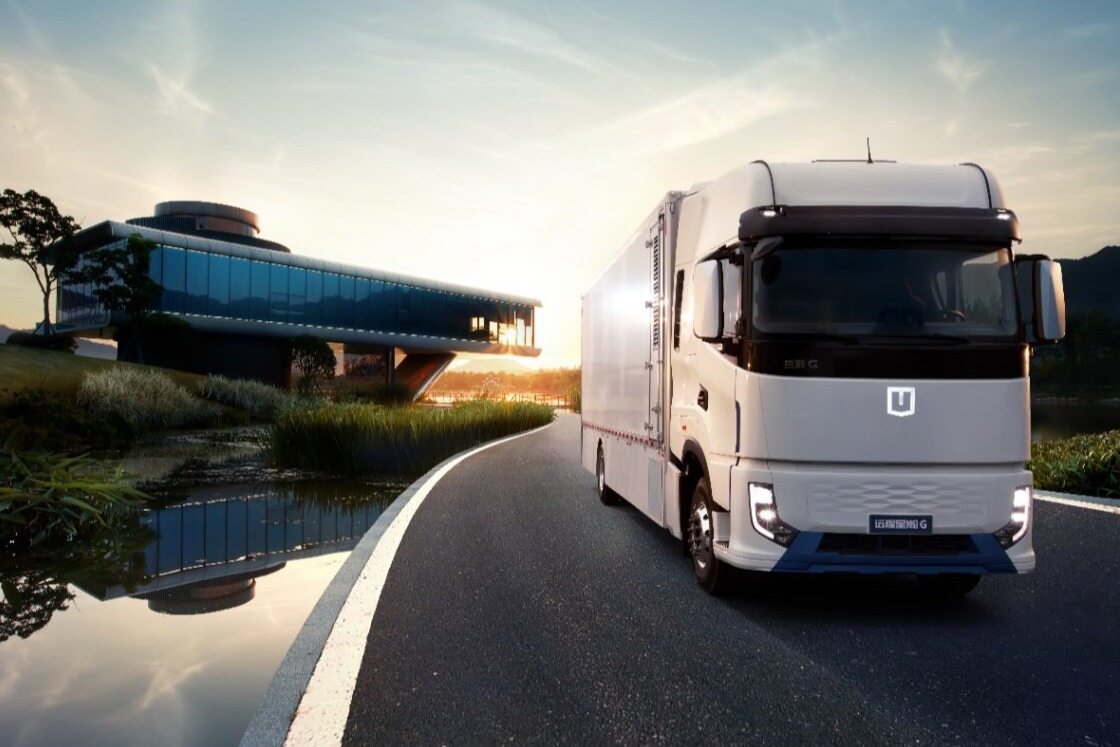
In the Linyi Logistics Park in Shandong, driver Mr. Liu slowly drove the electric heavy truck into the battery swapping station and completed the swapping in less than five minutes before heading towards the highway. On the same day, Gan Jiahua, Deputy Director of the Planning and Research Institute of the Ministry of Transport, took the stage at the 5th China New Energy Heavy Truck Industry Conference, using Liu Shifu's daily life as a footnote to systematically dismantle how new energy heavy trucks can accelerate into the lane of large-scale substitution under the triple thrust of policy, cost, and multimodal transport.
Intensive implementation of top-level policy system
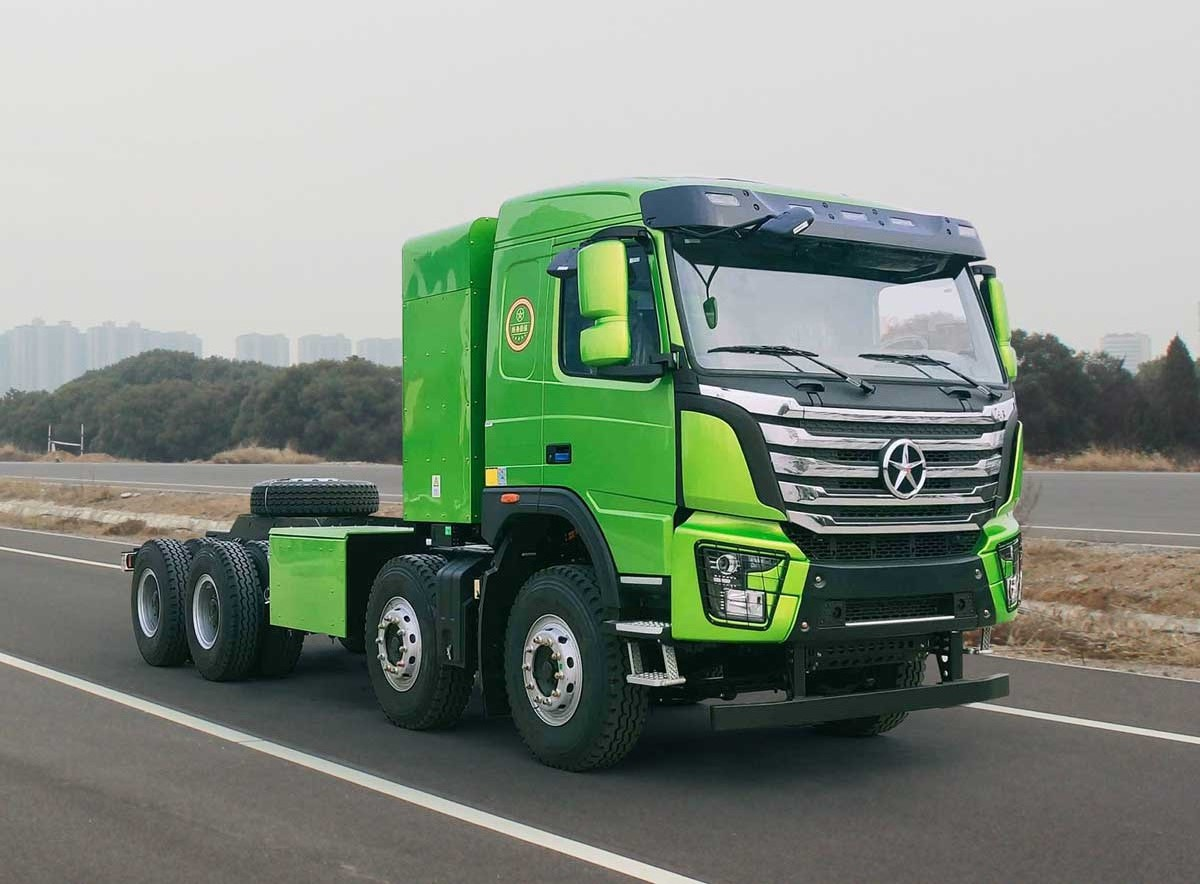
The transportation industry in China has established a top-level system led by the dual core of building a strong transportation country and achieving carbon peak and neutrality, as well as special policies such as equipment updates and transportation energy integration. A special team has been established at the national ministerial level to promote the large-scale application of electric heavy-duty trucks. During the 15th Five Year Plan period, the focus will be on promoting the construction of zero carbon transportation corridors and stations. The replacement of old diesel trucks with new energy heavy trucks can receive a maximum subsidy of 140000 yuan, and the three-year doubling plan for charging facilities specifies the completion of 28 million charging facilities by the end of 2027.
Whole life cycle cost exceeds diesel
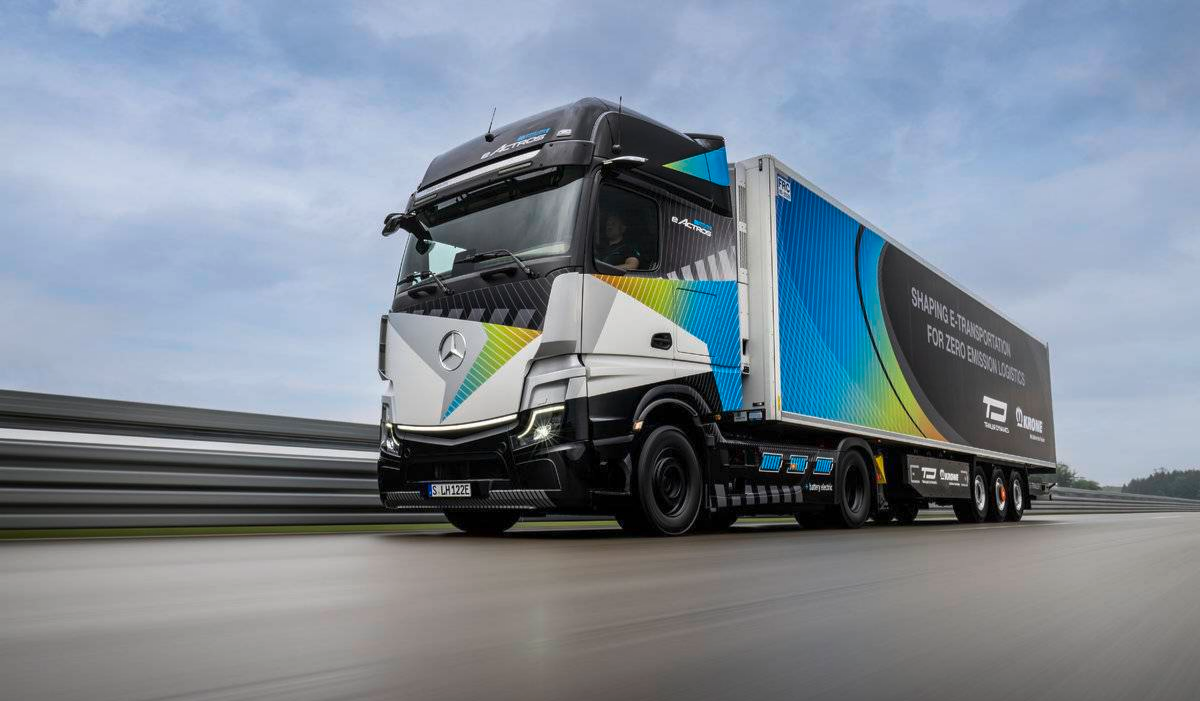
According to research and calculations, the full lifecycle cost of pure electric heavy-duty trucks in high-frequency scenarios is lower than that of diesel vehicles. In closed scenarios such as ports and mines, the penetration rate reaches 70%, and the battery swapping mode leads due to its high energy replenishment efficiency and stable residual value; The charging mode in open long-distance scenarios has more advantages due to lower energy costs. In the first quarter of 2026, the sales of new energy heavy-duty trucks exceeded 45000 units, a year-on-year increase of about 75%, and the proportion of rechargeable heavy-duty trucks exceeded 73%. The mode of long-distance transportation of bulk materials using hot metal and end of pipe new energy heavy-duty trucks has become a new paradigm, which not only leverages the cost advantages of long-distance railway and waterway transportation, but also relies on new energy heavy-duty trucks to solve the flexibility needs of end of pipe connections. Keywords: strategic news and information, new energy heavy-duty trucks
Five major policy directions lock in the future
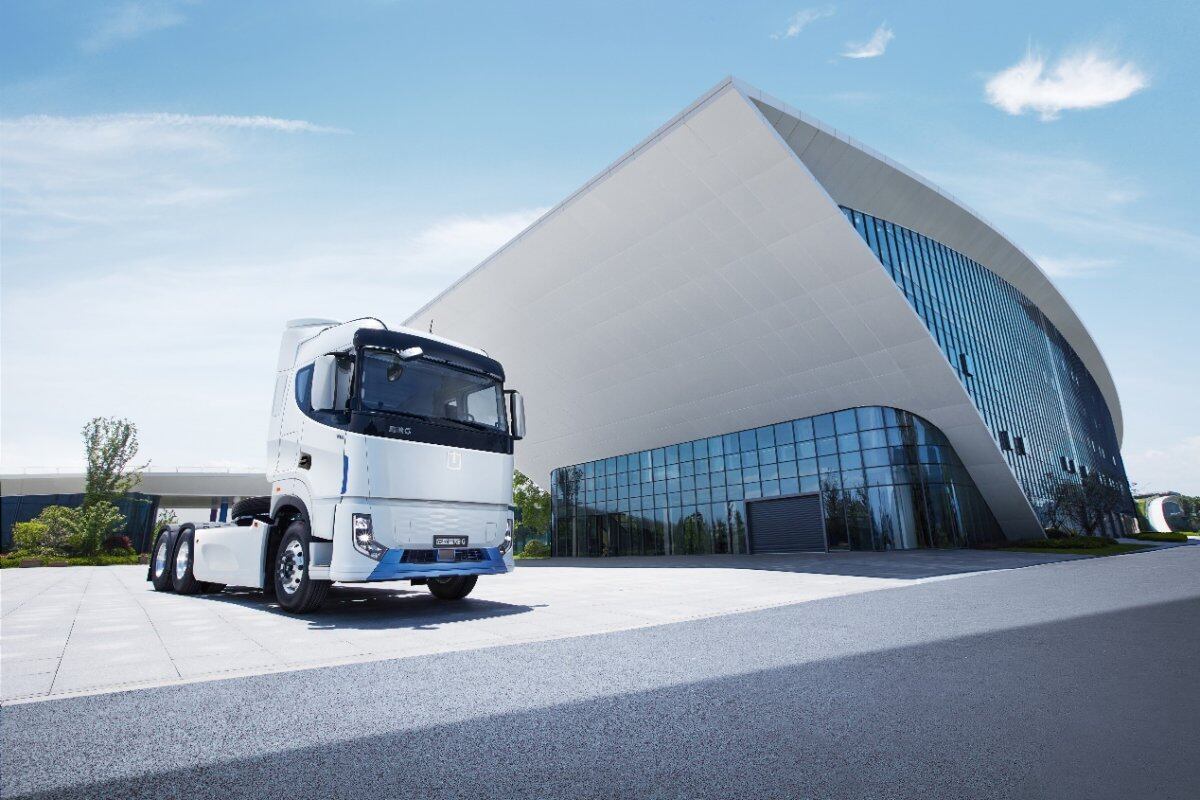
Gan Jiahua proposed five major policy directions during the 15th Five Year Plan period: accelerating the construction of high-speed mainline heavy-duty truck charging and swapping facilities, and promoting the layout of integrated intelligent facilities for wind, solar, energy storage, charging and swapping; Promote the full coverage and replacement of new energy in port and station hubs, and build near zero emission freight hubs; Build an integrated service network covering detection and maintenance, insurance claims, and battery recycling; Promote leading enterprises to take the lead in formulating key standards such as charging and swapping interfaces and energy consumption limits; Optimize the combination of fiscal subsidies and green credit, and explore market-oriented trading of green electricity, green certificates, and carbon emissions reduction. As the zero carbon corridor extends along the highway network, the deep integration of new energy heavy-duty trucks and multimodal transport is reshaping the underlying logic of China's road freight transportation.Editor/Gao Xue
Comment



 Praise
 Collect
 Comment

 Share
Share


Write something~