 Search


- China and Egypt join forces for the first time to enter Iraq
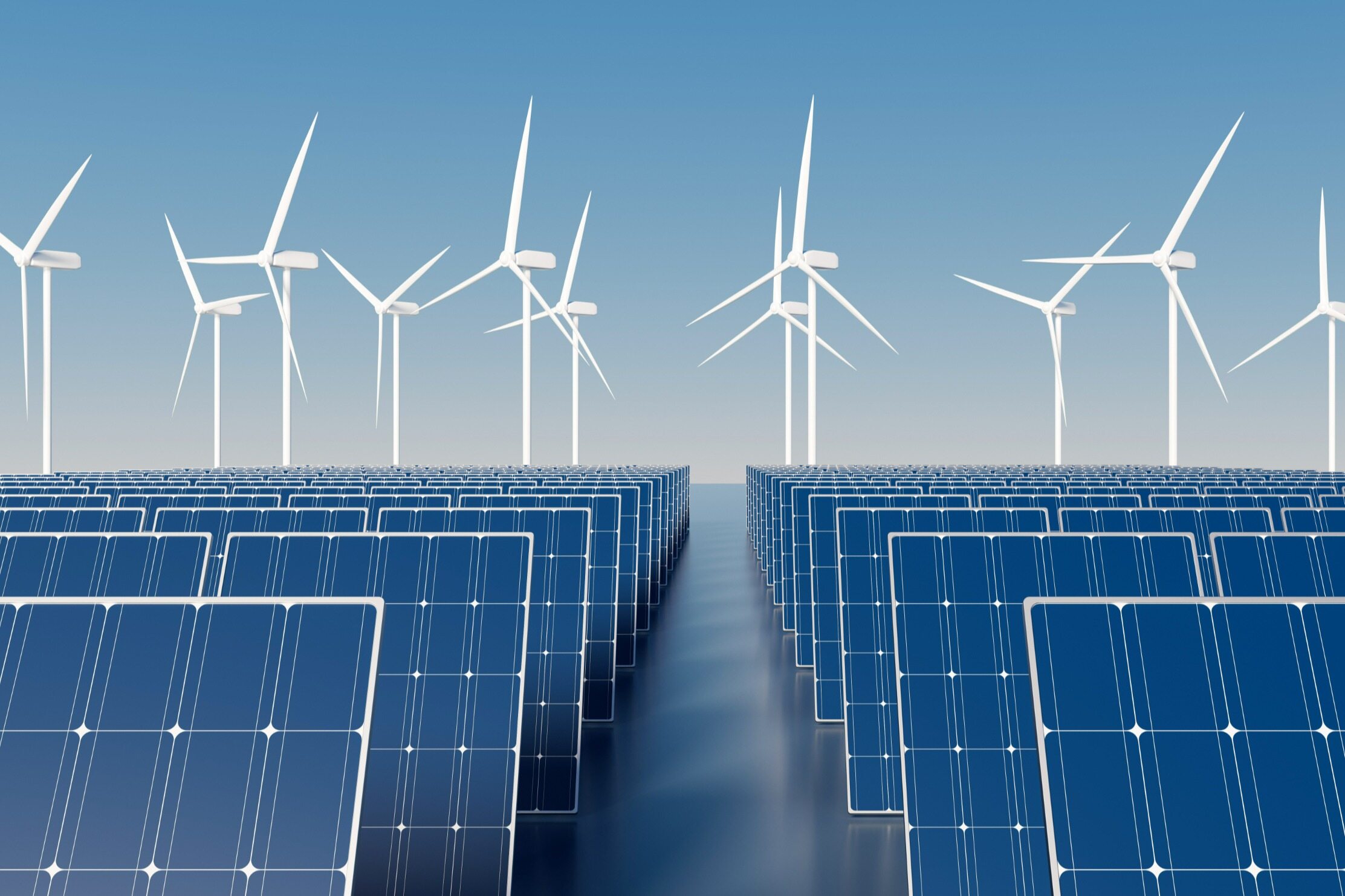
On May 11, 2026, a news came from the Iraqi energy circle. The consortium formed by EBS Petroleum, a subsidiary of China Zhenhua Oil, and Egypt's Nasr General Contracting has officially laid the foundation for a $71 million residential and logistics complex project for Iraq's state-owned Midland Oil Company in Baghdad. This amount may not be shocking in the Middle East's energy infrastructure industry, but the consortium structure is significant - one is the Chinese state-owned oil company that has been deeply rooted in Iraq for many years, and the other is the Egyptian construction giant that has won over $123 million in orders in Iraq in the past year. Chinese and Egyptian companies have joined forces to jointly serve the logistical support needs of Iraq's state-owned oil company, which is not common in the Middle East energy infrastructure market.
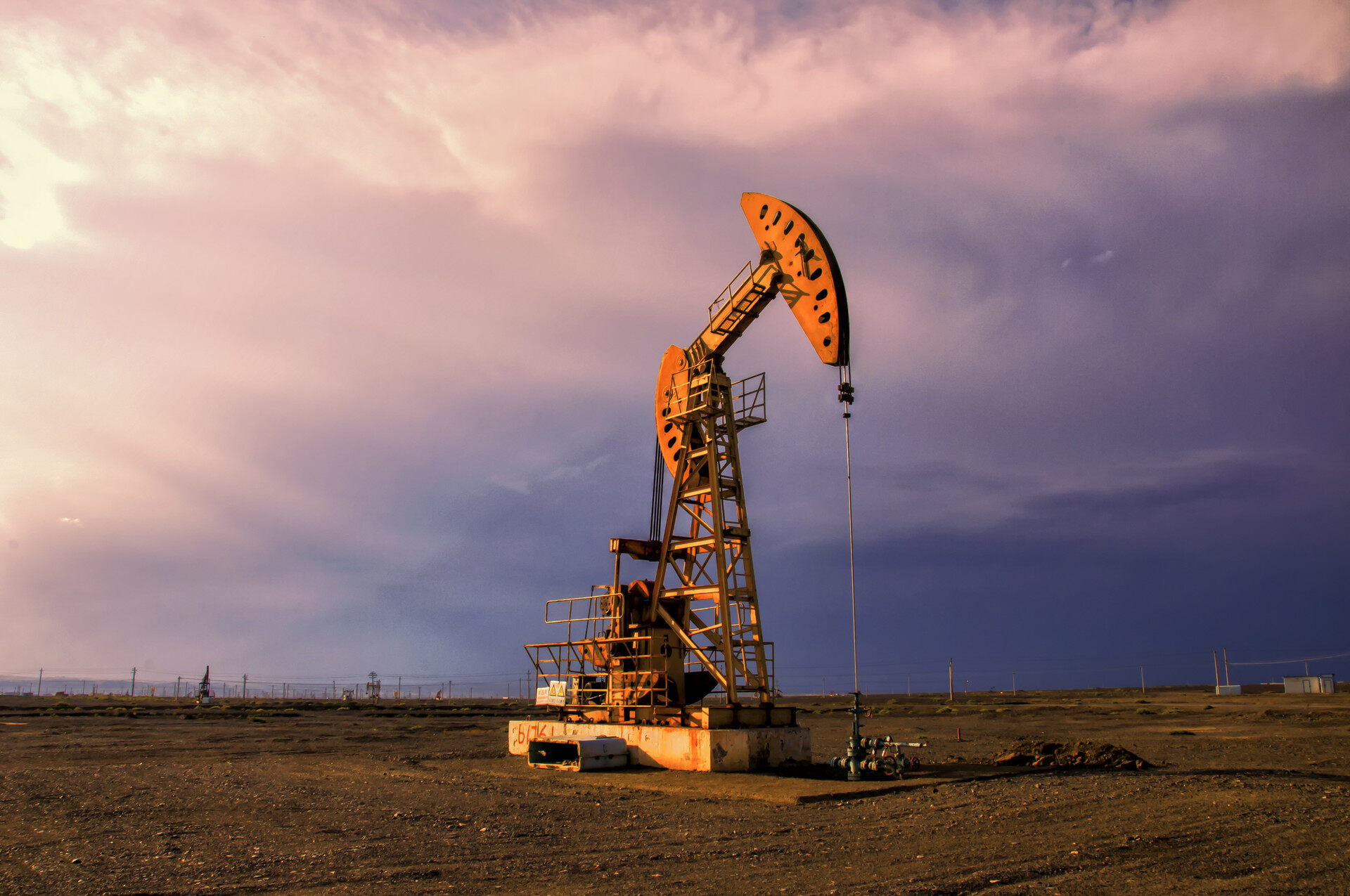
From contractor to oilfield developer
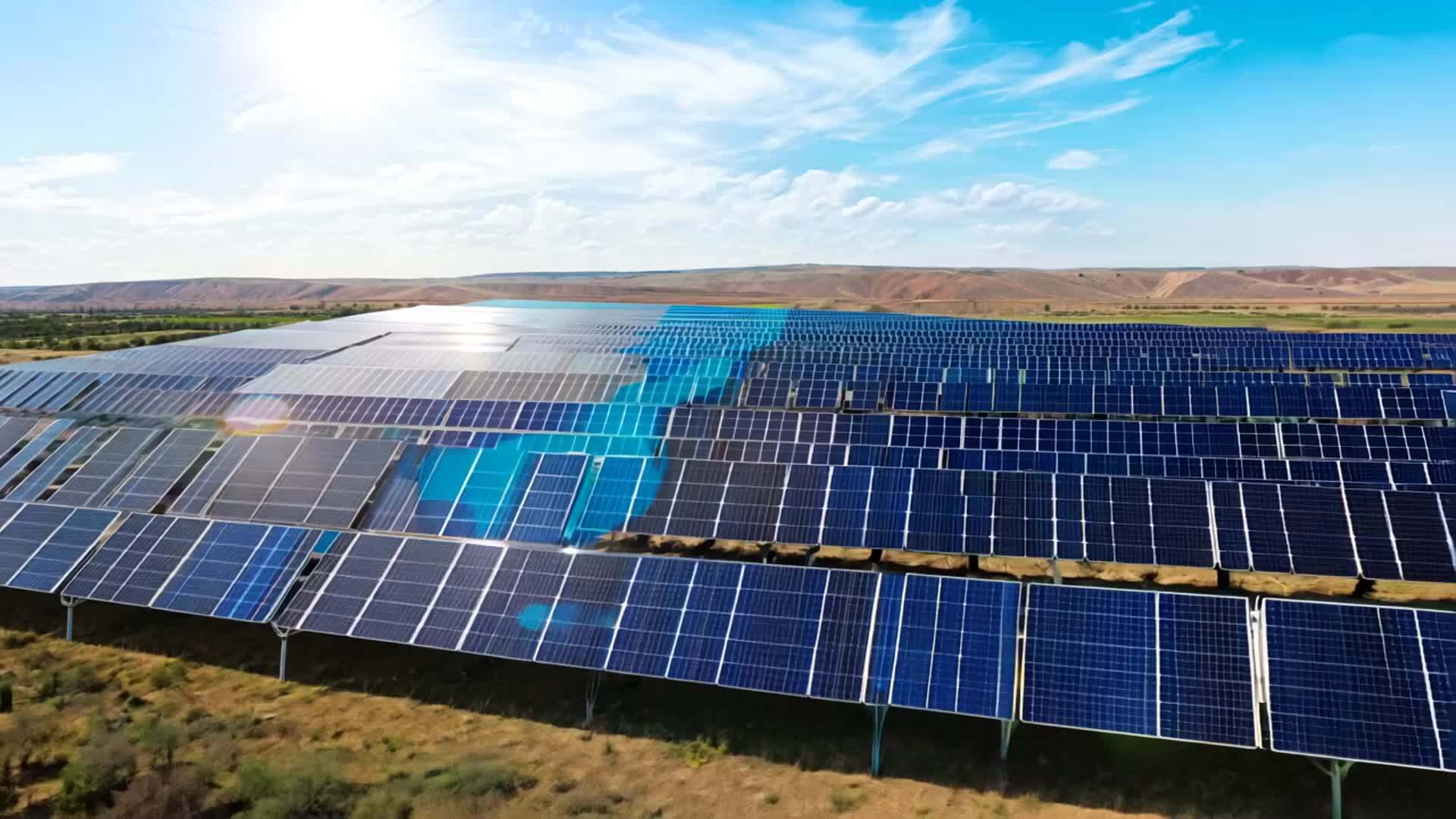
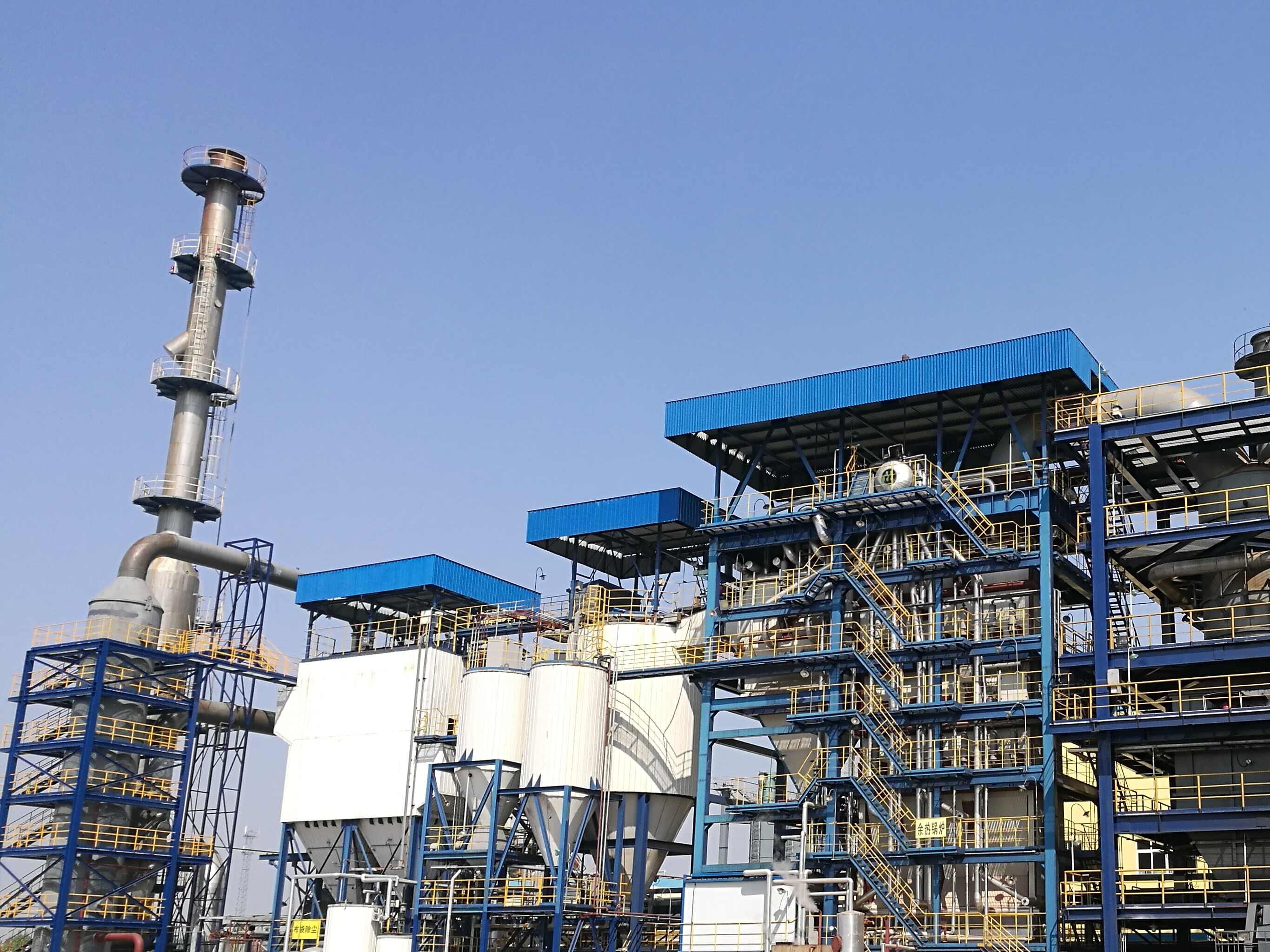
Since signing the East Baghdad oilfield development contract with Iraq in 2018, Zhenhua Oil has become the first oilfield project developer in the Baghdad region to be operated by a Chinese company. In 2025, the 1.3 MW solar power station in Dongba Oilfield will be put into operation, and the photovoltaic modules will be customized to withstand high temperatures in combination with the high-temperature environment in Iraq; In the same year, Chinese made explosion-proof intelligent robotic dogs were deployed for the first time in the oil field, achieving precise inspection operations. In April 2026, Zhenhua Oil signed a preliminary development contract for an 8.8 billion barrel super large oil field with the Iraqi Ministry of Oil, completing the transition from a contractor to an oil field developer.
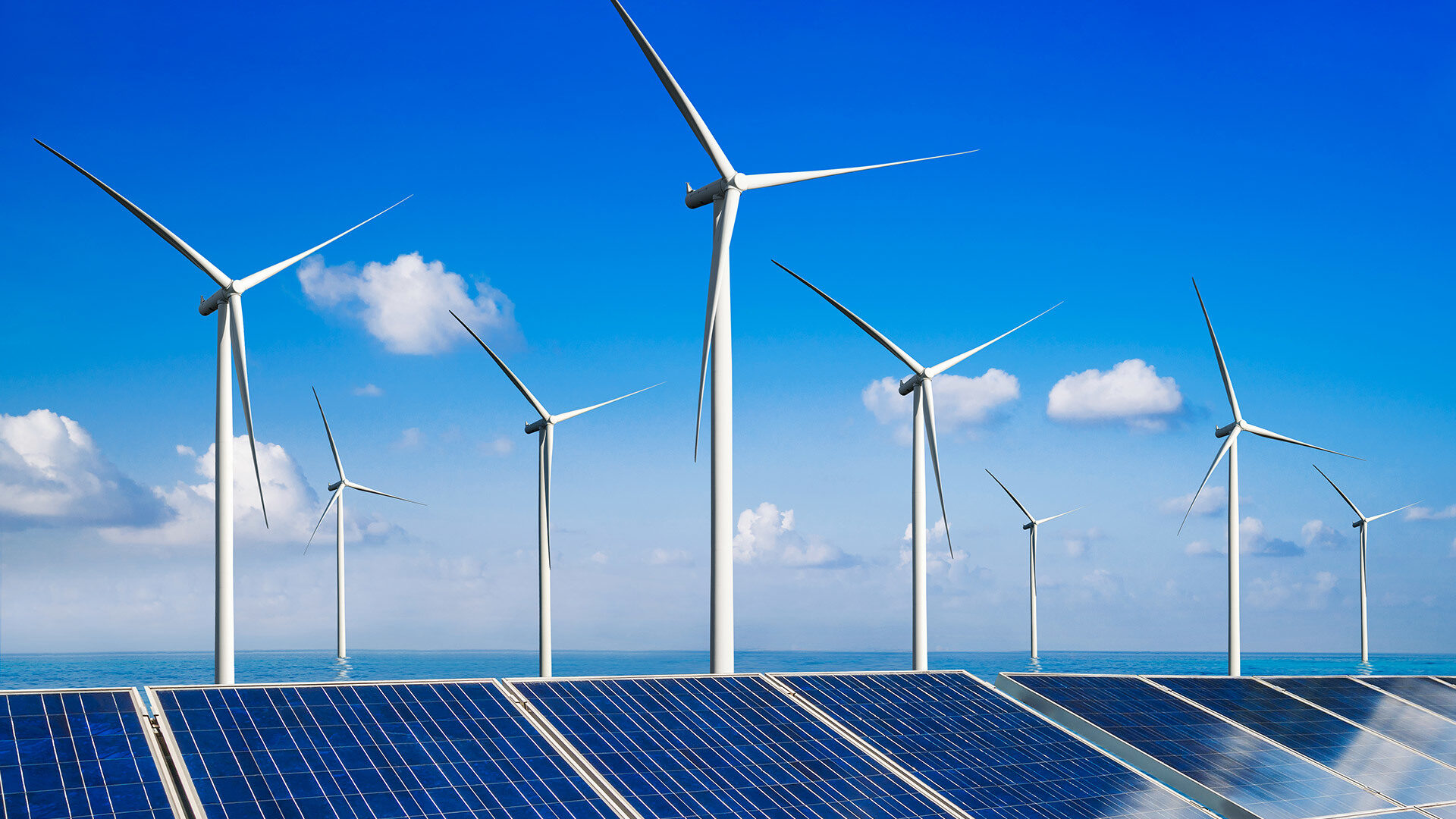
China and Egypt join forces to create a new regional pattern
The consortium partner of this complex is Nasr General Contracting in Egypt, which is affiliated with Hassan Allam Holding, one of the largest construction groups in the Middle East and Africa. The CEO of the company revealed that the total operating amount in Iraq over the past year has reached approximately $123 million, covering projects such as Mosul bridge repair and Baghdad road development. The joint service of Chinese and Egyptian enterprises to the Iraqi market is a model that was not common in the Middle East energy infrastructure market before, but is accelerating as Iraq's oil production rises to about 4.4 million barrels per day. Keywords: the Belt and Road news network, oil, energy infrastructure
Leveraging the demand for upgrading energy infrastructure
The construction of residential and logistics complexes is just the starting point. After completion and commissioning, the operation of the complex will release continuous subcontracting needs such as procurement of daily necessities, property management, and spare parts warehousing. From the operation of the Dongba Oilfield solar power station, it can be seen that green electrification of the oilfield is a clear trend, and the photovoltaic customization ability of Chinese enterprises under high temperature conditions in the Middle East has been verified in competition. In the procurement list released for infrastructure projects such as refineries, oil pipelines, and residential complexes, Chinese building materials and engineering general contracting enterprises have natural competitiveness based on cost-effectiveness and delivery capabilities.Editor/Gao Xue
Comment


 Praise
 Collect
 Comment

 Share
Share


Write something~