 Search


- The transportation of goods between China and Afghanistan finally has a land alternative solution
- A multimodal transportation route with Bukhara as the transit hub, crossing Turkmenistan and directly reaching Herat, Afghanistan, covering a total distance of approximately 7400 kilometers
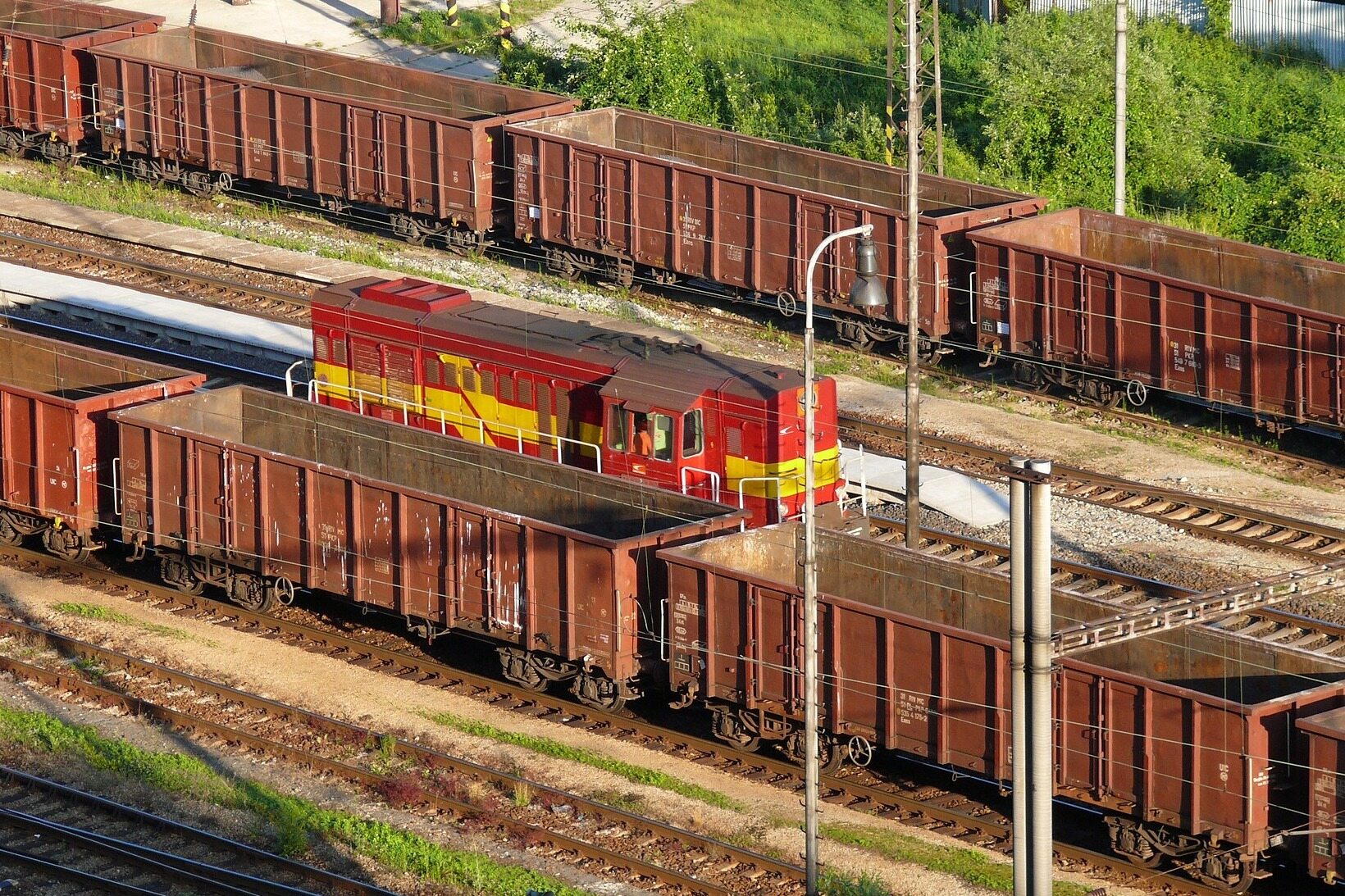
In the first half of 2025, the land freight volume from Central Asia to South Asia will increase by 23% year-on-year, and the demand for cross-border logistics will continue to rise. In this context, Uzbekistan's national railway operator has officially announced the opening of a new multimodal freight corridor, targeting the logistics pain points between China and Afghanistan that have long relied on sea transportation.
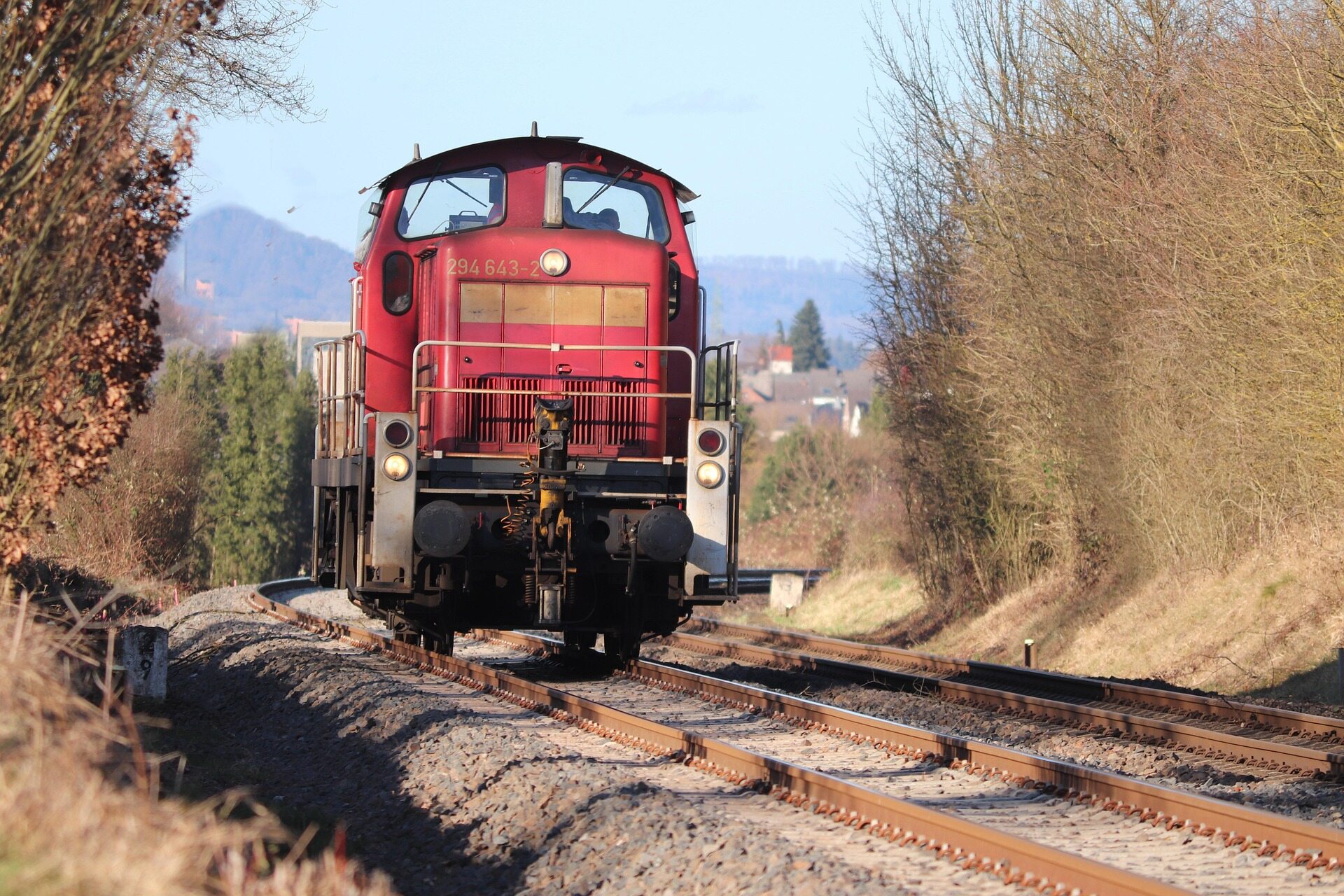
A complete closed loop of a corridor
The new route covers a total distance of about 7400 kilometers and mainly carries second-hand container goods. The goods departed from China and entered Uzbekistan via the railway at Altenkol Station in Kazakhstan. They were then transferred and distributed at the Bukhara Logistics Center, which is operated by Uzbekistan Railway Container Company. This year, the center has processed over 12000 TEUs of transit containers, a year-on-year increase of 41%. Subsequently, the goods were loaded onto trucks, transported through Turkmenistan, and finally arrived in the important city of Herat in western Afghanistan. The seamless connection between railways and highways is expected to reduce the total transportation time to around 30 days.
Logical transition from sea freight to land freight
Previously, most of the freight from China to Afghanistan was transported by sea: from Chinese ports to Abbas Port in Iran, and then by land into Afghanistan. This route is constrained by sea conditions and port congestion, and there are shortcomings in both timeliness and stability. The new corridor replaces pure land transportation mode, simplifying sea transportation and two sections of land transportation into one section of railway and one section of highway, with a clearer process and significantly reduced uncertainty.
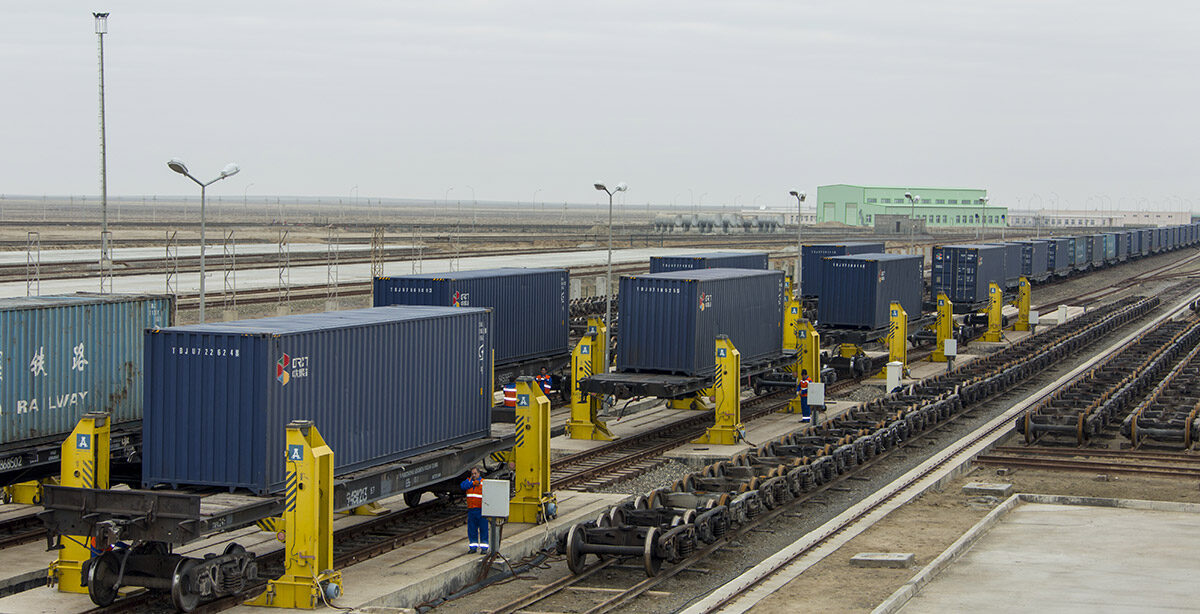
Bukhara's strategic position
The opening of this route not only opens up stable export channels for specific categories, but also further consolidates Uzbekistan's role as a hub for inland connectivity in Central Asia. The current global cross-border land transportation market is expected to exceed $800 billion by 2025, and this new artery extending from Bukhara to Herat is becoming an efficient land option connecting East Asia and South Asia.Editor/Cheng Liting
Comment





 Praise
 Collect
 Comment

 Share
Share


Write something~