 Search


- Astana LRT is put into operation as a landmark project of China Kazakhstan joint construction of the Belt and Road
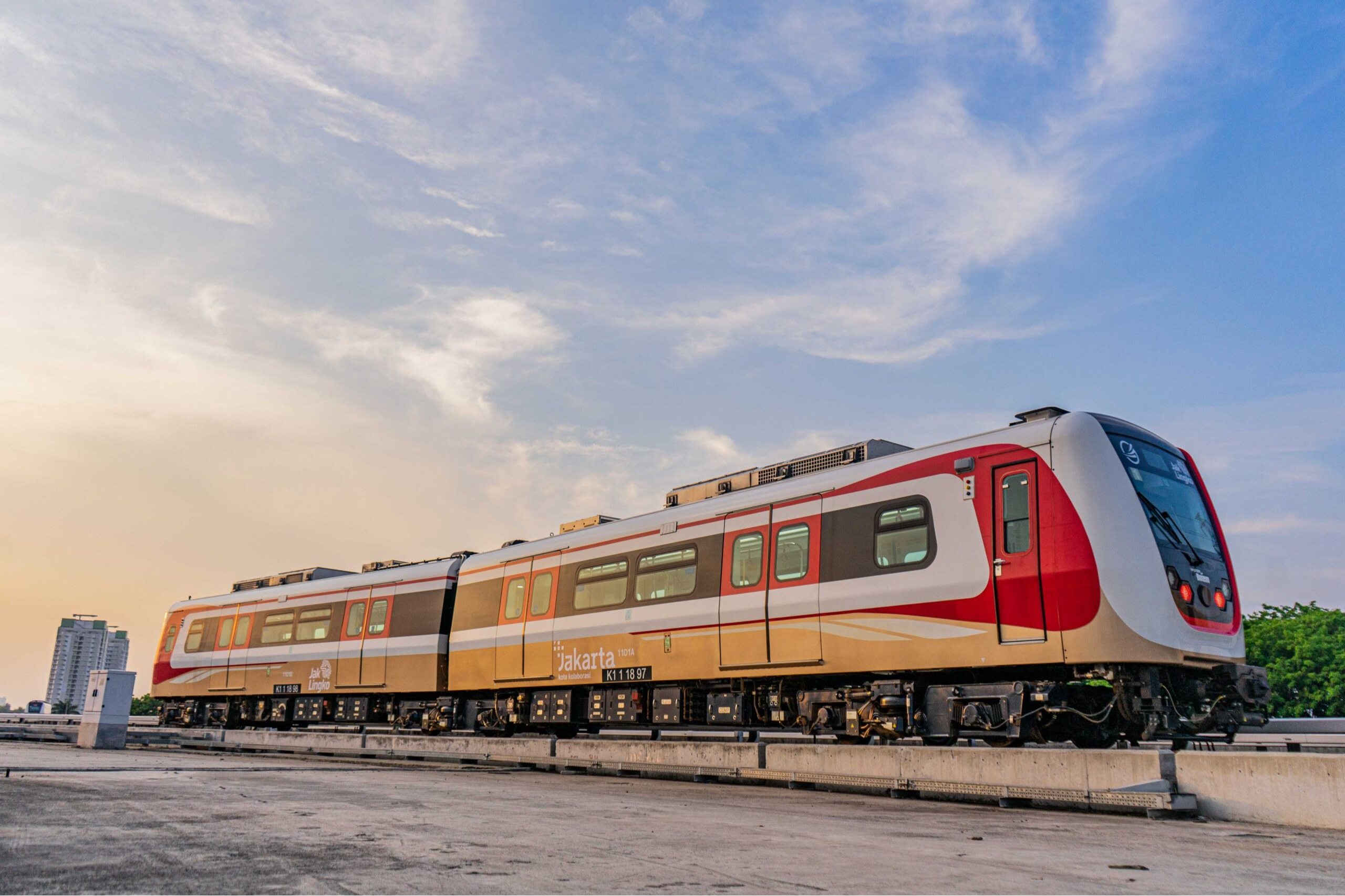
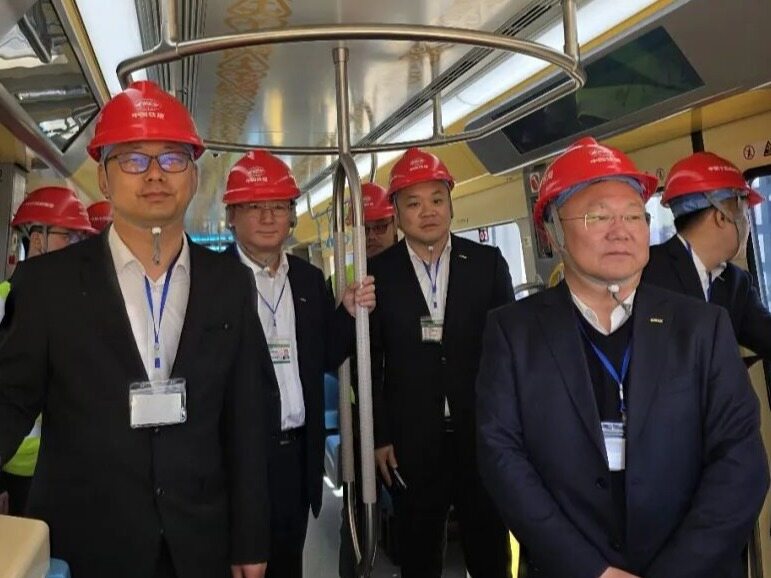
On May 16, 2026, President Tokayev of Kazakhstan officially launched the Astana light rail system. He inspected the Public Transport Unified Dispatch Center, thanked the Chinese representatives twice in Chinese, and was awarded the 001 transportation card as the first passenger to experience the journey from the airport station to the National Museum station. This marks that the landmark project of China Kazakhstan joint construction of the the Belt and Road has entered the operation stage.
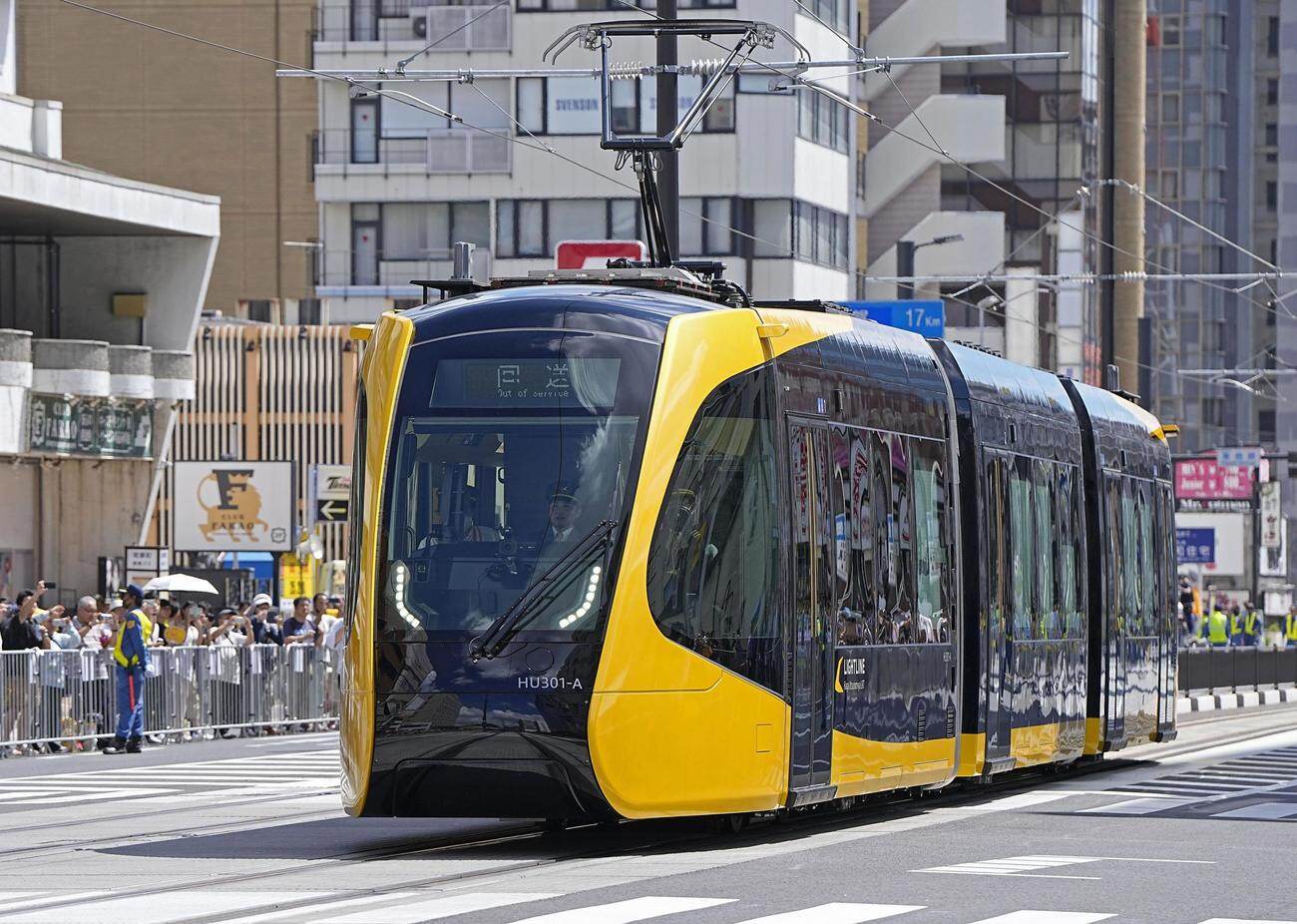
18 stations with a total length of 22.4 kilometers
The Astana LRT system is constructed by Chinese companies such as China Railway Asia Europe Construction Investment Co., Ltd., a subsidiary of China Railway Group, with a total length of 22.4 kilometers and 18 stations and 1 depot. 15 unmanned trains will be put into operation, with 4 standby trains, each capable of carrying over 600 passengers. The system adopts a fully automatic operation mode, running for about 40 minutes, with an average speed of 50 to 60 kilometers per hour and a departure interval of 5 to 6 minutes.
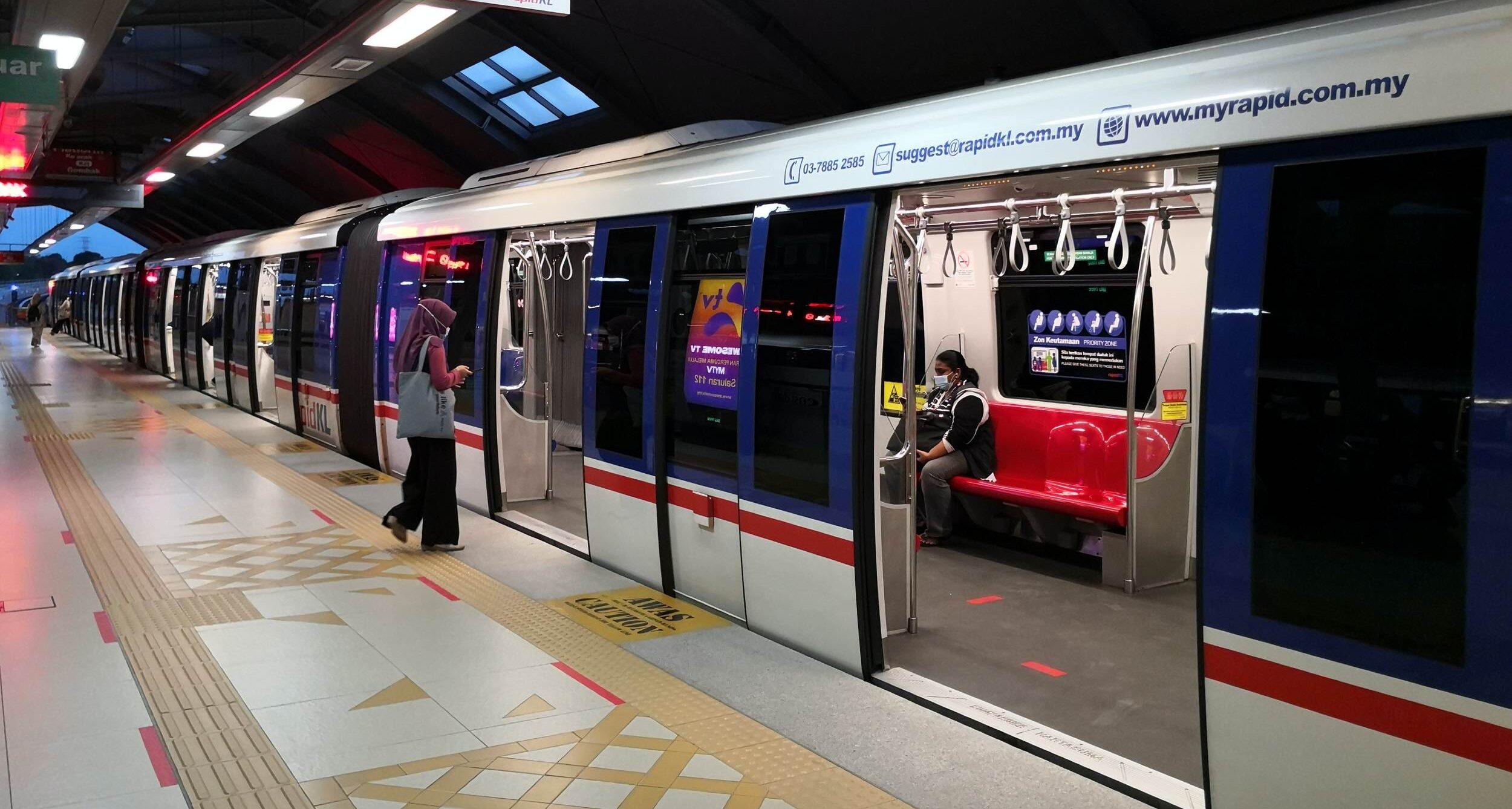
Chinese standards overcome the difficulties of extreme cold construction
This project adopts Chinese standards and equipment, overcomes the construction difficulties caused by extreme cold in the local area, and is an important practice for China's infrastructure technology to go global. Currently, 21 professionals are responsible for scheduling and monitoring. Astana plans to launch the second phase of the project, constructing 26.5 kilometers of lines and 20 stations to cover more areas. Keywords: the Belt and Road news network, China Kazakhstan cooperation, light rail infrastructure
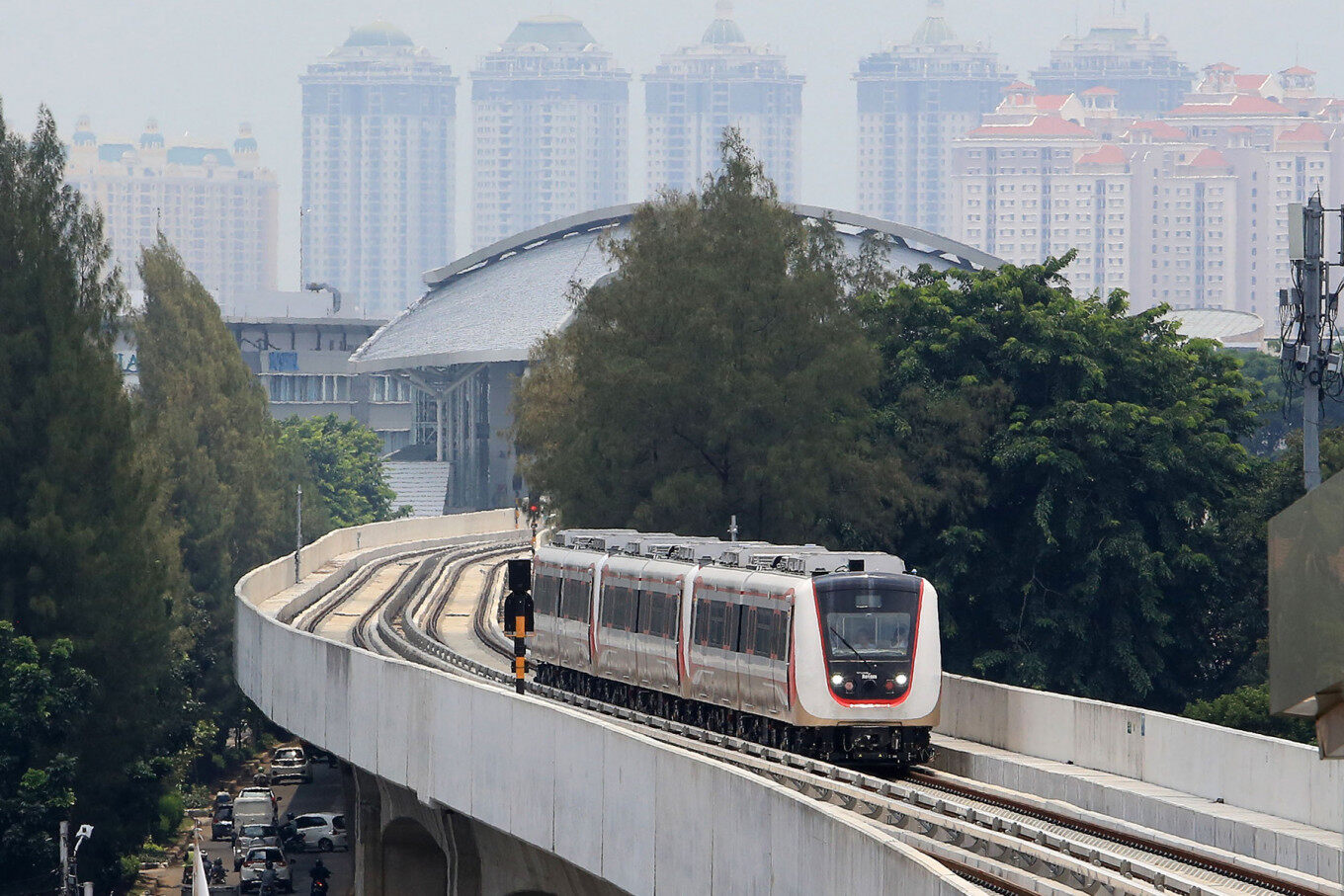
Assist Astana in building a transportation hub
The permanent population of Astana has far exceeded the initial design scale, and the traffic pressure has become prominent. The operation of the LRT project will improve the urban transportation network, shorten commuting time, help Astana build an important transportation hub on the Eurasian continent, drive the development of the city's economy and related industries, and lay the foundation for Chinese enterprises to expand into the Central Asian infrastructure market.Editor/Gao Xue
Comment



 Praise
 Collect
 Comment

 Share
Share


Write something~