 Search


- In May 2026, the traffic volume in the Strait of Hormuz plummeted by 90%, and freight rates soared to $4131
- The freight volume at ports in northern China has surged by 121%, and land routes are accelerating their rise
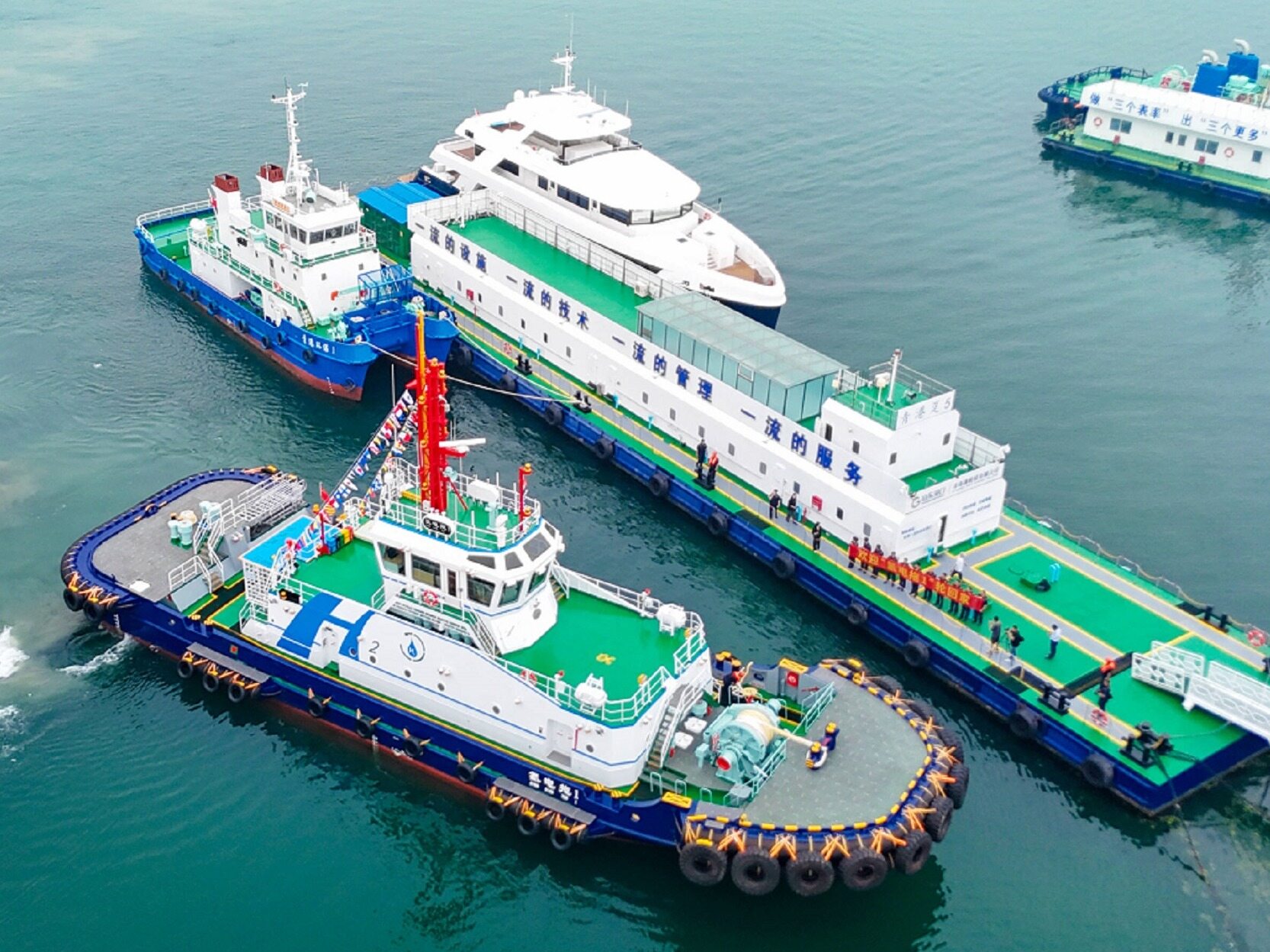
In May 2026, the Strait of Hormuz has been under blockade for several months, and this throat passage that carries about 20% of global oil trade is almost paralyzed - with less than 10 daily navigable ships, traffic volume plummeting by more than 90%, and about 860 large commercial ships stranded in the bay.
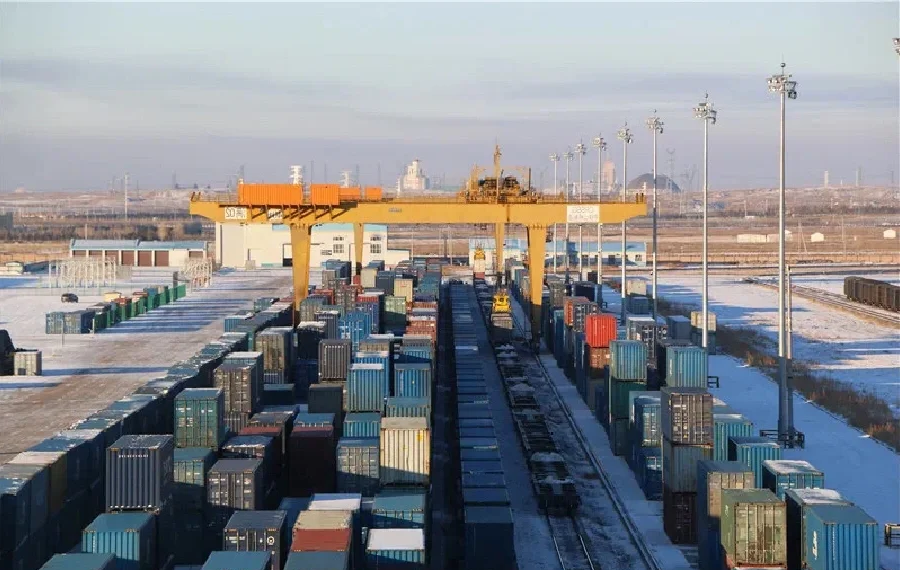
Shipping giants collectively abandon traditional routes and turn to multimodal transportation of sea freight and land bridges. The freight rate of a 20 foot container on the Shanghai Gulf route soared from $980 before the conflict to $4131, breaking the historical record of $3960 during the COVID-19 epidemic. As of mid May, about 15% of global container trade has been forced to switch to land bridge alternative routes, and the speed of supply chain restructuring has far exceeded expectations.
Saudi trucks support logistical miracle
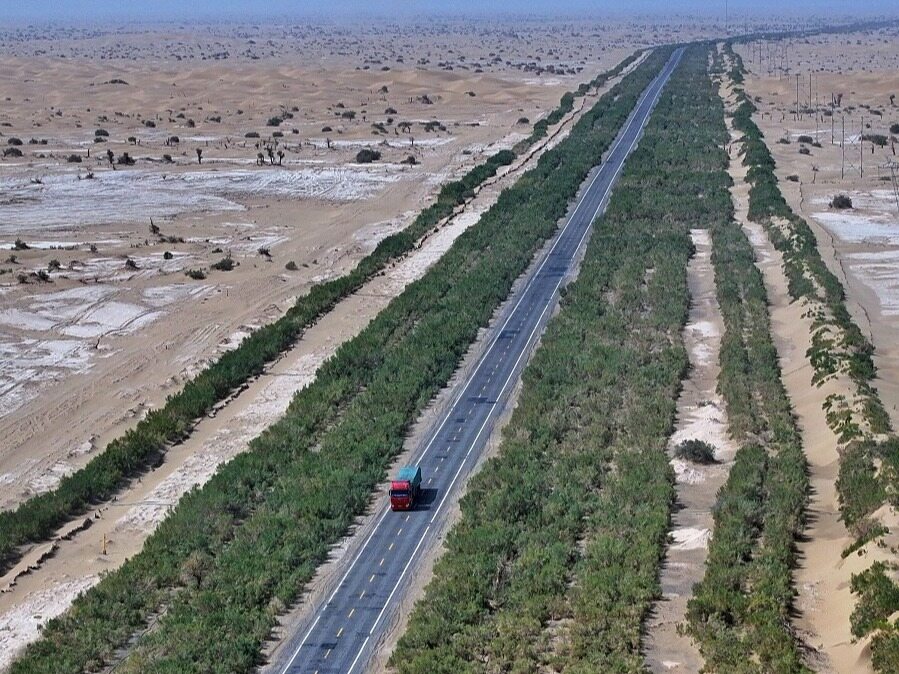
On the ground in Saudi Arabia, the national mining company has expanded the number of cross-border trucks from 600 to 3500. The demand for road transportation capacity in Jeddah region is 4 to 5 times the supply, and the one-way freight cost has skyrocketed from 4000 Saudi riyals to 21000 riyals. The Khorfakan Port in the United Arab Emirates has become the biggest winner, with daily truck traffic surging from 100 to 7000 and weekly container handling capacity skyrocketing from 2000 to 50000, earning the industry the nickname of the Saudi logistics miracle. CRU analyst Peter Harrison commented, "This is an experiment of rewriting shipping rules with trucks
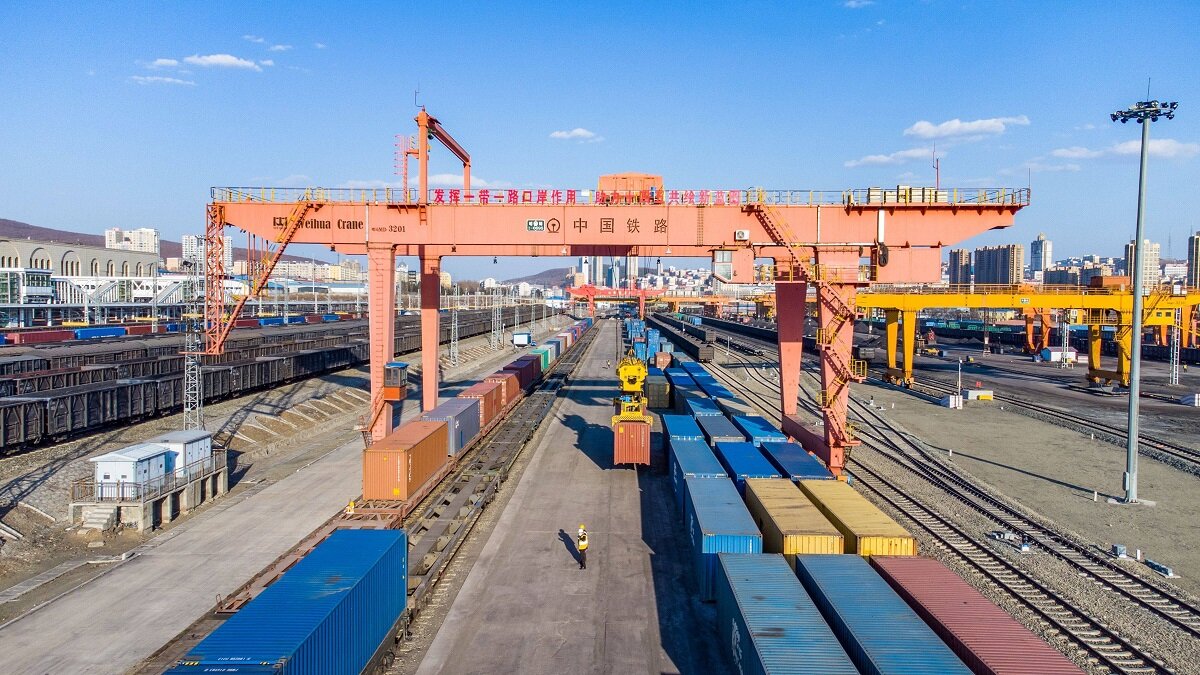
As trucks in the desert work day and night, China's northern border ports are experiencing historic busyness.
Record breaking freight volume at land ports
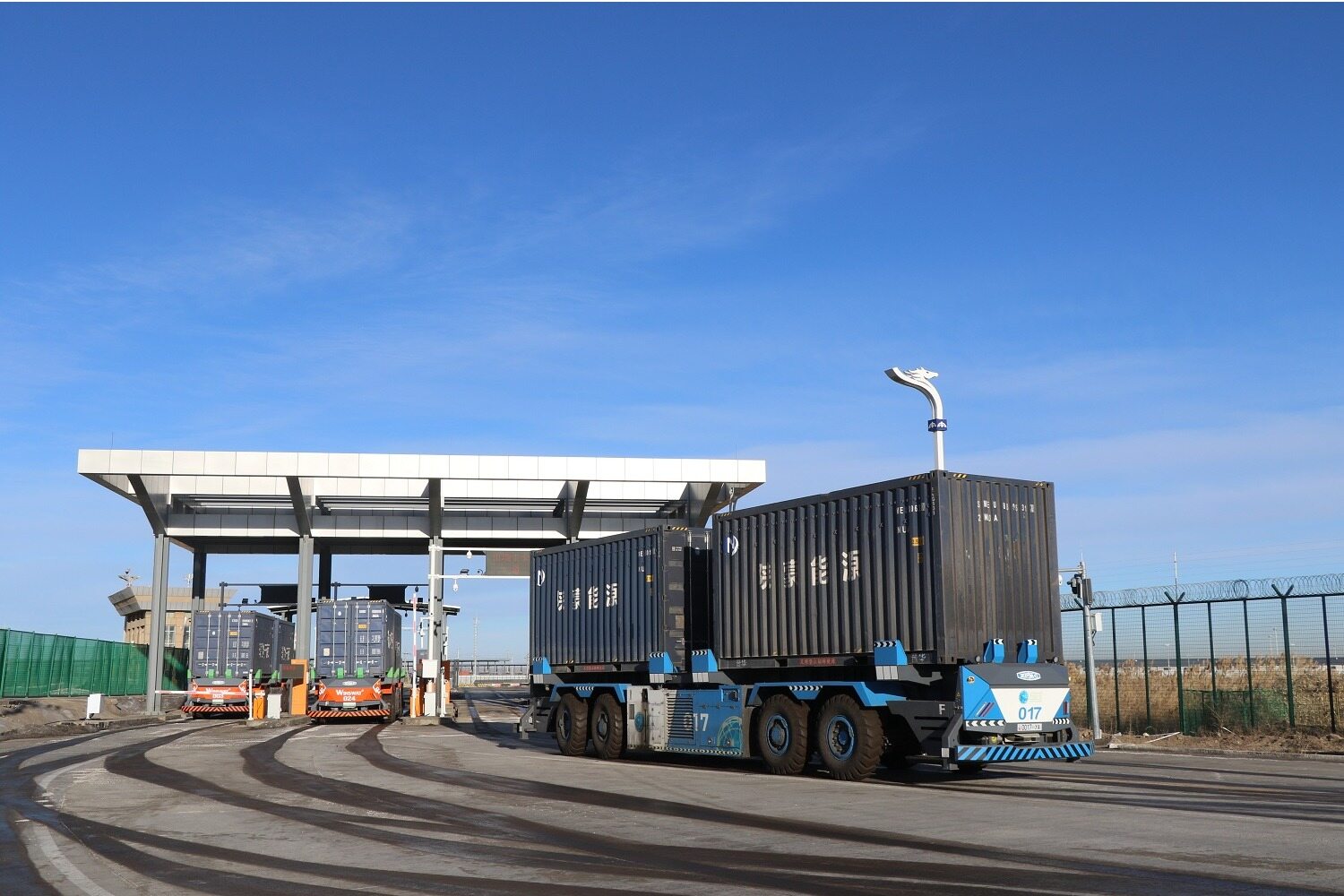
The freight volume of Ganqimaodu Port from January to April reached 18.391 million tons, a year-on-year increase of 53.4%. AGV unmanned vehicles completed customs clearance in 30 seconds, accounting for about one-third of the total freight volume of Inner Mongolia's land ports. As of May 6th, the cumulative throughput of goods at Mandula Port has exceeded 5 million tons, a year-on-year increase of 121%, achieving the six-month target 55 days ahead of schedule. The daily customs clearance capacity has been increased to 80000 tons.
Since the implementation of 24-hour customs clearance at the Irkeshtam Port, the cargo volume will reach nearly 3.1779 million tons and the value of goods will exceed 100 billion yuan by 2025, causing drivers to sigh with "basically zero waiting". Turgat Port is currently undergoing all-weather operation and renovation, and both China and Kyrgyzstan have reached a consensus on increasing liaison officers and optimizing congestion response. Keywords: freight, Strait of Hormuz, land route
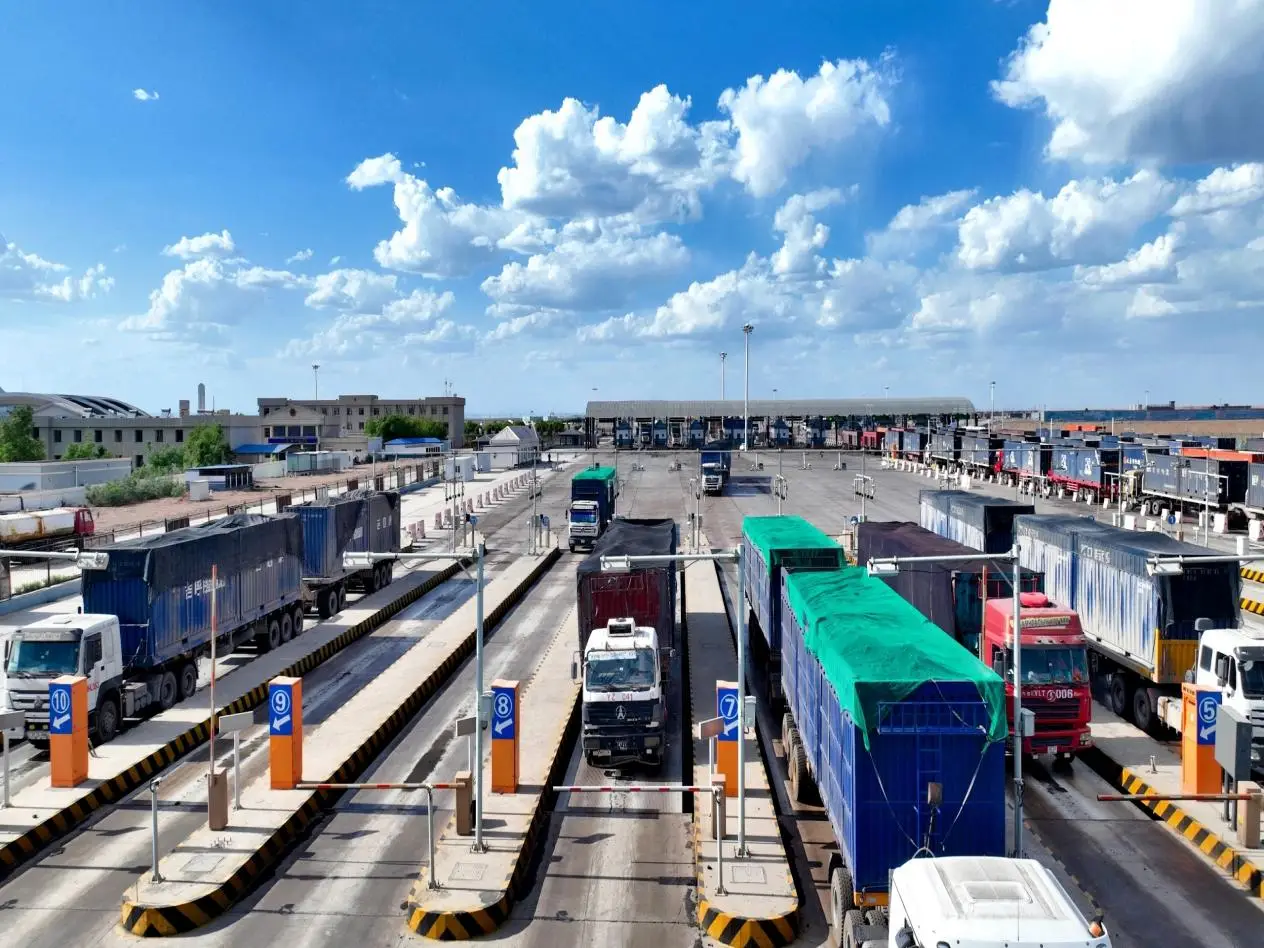
In the first quarter of 2026, China's railway and road intermodal freight volume in the Middle East and North Africa direction increased by 38% year-on-year, and the land route is being upgraded from an alternative plan to a strategic backbone. This logistics revolution from desert to grassland is not only an emergency response to sudden crises, but also a deep signal of the global supply chain's transition from efficiency first to resilience first - when the ocean is no longer reliable, land routes are rewriting the rules.Editor/Cheng Liting
Comment


 Praise
 Collect
 Comment

 Share
Share


Write something~