 Search


- Cross border electronic signature mutual recognition of the Russia Belarus alliance has entered the practical stage

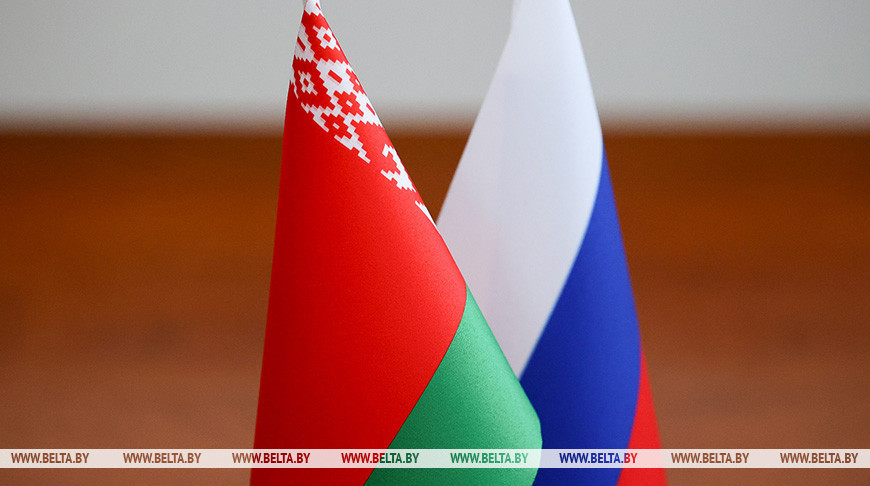
A cross-border video conference between Minsk and Moscow in May is reshaping the digital border between Russia and Belarus. Under the convening of the Information Policy, Information Technology, and Communication Committee of the National Assembly of the Russian White Union, officials from the digital regulatory authorities of both countries stared at the screen, focusing on discussing how to allow data to flow freely between the two countries. This is not only a technical docking, but also a crucial step towards deep integration between the two countries in the fields of economy and technology.
Electronic signatures are the first to break the ice
The core focus of the meeting was on mutual trust in cross-border digital identities. Anton Alexeyev, Deputy Minister of Communications and Information Technology of Belarus, informed the attendees of the latest progress. At present, the corresponding departments of the two countries have signed two specific roadmaps aimed at achieving mutual recognition of electronic digital signatures and the exchange of legal effects of electronic documents. This work has been carried out for two months and is steadily advancing in two stages, with a focus on verifying the feasibility of mutual recognition and the carrying capacity of the system. At present, both parties have jointly identified the problem and are carrying out rectification.
For Belarus, the implementation of this technology has very practical considerations. Alekseyev clearly stated that the top priority of the current work is to promote the smooth participation of Belarusian suppliers in bidding activities within Russia. According to the plan, Belarus will complete the trial operation of the relevant technology platform before September 1, 2026, and achieve regular participation in Russian bidding by the end of that year.

Government services will not be merged temporarily
In addition to digitalization in the business sector, the conference also delved into the possibility of integrating government service platforms between the two countries. However, the reality is more complex than expected. Alekseyev, based on existing data analysis, pointed out that due to significant differences in platform functions between the two countries, there are currently no conditions for comprehensive integration.
Therefore, both sides have proposed a more pragmatic transition plan. Bai Fang suggests prioritizing the integration of high-frequency single services used by the public to address the most urgent needs; The Russian side proposed to study and draft an intergovernmental agreement to establish a mutual trust mechanism for government information resources between natural and legal persons in the two countries, including mutual recognition of government service platform accounts. This progressive strategy aims to avoid large and comprehensive system integration risks.

Joining forces to lay out artificial intelligence
While consolidating digital infrastructure, the two countries have also turned their attention to cutting-edge technology. The meeting proposed that detailed cooperation recommendations should be developed around the application of artificial intelligence in key fields such as healthcare, industry, trade, and unmanned traffic control systems. The chairman of the committee, Igor Lutsky, revealed that parliamentary hearings will be held in the future to further expand the scope of discussion, with a particular focus on the potential applications of artificial intelligence in the humanities.
In addition, the attending parties also exchanged views on joint research and development of information and communication technology, as well as the production of high-end communication equipment. Everyone agrees that in the current international environment, Russia and Belarus have significant potential for cooperation in the field of import substitution. During the meeting, representatives also specifically mentioned the propaganda work of the media of the alliance countries, emphasizing the need to do a good job in reporting on the "Great Heritage, Common Future" international forum in Brest and the 13th Russia Belarus Regional Forum in Minsk.Editor/Yang Meiling
Comment




 Praise
 Collect
 Comment

 Share
Share


Write something~