 Search


- China's NPT and Nigeria localize CNG and EV infrastructure, targeting 1 million e-vehicle conversions and 37,000 engineers
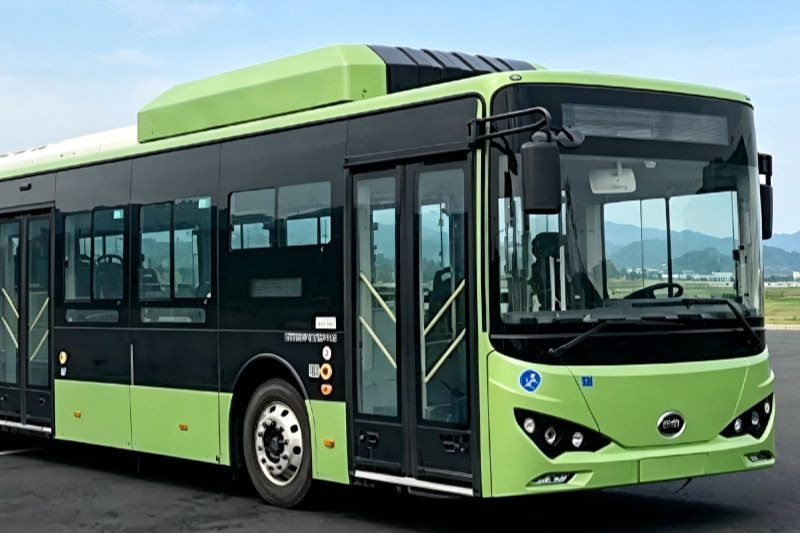
Recently, with the support of the Chinese government, China New Energy Technology (NPT) and the Nigerian Federal Government reached a strategic cooperation agreement, officially launching a localization manufacturing project for CNG and electric vehicle infrastructure. Nigerian Vice President Shetima witnessed the signing ceremony. The two sides completed consultations at the Presidential Palace in Abuja, focusing on self-sufficiency in production capacity, technology transfer, and talent cultivation, aiming to help Nigeria reduce its dependence on imported equipment and accelerate its green transformation in transportation energy.
According to the quantitative plan, the two sides will launch 10 chip engineering vehicle projects within three years, establish an electronic chip industry chain, complete the electrification of 1 million fuel-powered tricycles, and build 10,000 charging and battery swapping stations, which is expected to create 40,000 to 50,000 new jobs. Supporting talent programs include training 1,000 local technicians in each state, sending 100 people to China for further study, and cumulatively training over 37,000 local engineers. The Chinese side will send a core technical team to provide long-term on-site support.
Nigeria has a population of 240 million, with an average age of 21.4 years. Residents' transportation expenditure accounts for 15% to 25% of their daily income, placing a heavy burden on them. The government has implemented a mandatory procurement policy for CNG vehicles for official use, but the lack of local new energy equipment manufacturing, chip supply, and technical talent means it heavily relies on imports. This cooperation precisely fills this gap, providing support for unleashing the demographic dividend and boosting the transportation economy. Keywords: Interconnectivity, CNG and electric vehicle infrastructure, green transportation transformation
This cooperation is a key strategic move by NPT to deepen its presence in the African new energy market. The company has moved beyond a simple equipment export model, deeply integrating with Nigeria's energy transition strategy through localized factory construction, supply chain development, and public welfare talent training. This move not only helps the local area complete its clean energy transportation industry loop and reduce logistics costs, but also leverages Nigeria's market advantages to secure a foothold in Africa's blue ocean of new energy infrastructure, setting a benchmark for Sino-African green production capacity cooperation. Editor/Sunyaxin
Comment



 Praise
 Collect
 Comment

 Share
Share


Write something~