 Search


- This breakthrough marks the accelerated formation of the Asia Europe logistics corridor
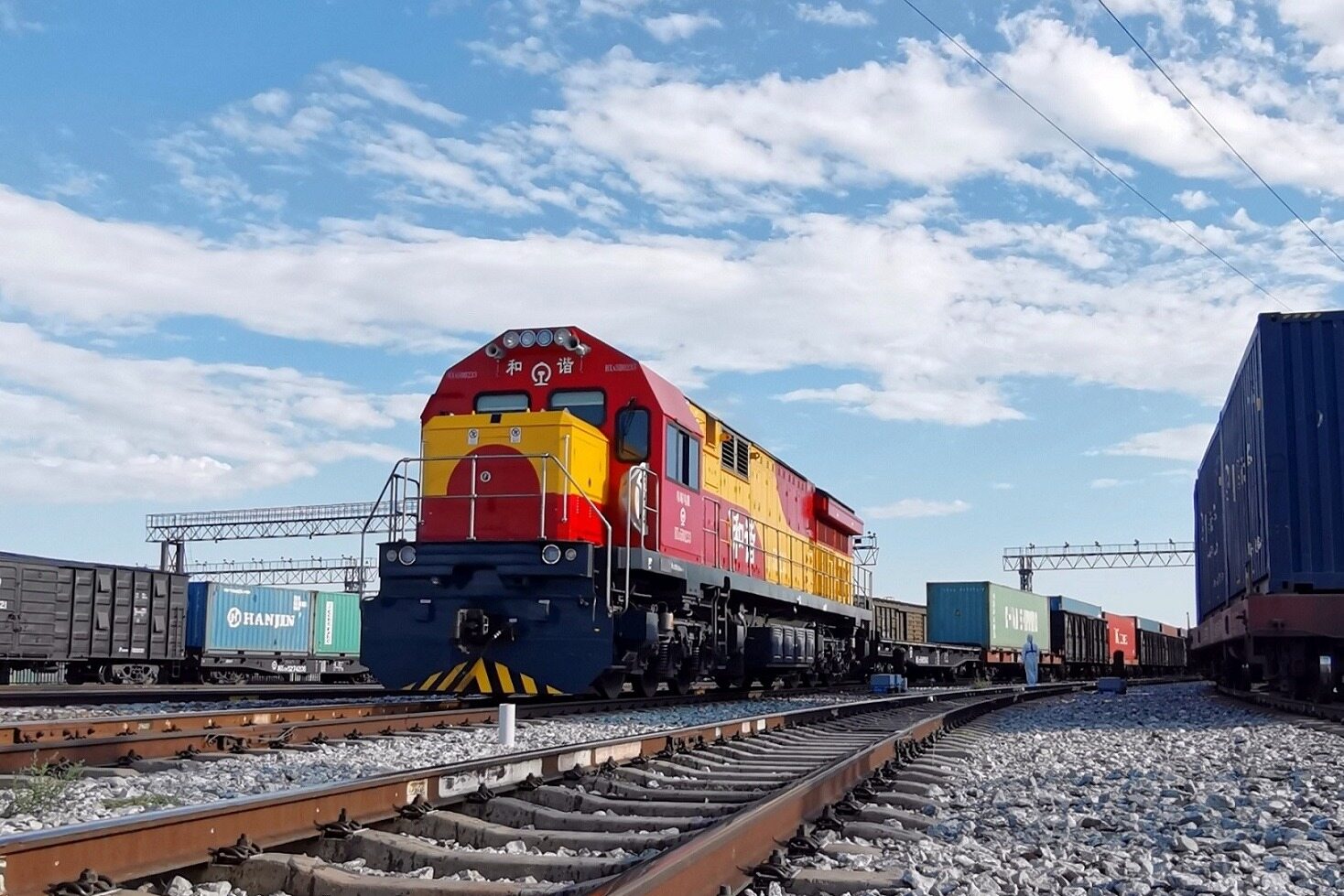
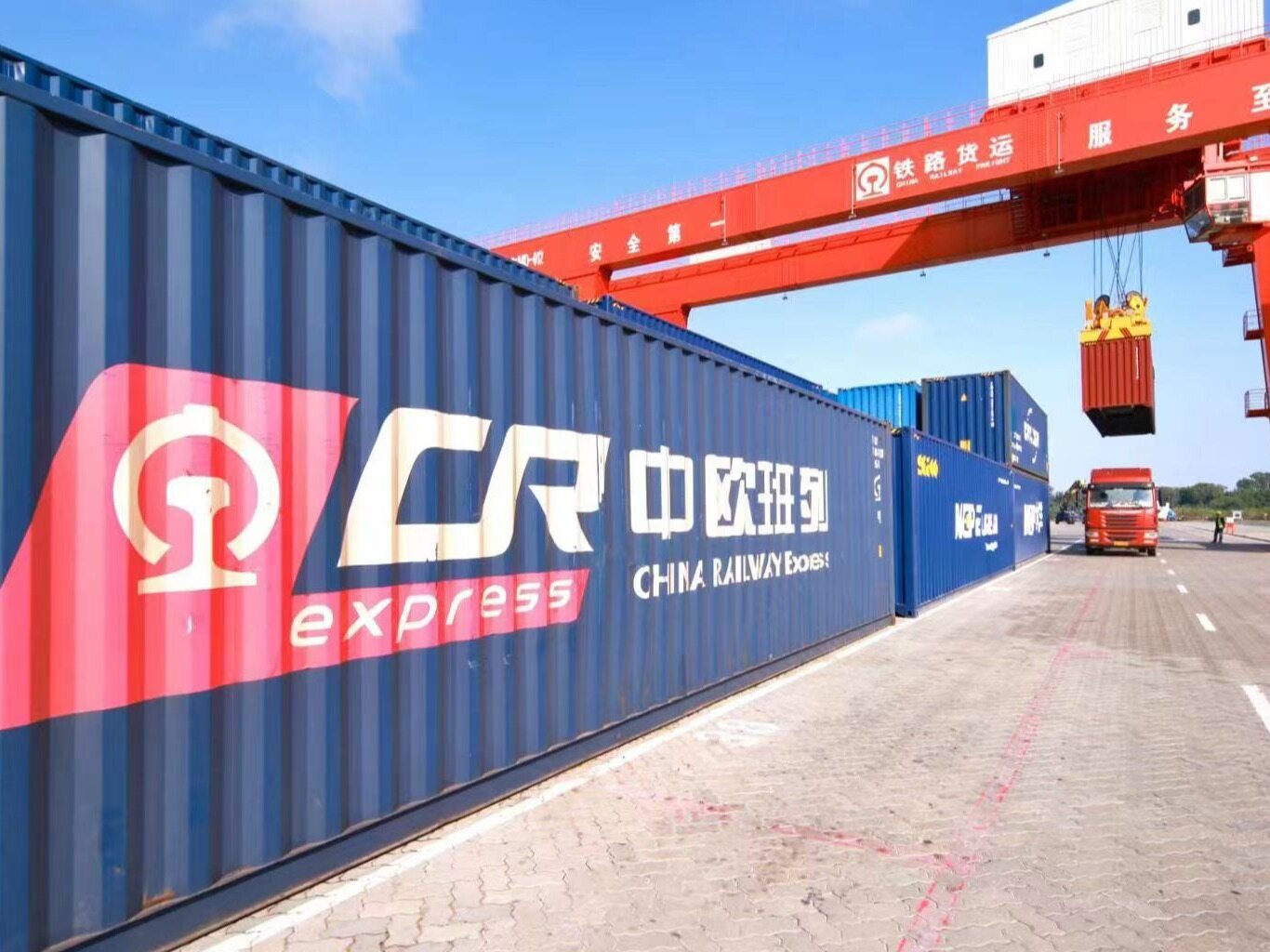
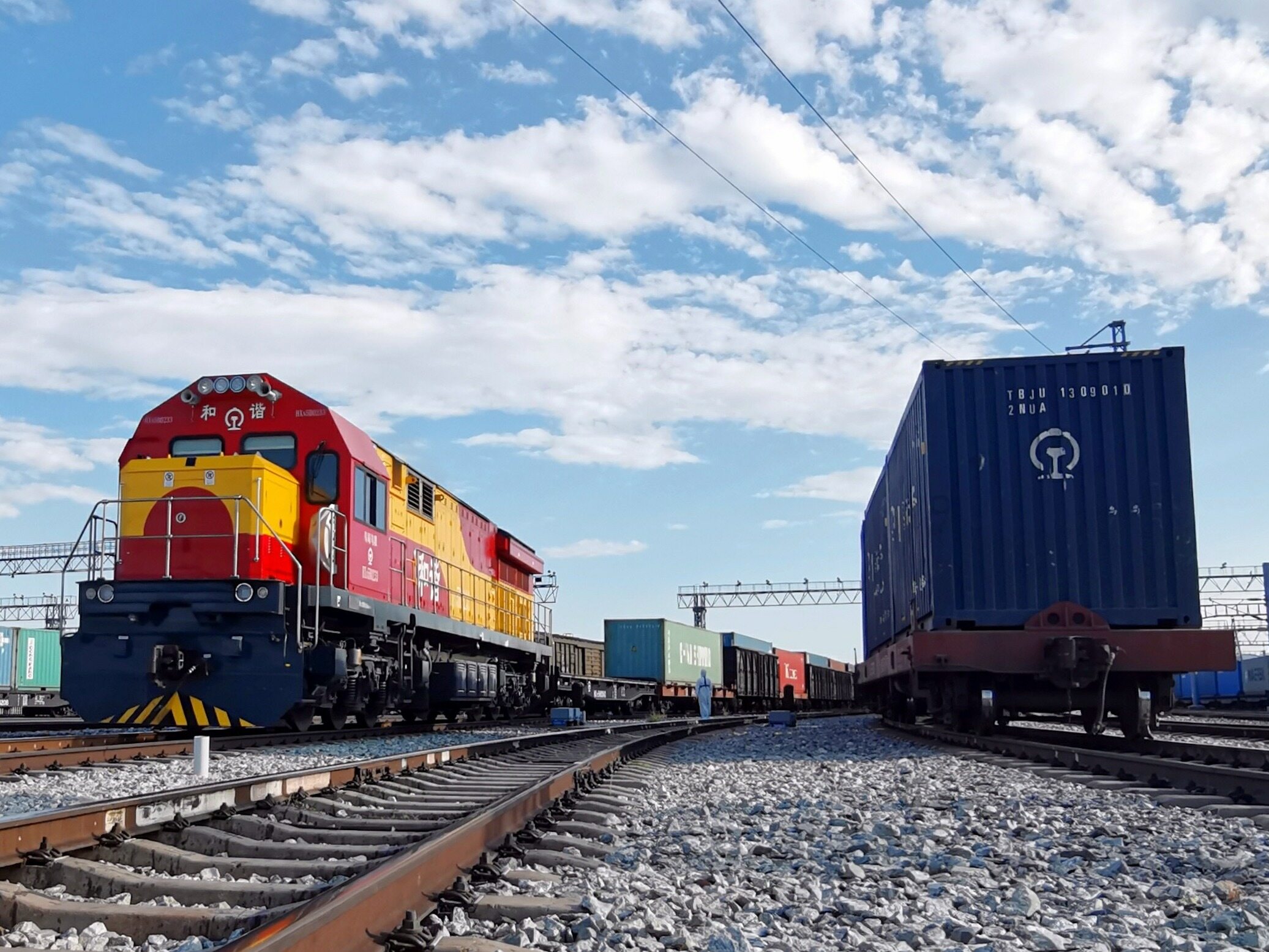
When the PVC train on the Qinghai Tibet Plateau is heading for Vietnam in the morning light, thousands of miles away from Khorgos Port, the China Europe Express is roaring through the country's gate. On May 27, 2026, the Chinese railway wrote two sections of history at the same time on that day: the first international train of the Qinghai Tibet Group directly to Vietnam blew its whistle and set off, and the Khorgos Port this year passed the 4000 mark for China Europe Central Asia trains. The resonance of these two channels, west and south, marks a new era of China's land opening pattern moving from a single track to a networked linkage.
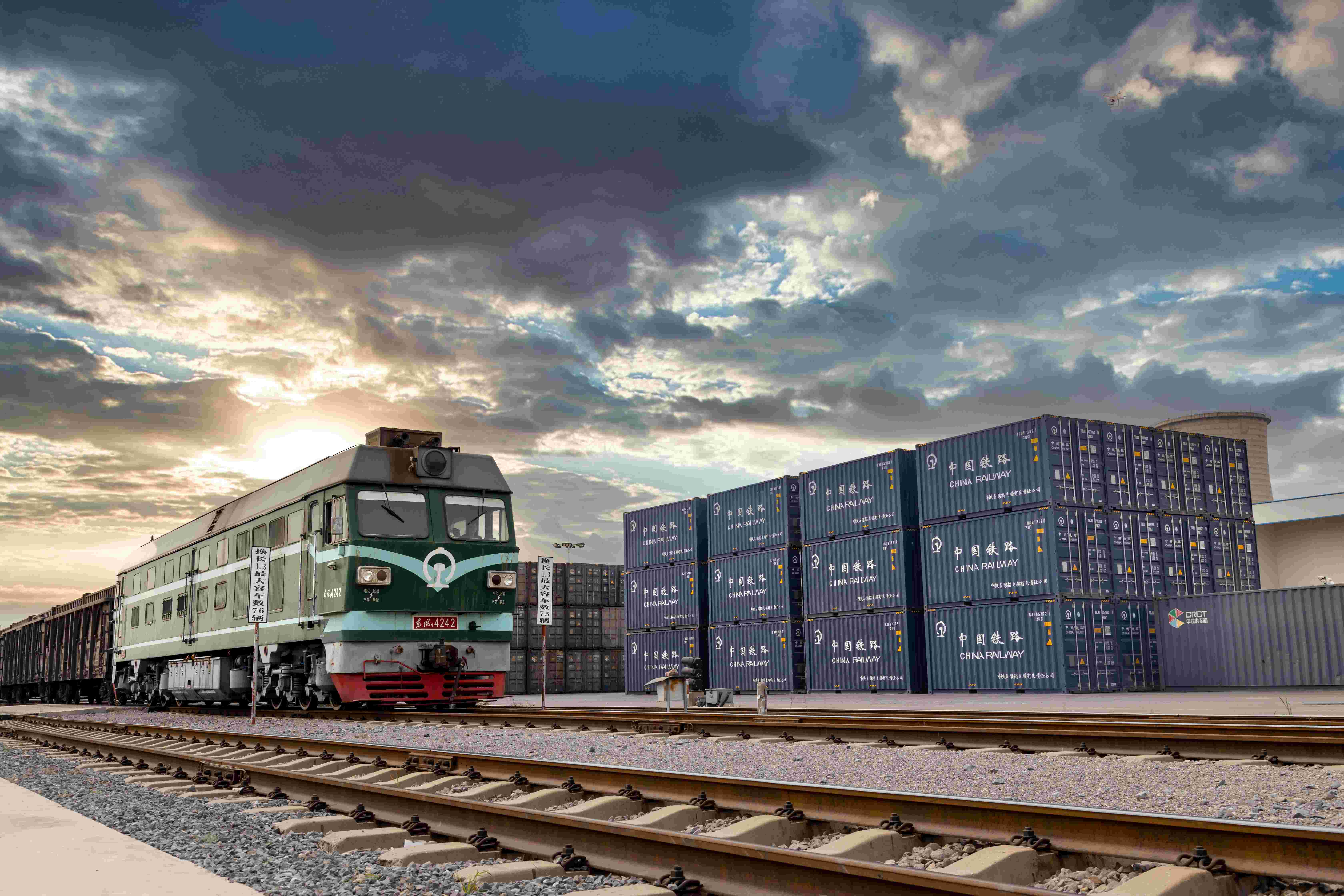
The first ASEAN train service opened in Qinghai Tibet
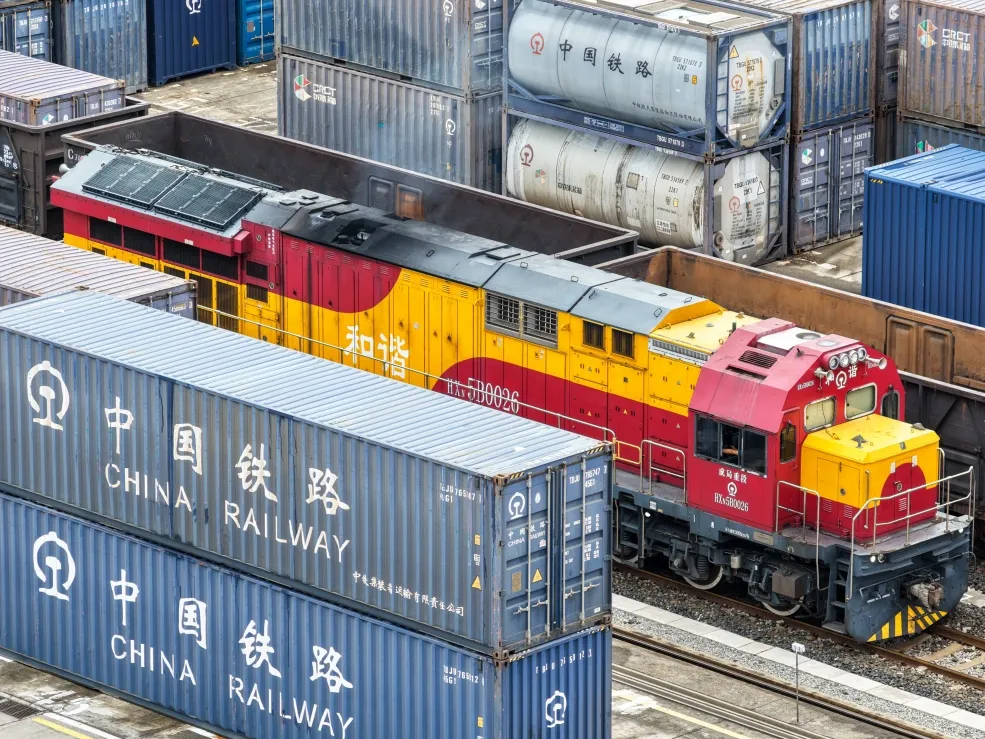
For a long time, the export of chemical products from Qinghai Salt Lake has faced the tedious process of segmented transportation and multiple loading and unloading. At 10:30 am on May 27, 2026, the 75164/3 train, loaded with nearly a thousand tons of polyvinyl chloride, departed from Shuangzhai Station, embarking on a 3200 kilometer direct railway journey. This train travels south along the Lanqing, Longhai, and Xianggui lines, exiting from Pingxiang Port and heading straight to Ho Chi Minh City. Adopting a full railway transportation mode not only eliminates the need for secondary loading and unloading at Vietnamese ports, but also doubles logistics efficiency and significantly reduces costs, paving a stable and efficient sea route for plateau products.
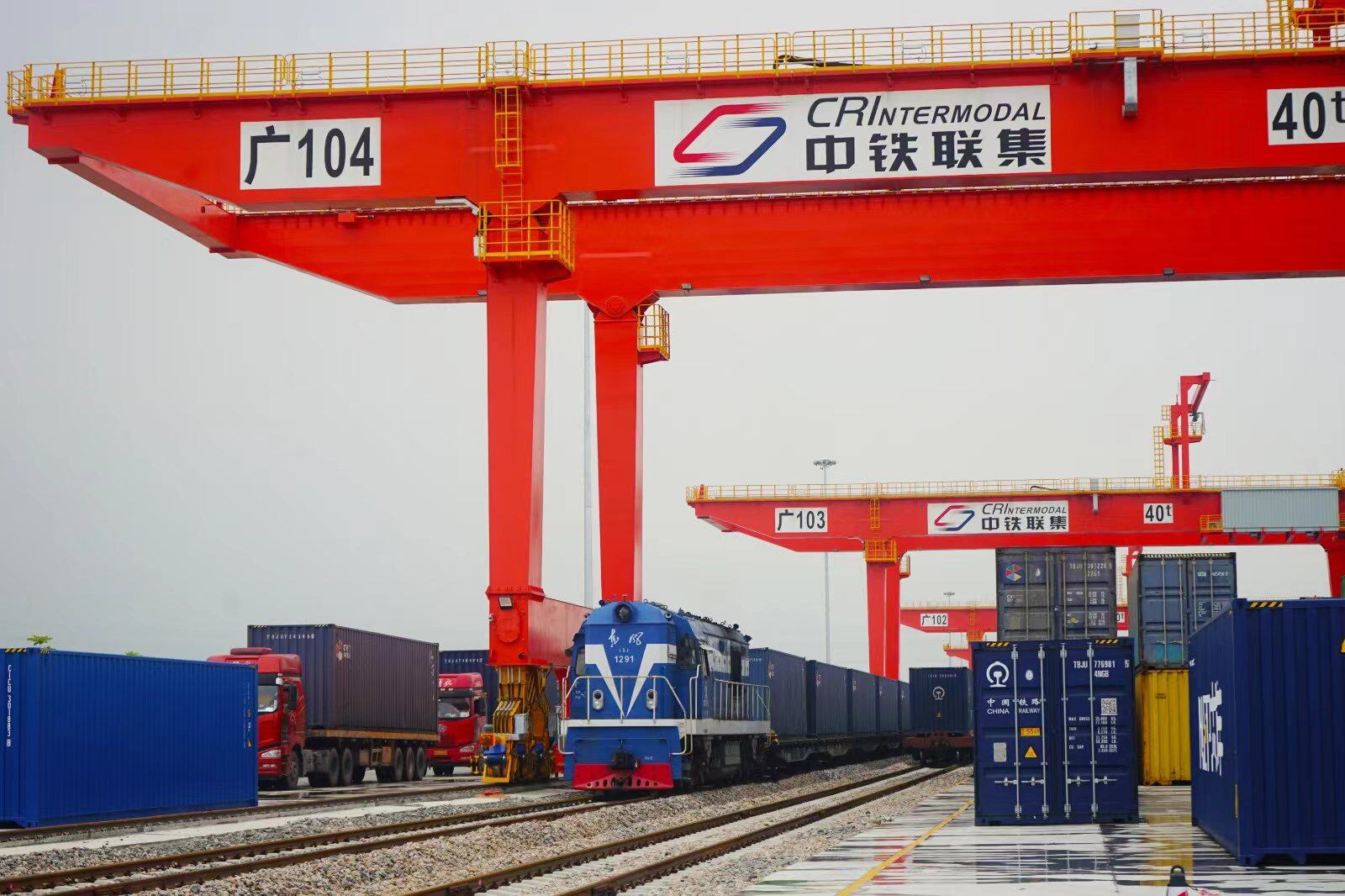
Khorgos traffic volume breakthrough
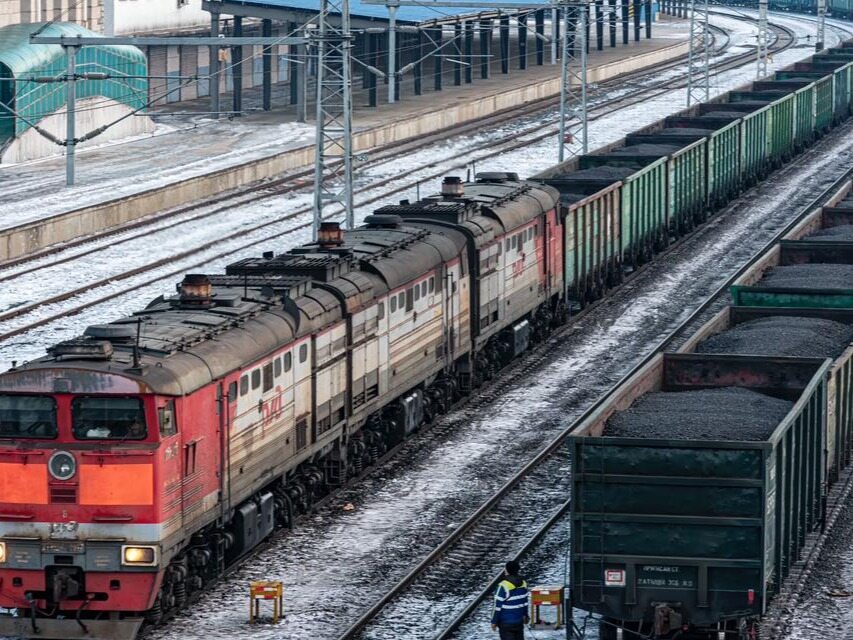
As the bridgehead of opening to the west, Khorgos Port is breaking the record at an astonishing speed. As of May 26, 2026, the number of China Europe Central Asia trains passing through the port this year has exceeded 4000. To support such a huge transportation volume, the Urumqi Railway Bureau of China Railway has expanded the maximum train formation to 55 cars and increased the traction weight to 3000 tons. By implementing the railway express mode and refined scheduling, customs and railway departments closely cooperate to significantly reduce the detention time of goods at ports, ensuring the smooth flow of this logistics artery connecting 46 cities in 18 countries. Keywords: Mainland Port News and Information, Cross border Trains
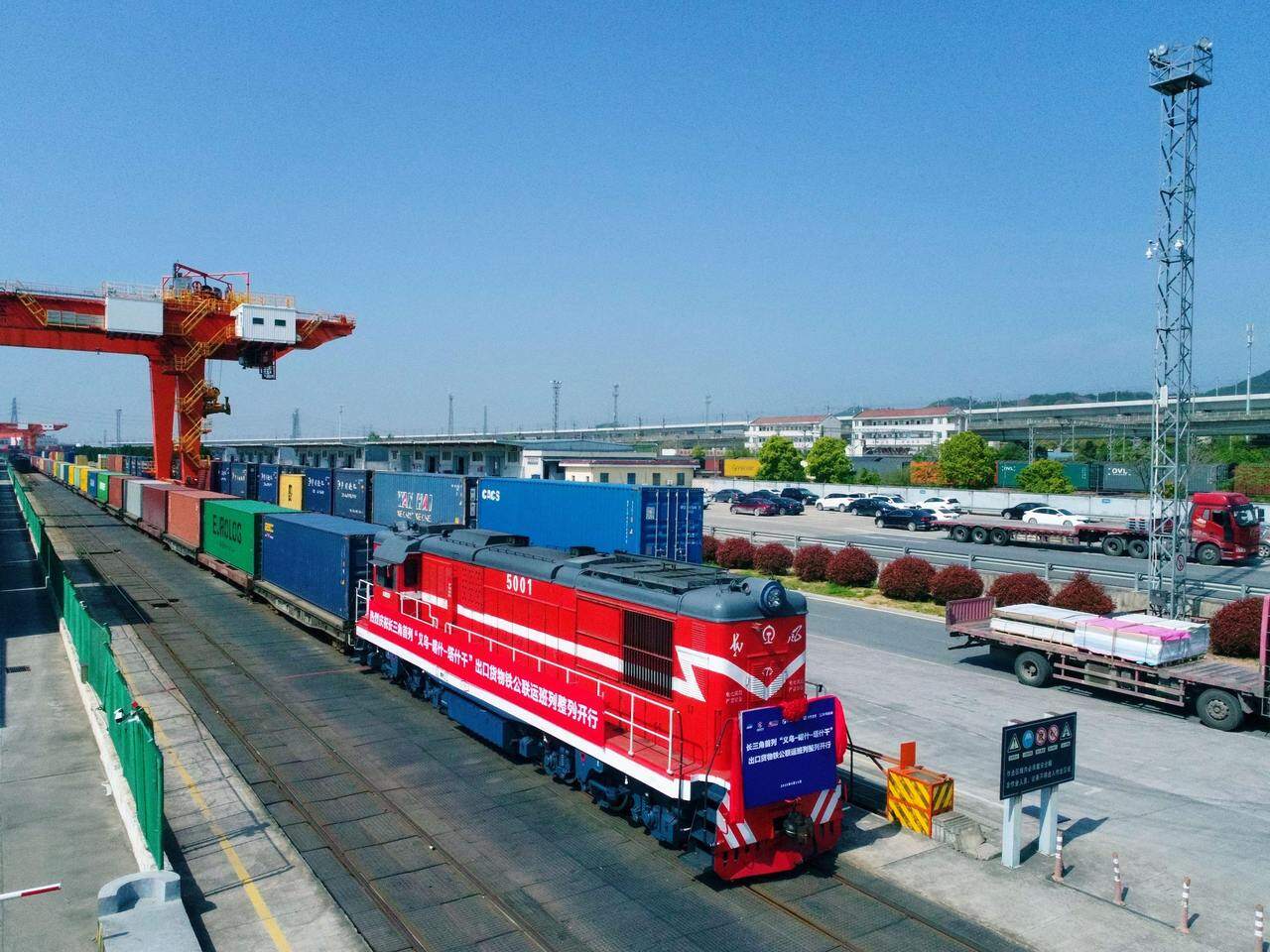
New pattern of two-way mutual aid
The breakthrough of these two major nodes is not isolated capacity growth, but a profound transformation of China's inland opening-up strategy. The Qinghai Tibet Railway Express has filled the gap of direct access to ASEAN from northwest to south, providing a new channel for Qinghai, which is not along the border, to connect the river and the sea; Khorgos's large-scale efforts have consolidated Xinjiang's core position as a gateway to Asia and Europe. China Railway is breaking the geographical constraints of its inland hinterland, connecting Europe and Asia to the west and ASEAN to the south. It is promoting the transformation of international logistics from single line operation to diversified network, and moving regional coordinated development from vision to reality.Editor/Gao Xue
Comment

 Praise
 Collect
 Comment

 Share
Share


Write something~