 Search


- China's computing power services accelerate their overseas expansion, helping to upgrade digital culture and industries
Since 2026, various products and services in the field of artificial intelligence in China have accelerated their expansion into international markets, becoming a new core driving force for promoting foreign trade economic growth. Relying on the high-quality computing resources of Shanghai Lingang, the high-precision scanning data of Angkor Wat in Cambodia is being reconstructed into a three-dimensional digital scene. At that time, people from all over the world can immerse themselves in the unique style of this world cultural heritage through digital platforms.
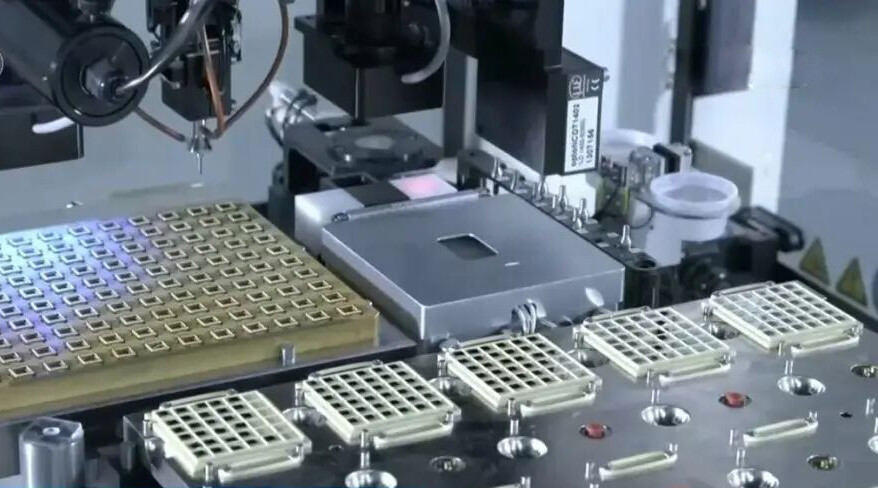
In Lingang, Shanghai, nearly 400 algorithm engineers focus on developing and training various professional large models for overseas clients, covering key areas such as autonomous driving, intelligent manufacturing, and healthcare. Relying on its advantages in electricity and computing power resources, China has successfully built a high value-added digital service system that can be circulated across borders and shared globally. While computing power services are accelerating their overseas expansion, the export performance of domestic intelligent equipment is particularly outstanding. The export volume of high-end intelligent products such as computer accessories, electronic components, industrial robots, and 3D printers continues to rise, driving China's artificial intelligence industry to steadily leap towards the mid to high end level. According to relevant data, in the first four months of 2026, China's integrated circuit exports increased by 78.3% year-on-year, industrial robot exports increased by 30% year-on-year, and 3D printer exports increased significantly by 110.4% year-on-year.Editor/Gong Ziwei
Comment




 Praise
 Collect
 Comment

 Share
Share


Write something~