 Search


- China's first commercial underwater data center officially put into operation in Lingang, Shanghai
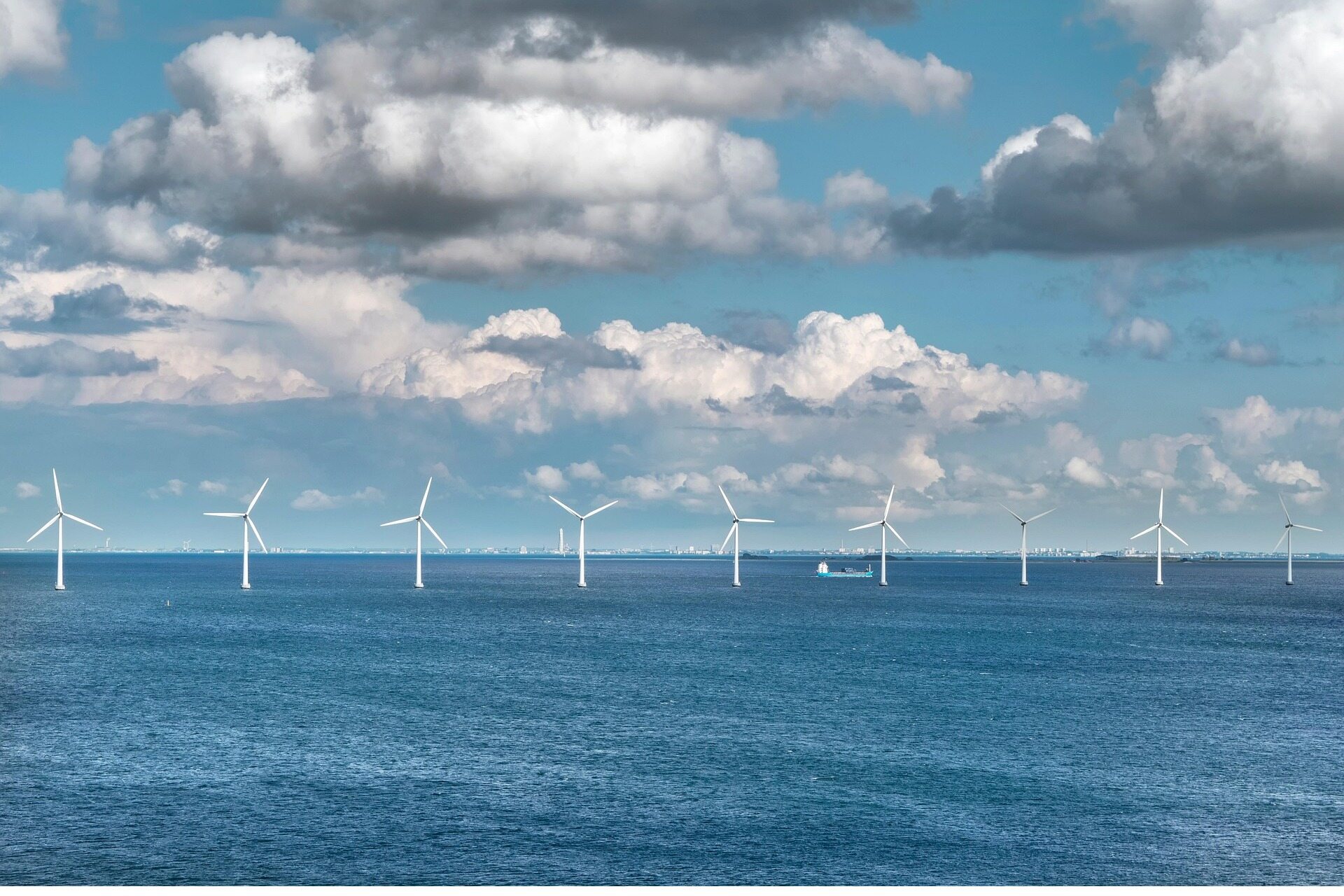
In June 2026, an underwater data center directly supplied by offshore wind power in the Lingang New Area of Shanghai officially entered full commercial operation. This is the first commercial closed-loop underwater data center project in China, with a total investment of approximately 226 million US dollars, jointly built by the Chinese government, HiCloud Technology, and state-owned operators such as China Telecom. Against the backdrop of continuously rising energy consumption pressure in global data centers, this project provides a verifiable path for the implementation of green computing power.
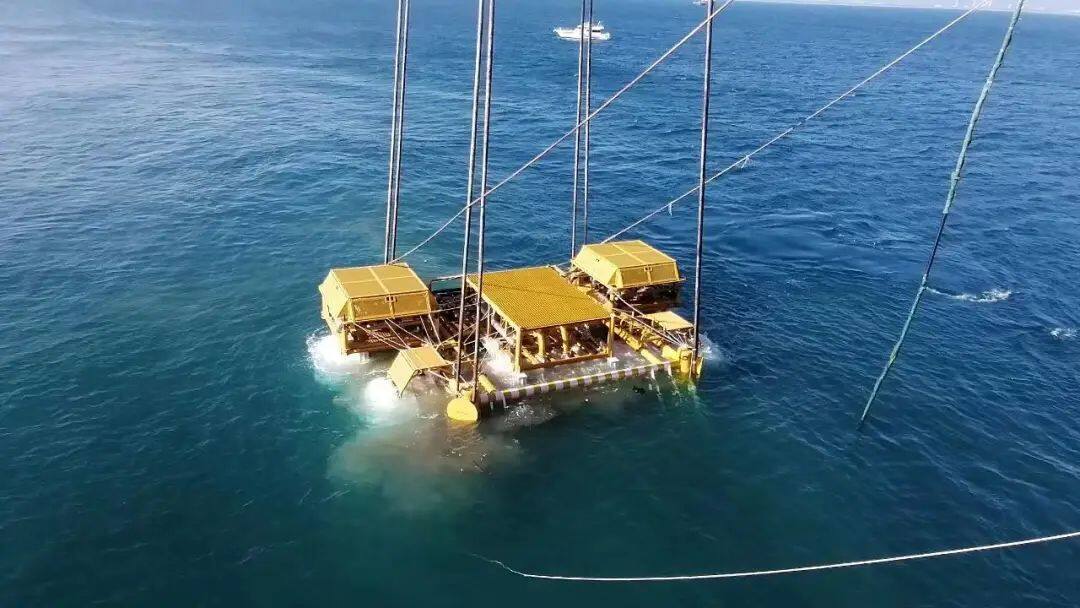
35 meters below sea level with PUE below 1.15
The data center has a total capacity of 24MW and is deployed about 35 meters below the sea surface in the vicinity of the port. The servers are sealed in pressure resistant modules and use surrounding seawater as a passive cooling system to replace traditional chillers and HVAC systems. According to Chinese media reports, its PUE is below 1.15, far better than the industry average. Electricity mainly comes from nearby offshore wind farms, achieving direct coupling between renewable energy and computing power. The project will start construction in June 2025, be completed in October, and undergo trial operation in February 2026. It was officially put into commercial use last week.
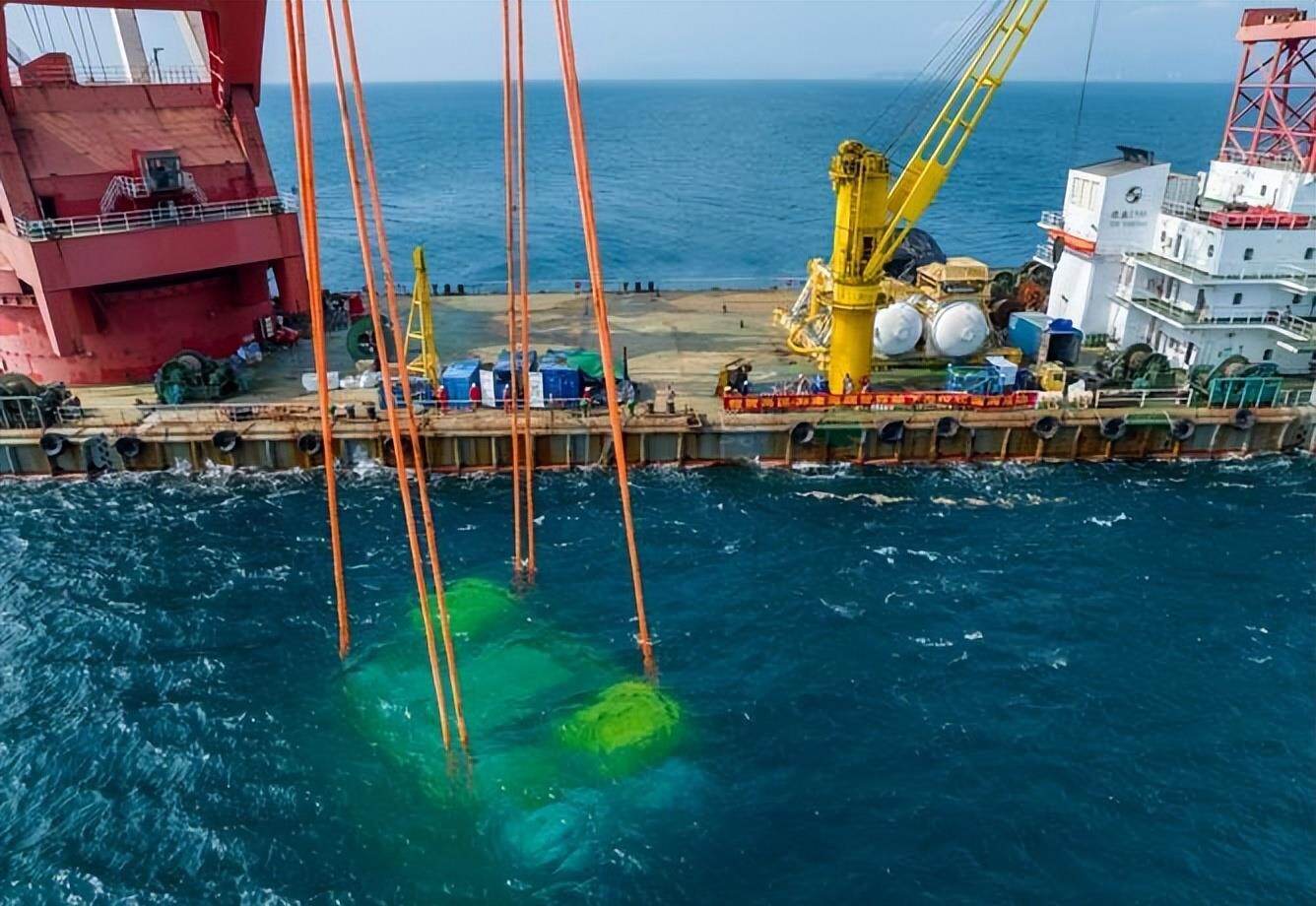
HiCloud bets on 500MW
This project is part of HiCloud's large-scale offshore wind power driven underwater data center plan, with an overall planned capacity of up to 500MW. HiCloud belongs to Highlander Group and conducted its first underwater test in Hainan in 2021, achieving its first commercial deployment in 2023, and adding 400 high-performance server modules in February 2025. Currently, HiCloud is accelerating its deployment in multiple locations, and the Hainan cluster has become its core base for technology validation and commercial operations.
The track is still expanding
Underwater data centers are not a new concept. Microsoft launched the Natick program in 2015 and piloted it in the Orkney Islands of the North Sea in 2018, but DCD confirmed last year that Microsoft had abandoned the business. Recently, Panthalassa released the Ocean-3 floating data center platform, and Aikido launched an integrated AI module offshore floating wind power platform, with the track still expanding. However, engineering challenges such as seawater corrosion, long-term sealing performance, and difficulty in replacing faulty hardware have not been fully resolved, and commercialization still requires time for verification. Keywords: New path of computing power, underwater data center
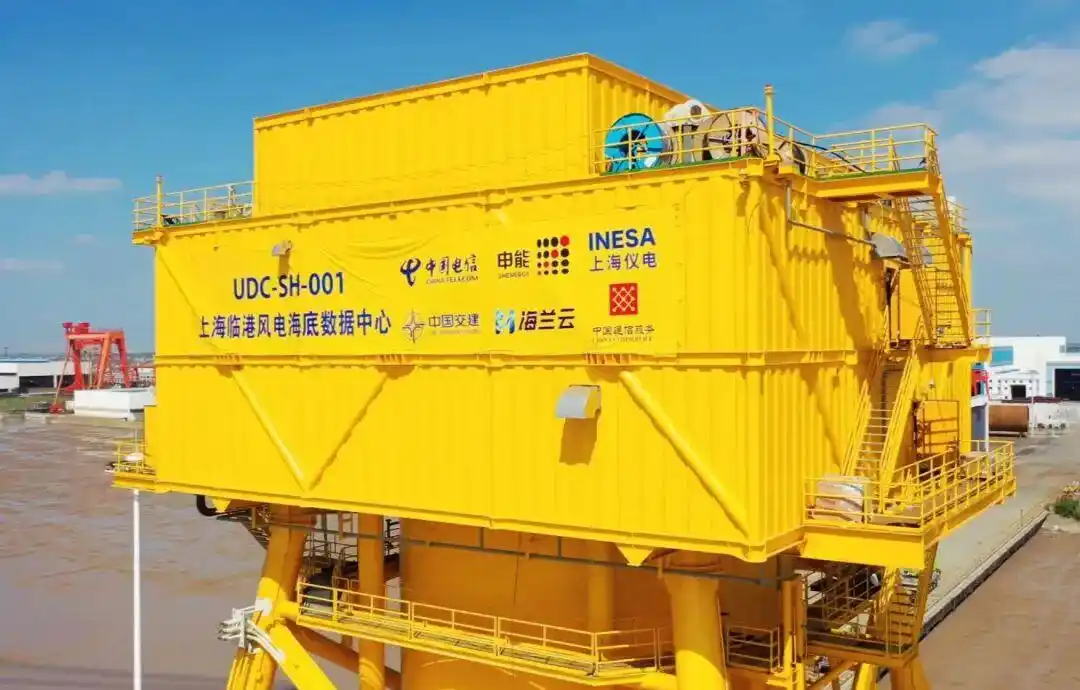
The full operation of the Lingang project marks a crucial step for underwater data centers to move from experimentation to large-scale commercial use. Driven by the surge in demand for AI computing power and the dual carbon goal, the seabed may become an important option for the next generation of computing infrastructure.Editor/Cheng Liting
Comment







 Praise
 Collect
 Comment

 Share
Share


Write something~