 Search


- Malaysia's infrastructure upgrade on a large scale continues to release a huge demand gap for imported building materials
- Multiple favorable factors have been implemented to assist Chinese domestic building materials enterprises in expanding into the Malaysian market
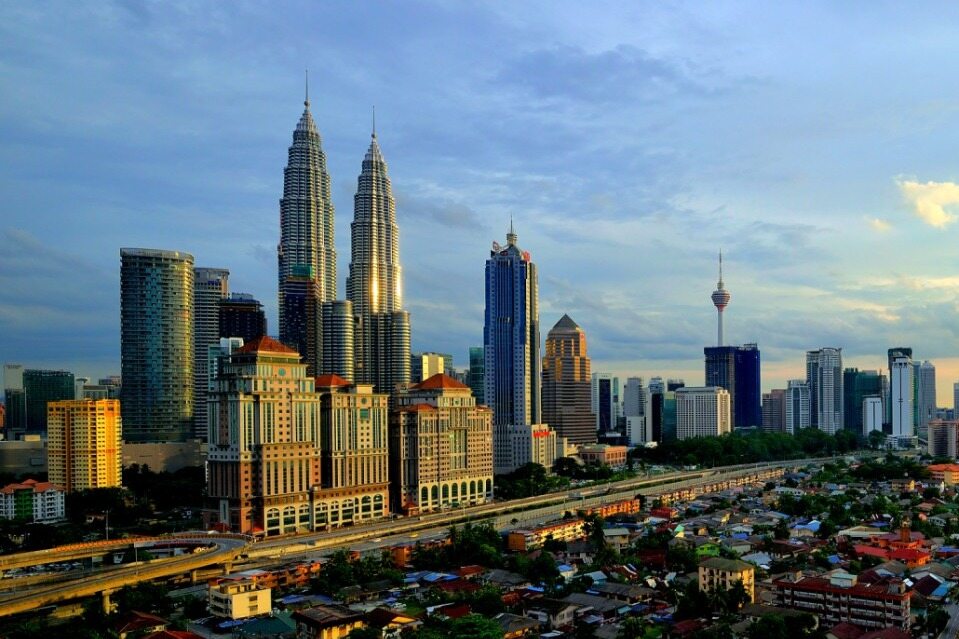
In the context of global industrial chain restructuring and accelerated regional economic integration, Malaysia has a stable business environment, sufficient reserves of ongoing construction projects, and close economic and trade exchanges with China, making it the preferred foothold for domestic enterprises to explore the Southeast Asian infrastructure market.
New Engine of Southeast Asian Infrastructure Construction
Malaysia is located in the hinterland of Southeast Asia, with the Malacca Strait as a world-class shipping hub that connects the Pacific and Indian Oceans, highlighting its geopolitical value. As an important economy of ASEAN, Malaysia ranks third in Southeast Asia in terms of economic volume and is a key node in regional economic and trade development. In recent years, the country has accelerated its economic transformation, moving away from a resource-based development model relying on oil and gas and tropical economic crops, and shifting towards a dual development path of infrastructure upgrading and digital economy.
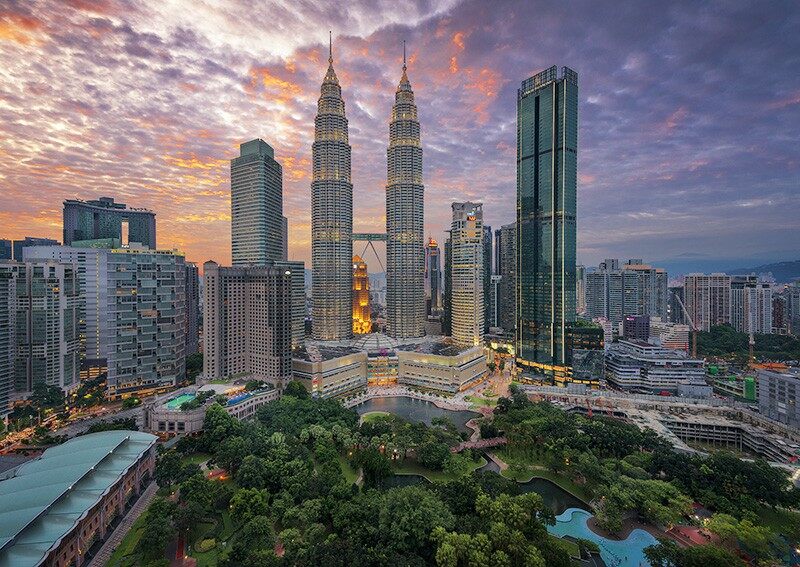
Relying on the national level large-scale investment plan, the local infrastructure industry is steadily rising. According to data from the Malaysian Department of Statistics, the total output value of the domestic construction industry in 2024 is 143.8 billion ringgit, a year-on-year increase of 5.8%. The 13th Malaysia Development Plan, which will be implemented from 2026 to 2030, has a total investment of 611 billion ringgit, equivalent to 140 billion US dollars. The funds will be mainly invested in transportation infrastructure, cross regional connectivity, new energy and livelihood projects, setting a new record for infrastructure investment in the country. The demand for various building materials in the market has increased significantly, and local supply is difficult to meet market consumption.
Three essential needs to meet the demand for building materials
Based on Malaysia's development plan, key projects such as the East Coast Railway, Kuala Lumpur Light Rail, and Port Klang West Phase II have started construction comprehensively. The construction of the East Coast Railway alone requires the consumption of 15 million tons of cement and 800000 tons of steel, with insufficient local production capacity and a reliance on imported raw materials. Penang's new airport and comprehensive flood control project have started simultaneously, further widening the gap in imported building materials.
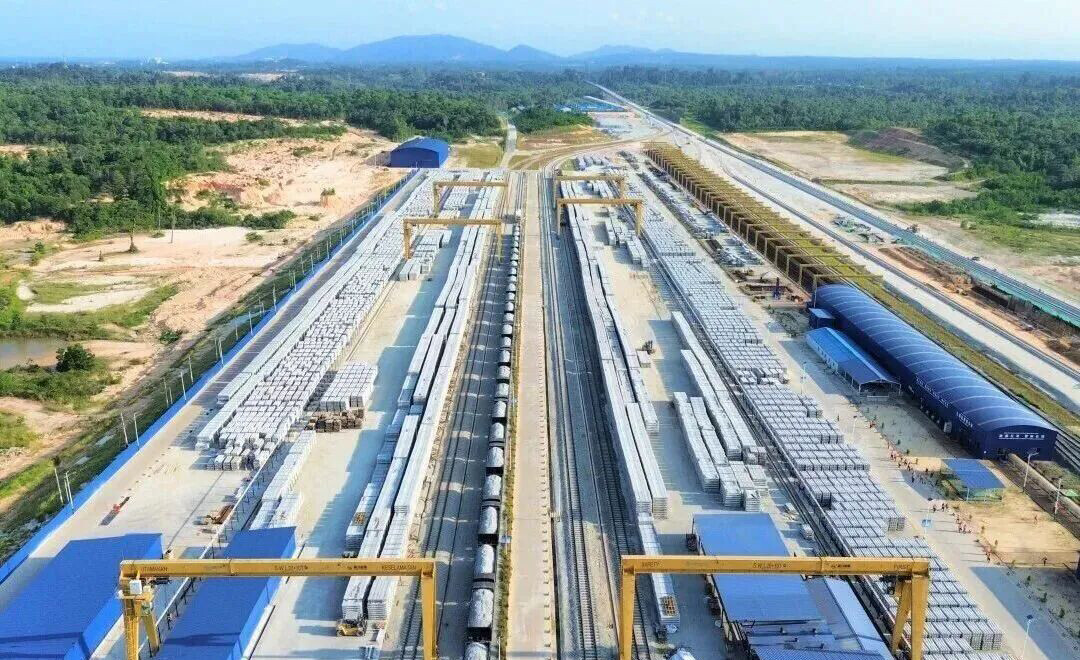
Details of key under construction rail transit projects: The East Coast Railway is a key infrastructure cooperation project between China and Malaysia, with a total length of 665 kilometers and an investment of over 10 billion US dollars. It connects the eastern and western areas of the Malay Peninsula, with a construction progress of 93.14% as of the end of March 2026. The project has entered the final construction stage and is scheduled to be put into operation in January 2027. The Johor Bahru MRT is a cross-border light rail connecting Johor Bahru, Malaysia and Singapore. The total length of the line is 4 kilometers, and the customs clearance adopts the "one place, two inspections" mode. The one-way commute only takes five minutes. Vehicle debugging will start in May 2026, and it will be completed by the end of the year and opened to traffic at the beginning of the following year. The total length of the trans Borneo railway line exceeds 1600 kilometers, connecting multiple parts of Malaysia, Brunei, and Indonesia. The designed speed is 350 kilometers per hour, and preliminary preparations will be completed by mid-2026. After completion, it will become one of the largest cross-border railways in Southeast Asia and strengthen regional connectivity.
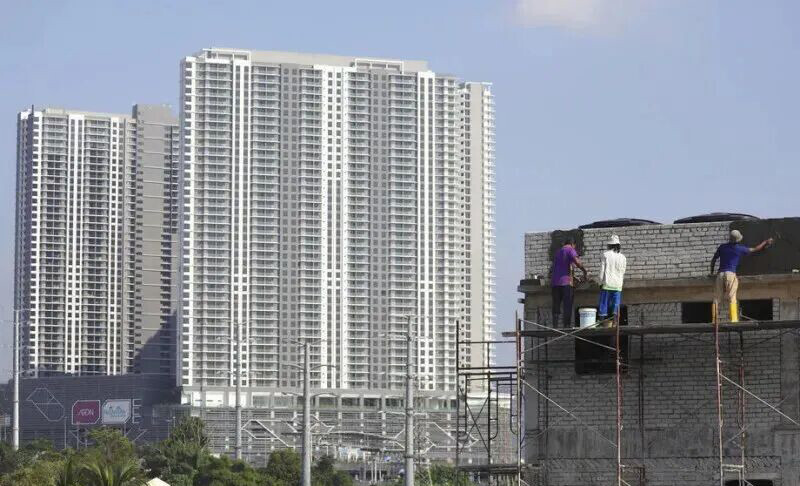
According to the national plan, Malaysia plans to complete 1 million units of affordable housing from 2026 to 2035, with an average annual construction of 240000 units, and implement multiple housing projects. In the past, the Malaysian real estate market focused on high-end commodity housing, and the construction of affordable housing has been lagging behind for a long time. A large number of housing projects have started construction, driving an increase in demand for home decoration building materials such as tiles, coatings, and waterproof materials. The production capacity of local home decoration building materials is limited, and mid to low end products are highly dependent on imports. Domestic building materials seize the local market with their cost-effectiveness.

Malaysia is accelerating the construction of a Southeast Asian data center hub. By June 2025, 143 data center projects will be approved and implemented locally, with a total investment of nearly 150 billion ringgit. A large number of computer rooms are currently in use in Greater Kuala Lumpur and Johor, while several other states are also laying out new projects. The growth rate of the local data center industry ranks among the top in the Asia Pacific region, and the total installed capacity of data centers is expected to double from 2025 to 2030. The fire-resistant and anti-static special building materials required for the construction of computer rooms are almost self-sufficient locally, relying entirely on external purchases. China's special building materials industry is mature and can accurately match market gaps.
Policy dividend support
2026 is the fifth year of the implementation of the Regional Comprehensive Economic Partnership (RCEP) agreement. With the support of the agreement rules, over 90% of building materials products from China and ASEAN will gradually enjoy tariff reductions. Combined with the cumulative rules of origin in the region, the cost of domestic building materials exports to Malaysia will decrease by 8 to 10 percentage points, and the competitiveness of the product market will be further enhanced. Customs data shows that after the implementation of the agreement, the average annual growth rate of domestic building materials sold to ASEAN exceeded 35%, with Malaysia being one of the most prominent markets with the highest growth rate.
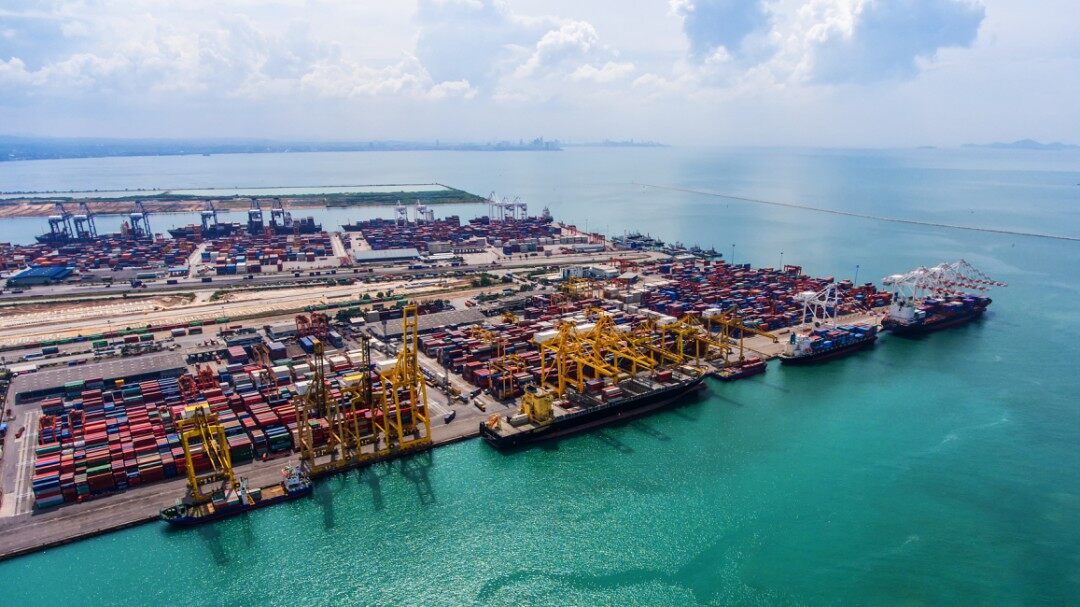
The foundation of China Malaysia economic and trade cooperation is solid. China has maintained its position as Malaysia's largest trading partner for 17 consecutive years, with a total bilateral trade volume of 191.667 billion US dollars by 2025 and Chinese exports exceeding 100 billion US dollars. In the same year, the two countries upgraded their strategic cooperation positioning and entered a stage of normalized and deep cooperation in economic and trade cooperation, laying a solid policy guarantee for the overseas development of building materials enterprises. Relying on the operational resources of Xintian Exhibition, the 2026 Malaysia International Architecture Exhibition, together with International Architecture Week, will usher in an industry grand event. The exhibition is hosted by local construction authorities and has developed into an important commercial platform in the Southeast Asian architecture field after years of development. The exhibition focuses on new building materials and green construction technologies, bringing together manufacturers from the entire industry chain to help participating companies connect with local procurement resources. Keywords:Foreign construction news network,Southeast Asia engineering information network,Overseas engineering construction,Foreign engineering construction news
As a benchmark construction exhibition in Malaysia, the event gathers high-quality exhibitors from around the world, covering the entire upstream and downstream industry chain of construction, building negotiation and docking channels, and helping domestic enterprises seize the development dividends of the Southeast Asian infrastructure market.Editor/Gong Ziwei
Comment




 Praise
 Collect
 Comment

 Share
Share


Write something~