 Search


- Under the vast plains north of the Danube Delta, a revolution in energy storage is quietly brewing
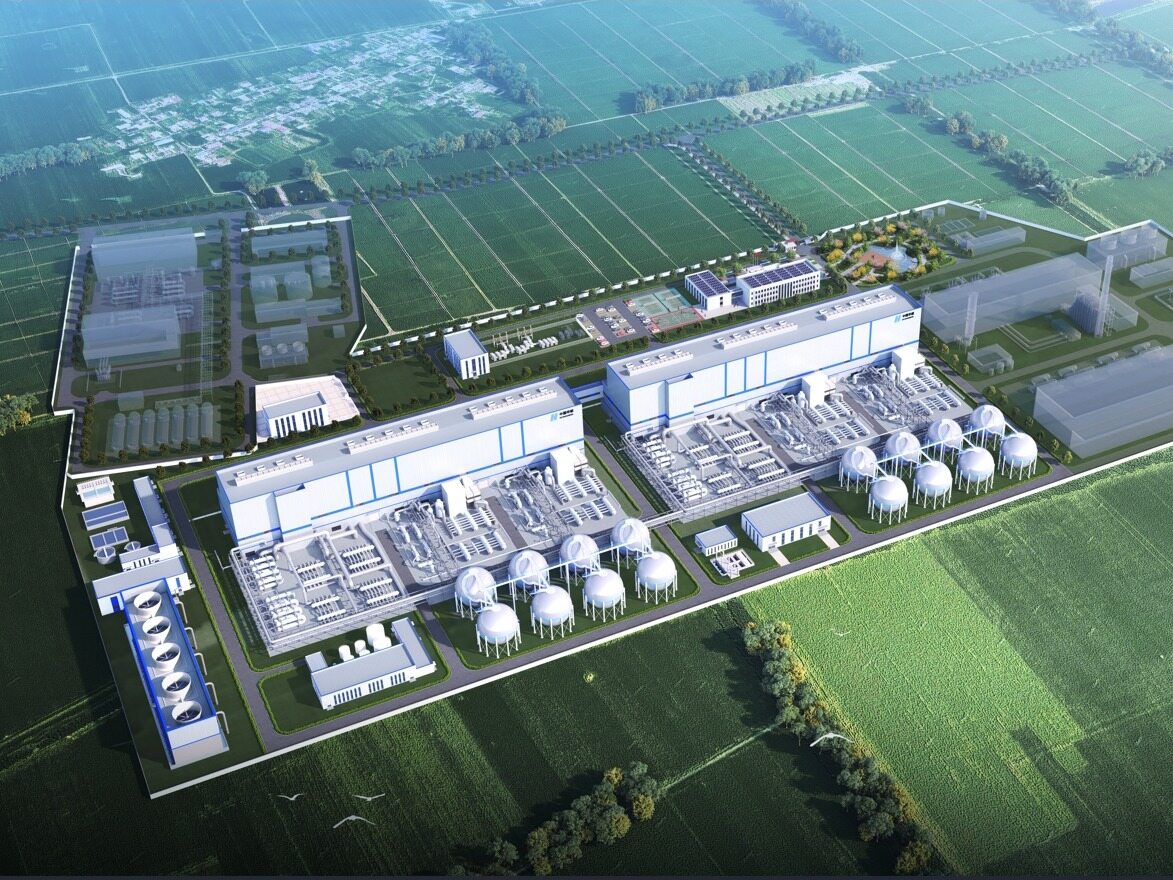
Romania has abundant geological resources, and the huge underground cavities left by early mining operations are now seen as the key to a green future. Energy technology developer Airengy and real estate giant Hagag Europe have recently reached a deep partnership, deciding to awaken these dormant salt caverns and transform them into massive energy warehouses.
This is not only a simple engineering attempt, but also an important turning point for the technology to move from the laboratory to the commercial battlefield.
Two-step strategic blueprint
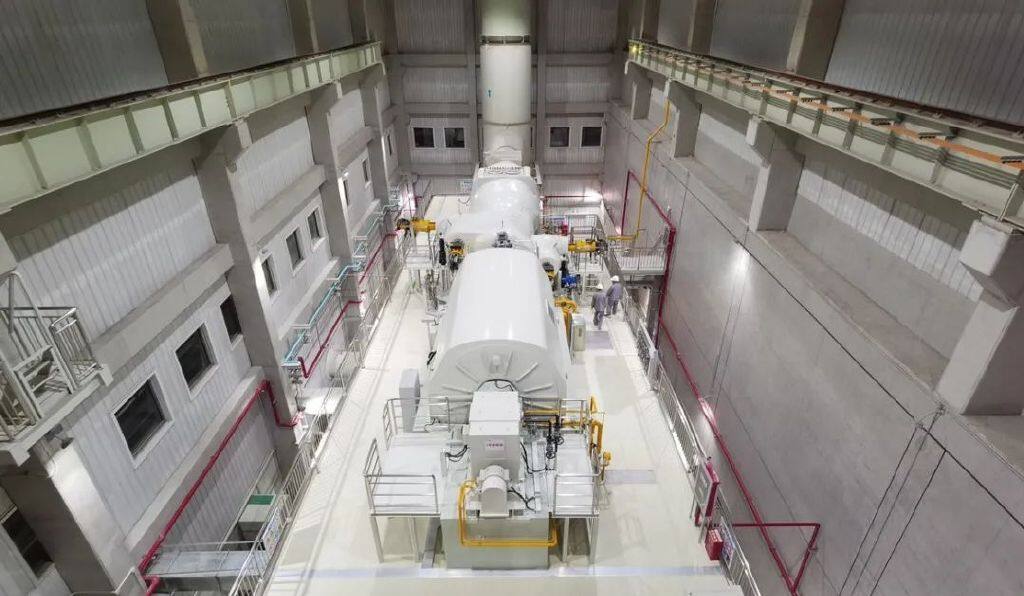
The progress of the project will adopt a steady phased approach. The first phase aims to verify the commercial feasibility of the technology, with plans to deploy facilities with a power generation capacity exceeding 1 megawatt hour and an energy storage capacity of approximately 200 megawatt hours. For Airengy, which has only operated a 250 kW demonstration site in Israel before, this is a huge leap from the kilowatt level to the megawatt level.
Once the first phase is successful, the project will rapidly expand. The goal of the second phase is extremely ambitious, with a discharge power of 25 megawatts and an astonishing energy storage capacity of 5 gigawatt hours. As a reference, the world's largest compressed air energy storage power station is currently located in China, with a capacity of 2.4 gigawatt hours, and was put into operation in early 2026. If the Romanian project is completed on schedule, it will break the world record and become a new benchmark in the global long-term energy storage field.
The battery in the salt cavern
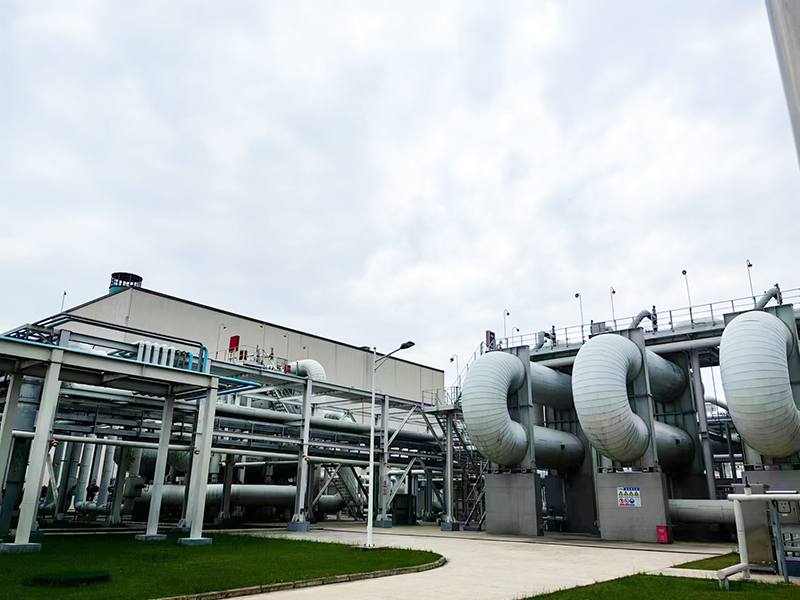
The core technology of this project is to use natural salt caverns as energy storage containers. Unlike traditional lithium battery energy storage, Airengy's AirBattery technology focuses on multi day long-term energy storage. The principle is similar to installing a huge lung on Earth, compressing air and injecting it into underground salt caverns when there is excess electricity; During peak electricity consumption or when there is a shortage of scenery, high-pressure air is released to drive the turbine for power generation.
This approach, which utilizes natural geological structures, has significant advantages in terms of economy and operational efficiency compared to the construction of artificial energy storage facilities. It can provide grid level dispatchable clean electricity, filling the gap of long-term regulation that lithium batteries find difficult to achieve.
Layout of European Energy
The project in Romania is not an isolated case, but a key part of Airengy's pan European layout. Prior to this, the company had already extended its reach to German energy company SEFE and UK North Sea natural gas storage company Kistos. This series of actions indicates that utilizing geological space for large-scale energy storage has become a new consensus in Europe's energy transition.keywords:Domestic new energy latest news,New energy information network
With the introduction of policy support plans such as long-term energy storage capacity and a floor price mechanism in the UK, technologies with megawatt level thresholds will receive stable revenue guarantees. The Chairman of Airengy stated that the signing of this agreement marks the company's official entry into the commercialization stage, and the curtain has been drawn on the construction of commercial scale power stations based on its own technology.Editor/Yang Meiling
Comment

 Praise
 Collect
 Comment

 Share
Share


Write something~