 Search


- Hard coal surged by 60%, while brown coal declined by nearly 20% against the trend, with obvious structural differentiation
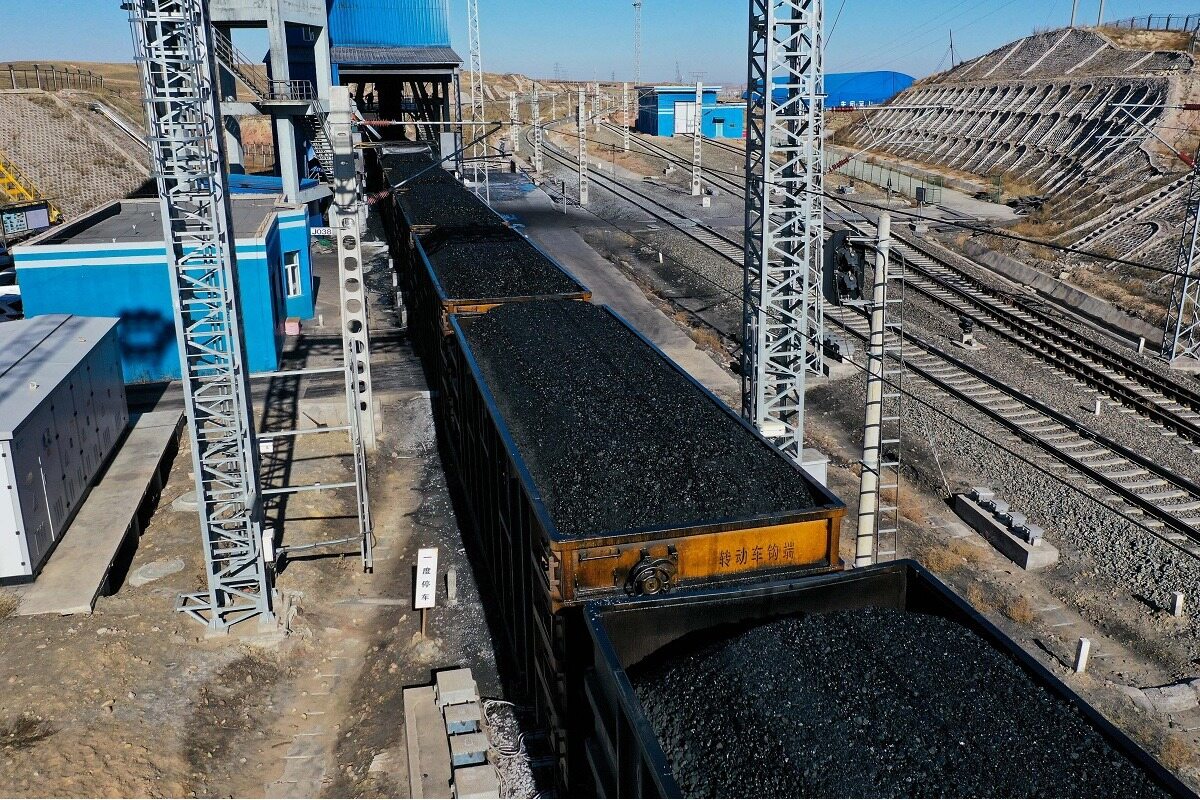
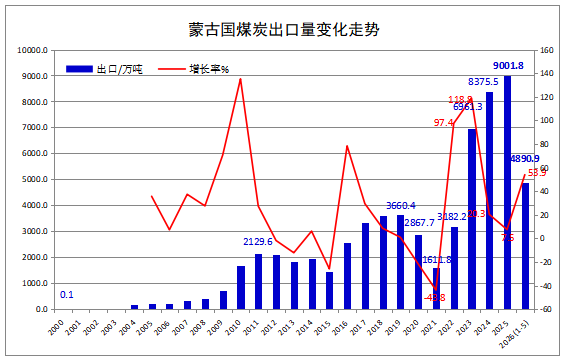
A landlocked country sandwiched between China and Russia is achieving an export growth rate of over 50% by selling coal. According to the latest data from Mongolian Customs, the cumulative coal exports from January to May 2026 reached 48.9092 million tons, a year-on-year increase of 53.9%, with an increase of over 17 million tons. Hard coal surged by 60% to support the entire market, while brown coal went against the trend and fell by nearly 20%. The two trends are completely opposite.
Hard coal supports 90% of exports
In the first five months, hard coal exports amounted to 46.9156 million tons, a year-on-year increase of 60.0%, making it the absolute driving force behind overall exports. Lignite exports amounted to 1.9936 million tons, a year-on-year decrease of 18.6%, making it the only category with negative growth. The total of the two is 48.9092 million tons, which is 17.1319 million tons more than the same period last year.
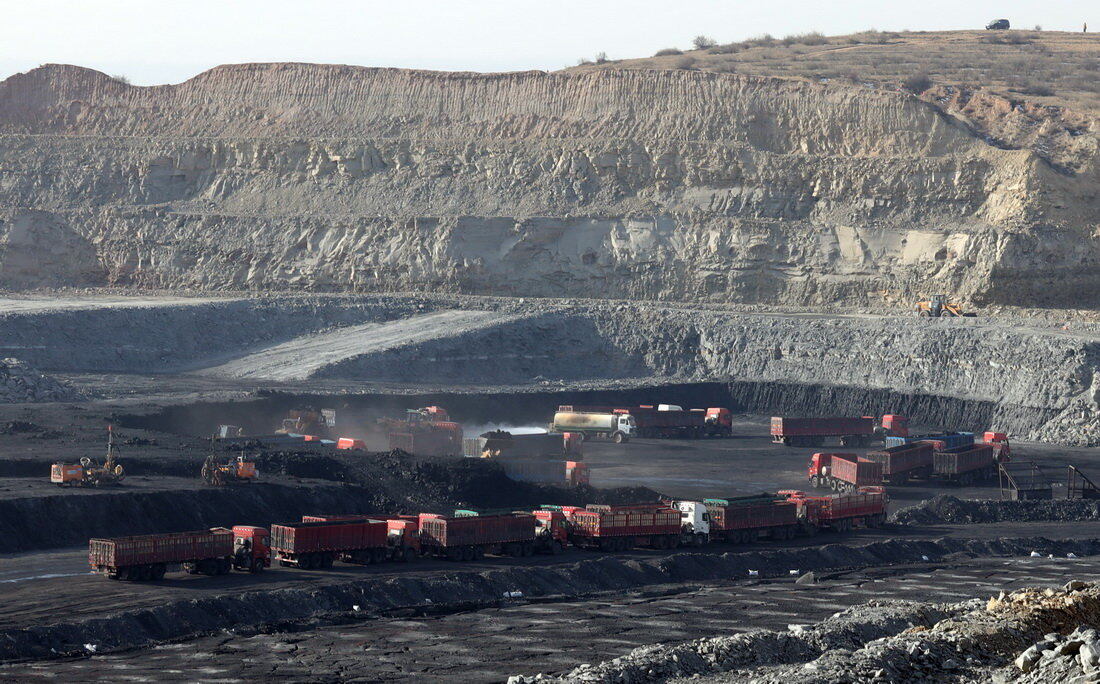
In May, the monthly export volume was 9.8374 million tons, an increase of 44.4% year-on-year, but a decrease of 14.8% month on month, indicating that although the growth rate was high, there were fluctuations between months. The hard coal for the month was 9.5161 million tons, a year-on-year increase of 45.1% and a month on month decrease of 14.0%; Lignite reached 321200 tons, a year-on-year increase of 27.3% and a month on month decrease of 33.3%. The proportion of hard coal continues to exceed 96%, while the share of brown coal has been compressed to less than 4%.
China remains the largest buyer
Mongolia's coal exports are highly dependent on the Chinese market, with over 90% sold to China. Since 2026, China's economic recovery coupled with the release of heating demand has maintained strong imports of Mongolian coal. At the same time, Mongolia is advancing the eastern railway project, attempting to open up direct sea routes and reduce dependence on a single market.
The continuous shrinkage of lignite is also worth paying attention to. Compared with hard coal, brown coal has lower calorific value, higher transportation costs, and weaker competitiveness in the international market, mainly sold to power plants at the Chinese border. But with the adjustment of China's domestic coal-fired power structure, this demand is gradually shrinking. Keywords:
The story of Mongolia's coal exports is essentially a microcosm of a resource-based country seeking to maximize profits in the geopolitical divide. The explosive growth of hard coal cannot conceal the decline of brown coal, and the high dependence on a single market is both an advantage in the present and a hidden danger in the future.Editor/Cheng Liting
Comment







 Praise
 Collect
 Comment

 Share
Share


Write something~