 Search


- EU restricts Russian energy imports, but still intensifies actual dependence on Russian LNG
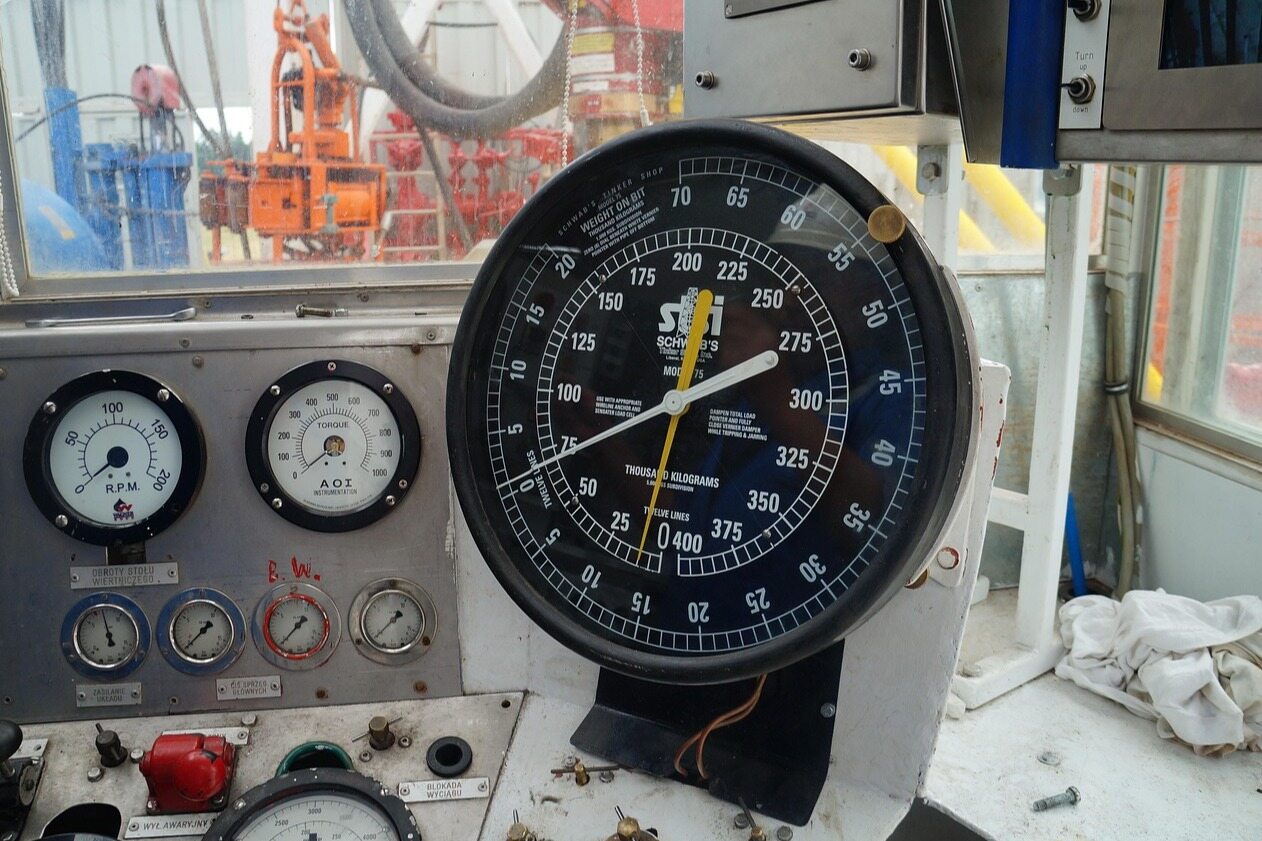
Europe originally implemented a ban on the import of liquefied natural gas from Russia, but due to the fluctuation of the global gas supply pattern, the EU's LNG imports from Russia have increased instead of decreased, highlighting the practical dilemma of Europe's energy independence strategy.
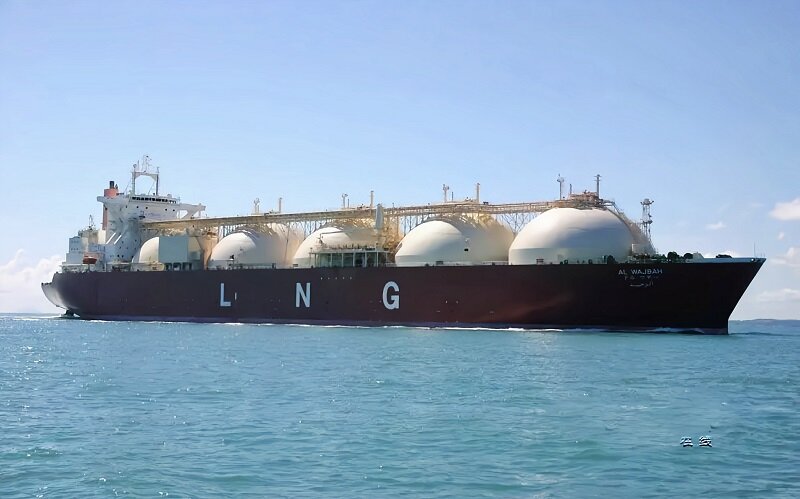
The EU's imports of liquefied natural gas from Russia in June 2026 increased by 14% year-on-year, and Russia's daily energy revenue rose to 60 million euros. France is the largest buyer of Russian LNG within the European Union, with four times the amount of gas arriving at its port of Bretani Montuvar in June compared to May. In the second quarter of 2026, Russian natural gas accounted for 13.4% of the total EU imports.
Affected by the situation in Iran, Qatar has reduced its gas supply to Europe, and the responsibility of filling the gap has once again fallen on Russia. Although the EU introduced regulations at the beginning of the year to gradually halt the import of Russian pipeline gas and LNG, actual trade has not been cut off. The Russian side believes that the European ban on Russian energy is a strategic misjudgment, as many countries purchase Russian oil and gas at high prices through third-party intermediaries, forming a disguised dependence with higher costs. This situation may continue for a long time.Editor/Min Jing
Comment

 Praise
 Collect
 Comment

 Share
Share


Write something~