 Search


- Promote the transition from resource export to local processing, and establish a new model for the West African lithium industry chain
In the conference room in Abuja, Abdullahi Sulai, the Governor of Nasarawa State, had just put down his signature pen. This supplementary agreement signed with the Chinese company Diamond New Energy is worth $2 million, with only one core goal: to make the largest lithium refinery in West Africa no longer worry about "not having enough to eat" in the state.
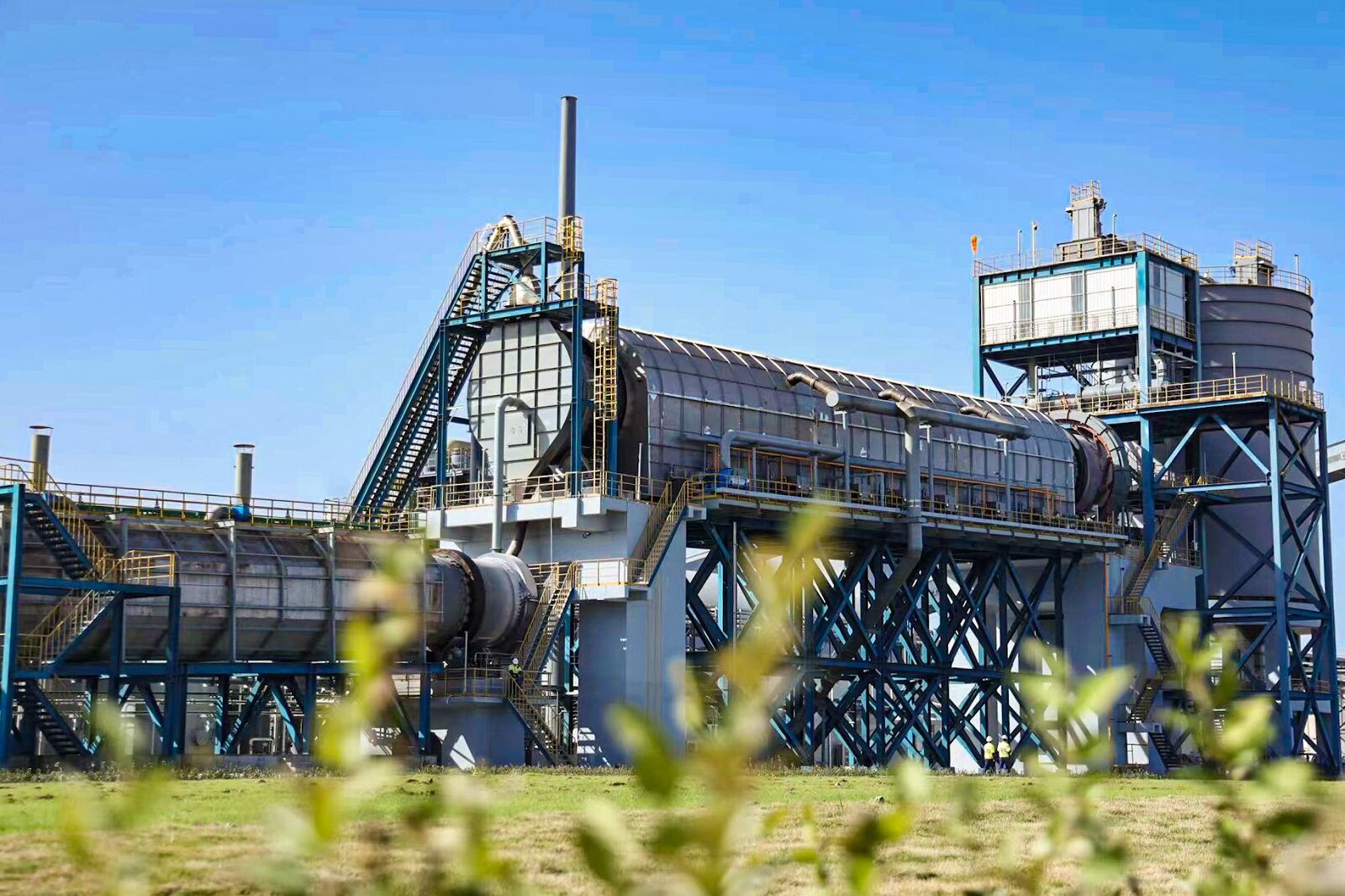
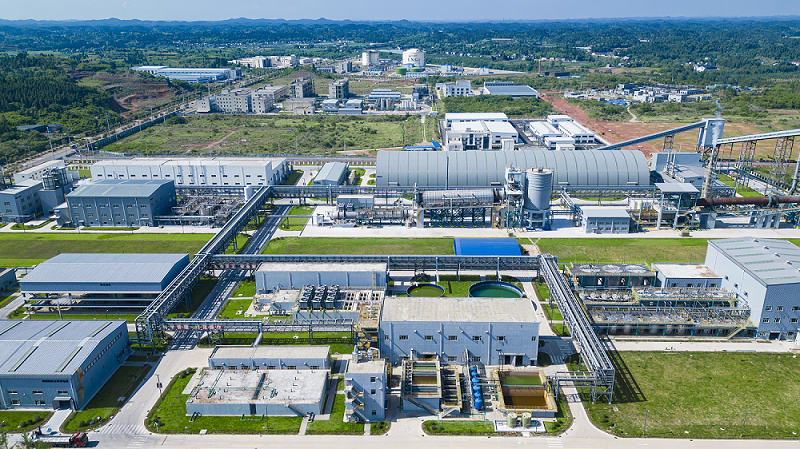
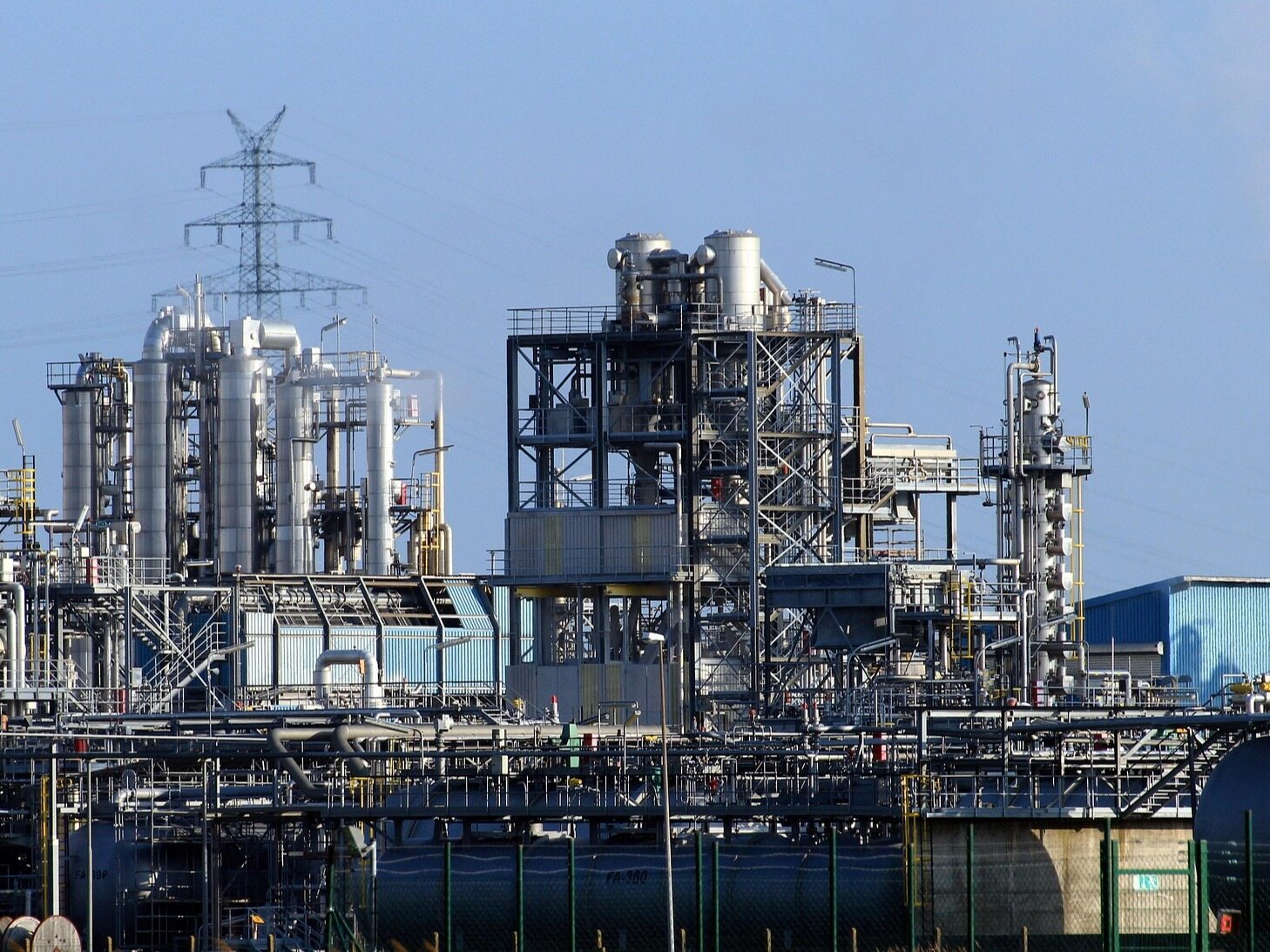
Just over a year ago, this lithium processing plant with a daily processing capacity of 6000 tons was officially put into operation, and the roaring sound of the machines once excited the entire state of Naxalawa. It is currently the largest lithium processing facility in Nigeria and is also known as the largest lithium refinery in West Africa. But once the factory is built, where the raw materials come from and whether they can be continuously supplied remains a concern for the state government.
This supplementary agreement provides the answer.
$2 million locked in raw materials
This agreement is based on the exclusive mining cooperation agreement signed by both parties in 2024. According to the terms, the state government, as the holder of the mining license, will receive $2 million upon signing the agreement, and will continue to share the income as agreed.
For diamond new energy, this funding has been exchanged for stable mineral source guarantee - the biggest fear of large-scale refining facilities is the interruption of raw material supply. Once production is stopped, the cost of restarting is extremely high. For the state government, this is not only an immediate income, but also a chain of benefits that links mining rights, raw material supply, refining and processing, and subsequent profits, providing a clearer path for financial returns on resource development.
Sulai made clear requirements to the enterprise at the signing site: to continuously ensure the operation of the factory, maintain employee employment, and strengthen cooperation with the local community. The diamond new energy sector also promises to continue expanding resource development, local processing, and employment investment. The goal of both sides is already clear - not simply to dig up the mines and transport them away, but to truly establish the lithium industry in the state of Nassarawa.
The lithium resource map is expanding
Nasarawa state is not an isolated case. According to geological exploration data, lithium resources in Nigeria are widely distributed. Commercial lithium deposits have been discovered in states such as Nasarawa, Kogi, Kwara, Ekiti, Kroos River, Oyo, Plateau, and Kaduna, with major mineral types including spodumene and lithium mica.
The discovery time of these mineral deposits is not long, but it coincides with a critical window of demand explosion in the global electric vehicle battery, consumer electronics, and energy storage markets. For Nigeria, this means an opportunity that cannot be missed again - in the past few decades, the country has been accustomed to exporting crude oil, natural gas, and even solid minerals in the form of raw materials, leaving the majority of profits overseas. Now, the federal government is trying to reverse this situation.
According to the federal government's estimate, the ongoing mining reform is expected to release approximately $2.6 billion in mineral processing investment, with lithium processing investment accounting for $800 million. At the project level, a lithium processing facility with an investment of 600 million US dollars in Nasarawa state and a lithium processing plant with an investment of 200 million US dollars near Abuja in Plateau state are both under planning or promotion. Behind these numbers is a clear signal: Nigeria doesn't just want to be a resource base, it wants to become a processing hub.
From mining to industrial chain binding
Looking back at the cooperation trajectory between Naxalawa State and Diamond New Energy, it is clear to see a route extending from single mining to the entire industry chain.
The exclusive mining cooperation agreement in 2024 established the cooperation framework between the two parties, and this supplementary agreement further closely links the four links of "mining refining employment local benefits". The significance of this model is that it is no longer the old logic of companies leaving after making money and governments only charging licensing fees, but rather allowing companies and localities to form a community of shared destiny - factories operate well, and localities have taxes, employment, and revenue sharing; With stable mineral resources and policy support, enterprises can also ensure the continuous operation of large-scale refining facilities.
For the state of Naxalawa, this is likely to become an important model for attracting more investment in the lithium industry. When other Chinese enterprises and international mining companies see that the cooperation model here can balance commercial returns and local interests, follow-up capital may accelerate its influx.
From the moment the signature pen fell in the Abuja conference room, Nasarawa State was one step closer to its goal of becoming a "West African lithium processing hub".Editor/Yang Meiling
Comment



 Praise
 Collect
 Comment

 Share
Share


Write something~