 Search


- The transportation distance between Southwest China and ASEAN has been shortened by 560 kilometers
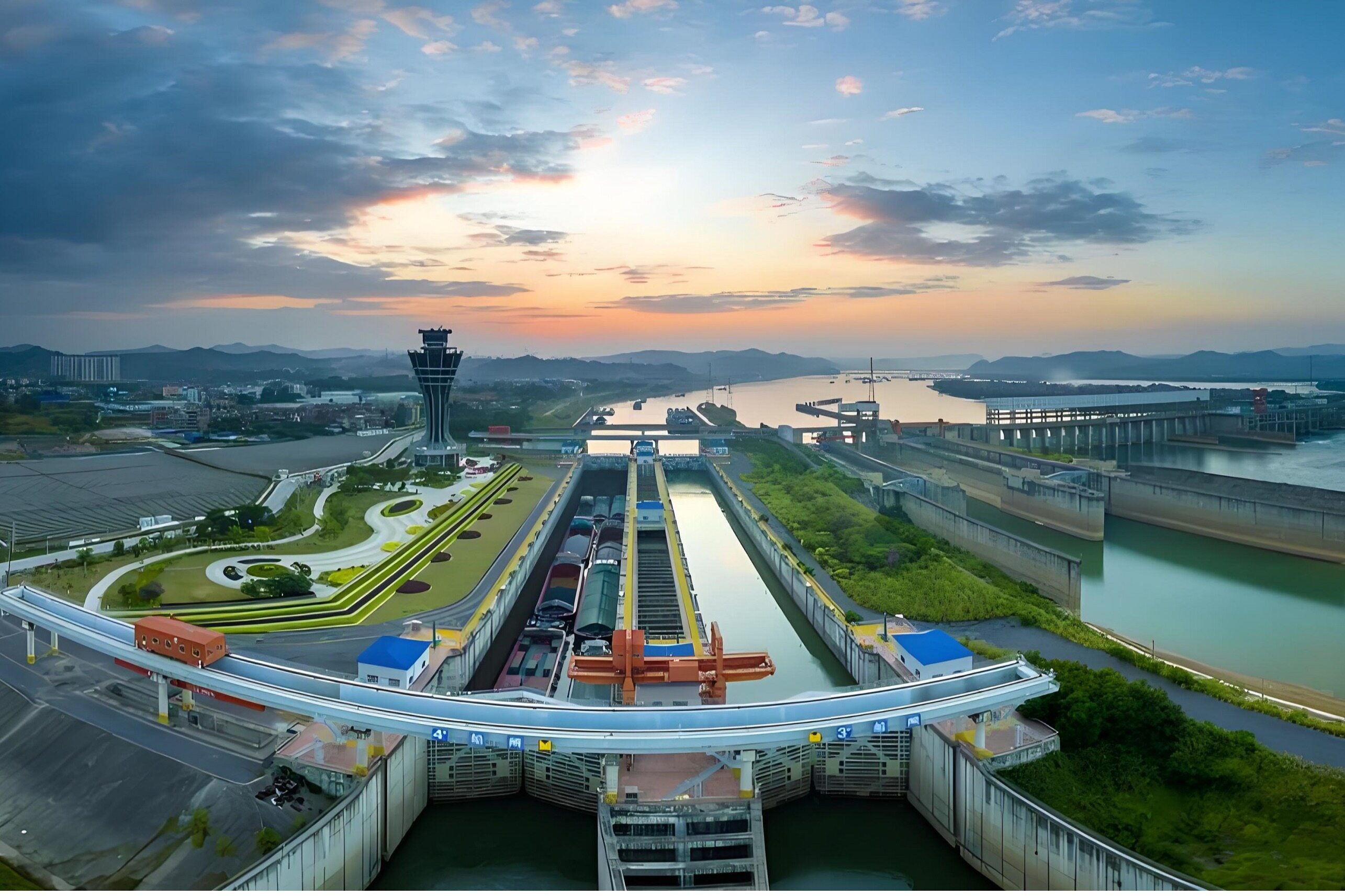
On September 16, 2026, with a long whistle, the first batch of foreign trade goods on the Pinglu Canal boarded the first river sea direct foreign trade ship, the Nanning Borun, and set sail from Nanning Port, passing through the Pinglu Canal and directly reaching Can Tho Port in Vietnam. On this day, the foreign trade route from Nanning to Can Tho, Vietnam and the domestic trade route from Nanning to Yangpu, Hainan set sail in both directions. 14 cargo ships loaded with sugar, building materials, minerals, steel and other materials successfully passed through the gates and set sail for the first time. 16 ships loaded with coal, iron ore, bauxite, fertilizers, high calcium stones and other goods orderly entered the Xijiang River Basin. After four years of construction, the Pinglu Canal, the first nationally coordinated canal connecting the Yangtze River and the Dahai River since the founding of the People's Republic of China, has officially opened for navigation.
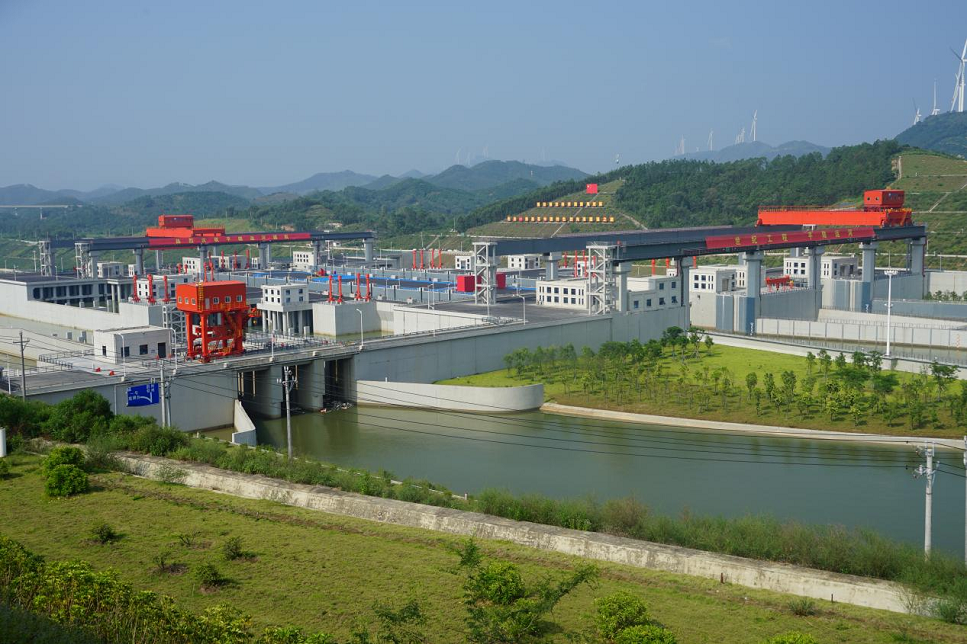
Century Engineering Hardcore Details
This century project, with a total length of 134.2 kilometers, starts from Pingtang River mouth in Xijin Reservoir Area, Hengzhou City, Nanning in the north, passes through Luwu Town, Lingshan County, Qinzhou, and enters Beibu Gulf along the Qinjiang River, directly stitching together the Xijiang Golden Waterway and the deep-water harbor of Beibu Gulf for the first time. The entire line is constructed according to the standard of Class I inland waterway, and can accommodate ships of 5000 tons. The three major cascade hubs of Madao, Qishi, and Qingnian gradually raise the water level like a water elevator, allowing ships to easily cross the natural drop of nearly ten floors. Wei Han, an engineer from the Engineering Management Department of Guangxi Pinglu Canal Construction Co., Ltd., introduced that the Madao Hub has the world's largest inland waterway provincial water lock. Its innovative three-level provincial water tank stacking arrangement enables a water saving rate of over 60%. The valve control system that supports efficient operation only takes 1 minute to open and 30 seconds to close, which is 2 to 4 times the speed of conventional ship locks. The builders also used over 300 million cubic meters of excavated earth and stone to reclaim fertile land, achieving a green cycle of turning waste into treasure.
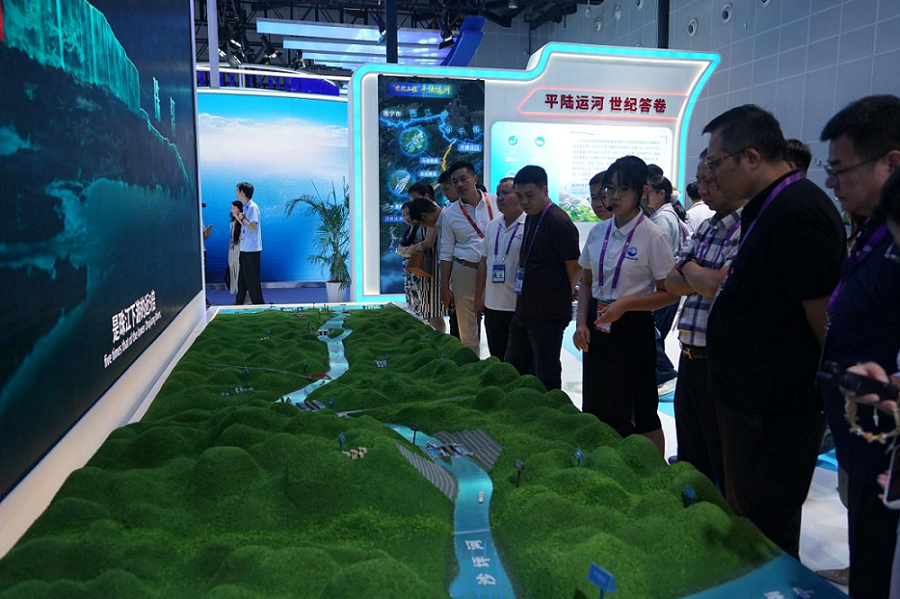
Significant reduction in logistics costs
For ASEAN countries, the significance of this canal goes far beyond logistics. Lu Xinning, member of the Standing Committee and Vice Chairman of the Party Committee of Guangxi Zhuang Autonomous Region, described the magnitude of the changes with a set of data: the transportation distance between the southwestern hinterland of China and ASEAN has been shortened by 560 kilometers, and logistics costs have been reduced by 18% to 30%. The value of the Pinglu Canal is not only that it adds a big economic channel between China and ASEAN. It not only connects the Yangtze River to the sea in the south, but also connects Europe and Asia in the north. It can be combined with China Europe rail sea trains, connecting the five Central Asian countries and countries along the the Belt and Road. Liu Hanyan, Vice Chairman of the Federation of Thai Industries, deeply felt this. With maritime transportation, it will become easier to travel from Bangkok to Nanning, Malaysia, and Singapore, which has brought tangible benefits to the trade of ASEAN countries. The Vice President of the East Timor Chamber of Commerce and Industry stated that the navigation of the Pinglu Canal will greatly reduce time and transportation costs. Keywords: the Belt and Road news network, shipping, connectivity
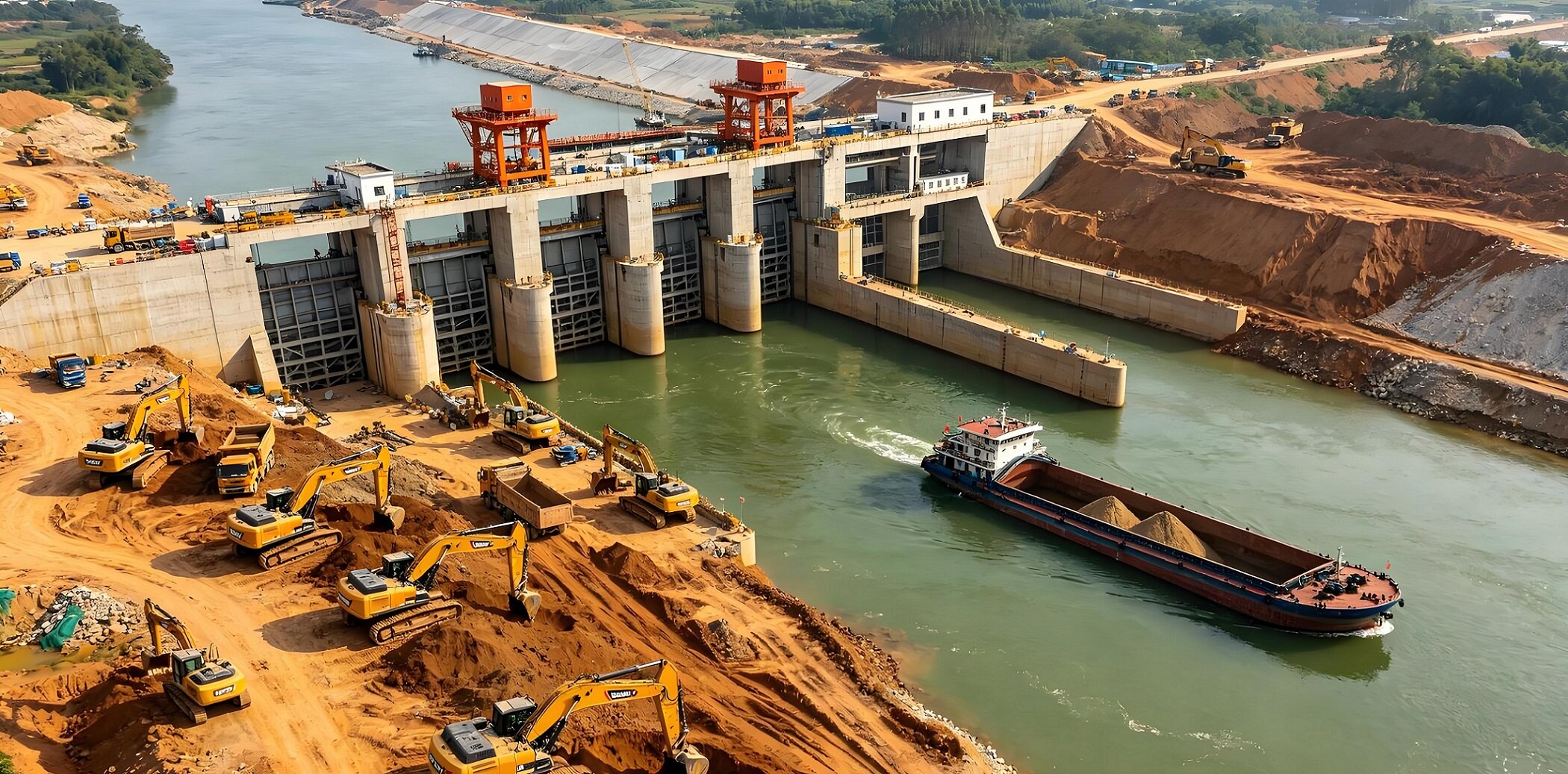
Cross border industrial chain closed-loop
From Qinzhou Port to the sea, the Pinglu Canal not only connects ports in ASEAN countries such as Vietnam Haiphong Port, Thailand Bangkok Port, Philippines Manila Port, Vietnam Ho Chi Minh Port, Brunei Mora Port, Malaysia Kuantan Port, Singapore Port, but also serves as a cross-border industrial chain closed-loop channel from the ASEAN region to the Beibu Gulf Economic Zone, Chengdu Chongqing Economic Zone, and Guangdong Hong Kong Macao Greater Bay Area. Liang Jia'en, Chairman of Yunzhisheng Intelligent Technology Co., Ltd., has set up the ASEAN headquarters in Nanning by the end of 2025. The opening of the Pinglu Canal has doubled his confidence, shortened water and land travel by 560 kilometers, and significantly reduced time and logistics costs. The AI plus medical model that can run in Guangxi will have greater expansion space in ASEAN in the future. As Lu Xinning said, the canal better connects the large market of 1.4 billion people in China and the large market of 700 million people in ASEAN. Traveling towards the sea, this canal, flowing with opportunities, is carrying China and ASEAN on a two-way journey towards a broader blue sky.Editor/Gao Xue
Comment



 Praise
 Collect
 Comment

 Share
Share


Write something~