 Search


- The planned installed capacity of the project is 11 megawatts, which will improve the power supply conditions in Dabola and other places
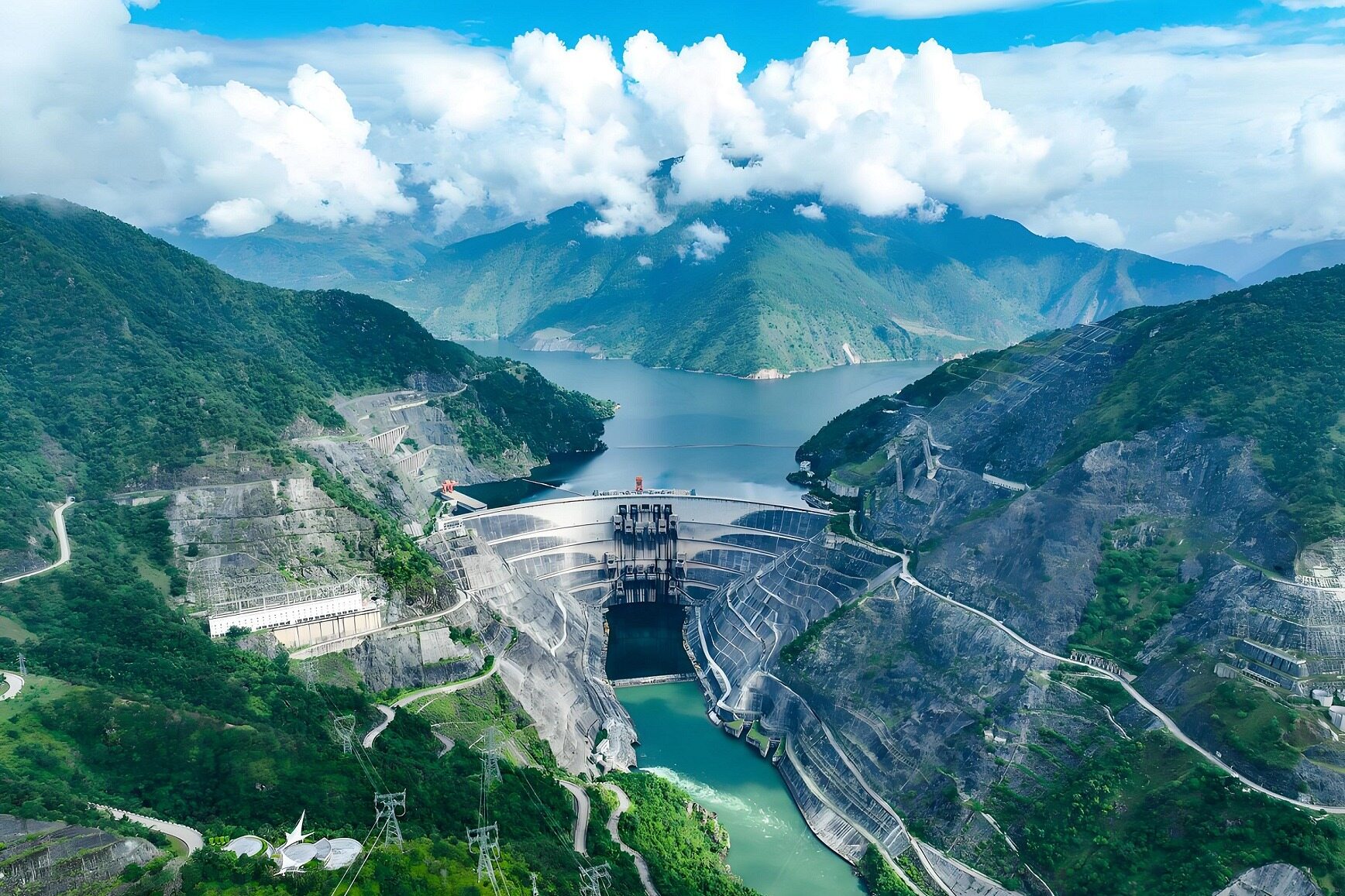
The capital of Guinea, Conakry, has signed a € 60.6 million loan agreement with the Investment and Development Bank of the Economic Community of West African States to support the construction of the planned 11 MW Tingiso Phase II hydropower station. The representatives of the signing parties are George Agiekum Tangkor, the President of the bank, and Mariama Sire Sila, the Minister of Economy, Finance and Budget of Guinea. The bank has included the Tingiso Phase II project in the board approval announced on August 12, 2026. This signing advances the project from loan approval to financing agreement signing. On the same day, loans for roads and hospitals were also signed, with a total of approximately 269.5 million euros in the three agreements, of which 60.6 million euros is the loan amount for the second phase of Tingiseo. The start and operation time of the power station has not been announced yet, and it is mainly being pushed forward in the financing stage.
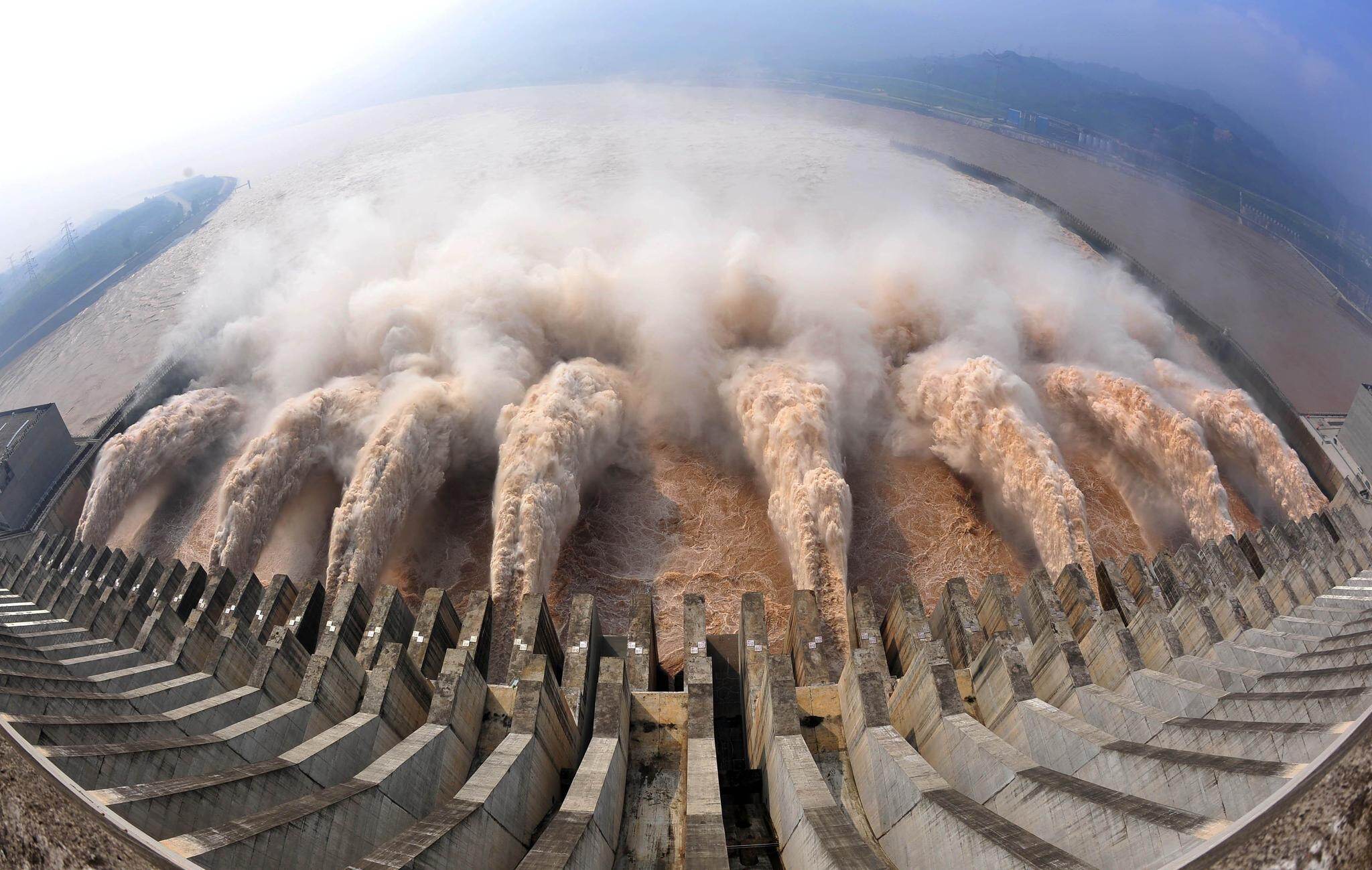
The new power station generates 48 million kilowatt hours of electricity annually
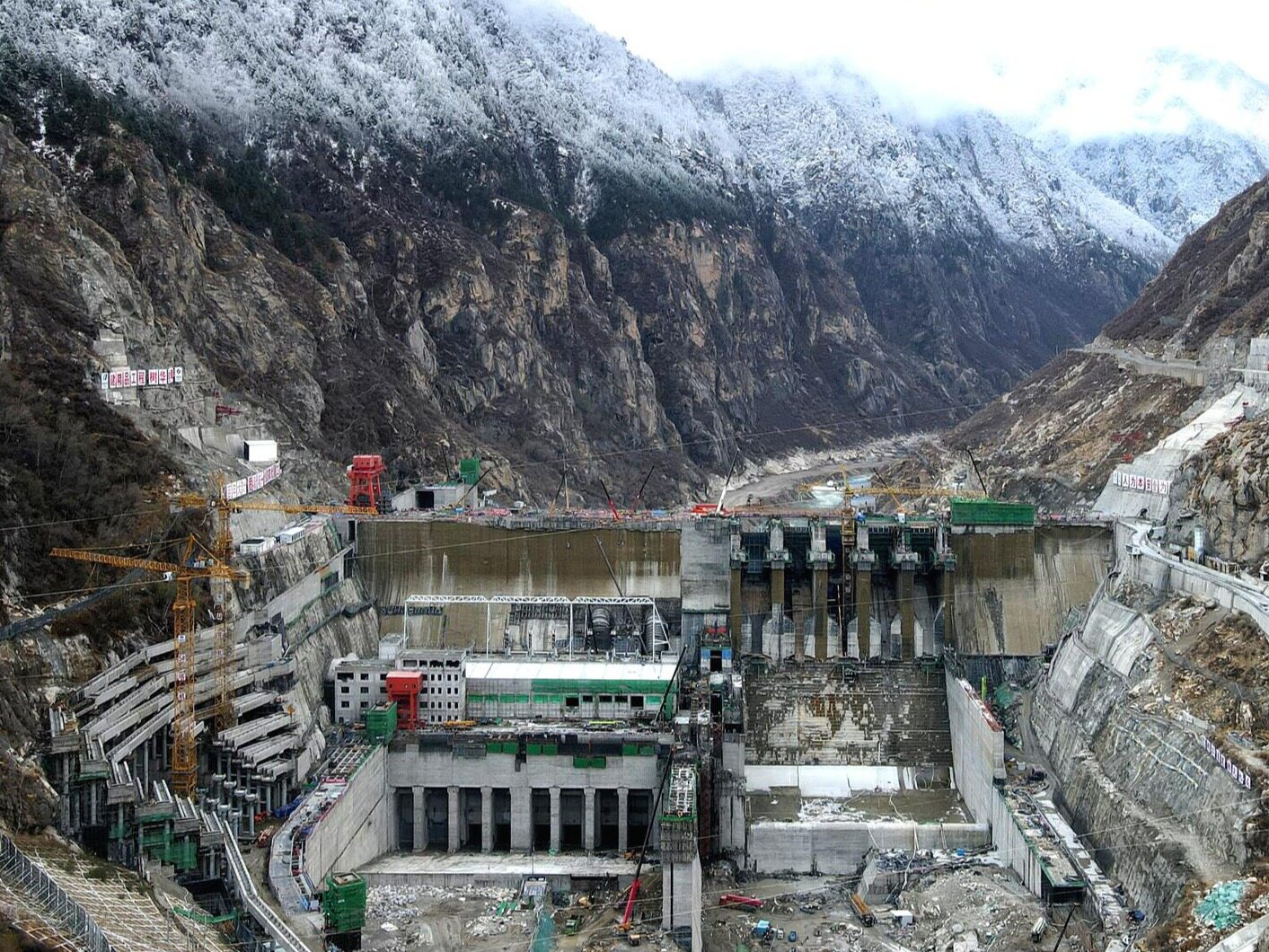
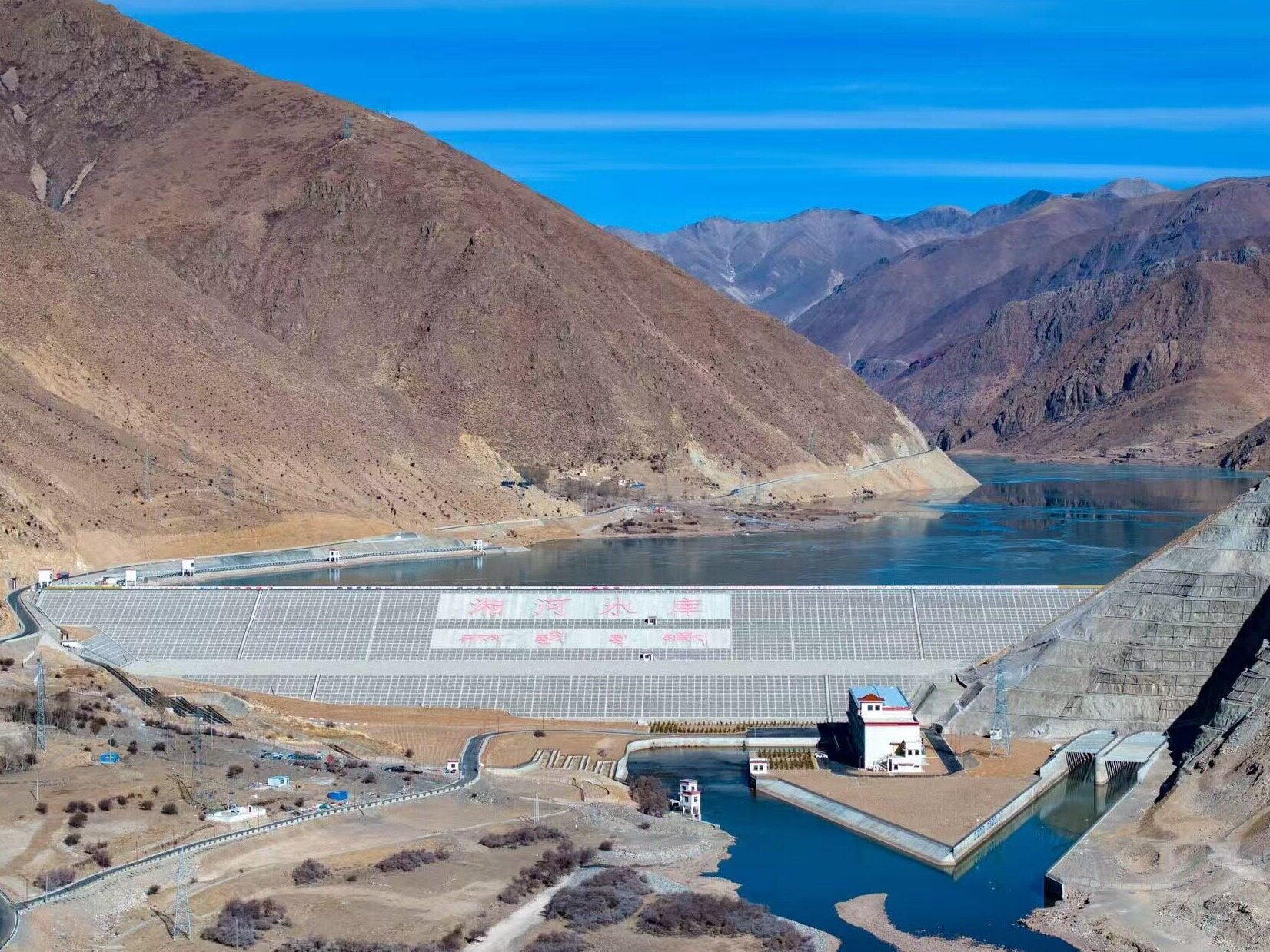
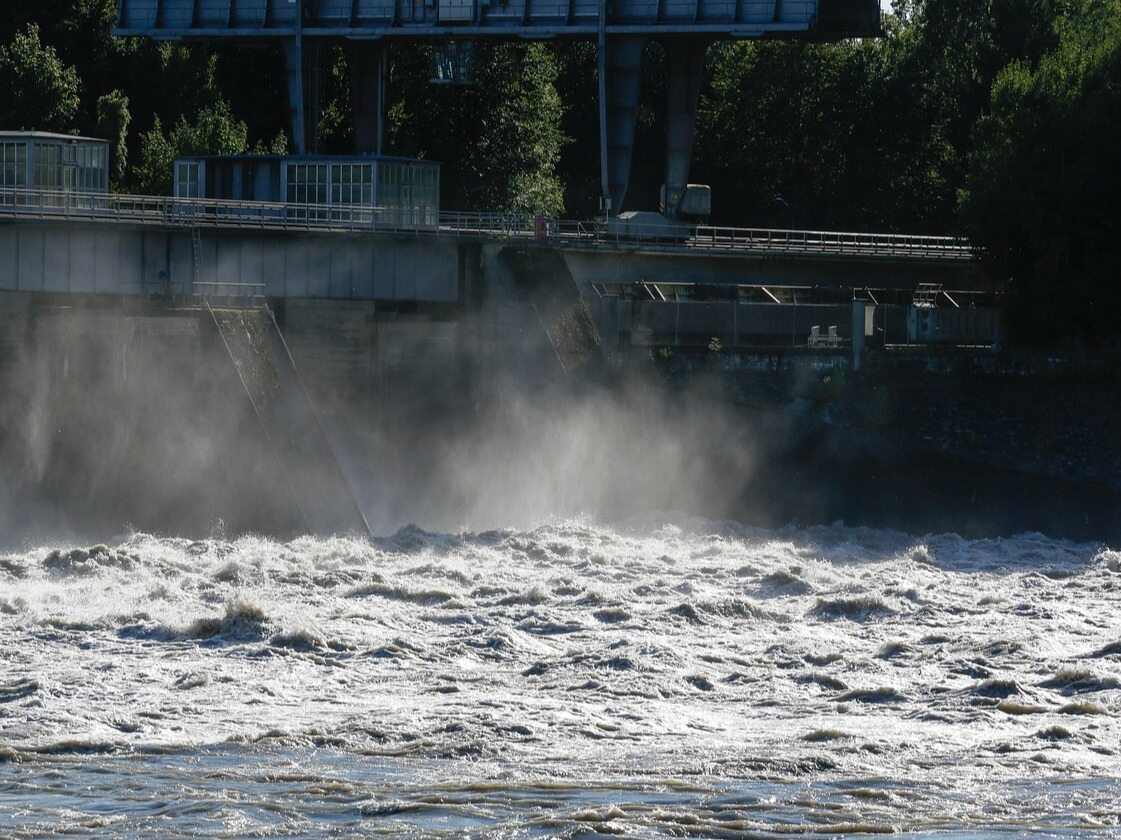
The existing power supply facilities in Tingkiso are relatively limited in scale. Tingkiso Phase I was put into operation in 1974 with an installed capacity of 1.6 megawatts. With the growth of local population and electricity demand, the pressure on the original facilities has increased, and there have been repeated power outages in Dabola. The planned installed capacity of the second phase project is 11 megawatts, and it is expected to generate 48 gigawatt hours of electricity per year, which is 48 million kilowatt hours. According to the target announced by the lender, this project will provide clean electricity to over 350000 people. From a business perspective, the project is more directly related to the daily electricity consumption in the Dabola, Farana, and Dinjiraya areas. The duration of operation of processing equipment and the stability of power supply for refrigeration equipment all depend on whether the electricity can ultimately be delivered to the users.
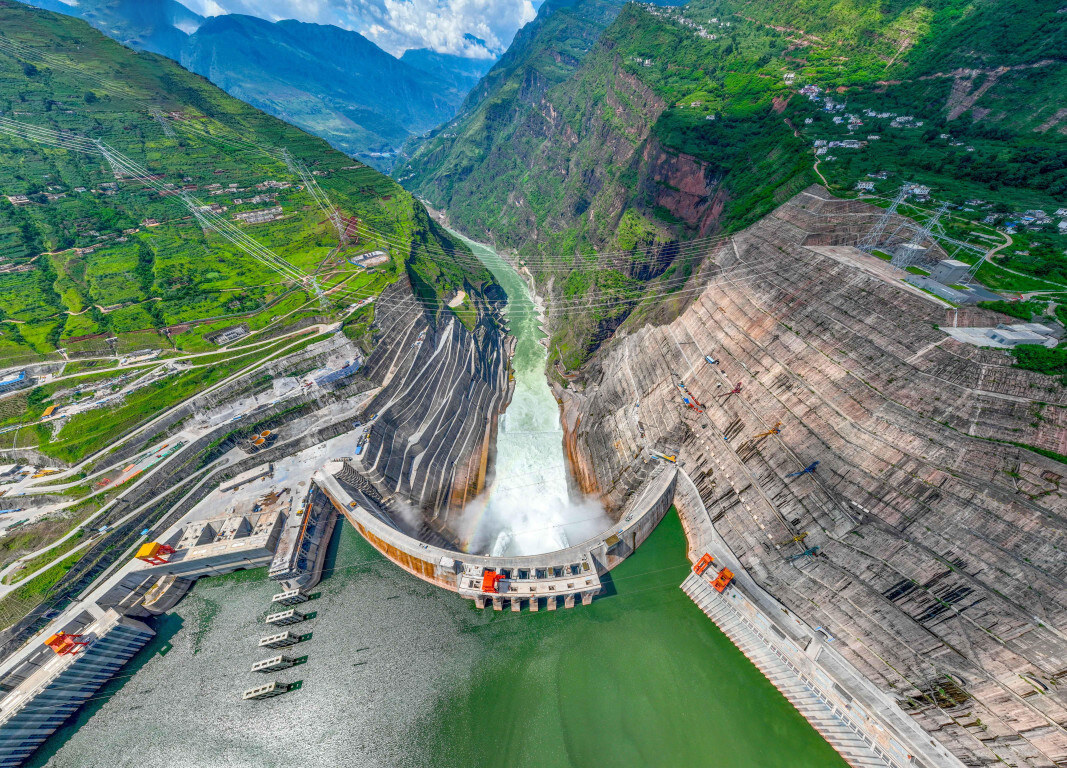
There is already a research contract for the supporting power grid
The newly added power generation capacity needs to be supported by supporting lines. The African Development Bank intends to support the strengthening of the 30 kV line to Dingilaye and Farana; In March 2026, the information on the award of research contracts for the restoration and strengthening of medium and low voltage power grids has been announced, covering the directions of the Dabola to Bisikirima to Dingiraye and the Dabola to Farana lines. This indicates that both power generation facilities and supporting power grids have their own arrangements for promotion, with the signing of loans for hydropower stations and research contracts for supporting power grids. The subsequent construction of both parts still needs to be continued. The line research contract corresponds to the preliminary technical work, and the subsequent equipment procurement and construction arrangements will determine which companies can participate. Keywords: Infrastructure news and information, hydropower stations, infrastructure
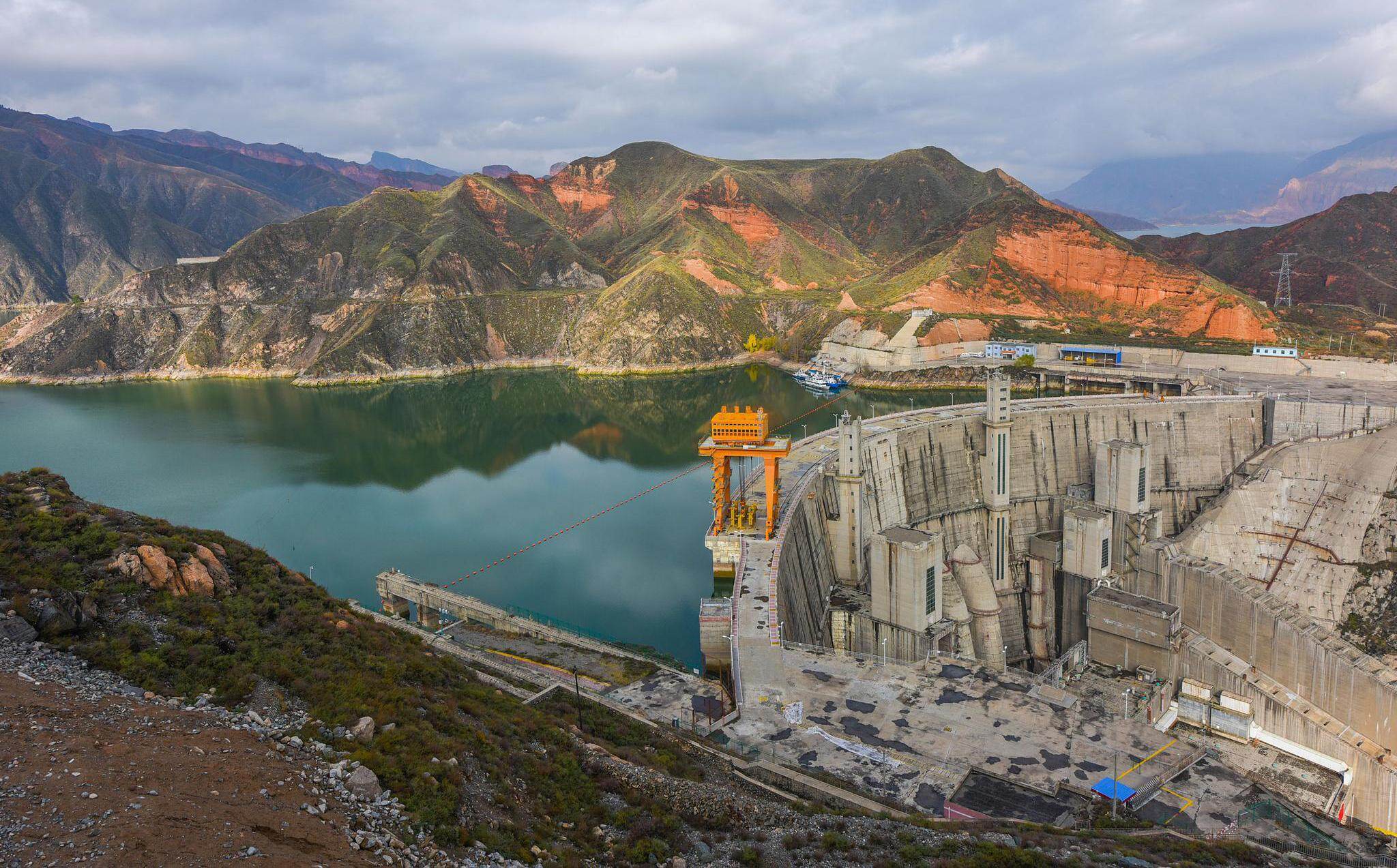
Chinese enterprises can track two types of purchases separately
For Chinese hydropower contractors and unit suppliers, useful information in the near future is the implementation subject, bidding package division, and construction schedule of Tingkiso Phase II; For cable, transformer, switchgear, and line construction enterprises, a more direct tracking object is the procurement announcement, technical specifications, and supply scope of the two line directions. These are potential participation links determined based on the project content, and the specific orders will be subject to the procurement arrangements released later. Who organizes the implementation of the power station and the power grid, when they are purchased, and how they are connected and put into operation will determine when this loan is converted into engineering orders, as well as when local enterprises will use the newly added electricity.Editor/Gao Xue
Comment

 Praise
 Collect
 Comment

 Share
Share


Write something~