 Search


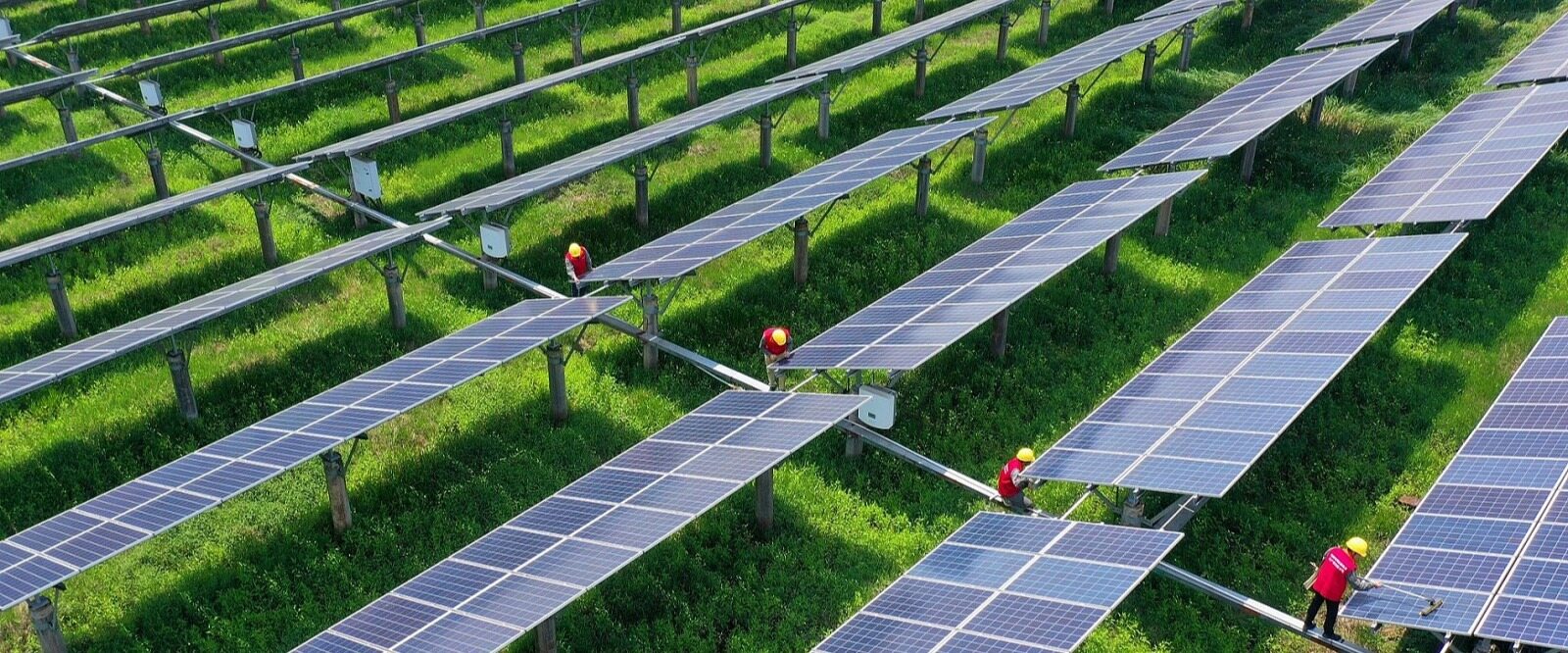
- China Jordan energy cooperation moves from an overall framework to practical implementation
- Helping Jordan stabilize its power grid, attract investment, increase employment, and also supporting the vision of building a regional green energy and technology service center
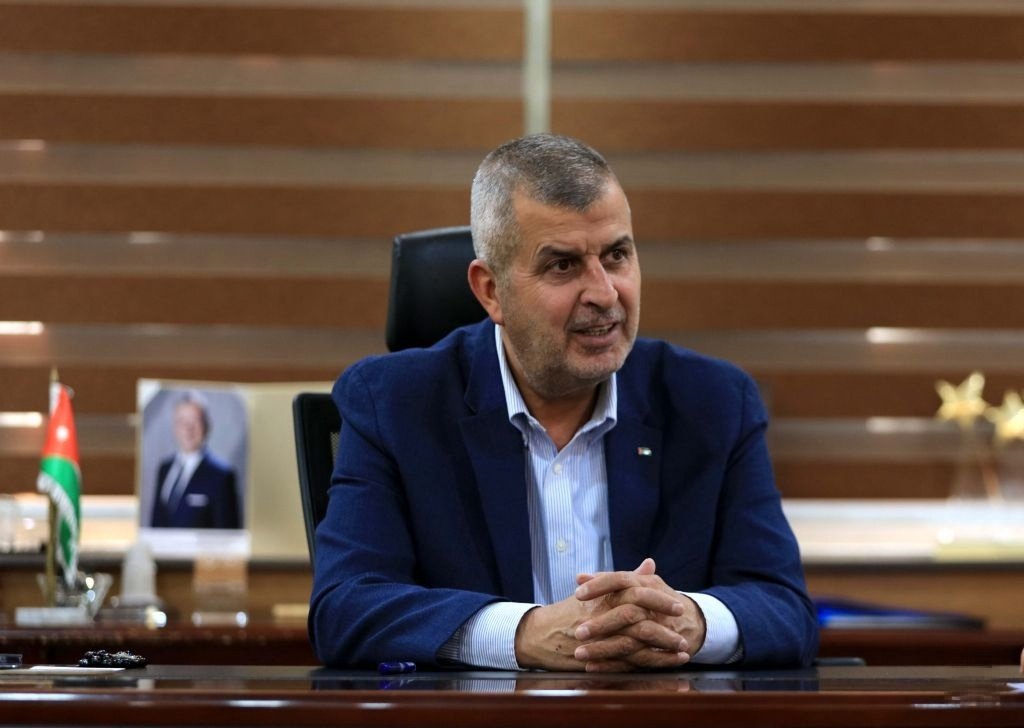
The August trip to China left a deep impression on Jordanian Minister of Energy and Mineral Resources Salih Halabsher. During his visit to China with King Abdullah II of Jordan, what he saw was not an isolated technology, but a complete industrial chain from photovoltaic panels and wind turbines to energy storage batteries and smart grid dispatch platforms. When he returned to Amman for an interview with Xinhua News Agency, he repeatedly mentioned one word: modernization. In his view, China has advanced technology and strong industrial capabilities in the fields of renewable energy, energy storage, and smart grids, and Jordan regards China as an important partner in the modernization process of the energy industry.
From framework to implementation
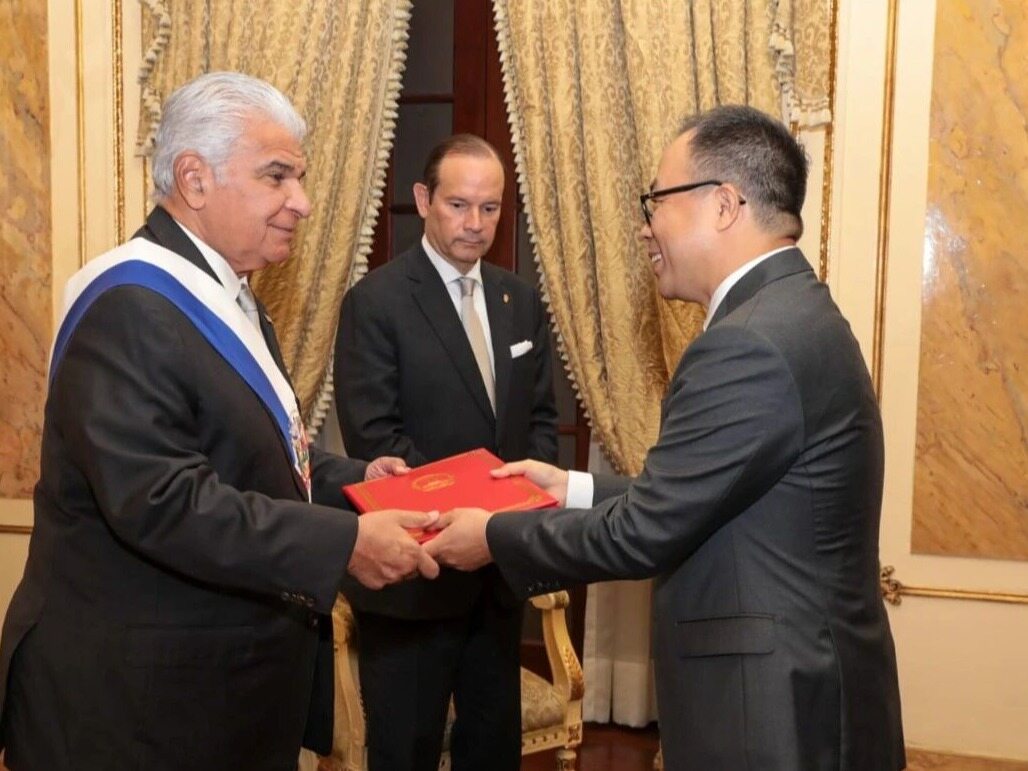
Recently, during the meeting between the two heads of state, Wang Hongzhi, Director of the National Energy Administration of China, and Halabche officially announced the signing of a memorandum of understanding on energy cooperation between the two countries. The two sides will carry out exchanges and cooperation in energy planning, electricity and renewable energy, hydrogen energy and other fields. Halabche said that this is an important step for the energy cooperation between the two countries to move from the overall cooperation framework to a more practical stage. Both sides will also explore cooperation in areas such as modernization of the State Grid, energy storage systems, renewable energy, green hydrogen, green ammonia, and building an integrated system of clean energy related industries and services.
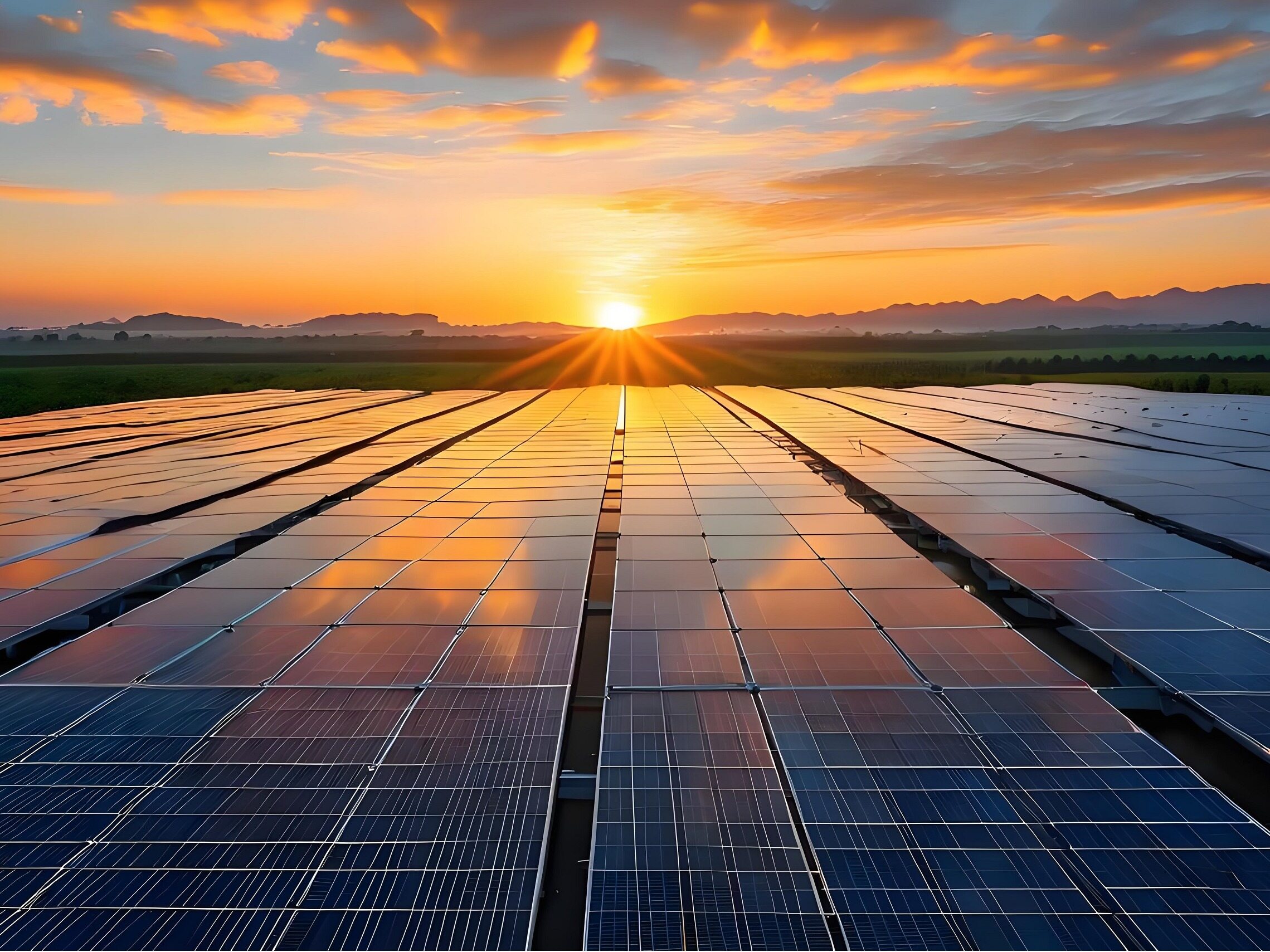
In the desert of Ma'an Province in southern Jordan, this pragmatism has taken concrete shape. The Shubak Wind Power Station operated by a subsidiary of China Three Gorges Corporation has 13 wind turbines rotating in the wind; The number of new energy power stations invested and operated by enterprises in Jordan has reached 7, spanning about 436 kilometers from north to south, which is an important source of local green electricity. The Jordanian cabinet recently approved the signing of land use agreements with Chinese companies to collaborate on feasibility studies for green hydrogen energy projects, with the cooperation boundaries constantly expanding.
Upgrading of power grid and energy storage
Jordan's energy and mineral resources are scarce, and it has long been highly dependent on imported energy. The high cost of energy consumption has always been a constraint on economic modernization. Jordan's new national energy strategy focuses on promoting the development and modernization of the energy industry, increasing the proportion of renewable energy use, and upgrading and transforming the power grid using battery energy storage and artificial intelligence technology.
Harab Sheh stated that cooperation with Chinese companies has enabled Jordan to learn from China's experience in developing the power grid, introduce advanced energy storage solutions, improve grid stability and reliability, and effectively respond to the growing demand for renewable energy. He specifically mentioned that Chinese technology can help improve energy efficiency, reduce losses, and thus have a positive impact on fields such as water, industry, and transportation.
Leading to the regional green hub
In Halabche's vision, cooperation with China goes far beyond buying equipment and building power stations. It helps attract high-quality investment into Jordan, develop new projects, create employment opportunities, strengthen energy and mining related industries and services, enhance local added value, and strengthen Jordan's economic competitiveness. He looks forward to establishing successful cooperation with more Chinese partners, expanding cooperation to a wider range of technology, innovation, and knowledge transfer fields, and helping to build local value chains.
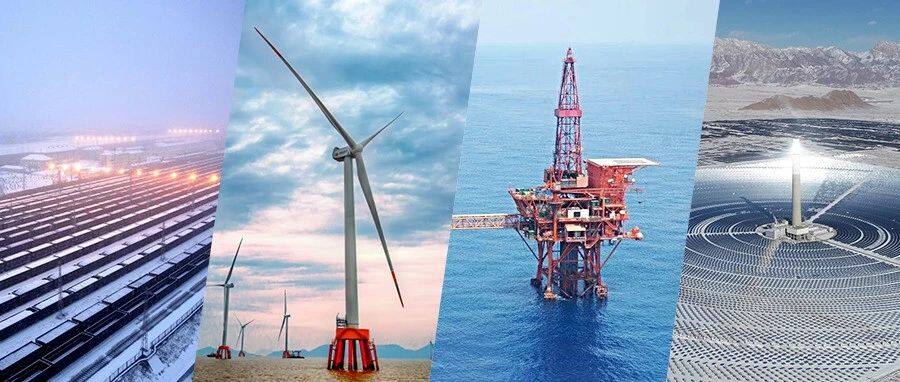
This also complements the cooperation between the two countries in the fields of environment and climate change, in line with the goal of transitioning to a more sustainable and efficient economy and reducing emissions. Halabche believes that the Jordan China energy partnership can become a model of cooperation based on investment, capacity building, and shared added value. While ensuring Jordan's energy needs, it can also provide a platform for the development of emerging industries, help Jordan become a regional center for green energy and related services and technologies, and promote further development of bilateral relations.Editor/Yang Meiling
Comment


 Praise
 Collect
 Comment

 Share
Share


Write something~