 Search


- China and Canada upgrade to a community with a shared future in the new era, with cooperation covering green livelihoods

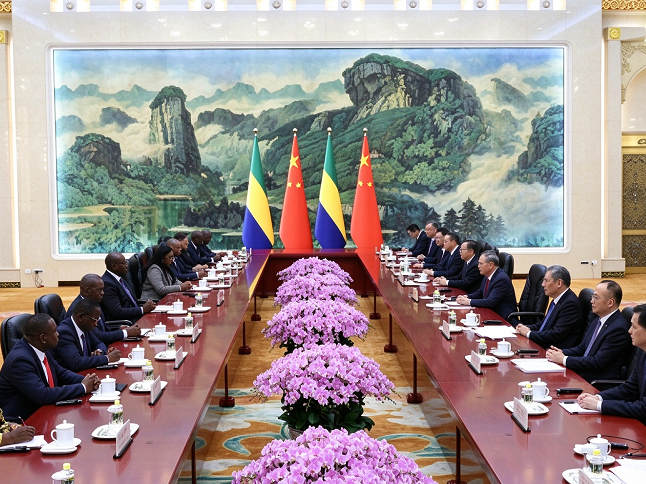
On November 6, 2026, in the East Hall of the Great Hall of the People in Beijing, signature tables were lined up in a row. Gabonese President Brice Clotter Origi Nguima visited China, and representatives from both sides signed six memorandums of understanding one by one. After the signing of the document, the two countries announced that their bilateral relations would be elevated to a community with a shared future for China and Canada in the new era. There was no lengthy ceremony, and the direction of China Canada cooperation was redefined between the pen and the pen.
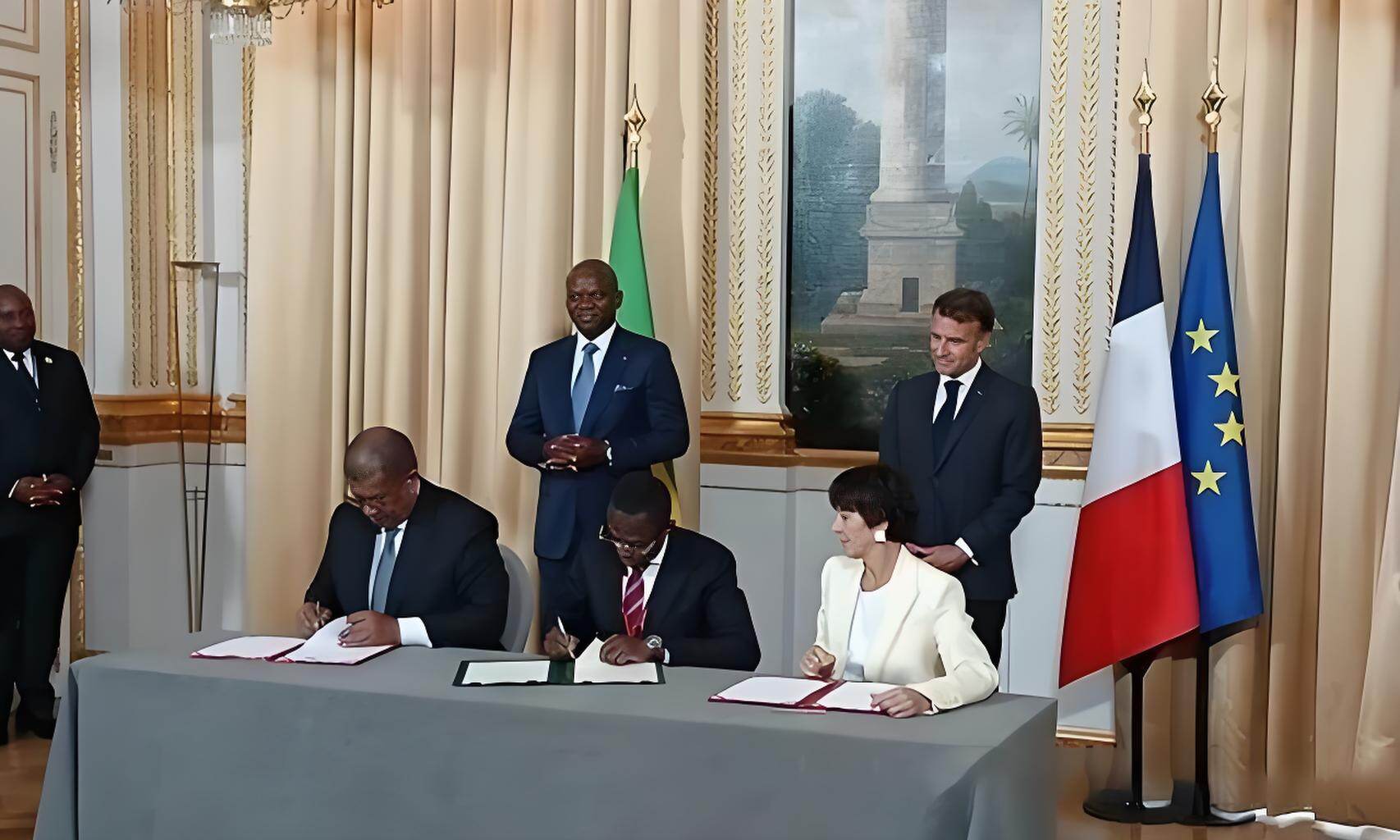
Six documents have been finalized
Six memorandums of understanding cover resource development, green transformation, agriculture and forestry industries, healthcare, emergency relief, and cultural exchanges. The document not only aligns with Gabon's new industrialization plan, but also responds to Gabon's practical needs for economic diversification and reducing reliance on a single resource. Gabon is located in central and western Africa, with high forest coverage and outstanding oil, gas, and mineral endowments. It has long relied on resource exports as its economic pillar, but its industrial chain extension and manufacturing support are relatively weak. This cooperation puts resource development and ecological protection on the same table, supporting Gabon to rely on its own endowments to pursue a sustainable and low emission development path. For Gabon, these documents are not abstract commitments, but rather a list of cooperation that can correspond to specific industries and livelihood scenarios, from mineral processing to value-added agricultural and forestry products, from green energy to public health services. The direction of cooperation is in line with Gabon's pace of promoting economic transformation.
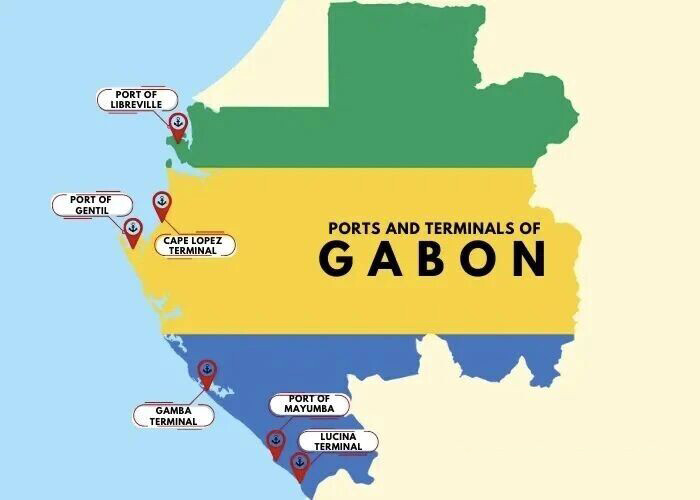
Resource Green Dual Line
In the fields of mining, forestry, and new energy, China's mature equipment, engineering, and operation and maintenance experience can help Gabon supplement its industrial chain support. Gabon's stable business environment and location conditions also provide a landing point for Chinese enterprises to invest in Africa and expand their technology overseas. Cooperation is not limited to resource extraction, but extends to processing, logistics, and supporting services to help Gabon transform its resource advantages into industrial capabilities. The livelihood sector is also specific, and cooperation in medical and health care and emergency rescue will enhance local disaster response and public health security capabilities, consolidating the foundation of grassroots livelihood. Two lines are advancing in parallel, one pointing towards industrial capacity and the other towards improving people's livelihoods. The cooperation structure takes into account both short-term project implementation and long-term capacity building. Keywords: the Belt and Road news network, China Canada cooperation, resource development, energy transformation
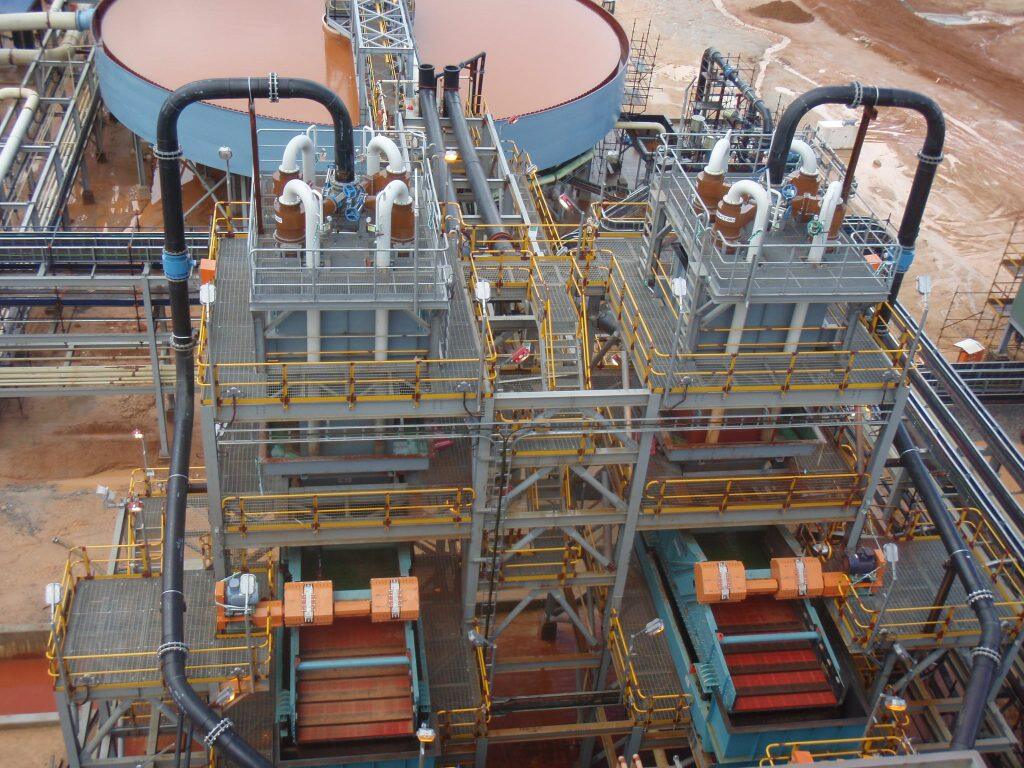
Equal partners for mutual benefit
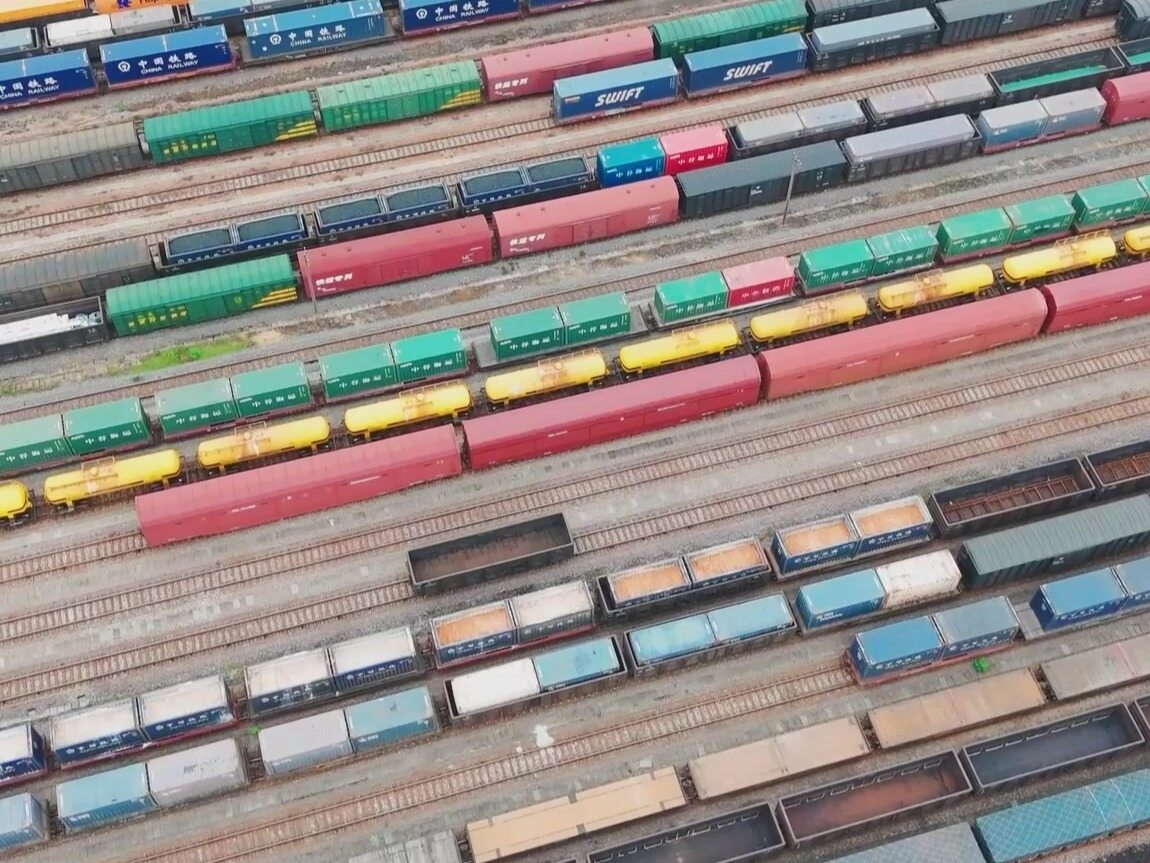
China Canada cooperation continues the policy concept of genuine, friendly, and sincere relations with Africa, as well as the correct view of righteousness and benefit. The two countries respect each other's development path choices, focus on common development demands, do not attach political conditions, and do not engage in exclusive arrangements. For South South cooperation, this two-way rush between equal partners provides a reference sample. As an important partner under the framework of China Africa cooperation, Gabon's stable development and regional influence also contribute to driving connectivity and industrial cooperation in Central Africa. Standing at a new starting point, the six memoranda will gradually be implemented, from industrial projects to civil exchanges, from green and low-carbon to emergency linkage. The boundaries of China Canada cooperation will continue to expand, and it will also add a concrete practice for the unity and self-improvement of countries in the global South.Editor/Gao Xue
Comment



 Praise
 Collect
 Comment

 Share


Write something~