 Search


- Exchange mature models for overseas technology access, supporting the UAE's high proportion of new energy grid connection
- It also saves performance for domestic gas turbines and provides a time window for Chinese enterprises to go global for engineering projects
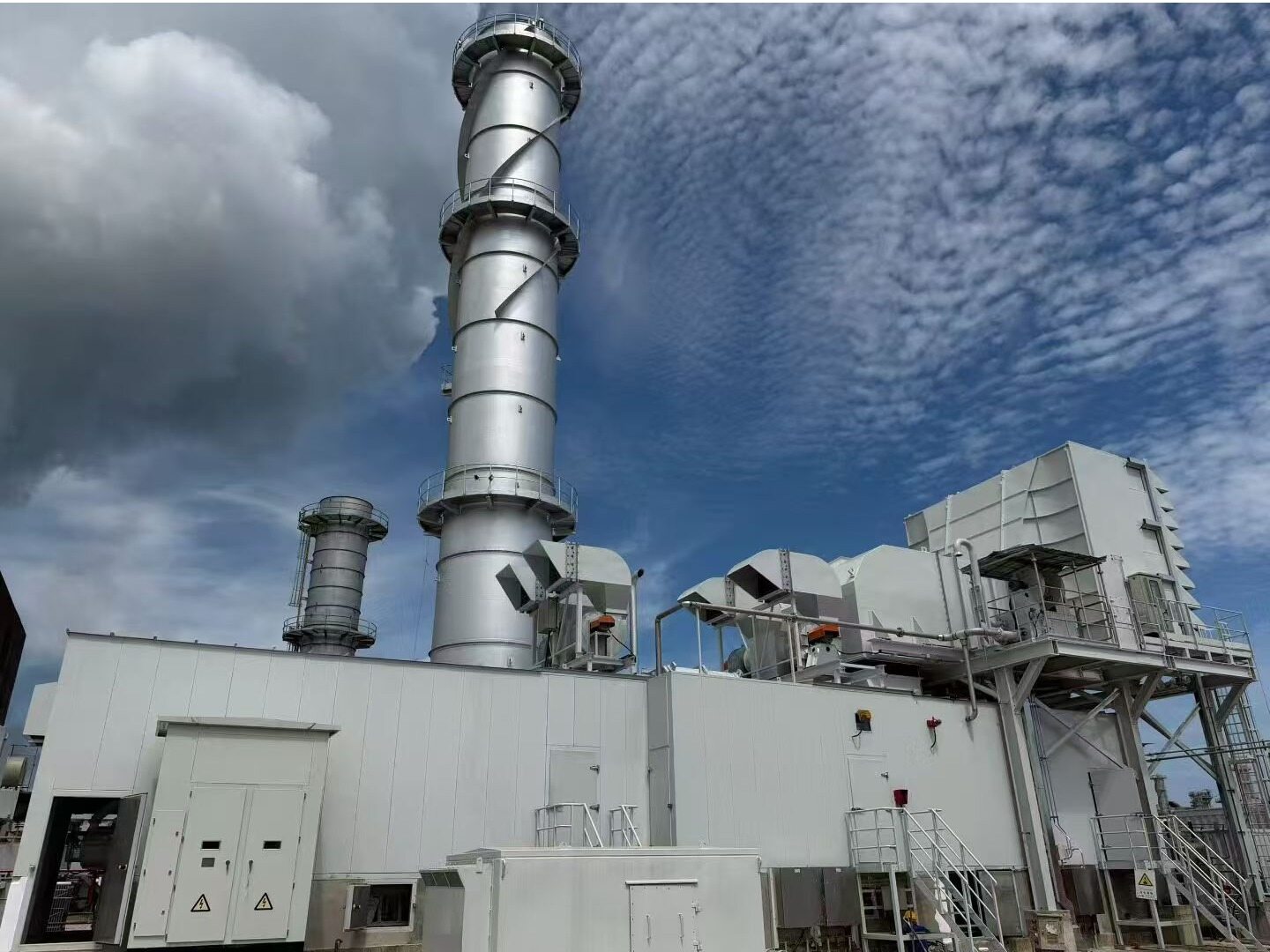
On November 6, 2026, at the 9th China International Import Expo (CIIE) Shanghai National Convention and Exhibition Center, CEEC trade groups signed a total of 1.627 billion US dollars in purchase orders with companies from the United States, Germany, the United Kingdom, Italy, Portugal, Japan, Singapore and other countries. Many people first read it as a price tag for a gas turbine, but in fact, this is the total amount of the group's packaged contracts, covering multiple countries and categories of equipment; The supply agreement for gas turbines and steam turbines for the Tevila C power plant signed between Guangdong Thermal Power and Siemens Energy is only a sub item, and the individual contract amount for gas turbines has not been officially disclosed. What the industry is really focusing on is the next stop for this batch of equipment: crossing the ocean and installing it at a power station on the edge of the Abu Dhabi desert.
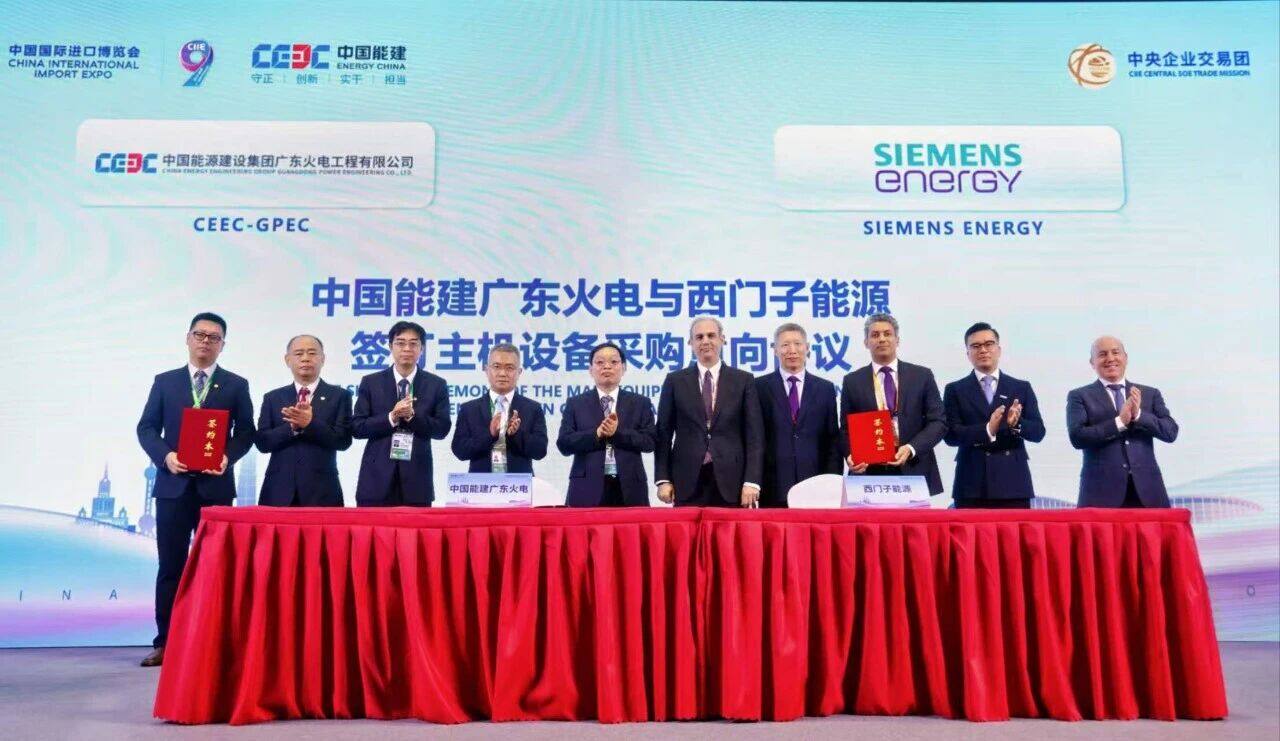
The Journey of a Gas Turbine
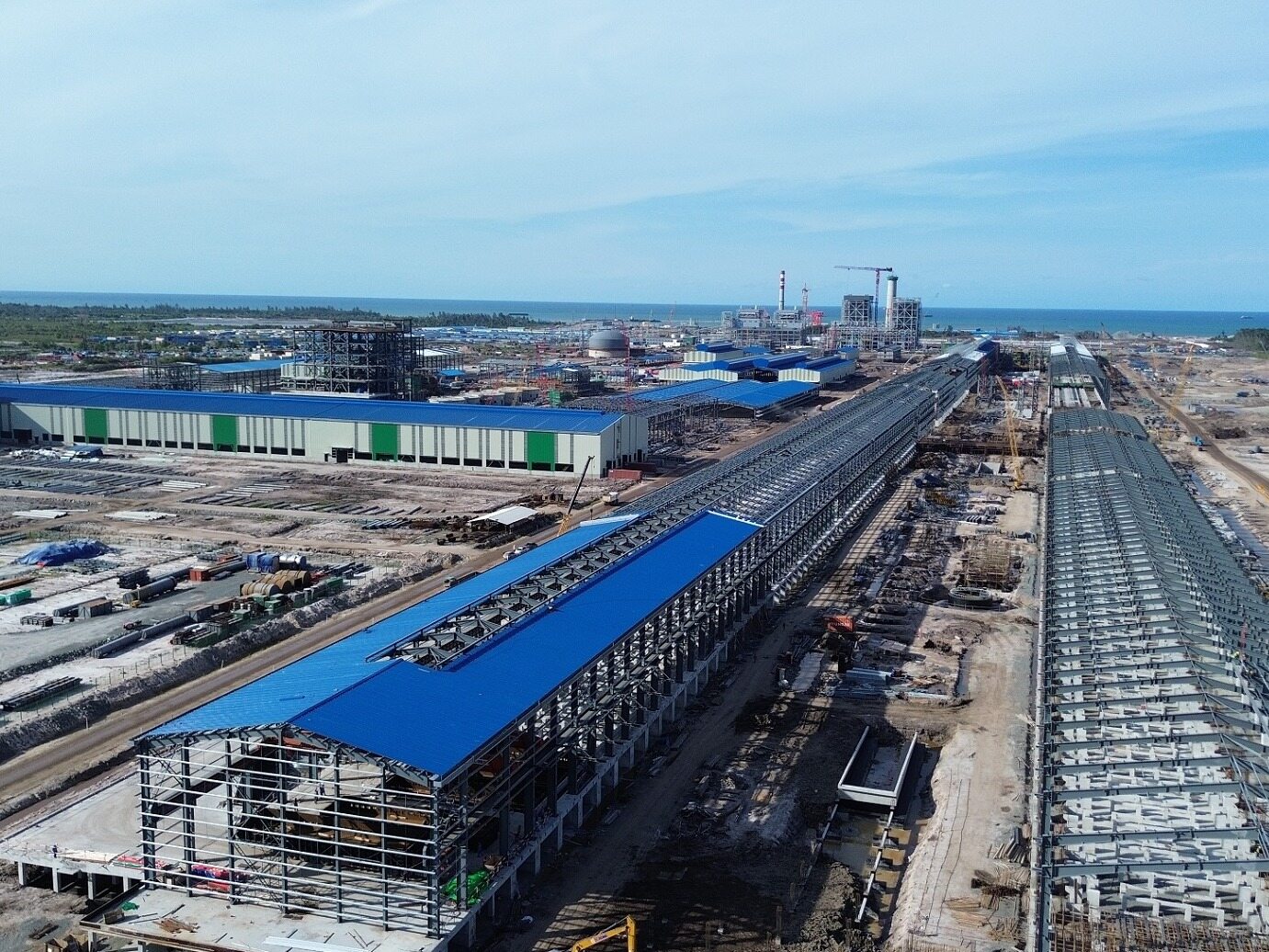
The net output of the Tevila C gas combined cycle power plant is 2600 MW, and it is planned to be put into commercial operation in 2029. The EPC general contract will be implemented in June 2026, with a total amount of 1.687 billion US dollars. It is a joint venture composed of China Energy Engineering International, China Energy Engineering Guangdong Electric Power Design and Research Institute, and Guangdong Thermal Power, responsible for the entire process of design, supply, construction, commissioning, and quality assurance. The project is jointly developed by Abu Dhabi National Energy Company, Saudi Arabia's Al Jumeirah Energy Water, and Singapore's Shengke Industrial. The electricity generated is acquired by UAE Hydro, and carbon capture and storage conditions are also reserved in the design.
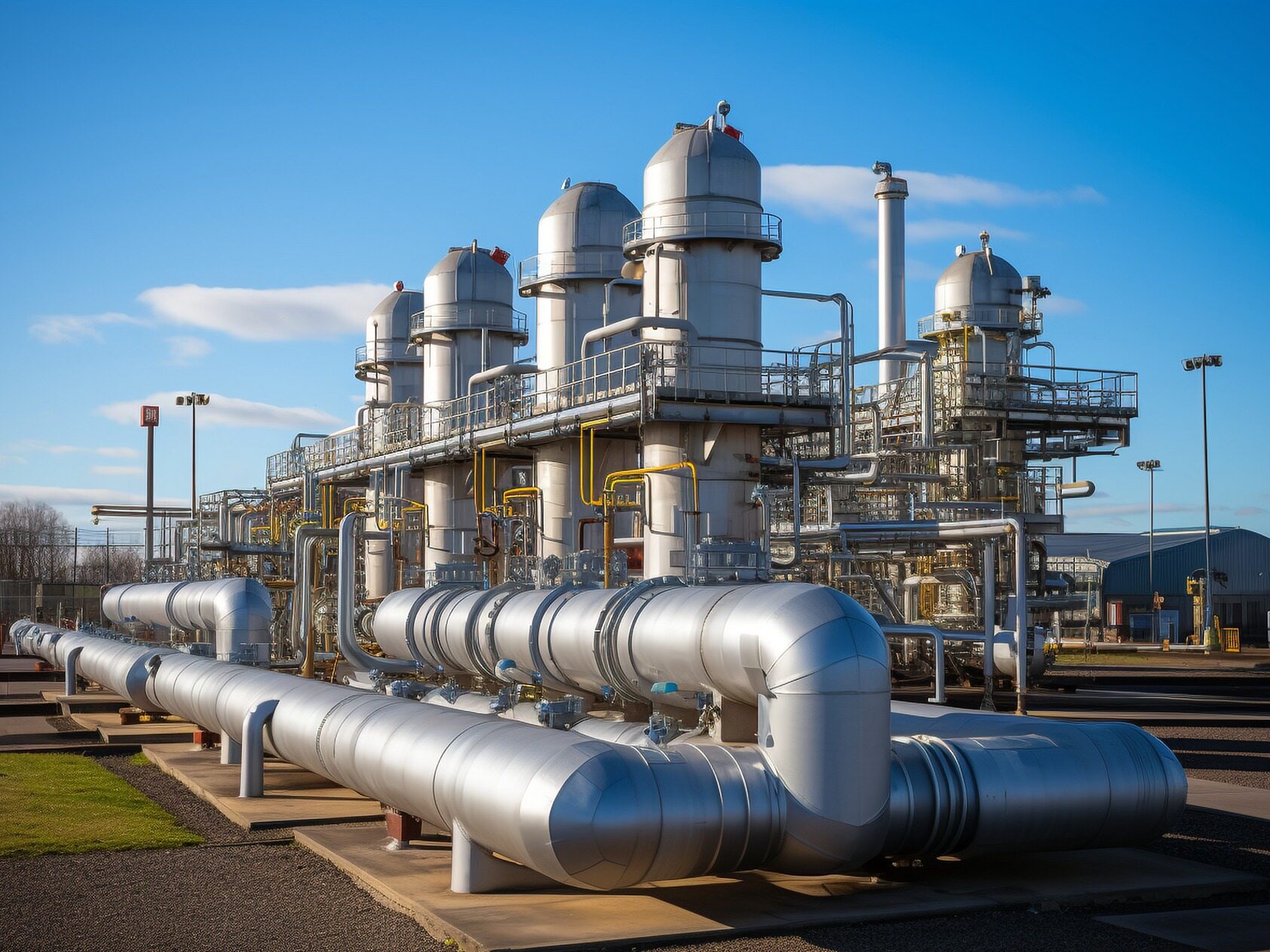
The power station is equipped with three Siemens SGT5-9000HL heavy-duty gas turbines, marking the first time HL class gas turbines have entered the UAE. Synchronous supporting photovoltaic power stations feed green electricity into the grid, while gas turbines stabilize photovoltaic fluctuations by rapidly increasing and decreasing output, serving a high proportion of new energy grid connection, and undertaking peak shaving and stable supply functions like independent energy storage. The scale for measuring the power system is shifting from installed capacity to effective capacity and adjustability, and such top-notch flexible power sources are becoming increasingly scarce; HL level models still have room for blending green hydrogen and connecting with long-term energy storage.
Buying equipment is more qualified
The threshold for high-end energy projects in the Middle East is often not written on the parameter table, but on the performance list. The bidding documents require core and auxiliary equipment suppliers to have records of similar units being put into operation overseas, and even auxiliary equipment such as vacuum pumps must have a proven track record of F-class and above gas turbines being put into operation overseas; The technical review between the owner and the financing party identified the units that have been run over.
The localization of domestically produced F-class gas turbines continues to advance. This year, the independently developed F-class heavy-duty gas turbine was exported to Kazakhstan for the first time, achieving a breakthrough of zero; But higher-level H-class models are still controlled by a few international manufacturers, and domestic HL class models still lack overseas production performance. The speed at which Chinese EPC companies acquire orders in the Middle East is faster than the pace of overseas performance accumulation of high-end power generation equipment. The general contractor cannot bet on the construction period, grid connection nodes, and financing review of a 2600MW power station with a model that does not have similar overseas performance. Choosing mature models is not about giving up on technology, but about engineering rationality: the core of procurement is not just hardware, but also the necessary performance and qualification admission conditions for overseas owners in the technical review process.
Take two paths together
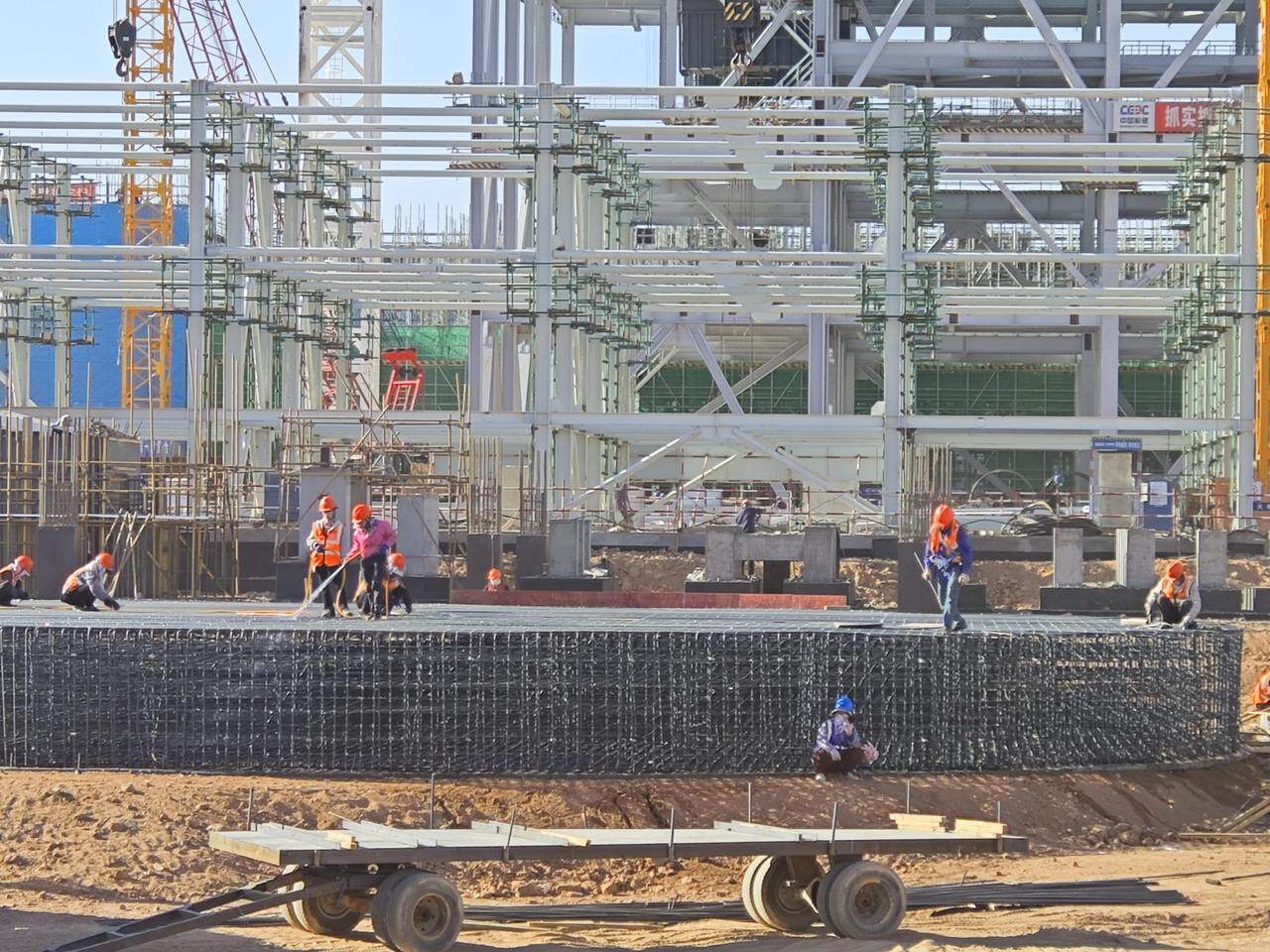
This list is not isolated. During the previous CIIE, China Energy Engineering Corporation purchased wind and photovoltaic supporting electrical equipment from Siemens Energy, which has now landed in Saudi Arabia's PIF5 wind power and Fulis 2GW photovoltaic projects. PIF5 is currently the world's largest onshore wind power project under construction and a core component of Saudi Arabia's 2030 Vision and National Renewable Energy Plan. After completion, it can generate 3.8 billion kilowatt hours of electricity annually, reduce carbon emissions by over 3.1 million tons, and meet the electricity needs of approximately 300000 households. From signing contracts at the exhibition booth to pouring wind turbine foundations in the desert, procurement is becoming grid connected electricity. The total contract value of China Energy Construction's ongoing projects in the Middle East region has exceeded 21 billion US dollars, forming a rolling development pattern of one batch completed, one batch under construction, and one batch reserved in Saudi Arabia and the United Arab Emirates.
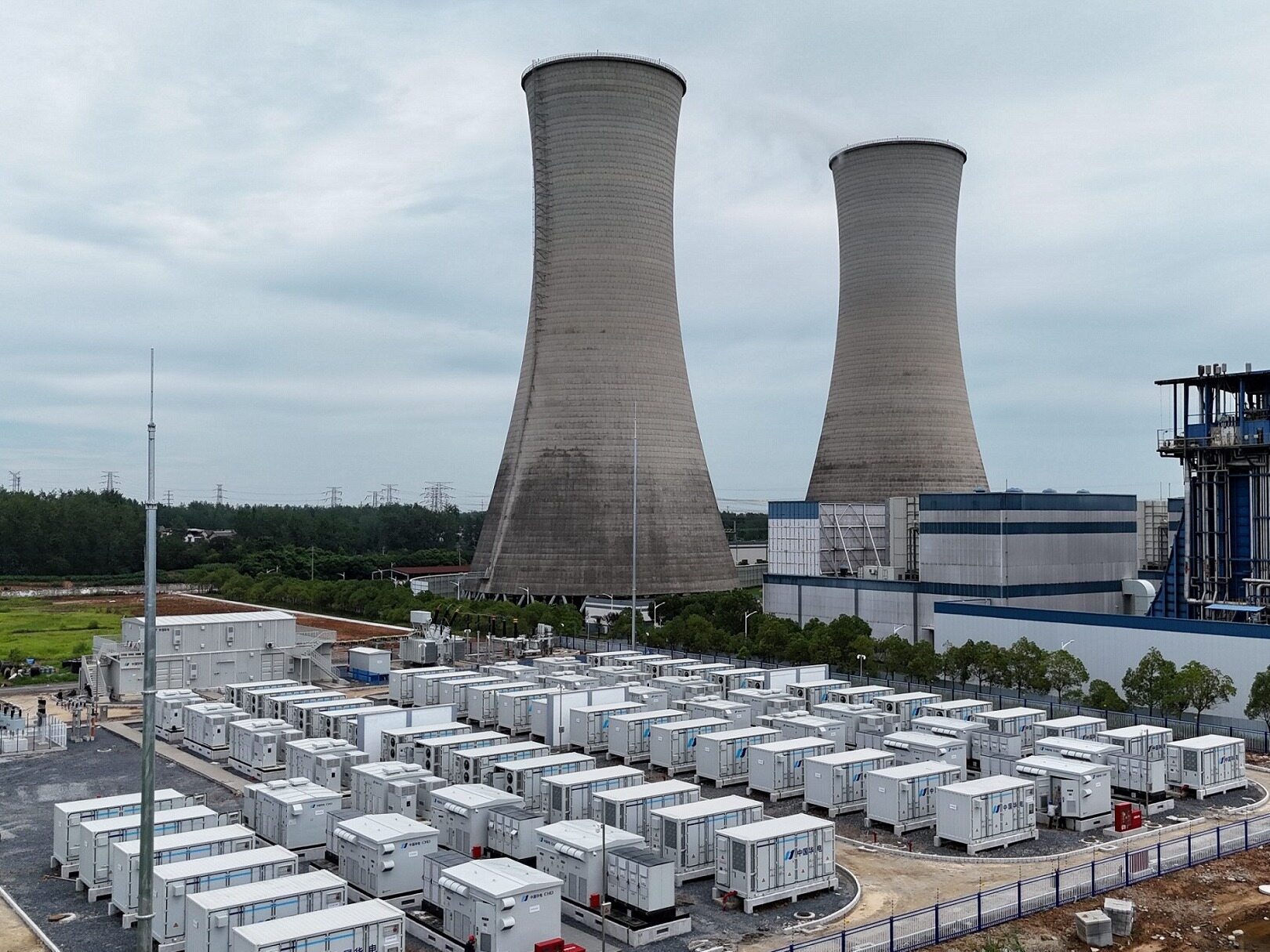
Looking ahead, gas peak shaving and battery energy storage are two parallel routes: Abu Dhabi has included energy storage in its long-term power plan and clearly stated that with the launch of energy storage, the proportion of gas-fired power generation that balances volatile new energy will gradually decrease; The all-weather power supply project of local photovoltaic distribution and storage, as well as the successive release of gigawatt level independent energy storage orders by Saudi Arabia, are pushing batteries into the capacity market originally undertaken by gas turbines. The ability of engineering general contracting can first open up the market, but equipment performance still needs to be accumulated one by one. We will continue to track the breakthrough of the first overseas order of domestically produced HL class gas turbines, as well as the landing pace of large-scale independent energy storage projects in the United Arab Emirates and Saudi Arabia.Editor/Yang Meiling
Comment

 Praise
 Collect
 Comment

 Share


Write something~