 Search


- The expression of a single channel is enough to rewrite the trade map of Central Asia
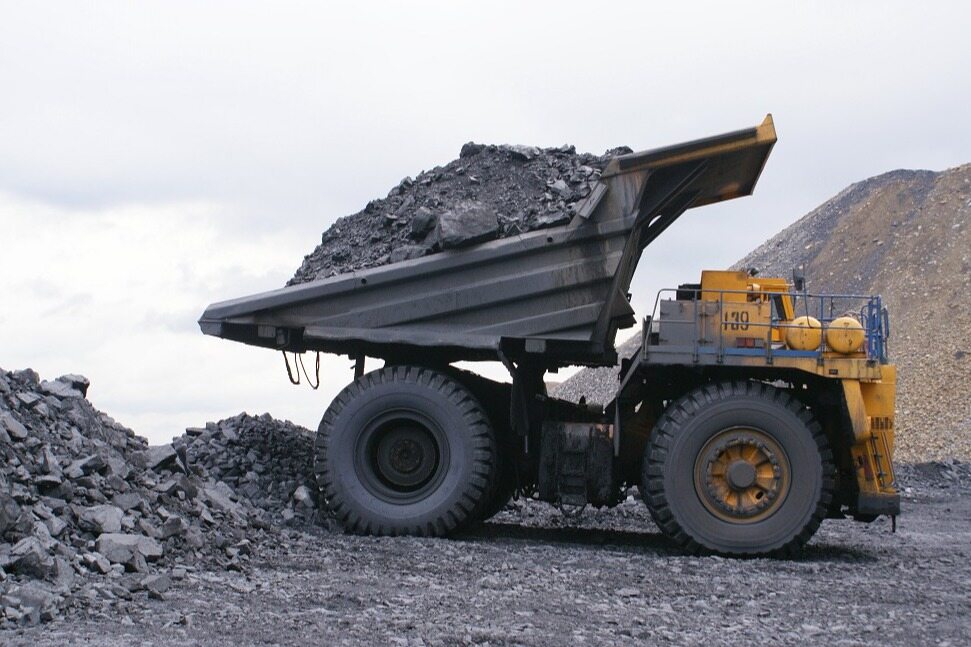
Under a scheduling order in August, coal traders in Kazakhstan began counting the days. One million tons in August, 500000 tons in September, and only 30000 tons left in October. The coal piled up in the mining area is waiting for an uncertain approval. Only then did they understand that the problem was not the coal price, but who had the the final say on this road.
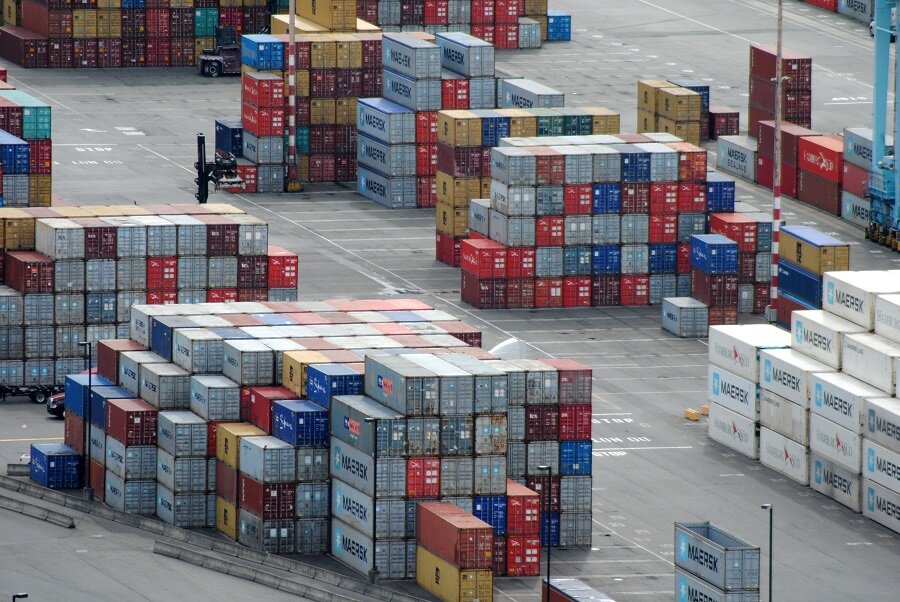
Reduced to zero in three months
The Russian railway company has not recently approved any coal transit applications from Kazakhstan to Baltic ports via Russia in October and November. The transportation volume has dropped from a 27% year-on-year increase of 11.7 million tons in 2025 to 1 million tons in August, 500000 tons in September, and only 30000 tons in October. The reason is not complicated. Since early September, the Russian side has prioritized the transportation of their own grain and ensured the shipment from Ust Luga Port; In August, the air transportation from the Azov Sea to the Black Sea was interrupted, and the Taman Port was shut down. All Russian domestic goods were squeezed towards the Baltic Sea, and the space for Harbin coal was squeezed out. Traders predict that this situation will not ease until the first quarter of 2027 at the earliest, with exports of up to 3.5 million tons worth 400 million to 470 million US dollars hanging in mid air by the end of the year. Keywords: Kazakhstan coal, Trans Caspian Sea corridor
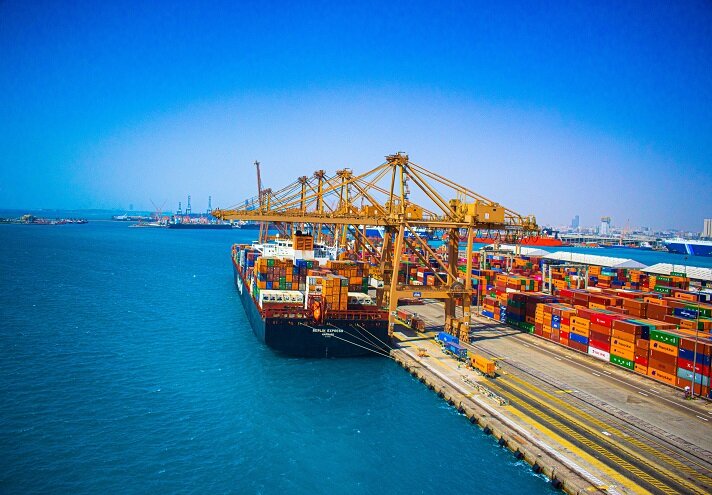
To the west, circumnavigate the Caspian Sea, and to the east, enter China
Kazakhstan is a landlocked country that heavily relies on Russian railways and ports for coal exports. The Russian port passage used to be cheap and smooth, and coal plants had no incentive to find another route. Now, when it tightens, the matter of someone else holding their throat is exposed. There are only two ways to go: go west to the Caspian Sea, from Aktau and Kurek Port to the international transport corridor across the Caspian Sea to the Caucasus and Europe. The freight is high and the time is long, but the channel itself is the final say; Borrowing the China Kyrgyzstan Uzbekistan Railway and cross Caspian Sea intermodal transportation to bring coal and minerals into the Chinese and East Asian markets, not only digesting production but also meeting the energy and chemical needs of the northwest. Both lines cannot fill the hole left by Russia and Hong Kong in the short term, but the direction is clear. De Russification is not a multiple-choice question, but a forced transition. For Guangdong enterprises, the instability of others' channels and China's certainty are selling points: freight forwarders, trains, and warehouses for cross Caspian Sea transit, energy, chemical, and metallurgical production capacity in the northwest connecting to Harbin Coal Mine, expansion of Caspian Sea ports, and locomotives and loading and unloading equipment for trains are all viable options.Editor/Min Jing
Comment


 Praise
 Collect
 Comment

 Share


Write something~