 Search


- Uzbekistan launched a large-scale railway upgrade plan to store energy for the opening of the China Kyrgyzstan Uzbekistan railway
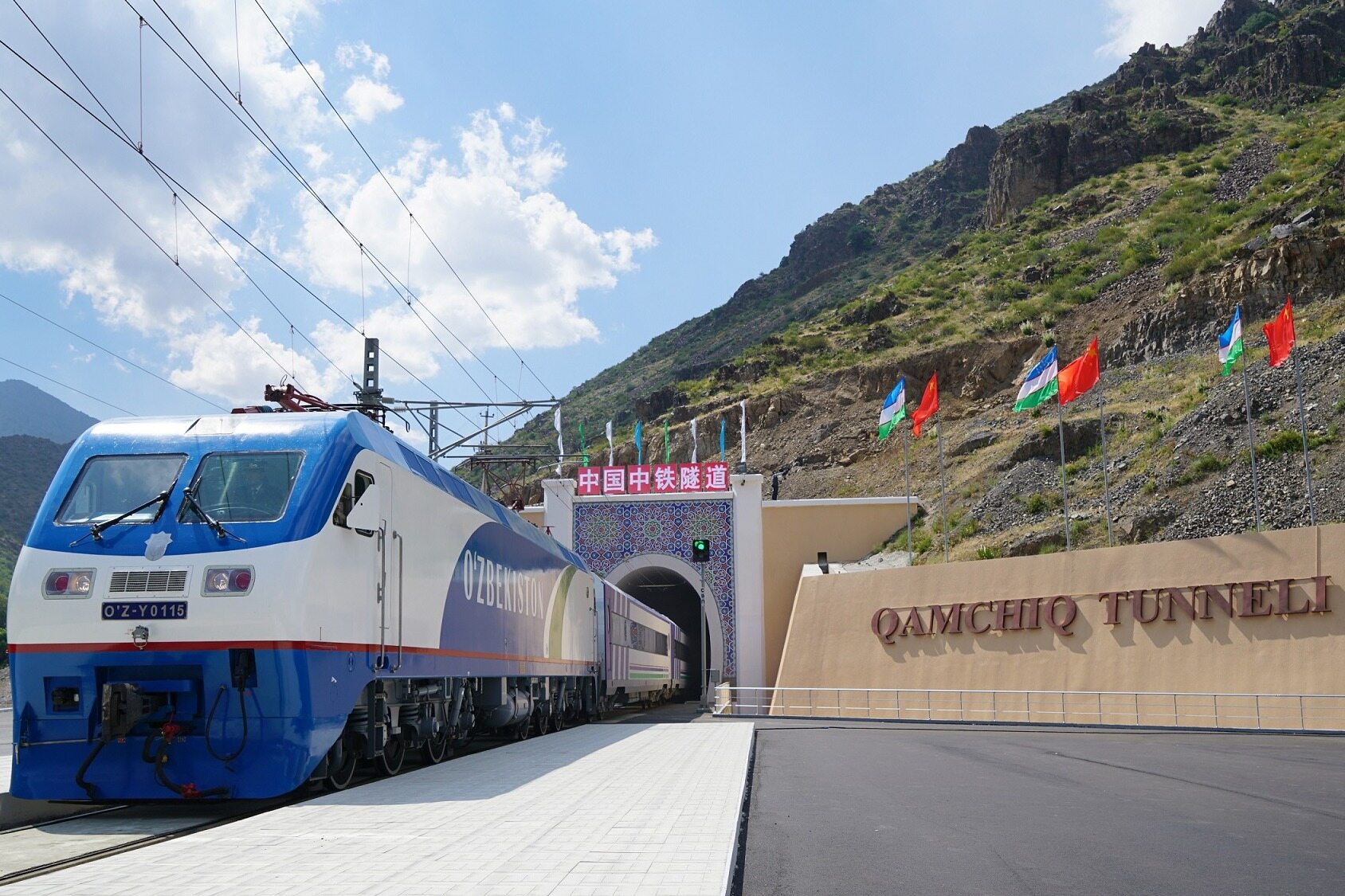
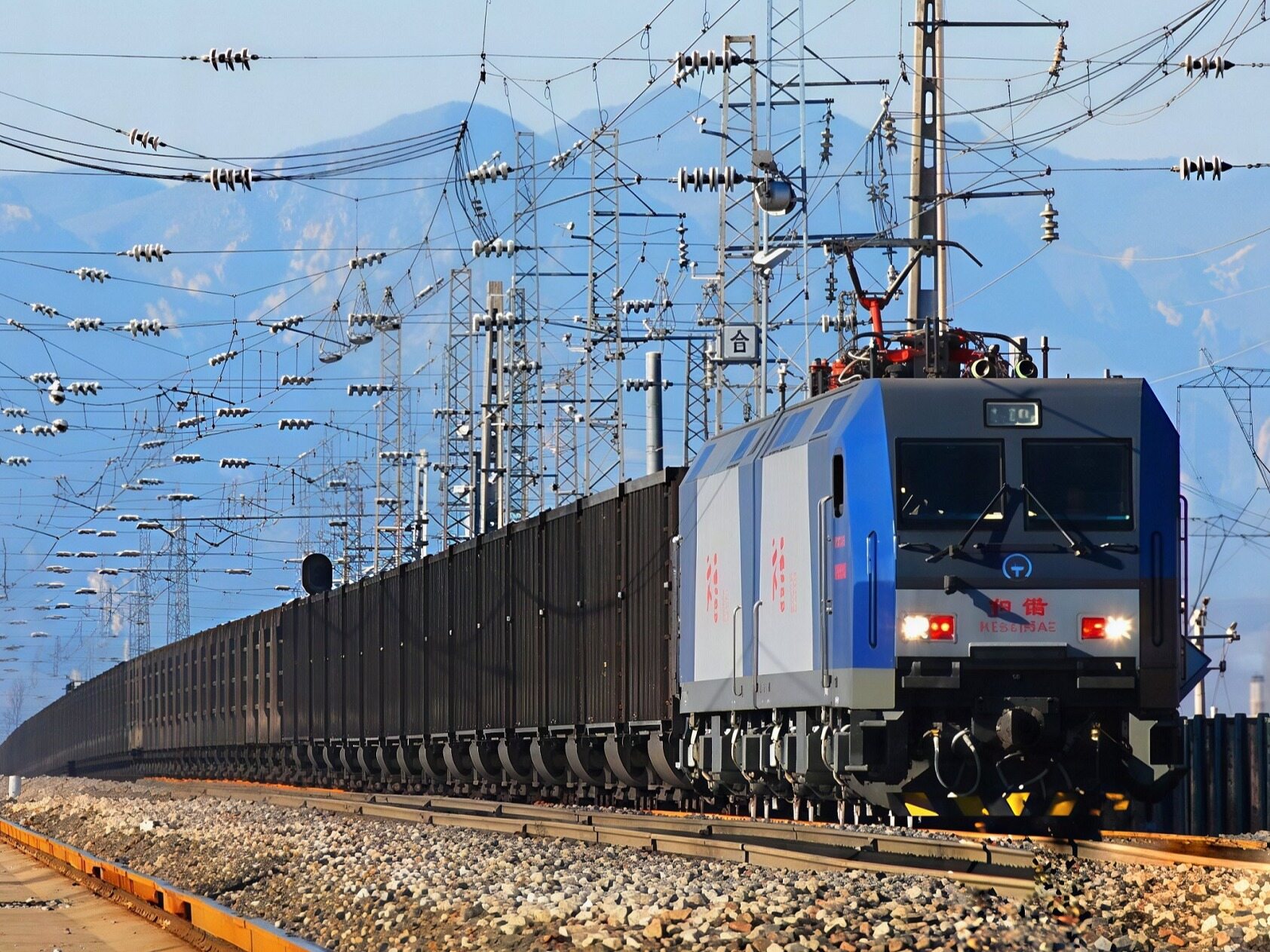
With the steady progress of the China Kyrgyzstan Uzbekistan railway, a major land artery connecting China, Kyrgyzstan, and Uzbekistan is taking shape. After the channel is put into operation, cross-border freight flow will experience explosive growth. The existing railway capacity in Uzbekistan is already under pressure, and many lines have been operating at full capacity or even overloaded for a long time. In order to catch up with the upcoming increase in freight volume, local high-level officials convened discussions with investors and enterprise representatives in the transportation and logistics field to finalize the entire railway network expansion and renovation plan, fill in the infrastructure gaps in advance, and seize the development dividends brought by cross-border channels. According to calculations, the freight volume in this direction will increase tenfold after the opening of the channel, reaching 15 to 16 million tons per year. The huge transportation demand is forcing Uzbekistan to accelerate the iteration of the road network.
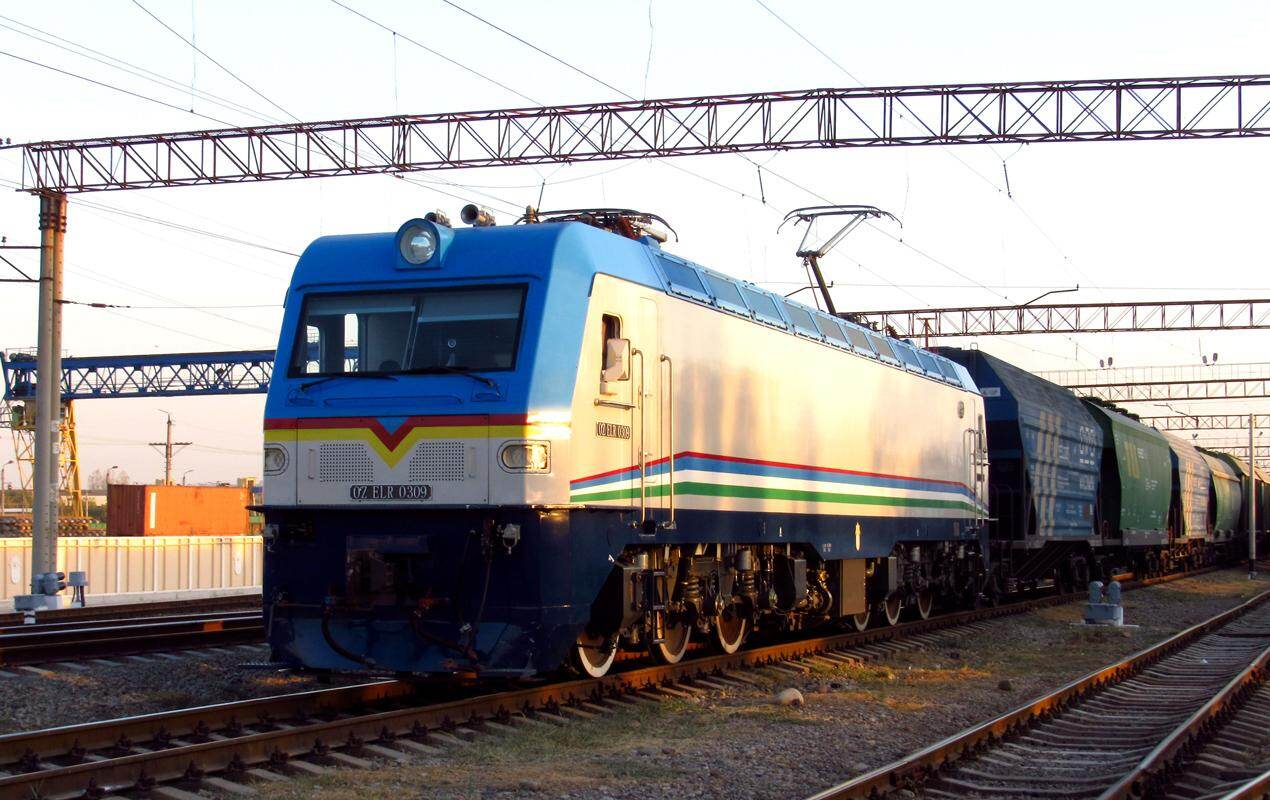
Road network expansion
Uzbekistan has set a phased goal for 2030, planning to build 545 kilometers of railway, increase the proportion of electrified lines to 65%, and increase the number of electrified trains to 31. In 2027, the Angren Papu Railway renovation will be promoted, and the double track construction plan for the line will be simultaneously discussed. In April of that year, the double track project for the Angren section in Tukimach began. In the same year, the renovation of the Tashguzharkumkurgan section will be completed, and the electrification of the Andijan Hanabad and Kumkurgan Kudukli lines will be promoted. The Tashkent Samarkand high-speed railway will also commence construction. Every year, 5000 to 6000 new freight carriages are added locally, accompanied by tax incentives. Imported freight carriages are exempt from value-added tax, and line usage fees can be reduced by up to 20%. Local carriages used in international freight transportation are subject to zero value-added tax rates. The total investment of the entire railway project has reached 8 billion US dollars, and Uzbekistan is open to cooperation with international financial institutions and various investors.
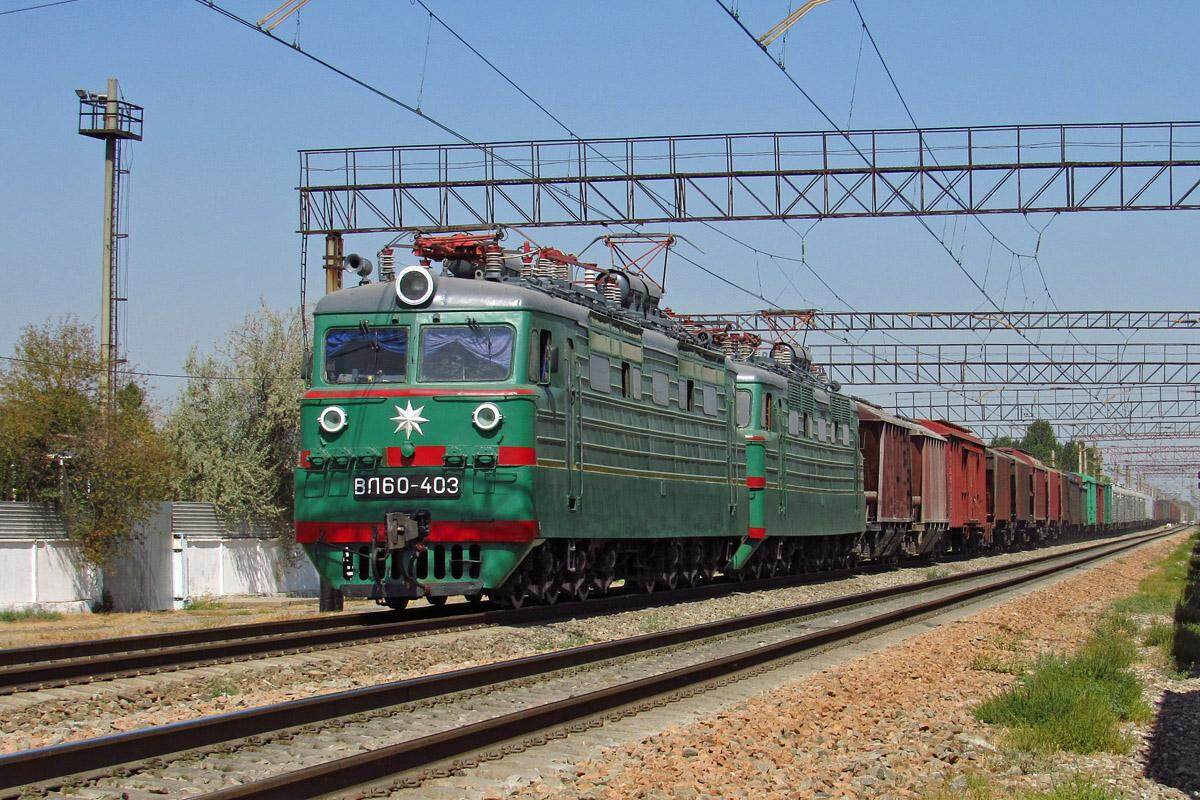
Logistics quality improvement
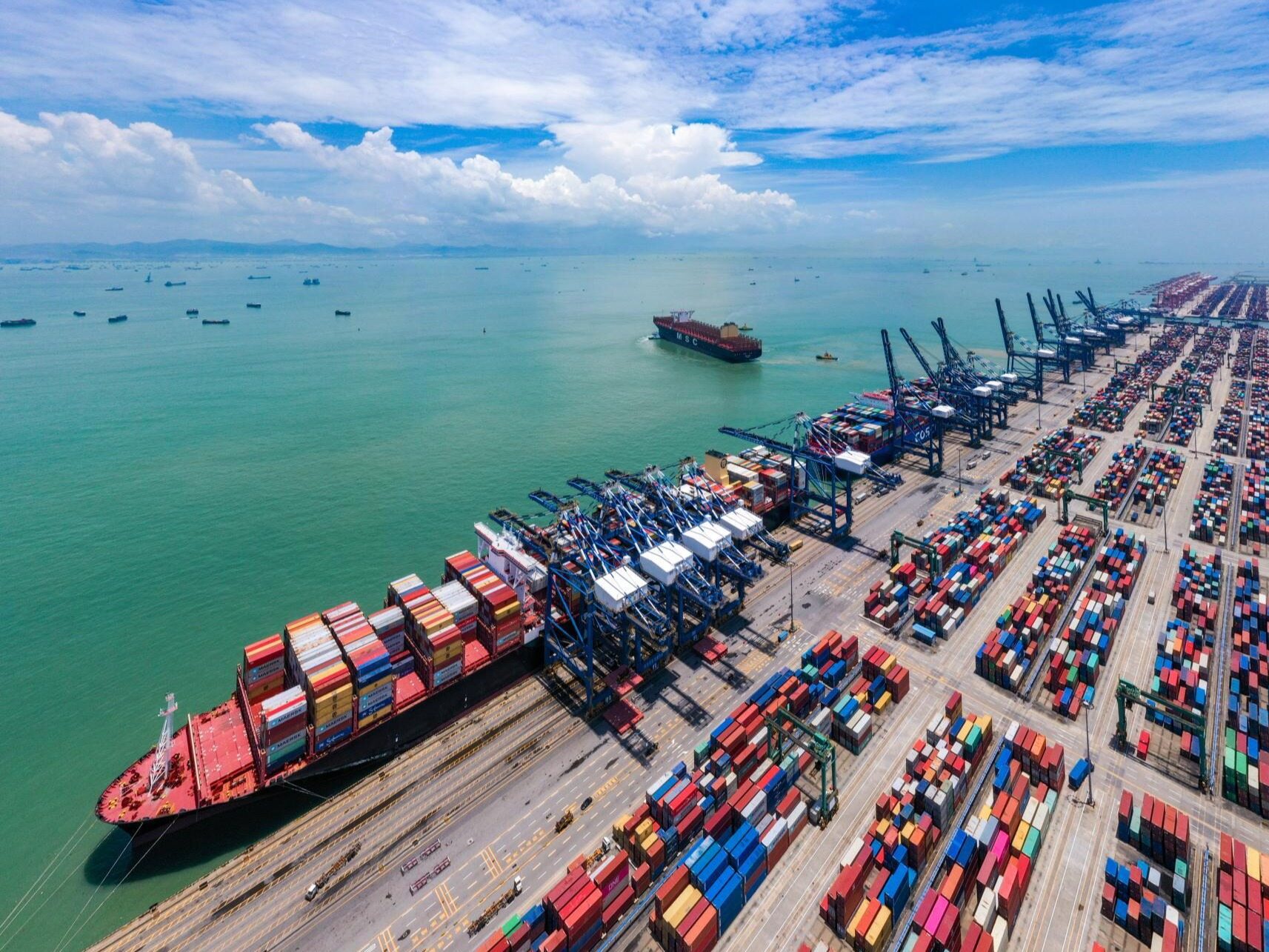
Uzbekistan and the World Bank have jointly formulated a new charging policy for the railway industry, which is scheduled to be implemented in stages by 2027. The local goal for the next decade is to increase the overall logistics capacity to 80 million tons, with plans to build nine large-scale logistics centers and a total investment of 1.6 billion US dollars. This batch of logistics nodes will be linked with the construction and renovation of railways, forming a comprehensive system of railway trunk lines and large-scale logistics hubs, improving the efficiency of cargo distribution and transfer, reducing the logistics costs of cross-border trade, and supporting the rapid flow of transit goods. Keywords: China Kyrgyzstan Uzbekistan Railway, Uzbekistan, Cross border Logistics
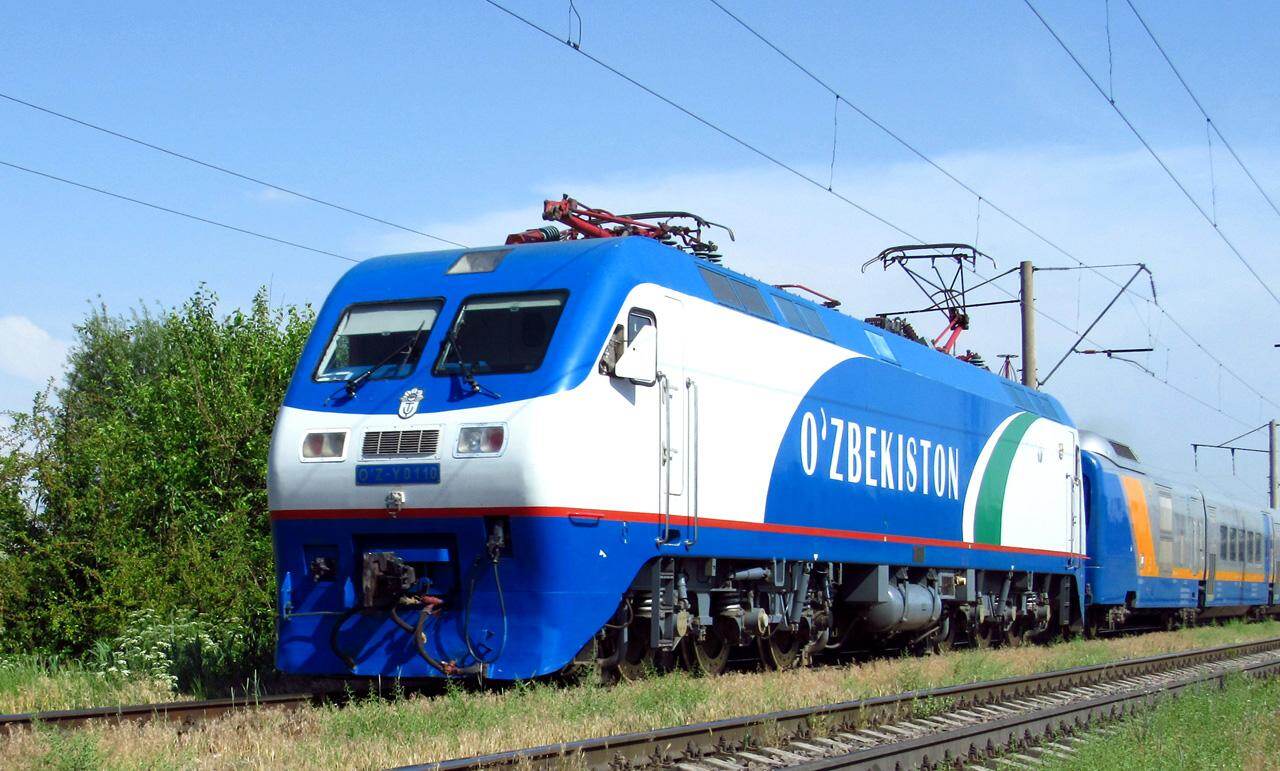
Channel Progress
The China Kyrgyzstan Uzbekistan Railway officially started construction on December 27, 2024, passing through Kyrgyzstan and connecting the railway networks of China and Uzbekistan. The line within Kyrgyzstan passes through Torugart Markmar Jalalabad, and the project is progressing as planned, expected to be completed and put into operation before 2031. After the completion of the channel, it will become an important land shortcut for China to reach Central Asia and West Asia, and work together with Uzbekistan's upgraded railway network to continuously activate regional economic and trade exchanges.Editor/Li Xiaohua
Comment




 Praise
 Collect
 Comment

 Share


Write something~