 Search


- Chinese electric vehicle components and mature supply chain continue to land in Kenya
- Hhelping East African countries promote low-cost transportation green transformation
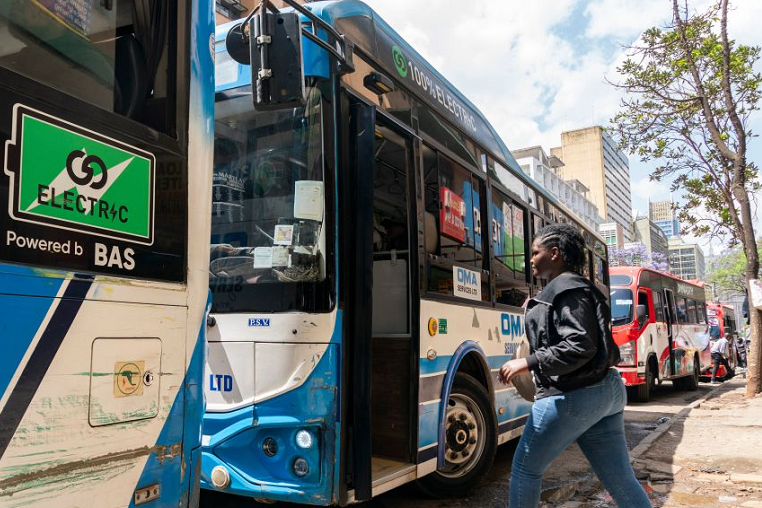
At six o'clock in the morning in Nairobi, the Boda Boda shuttles through the streets and alleys, carrying commuters and fresh packages to and from the whole city. This is the transportation carrier that millions of local people rely on for their livelihoods. Under the continuous fluctuation of oil prices, fuel costs continue to squeeze rider income, and a quiet electrification revolution is unfolding on the streets. Many riders have switched to electric motorcycles, and the electric minibus Matatu has been put into operation in the passenger distribution center. Local enterprises rely on Chinese core components and adopt a local assembly mode to quickly adapt to Kenyan road conditions, saving energy expenses for ordinary practitioners and transforming green transformation from policy blueprints to daily street life.
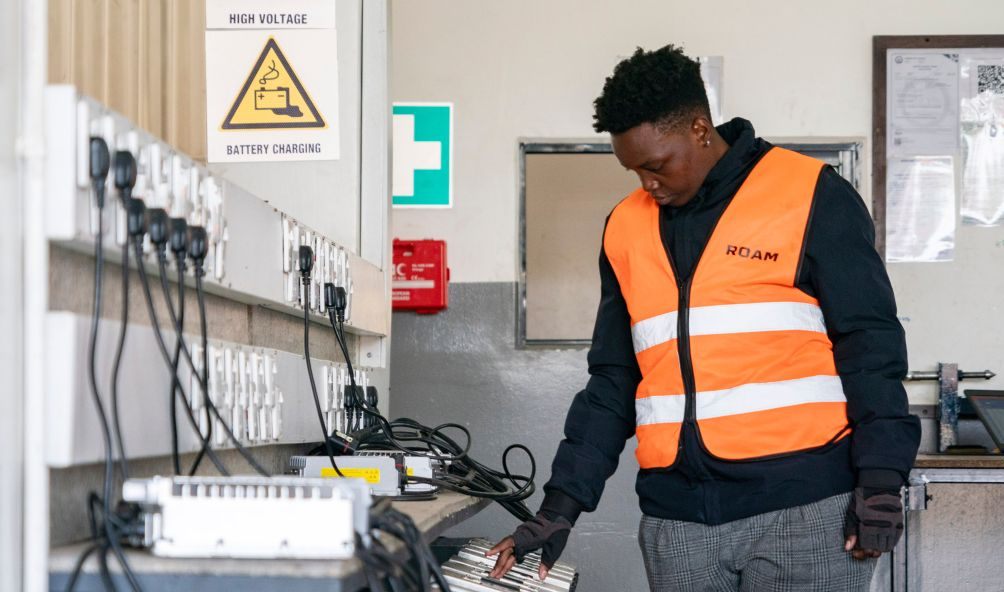
Street battery swapping
Rider Yvette Selinkki replaced her electric motorcycle four or five months ago and rides about 150 kilometers per day, saving 800 shillings per day on charging compared to refueling. Her vehicle was designed and assembled by Roma Company in Nairobi, with 30% to 40% of non core components purchased locally and all core components sourced from China. Roma Company started as early as 2017, witnessing the emergence of Kenya's electric vehicle industry from scratch. Chinese suppliers will conduct on-site research on road conditions and customize production. The local bus travel company has deployed 102 electric minibuses, with core components such as chassis batteries and motors imported and assembled from China, reducing operating energy costs by more than 50% and increasing operator revenue by at least 30%.
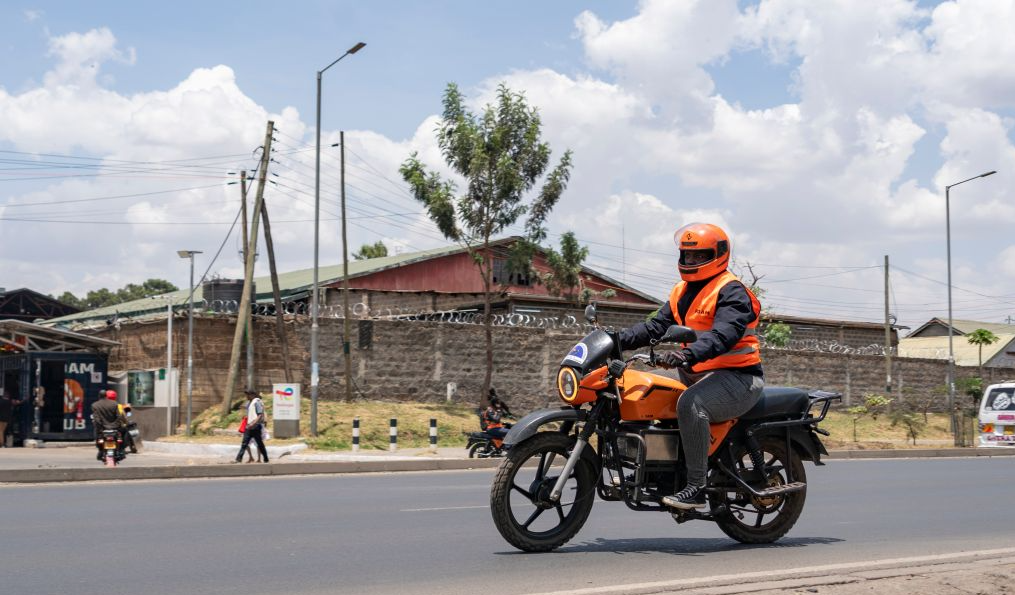
Policy support
In February 2026, Kenya will introduce a national electric mobility policy, setting clear development goals. By 2027, the proportion of electric motorcycles will reach 30%, and by 2050, all motorcycles will be electrified. The government has introduced tax and fee reduction policies, opened up import green channels for electric vehicle assembly enterprises, and gradually increased the proportion of localized supporting facilities. According to data from the United Nations Environment Programme, electric motorcycles currently account for about 15% of the Kenyan motorcycle market, and it is expected to increase to 50% by 2030. By 2035, all newly launched motorcycles will be electrified, and most of the local photovoltaic charging panels will also come from China. Keywords: Kenya, supply chain, China Africa green cooperation
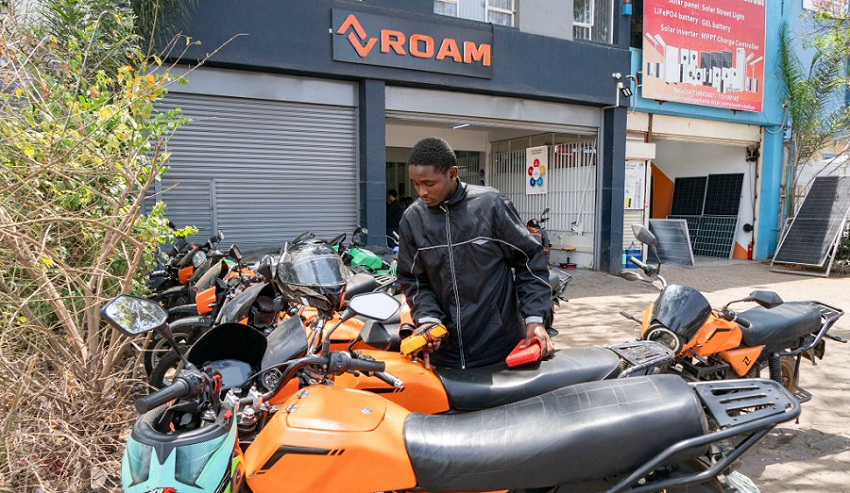
Industrial acceleration
In 2026, multiple Chinese entities will increase their investment in the African electric mobility track. In June, Yadea launched commercial electric motorcycles in Kenya, and in the same month, Shanghai Zengtu Capital invested $55 million in local battery swapping company Spiro. Local practitioners have stated that Chinese manufacturers not only supply products, but also simultaneously export technical experience to help build the local electric mobility industry chain. The Chinese supply chain meets the commuting and distribution needs of East Africa, and compared to emission reduction targets, fuel cost savings drive the spontaneous transformation of the market, continuously injecting lasting momentum into Kenya's green transportation transformation.Editor/Li Xiaohua
Comment




 Praise
 Collect
 Comment

 Share


Write something~