 Search


- According to the function, it is mainly divided into Litai, Chongtai, Appreciation, Yutai, Observatory
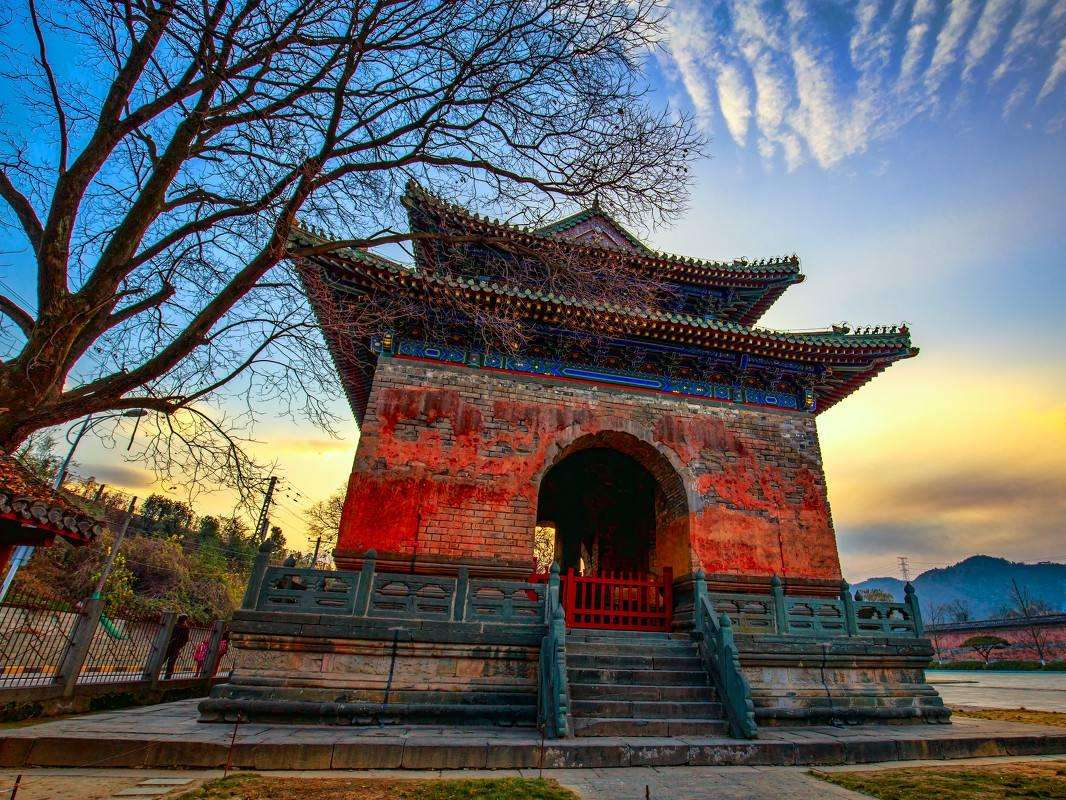
Tall and flat buildings are called platforms, and they are generally square. It is an open-air building with a relatively flat surface. The early stage was a towering rammed earth building, and ancient palaces were mostly built on the stage. Later, it evolved into the open-air platform in front of the hall, the platform, and the stage, which was mainly used for singing and entertainment in ancient times. The larger and taller ones are called altars.
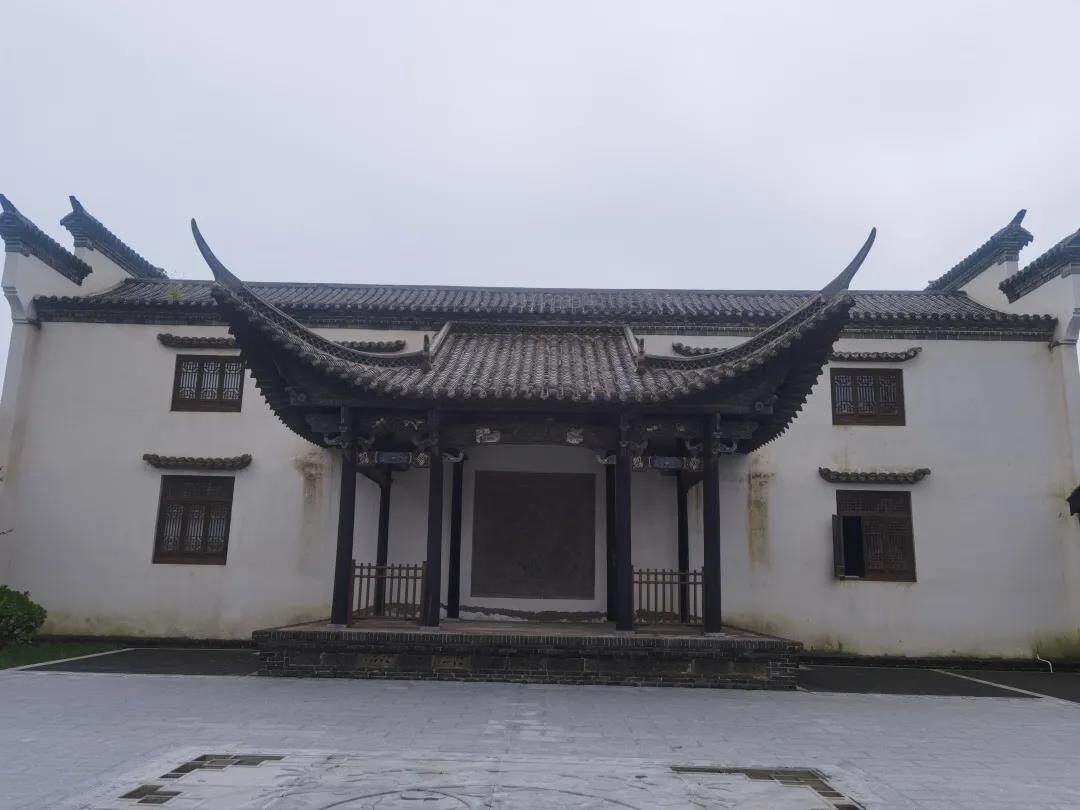
Tai is a very special type of traditional Chinese architecture. Although there are many literatures and poems that often refer to the platform, the foundation and the palaces on the platform as the platform, such as Cao Zhi's "Tongque Tai Fu", it is a rigorous building. In terms of academic terms, these are actually three different concepts. From the image point of view, the platform in the traditional Chinese architecture is a square flat-topped structure above the ground. It is "filled with earth in all directions but high as the platform" (Note by Gao You in "Lv's Spring and Autumn Midsummer"). In terms of space architecture, the platform is independent of the building. A platform foundation can be built on it, and then buildings can be built on the platform foundation to form a building group. For example, the three halls of the Forbidden City can also be built independently without building on it. Such as the Temple of Heaven, the Temple of Earth, etc., and this is the essential difference between a platform and a step or a platform base.
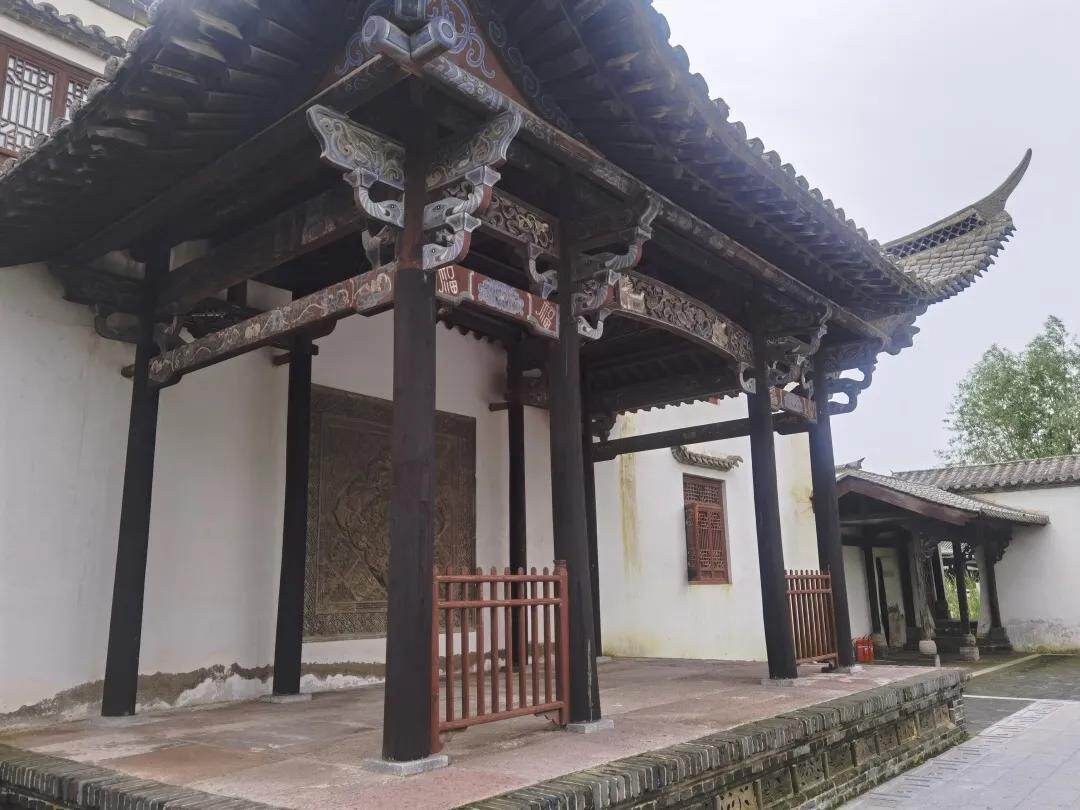
According to literature and archaeological excavations, the platform appeared very early and can be divided into five types according to its function: one is the "ritual platform" used for sacrifice or commemoration, and the other is the "Chongtai" used in the palace complex. , The third is the "observatory" for viewing the scenery, the fourth is the "Odai" for military defense, and the fifth is the "observatory" for observing the stars.
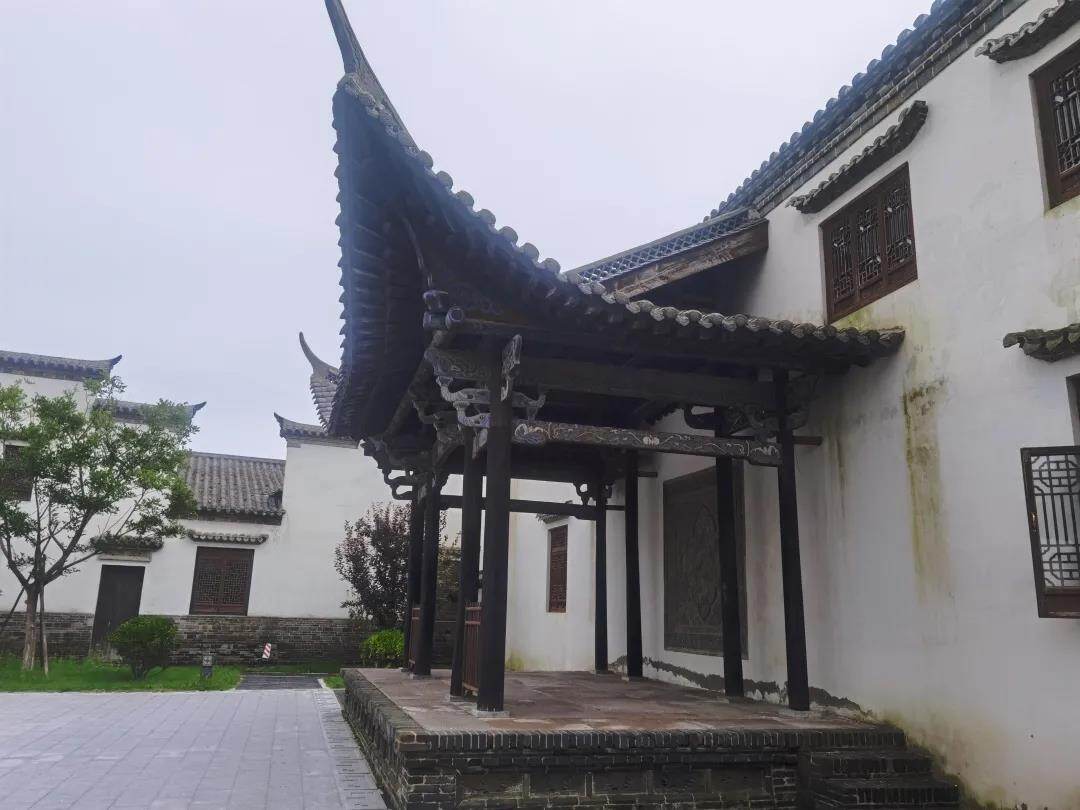
Taiwan is a very ancient architectural form. It has experienced a process from simple to complex, from mixing to specialization in the long history of China, and it has derived many types, and is constantly in line with Chinese traditional philosophy and humanistic spirit. Combined, finally reached a very high artistic level.
Next time you see ancient Chinese architecture, everyone will appreciate how beautiful the ancient architecture pavilions, terraces, buildings, pavilions, xuan, pavilions, corridors, and boats are! Editor/He Yuting
Comment

 Praise
 Collect
 Comment

 Share
Share


Write something~