 Search


- Mark Villa emphasized that China supports the construction of the Philippine bridge and facilitates the development of infrastructure
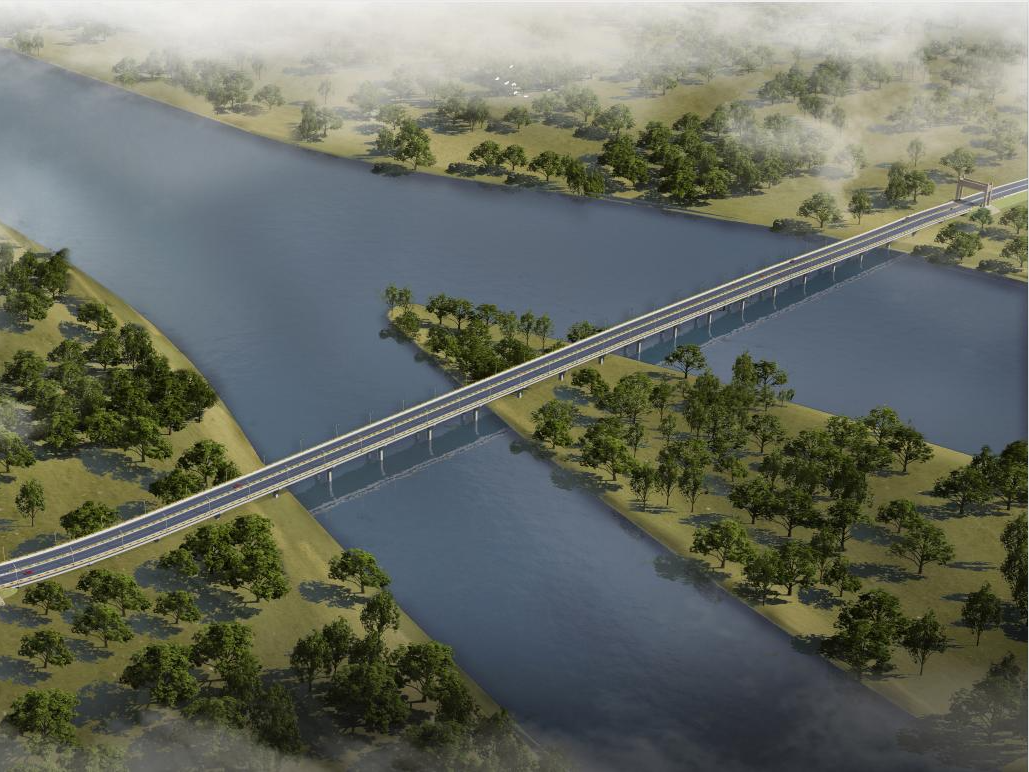
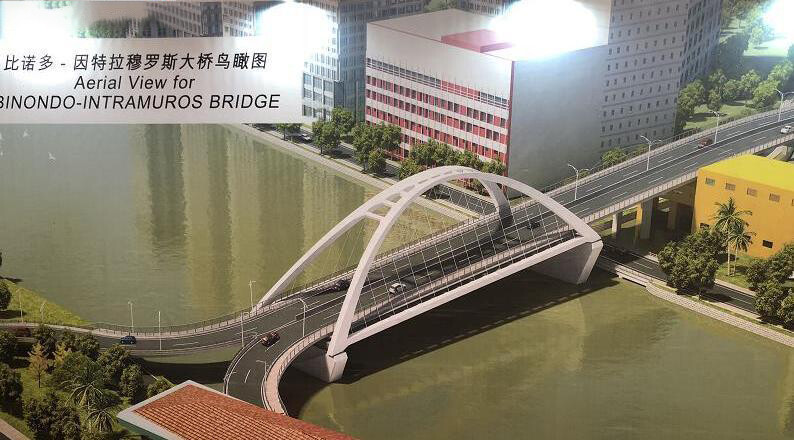
On February 4, 2021, the Minister of Public Works and Highways of the Philippines, Mark Vera, went to China to assist the Fibinardo-Intramuros Bridge (B-I Bridge) project to conduct an inspection. The B-I bridge project is one of the first two bridge projects provided by the Chinese government to the Philippines free of charge since Philippine President Duterte took office. It is an important project under the Duterte government's "Build, Build, Build" plan.
The B-I bridge spans both banks of the Pasig River and connects Manila Chinatown and Intramuros. The main bridge adopts a two-way four-lane design with a length of 586 meters and a total length of about 678 meters. The project has now completed 90% of the main bridge construction and 56% of the overall bridge construction. It is expected to be completed by the end of this year. By then, it will achieve the goal of opening 30,000 vehicles a day and become one of the local landmarks.
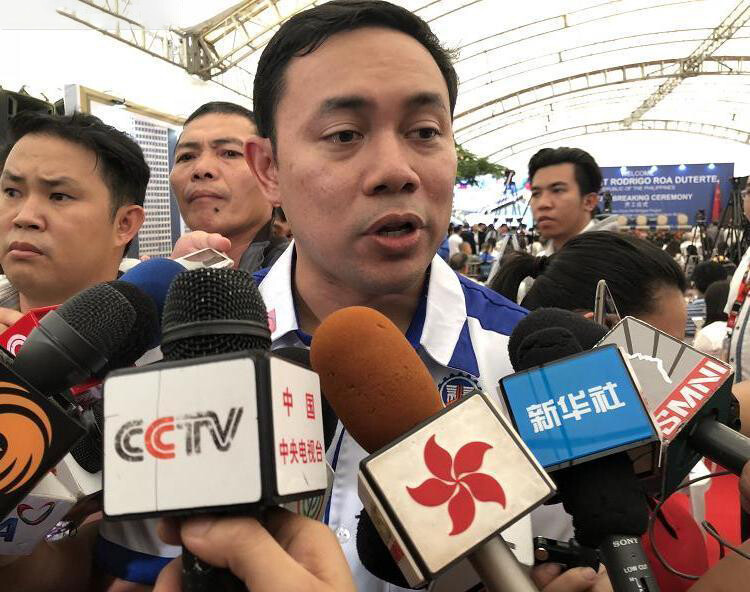
Mark Villa emphasized
Vera said that the B-I bridge project is a bridge project provided by China to the Philippines for free, and it is a vivid manifestation of the friendship between China and the Philippines. Thanks to China for bringing advanced and mature bridge construction technology to the Philippines and assisting the development of infrastructure construction in the Philippines. It is believed that in the near future, with the completion of the B-I bridge project, the traffic conditions on both sides of the Pasig River will be greatly improved, and the local people will truly feel the positive results of the friendly cooperation between China and the Philippines. I am very pleased to see the continuous progress of the Philippine-China intergovernmental cooperation project. I believe this will play an important role in the economic and social development of the Philippines.
It is understood that another bridge project, the Esthera-Pantarien Bridge (E-P), which China provided free aid to the Philippines, has now completed 79% of the project and is expected to be completed and opened to traffic in the first half of this year. In addition, the three-bridge project in Manila with financial support from China has signed a commercial contract at the end of last year and is expected to be implemented in the first half of this year. The above-mentioned 5 bridge projects are an important part of the 12 priority bridge projects planned by the Philippine government in Manila's Pasig River, Marikina River and Manjahan Floodway Basins, and are also key projects in the road network planning of Metro Manila. After the completion, it will significantly improve the traffic congestion in Metro Manila and greatly improve the efficiency of people's travel.
The Chinese Ambassador to the Philippines Huang Xilian stated that 2021 will be a bumper year when China-Philippines intergovernmental cooperation projects have shifted from planning to fruition. At present, with the joint efforts of both parties, 11 projects have been completed. There are 12 projects being implemented or about to be launched, involving a total of US$3.27 billion. Among them, the BI bridge and EP bridge project, the third phase of the technical cooperation project of the Philippine agricultural technology demonstration center, and the Chikou River pumping station irrigation project will be completed within this year . In addition, there are more than ten projects under negotiation between the two sides. Huang Xilian said that in the next step, China is willing to further deepen the integration of the Belt and Road Initiative and the "Build, Build, Build" plan, and promote the implementation of related projects as soon as possible in accordance with the needs of the Philippines to help the Philippines' economic recovery.Editor/Xing Wentao
Comment


 Praise
 Collect
 Comment

 Share
Share


Write something~