 Search


- World's first high-pressure direct injection pure ammonia heavy-duty commercial vehicle engine successfully ignited.
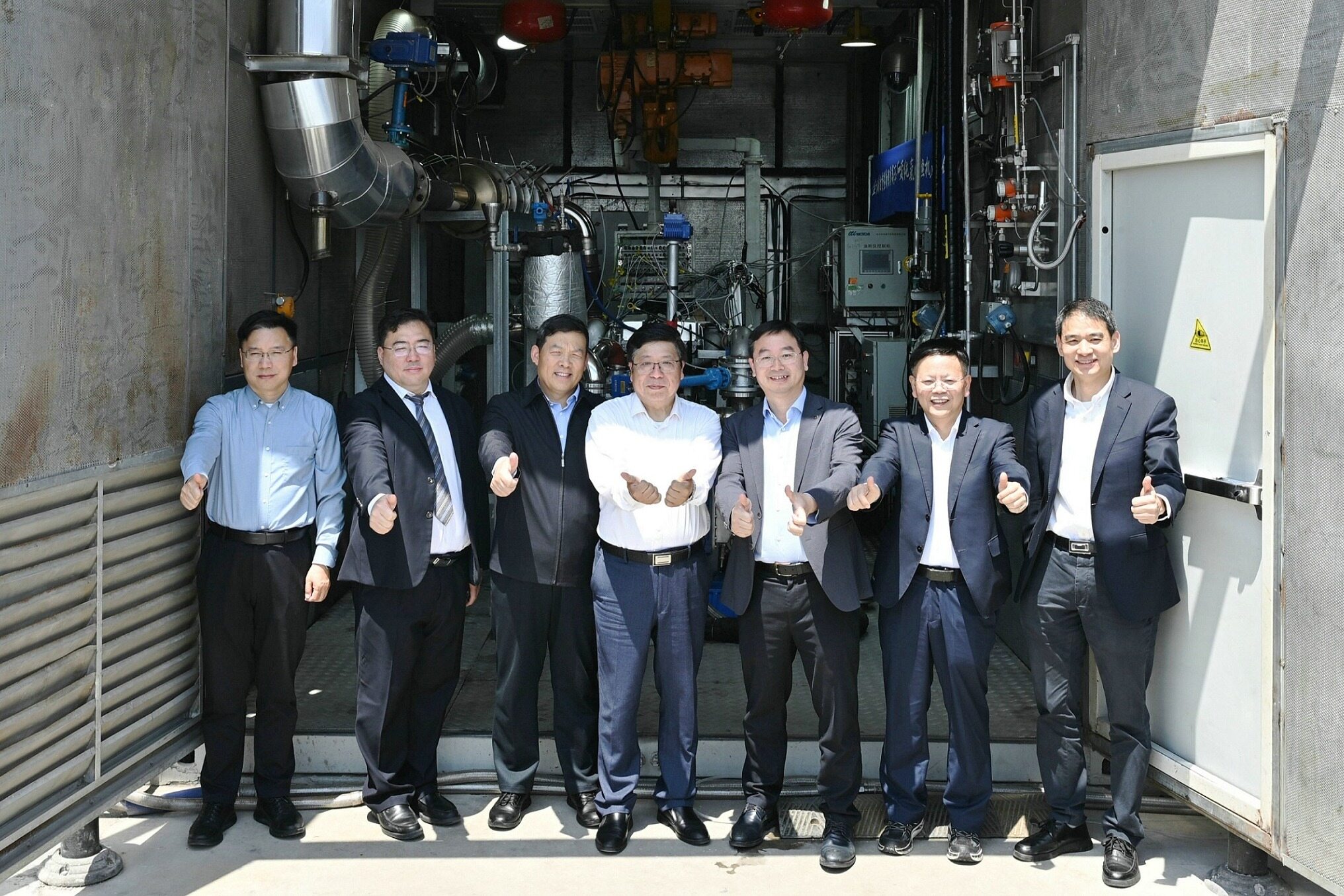
On April 26, 2026, the mid-term meeting of the National Key R&D Program "Development and Application of Key Technologies for Hybrid Ammonia Internal Combustion Engines for Heavy Commercial Vehicles" was held in Changshu, Jiangsu. The successful ignition and stable operation of the first pure ammonia (single ammonia fuel internal combustion engine) prototype developed by the project marks a milestone progress for the project.

The successful ignition of the world's first large displacement hybrid dedicated high-pressure direct injection pure ammonia internal combustion engine has achieved coordinated operation with the high-pressure ammonia hydrogen production system and the landing and verification of high-pressure direct injection liquid ammonia ignition technology with pre chamber jet ignition. This internal combustion engine integrates multiple key advanced core technologies, including the canopy combustion chamber, active pre combustion chamber, high-pressure direct injection in the liquid ammonia cylinder, low-temperature and high-efficiency multi nitrogen based product conversion after treatment coupling, and intelligent control of multi hydrogen based fuel collaborative injection. Its thermal efficiency is on par with the highest thermal efficiency of existing heavy-duty diesel engines, creating a new zero carbon power solution for heavy-duty long-distance commercial vehicles that balances the advantages of full life cycle cost and low-carbon emission reduction needs, helping traditional internal combustion engines transform towards green and zero carbon.
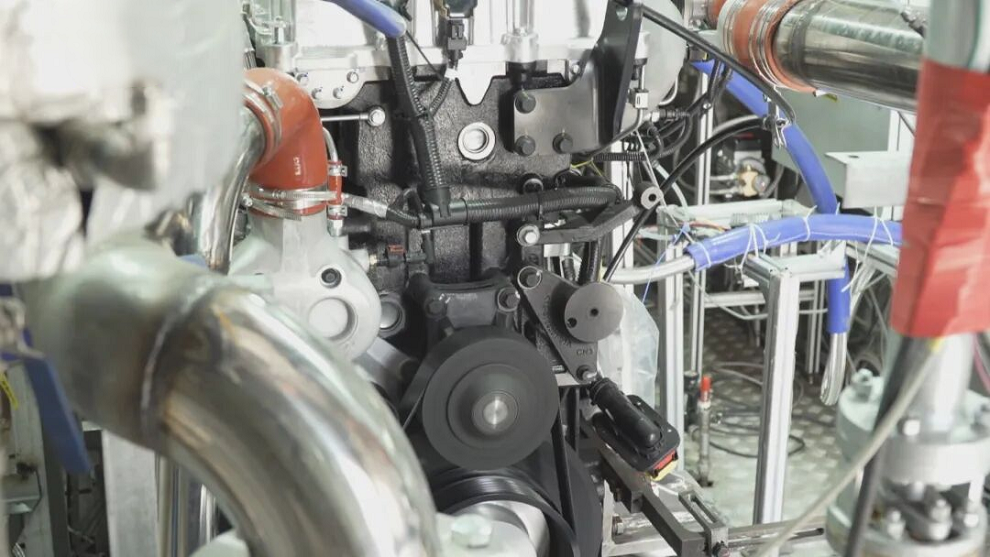
The ammonia hydrogen production system used in this ignition adopts the technology route of catalytic cracking high-pressure hydrogen production, breaking the barrier of efficient catalytic conversion technology for ammonia hydrogen production under low temperature and high pressure conditions. The system is equipped with a new low-temperature ruthenium based catalyst, which can achieve efficient hydrogen production from ammonia within the low temperature range of 400 ℃ to 450 ℃, significantly reducing equipment hydrogen production energy consumption and high temperature losses.Editor/Yang Meiling
Comment


 Praise
 Collect
 Comment

 Share
Share


Write something~