 Search


- The realistic boundary between mining engines and high-end equipment
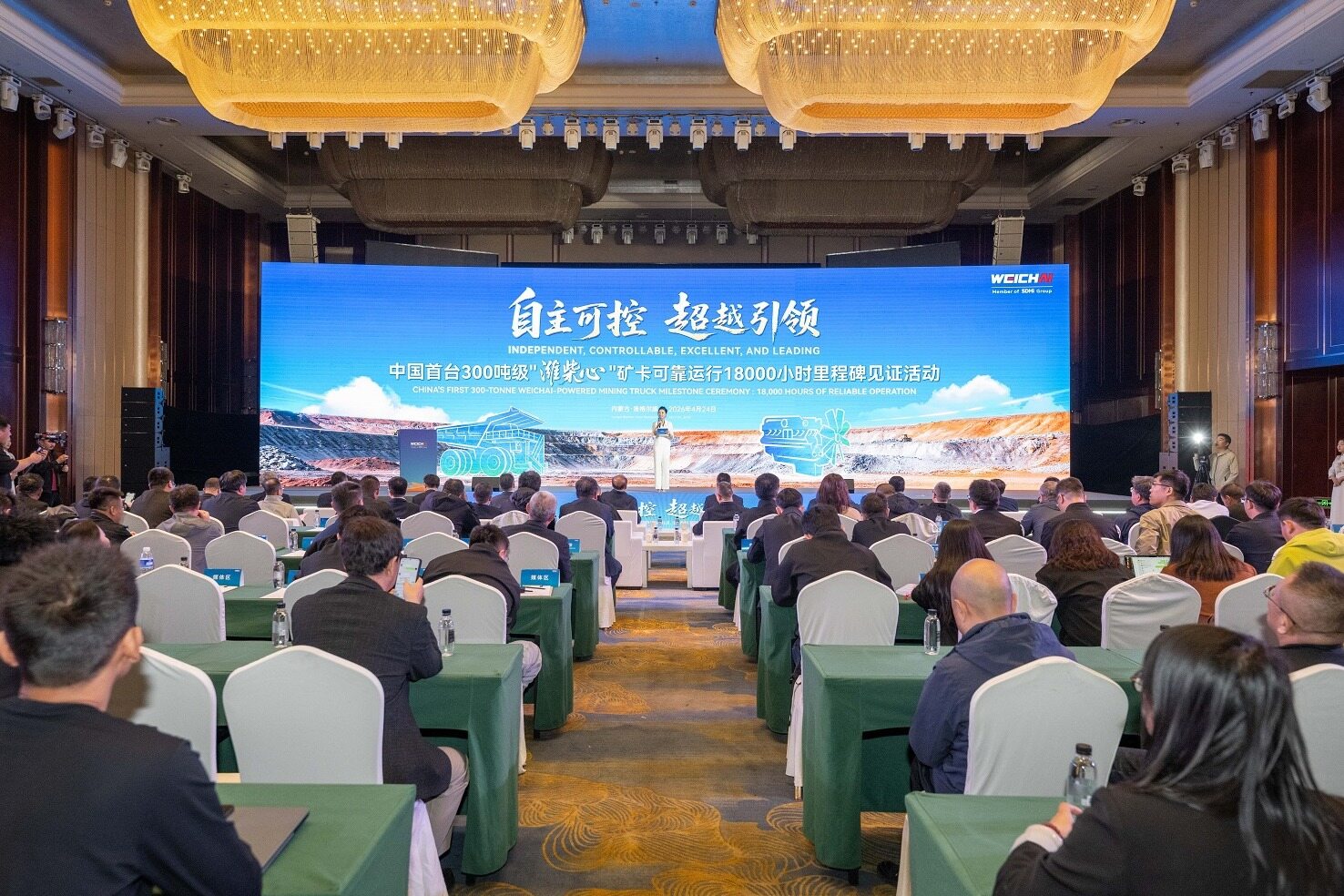
In the high-end manufacturing industry landscape, mining power is not always in the spotlight. Compared to high-speed rail, automobiles, or intelligent manufacturing equipment, it is closer to the basic links that support industrial operation - complex technological systems, harsh application environments, and also an important pivot that determines resource development efficiency and high-end equipment operation capabilities. To some extent, this field reflects the underlying strength and engineering level of the equipment manufacturing system.
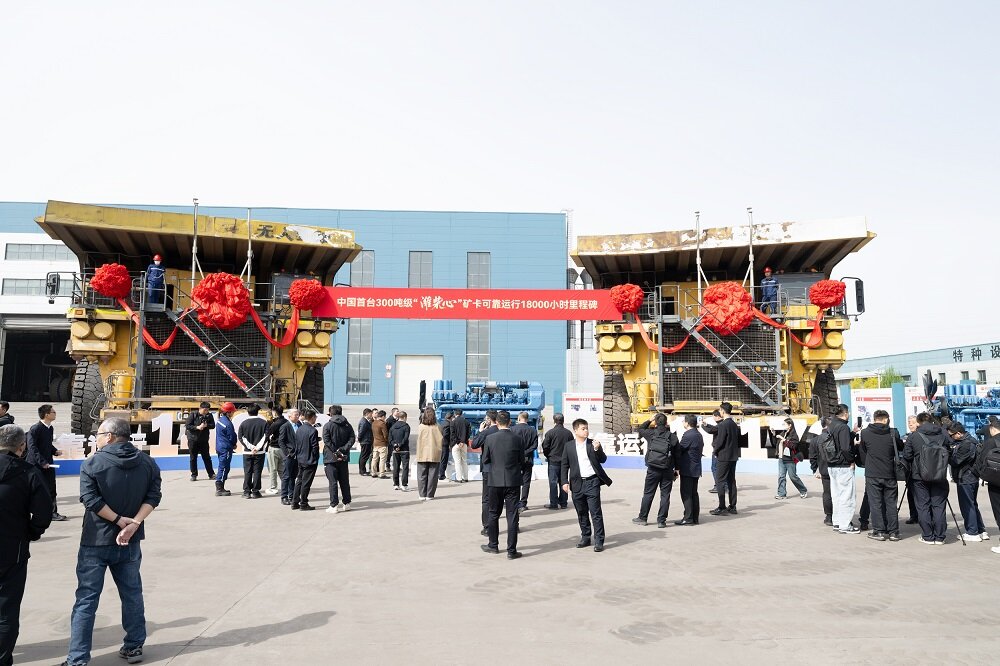
On April 24th, at the Heidaigou open-pit coal mine in Zhungeer Banner, Ordos, Inner Mongolia, a 300 ton mining truck equipped with a Weichai 12M55 engine completed 18000 hours of stable operation and passed the acceptance inspection.
A single indicator alone cannot represent everything, but in the highly specialized, heavily validated, and application-oriented market of large-scale mining power, this achievement has distinct industry value - China's large-scale mining power is forming a more mature and clear market awareness in terms of long-term reliability, engineering adaptation, and practical operation verification.
Reliability verification method
The core value of mining equipment is not only reflected in its performance level, but also in its long-term stable operation capability. Heavy duty, high-intensity continuous operation enables equipment to continuously withstand complex working conditions throughout its entire lifecycle. For mining customers, the key criterion for judging the competitiveness of a power system is always clear: whether it can maintain a stable, efficient, and predictable operating state for a sufficiently long period of time.
This is also the reason why the 300 ton mining truck power market has always attached great importance to operational records and condition verification. Compared to single testing or short cycle prototype performance, long-term operational data can better reflect the comprehensive ability of the product in real application environments. It is in this context that the achievement of stable operation of Weichai 12M55 engine for 18000 hours is first reflected in the adequacy and value of the verification dimension.
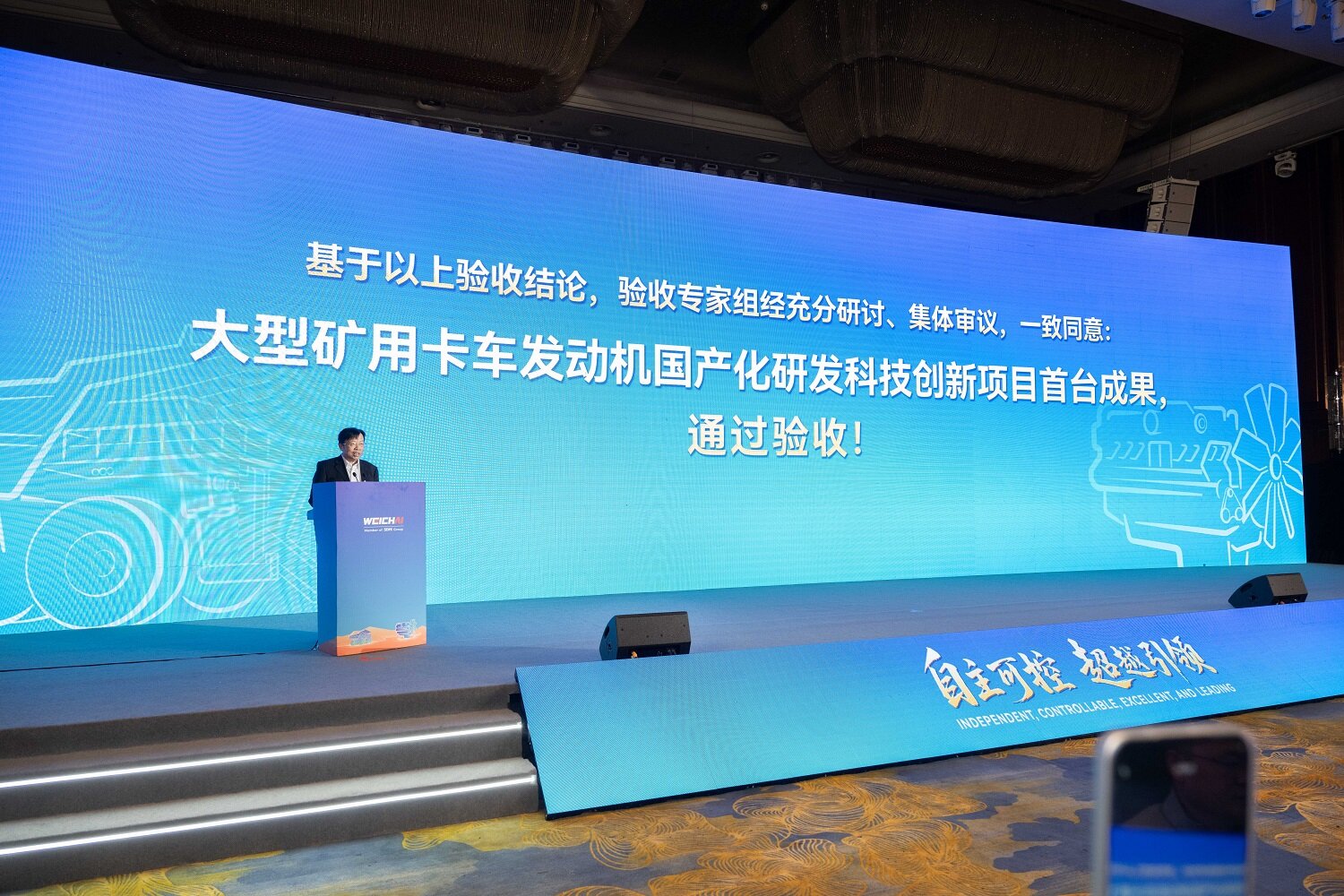
Calculated based on an average of 15 hours of operation per day, this data corresponds to a continuous work cycle of over 1200 days. This not only covers the major overhaul interval of mainstream products, but also means that the equipment performs stably in multiple rounds of climate change, load fluctuations, and operational differences.
More importantly, this result comes from the real mining environment. Compared to laboratory testing, the variables in actual operating conditions are more complex, including factors such as dust erosion, temperature differences, equipment coordination, and operational behavior. These variables determine the lifespan, reliability, and operational performance of the equipment. Therefore, when the operational data reaches this level, its value is not only limited to technical validation, but also further reflected in the credibility and scalability for commercial applications.
For the market, such verification results directly affect procurement decisions. Whether the equipment has long-term stable operation capability is often a key factor determining its market competitiveness and customer acceptance.
From single point breakthrough to system capability
Reliability verification solves the problem of whether it can enter the market, while long-term competition depends on the integrity of the technological system. In the field of large-scale mining power, core competencies usually focus on several aspects: control systems, structural design, thermal management, and overall machine matching. Among them, the control system is one of the important foundations for determining product adaptability, operational efficiency, and continuous optimization space.
Weichai has independently developed ECU and control logic, enabling it to optimize and customize calibration according to different mining conditions. Its direct value lies in improving product adaptability; In the longer term, it lies in providing a foundation for data applications. With the digital and intelligent transformation of large-scale mining equipment, the power system is becoming a key data node in the mining equipment system.
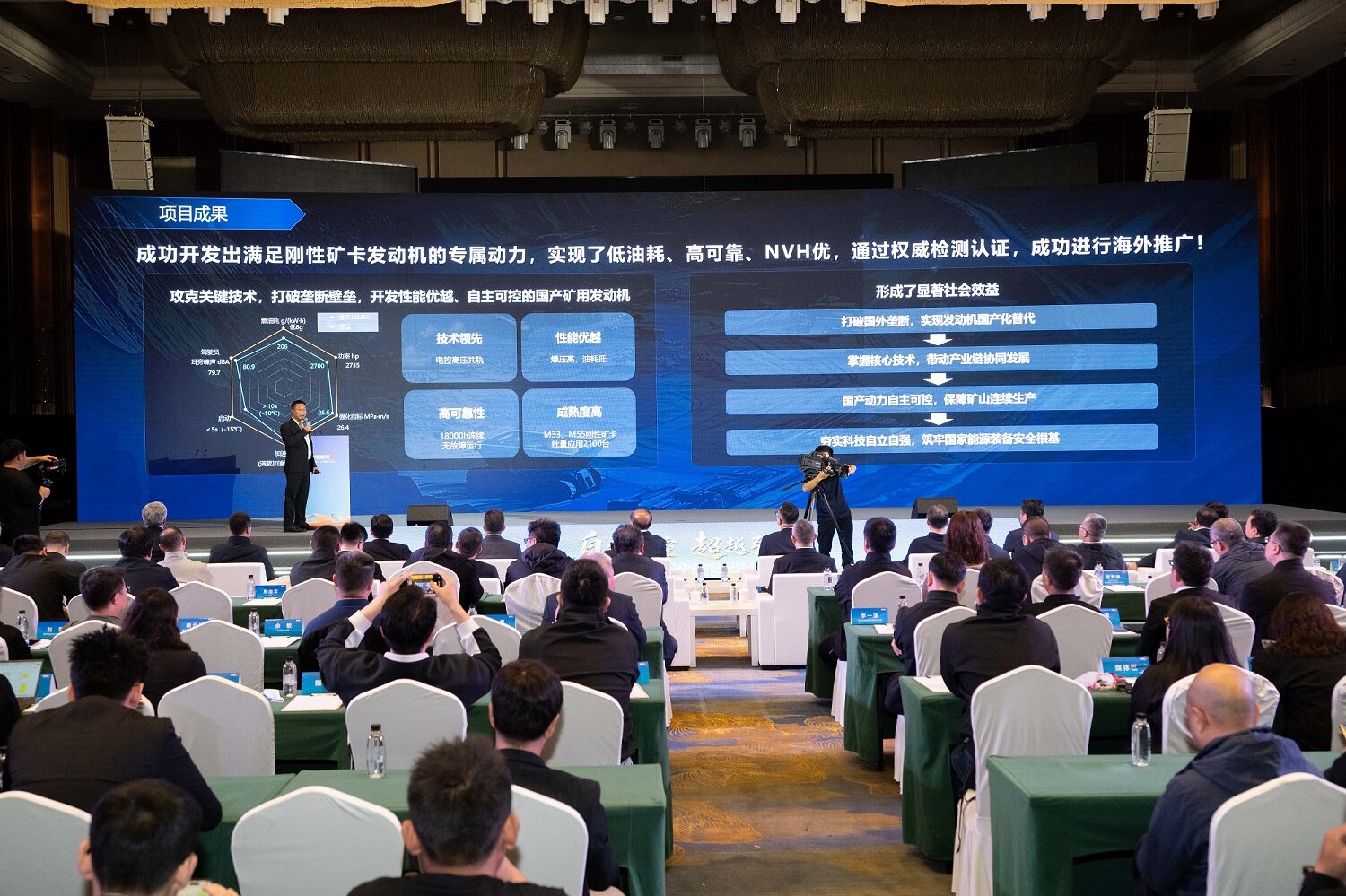
In terms of performance, the Weichai 12M55 engine has demonstrated strong market competitiveness. The fuel consumption rate, acceleration performance, and noise control indicators have all been optimized, with a significant advantage in overall fuel consumption compared to competitors. In high load, long-term operating scenarios, such performance improvements will directly translate into improvements in operational efficiency and cost performance.
At the same time, the overhaul cycle has been increased from 18000 hours to 20000 hours and continues to advance towards higher intervals. This change reflects the continuous optimization of Weichai mining truck engine design and material system, and its impact is related to equipment lifecycle management. Compared to a single indicator, what deserves more attention is the progress of platformization. At present, Weichai has formed a multi series product layout, which has been applied in different tonnage mining trucks and multiple types of mining areas, and the cumulative installed capacity and operating time continue to grow.
On this basis, the fuel route is continuously expanding to new energy and methanol directions. Although the related applications are still in the process of gradual promotion, this layout provides more adaptation space for the future evolution of mining energy structure. When technological capabilities extend from single point products to system solution levels, the role of enterprises in the market is also upgrading synchronously - their participation is no longer just in single product competition, but in higher-level comprehensive capability competition.
The shift of the focus of competition
With the continuous improvement of autonomous and controllable processes, the competitive logic of the large-scale mining power market is also constantly evolving. For the high-end mining card field, the focus of customer attention has extended from single procurement cost to total cost of ownership (TCO), including multiple dimensions such as equipment attendance, maintenance efficiency, downtime losses, and accessory supply capacity.
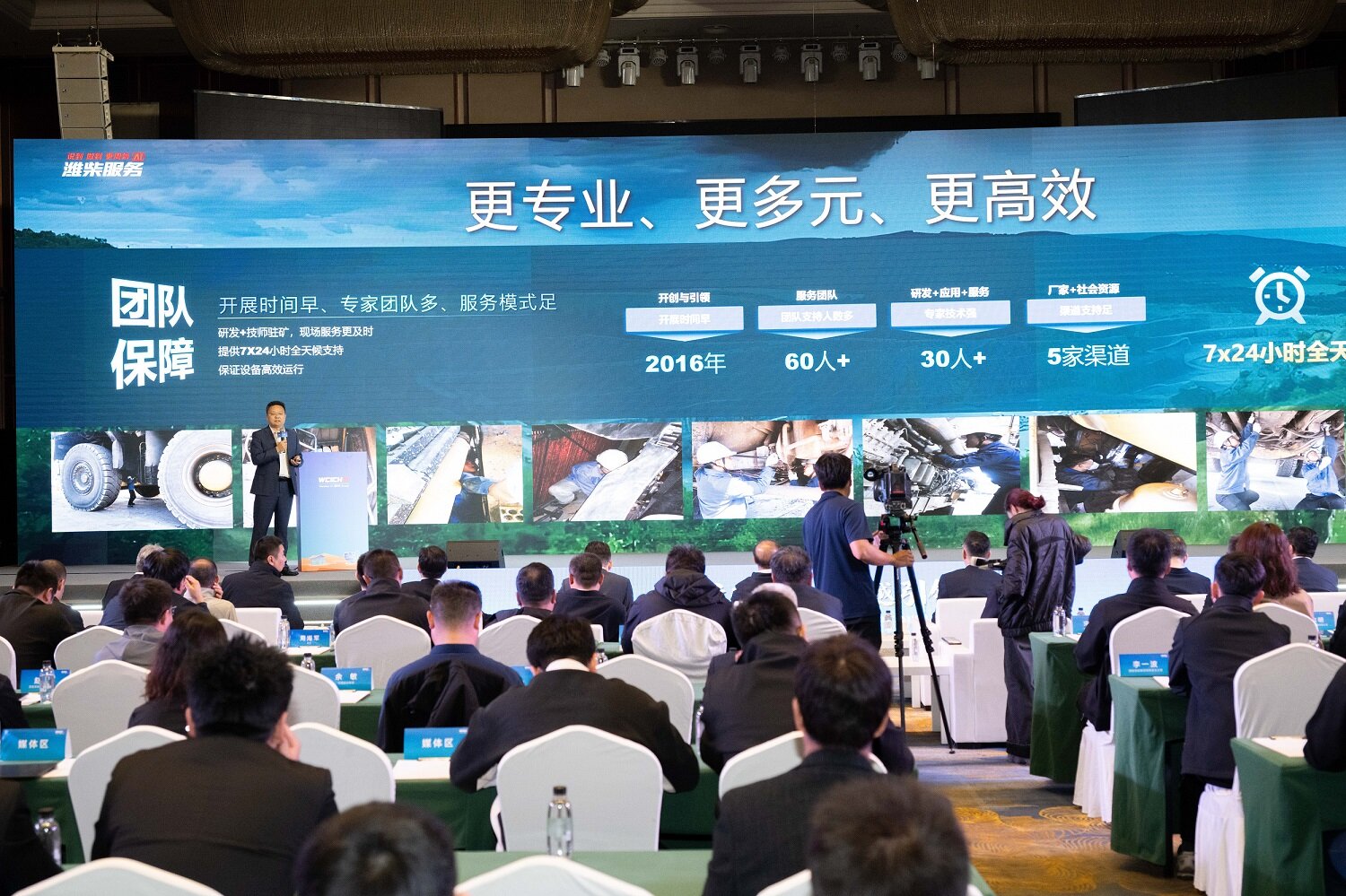
This change has accelerated the extension of market competition from the product level to the system capability level. Around this trend, Weichai continues to strengthen the construction of its service system, including specialized service teams, spare parts reserves, and rapid response mechanisms. The core goal is to improve equipment operation and support capabilities, and reduce uncertainty in customer operations.
In the mining environment, such capabilities have direct value. Once the equipment is shut down, it often brings a chain effect, so service efficiency itself is an important component of competitiveness. At the same time, the industry's business model is gradually expanding from single device sales to long-term cooperative relationships covering operation and service guarantee. This change has raised the professional threshold for market competition and further emphasized the importance of comprehensive capabilities for enterprises.
From a macro perspective, the independent and controllable power of large-scale mines not only affects the market for single equipment, but also relates to the stability of the high-end equipment industry chain. As a core foundational component, its degree of autonomy will directly affect the efficiency and safety of the entire machine manufacturing and operation system. Large scale mining power is not at the forefront of the industry, but its importance is reflected in the operational level. From relying on foreign investment products to gradually achieving independence, and then entering the competitive zone, although this process is based on long-term engineering practice, it is constantly releasing clearer industrial signals.
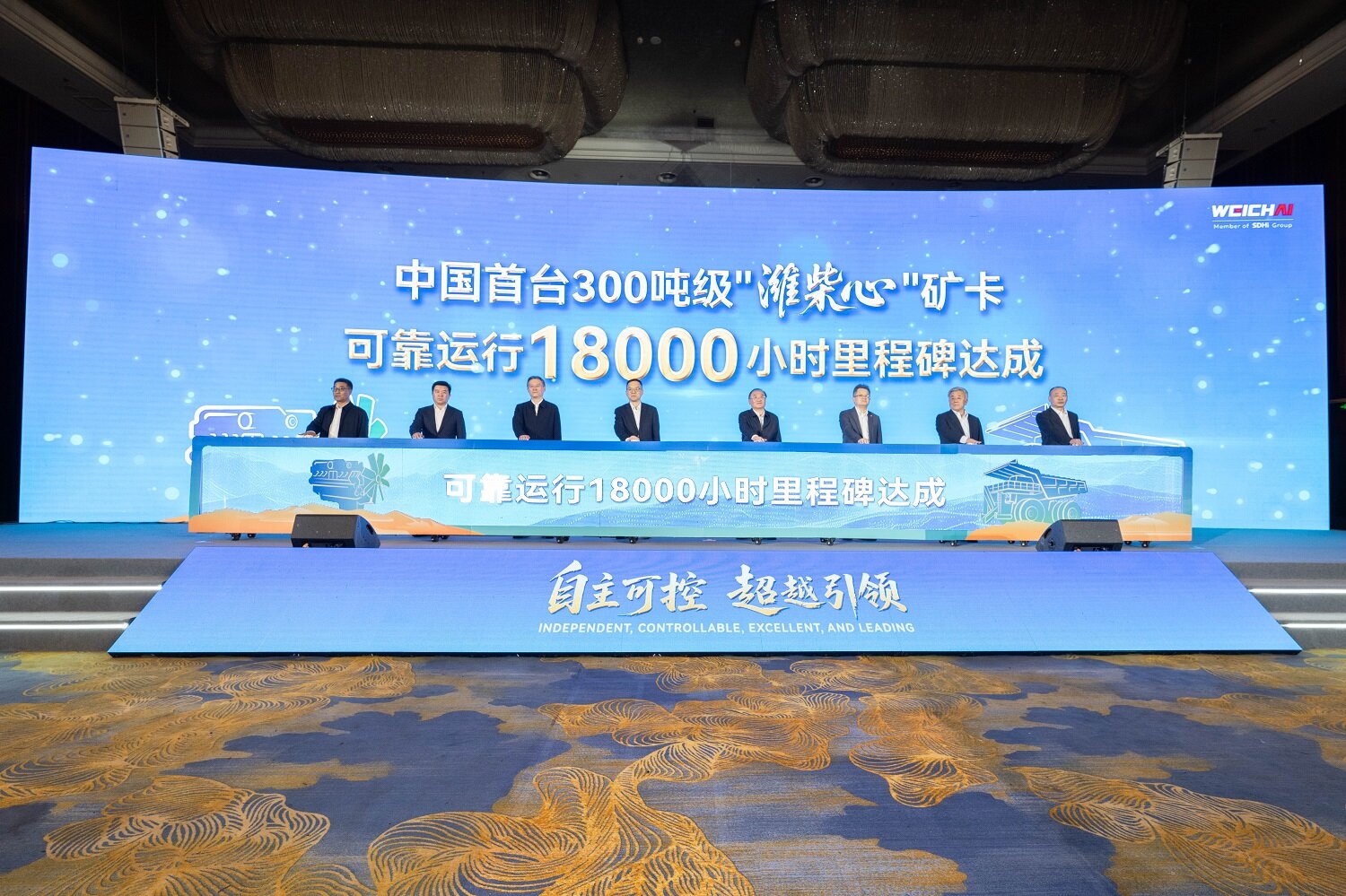
The Weichai 12M55 engine has achieved stable operation for 18000 hours, providing a clear judgment for the industry: in the high threshold application scenario of large-scale mining power, Chinese engine brands have formed mature support capabilities for long-term operation, complex working conditions, and high-intensity operations. For high-end equipment manufacturing, such progress expands the boundaries of industrial capabilities.Editor/Cheng Liting
Comment

 Praise
 Collect
 Comment

 Share
Share


Write something~