 Search


- In the middle and late Tang Dynasty, the earliest Arabic script appeared on Changsha kiln porcelain
- Tibetan and Sanskrit characters appeared on Jingdezhen kiln porcelain during the Yongxuan period of the Ming Dynasty
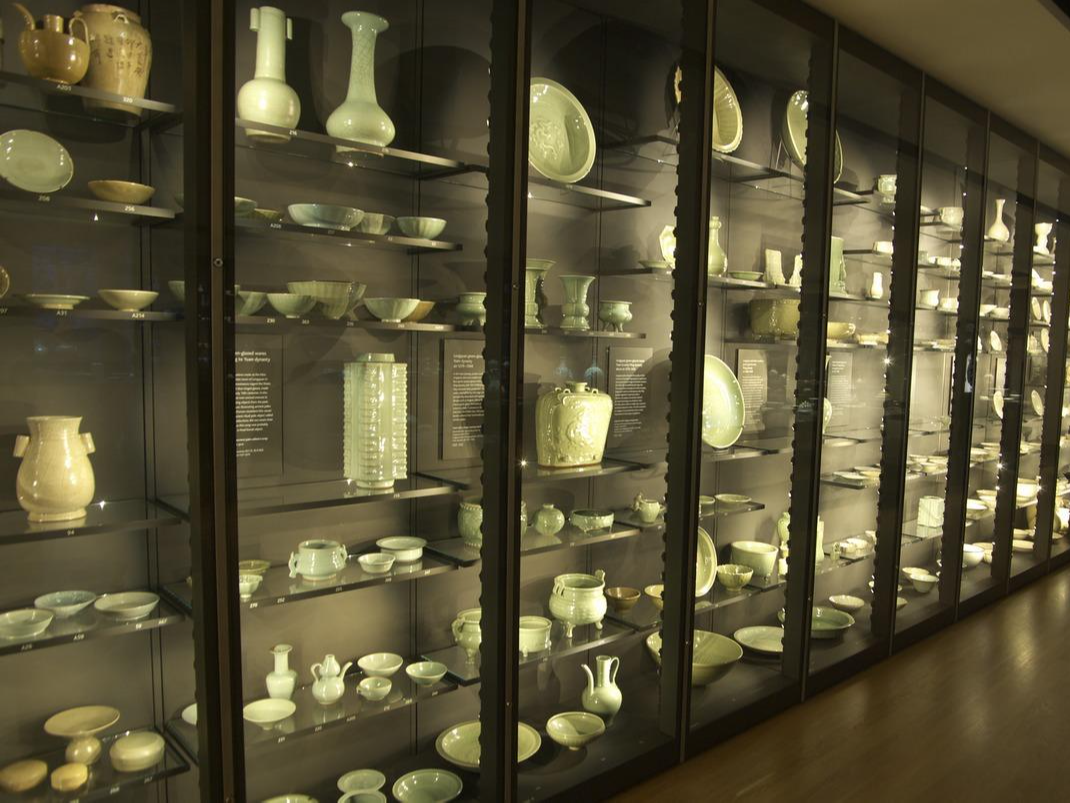
In addition to common Chinese characters, the text decoration on ancient porcelain also has some more special characters. As one of the decorative patterns of porcelain, they have unique and profound cultural connotations, and carry ancient civilization exchanges, cultural mutual learning, trade exchanges, etc. Real and sensible important information.
Arabic
Arabic is a script commonly used in Muslim countries and belongs to Pinyin script, written horizontally from right to left. In the middle and late Tang Dynasty, the Changsha Kiln in Hunan produced the earliest porcelain decorated with Arabic script. It was a kind of underglaze painted porcelain, especially brown and green. The craftsmen dipped colored materials with brushes and wrote Arabic on the porcelain.
The content of the text is more commonly used in Islam, such as the servant of Allah, the greatest of Allah, etc.
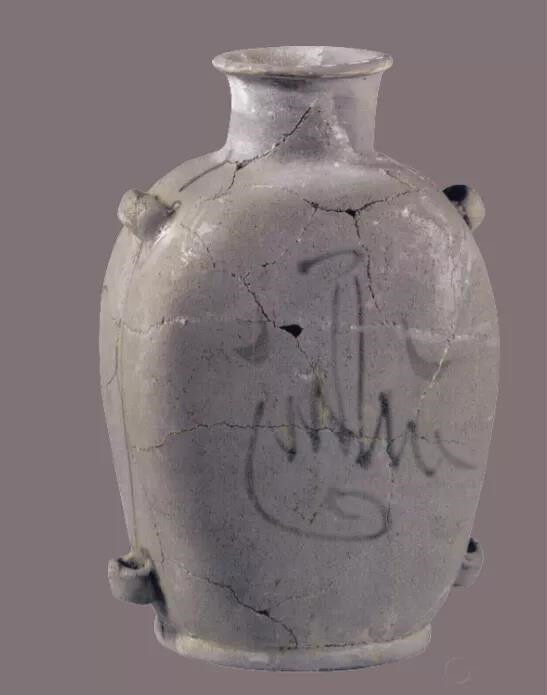
These porcelains with Arabic decorations arose along with the spread of Islam and the prosperity of China's foreign porcelain trade, and exerted a profound influence on the later generation of export porcelain.
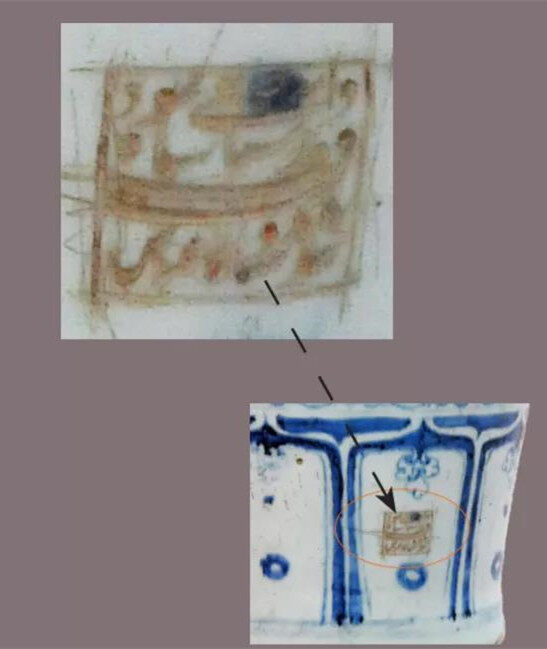
According to reports, in the Yuan Dynasty, the Arabic decoration seen on blue and white porcelain in Jingdezhen kilns was a pattern with or without borders, represented by the Yuan blue and white plum vase and large plate collected by the National Museum of Iran. On the shoulders, shins, or feet of these artifacts, there is often this kind of Arabic script. Some are made of red pigment with engraving holes; some are written with cobalt blue. According to research, these engraved Arabic scriptures were filled in after being ordered by the Abbasid Emperor (1578-1629). Because Abbas the Great firmly believed that engraving his name on the porcelain and placing it in the niche of the "Porcelain Palace" of the mausoleum was as if he himself curtsy to his ancestors. Although these words are simple marks, they also let us know the history and special usage of Yuan Qinghua.
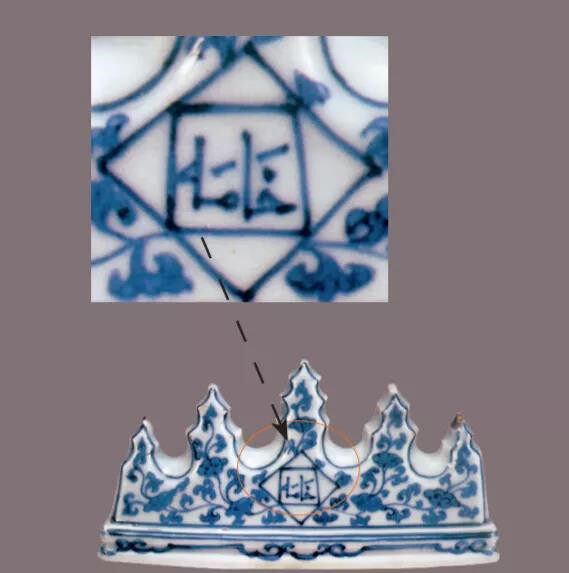
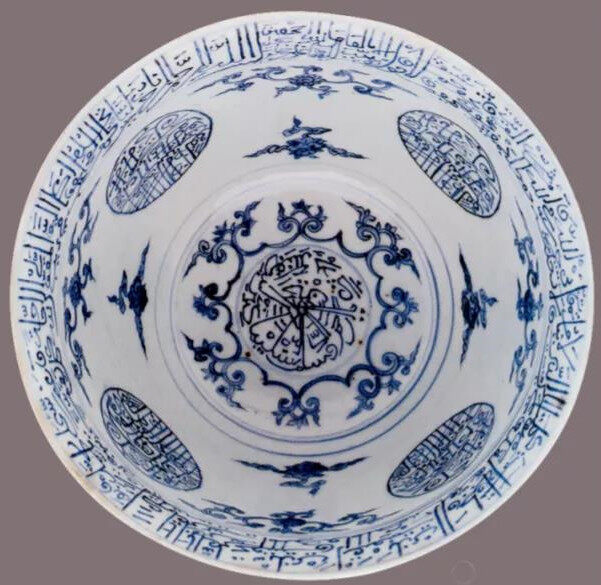
During the Zhengde period, because the emperor believed in Islam and was fluent in Arabic, the porcelain decorated with Arabic in this period was not only numerous, but also rich in shapes. In addition to various living utensils such as bowls, plates, jars, boxes, etc., there are also various cultural utensils such as pen holders, inkstones, candle holders, stoves and so on. In the form of decoration, it is popular to use a circle, a diamond or a square as the enlightenment, and then write Arabic in the enlightenment. Most of its written content comes from the "Quran".
Tibetan
Tibetan is an alphabet writing system. According to physical materials, Tibetan decorations first appeared on Jingdezhen official kiln porcelain during Yongle period in Ming Dynasty, and reached its peak in the Xuande period. There are a large number of Tibetan decorative porcelain collections in Tibet. Among them, the most representative work is the monk pot collected by the Tibet Museum.
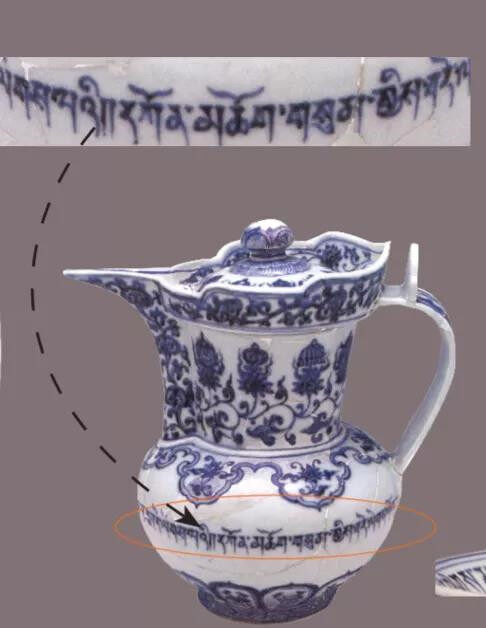
This monk’s ampulla is written in Tibetan for a week, and the content is: "Auspicious day, auspicious night, auspicious noon, auspicious day and night, and auspicious three treasures." The blue and white double circle "Da Ming Xuande Year" six-character double-line regular script vertical section. The shape of the pot draws on the artistic elements of metalware in West Asia, and is known as a classic of Chinese and Western abi-style porcelain.
Sanskrit
Sanskrit was developed in India around the 3rd century BC. The legend was created by Brahma, and it also belongs to the alphabet writing system. The representative fonts include Sitan, Lanza, and Devanagari. Devanagari is popular today, and it is also the standard Sanskrit alphabet recognized by the Indian Buddhist community and internationally. During the Yongxuan period of the Ming Dynasty, the blue and white porcelain in the official kiln of Jingdezhen first appeared in Lanzar style Sanskrit decorative patterns, represented by this halberd jar collected in the Palace Museum.
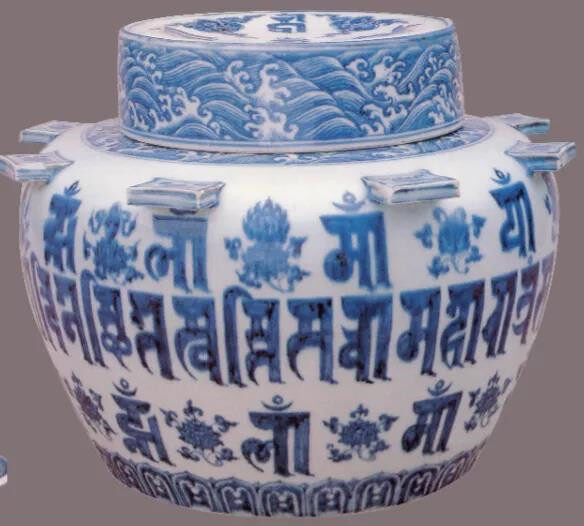
One Sanskrit script is written in the center of the lid, and four Sanskrit scripts are encircled on the outside; three Sanskrit scripts are written in the ring of the jar; one Sanskrit is written on the top of the lid and on the inner bottom of the jar and the five seals on the outer ring decorated with "Dade Jixiangchang" .
Therefore, Arabic language first appeared on Changsha kiln porcelain in the middle and late Tang Dynasty. After development, Tibetan and Sanskrit appeared on Jingdezhen kiln porcelain in Yongxuan period of Ming Dynasty. These special words full of mystery continue to convey various information and connotations to us, allowing us to understand to a certain extent the intentions of the porcelain makers and the uses of the users. Editor/He Yuting
Comment




 Praise
 Collect
 Comment

 Share
Share


Write something~