 Search


- The project will be Norway's most modern public transport hub with associated service functions
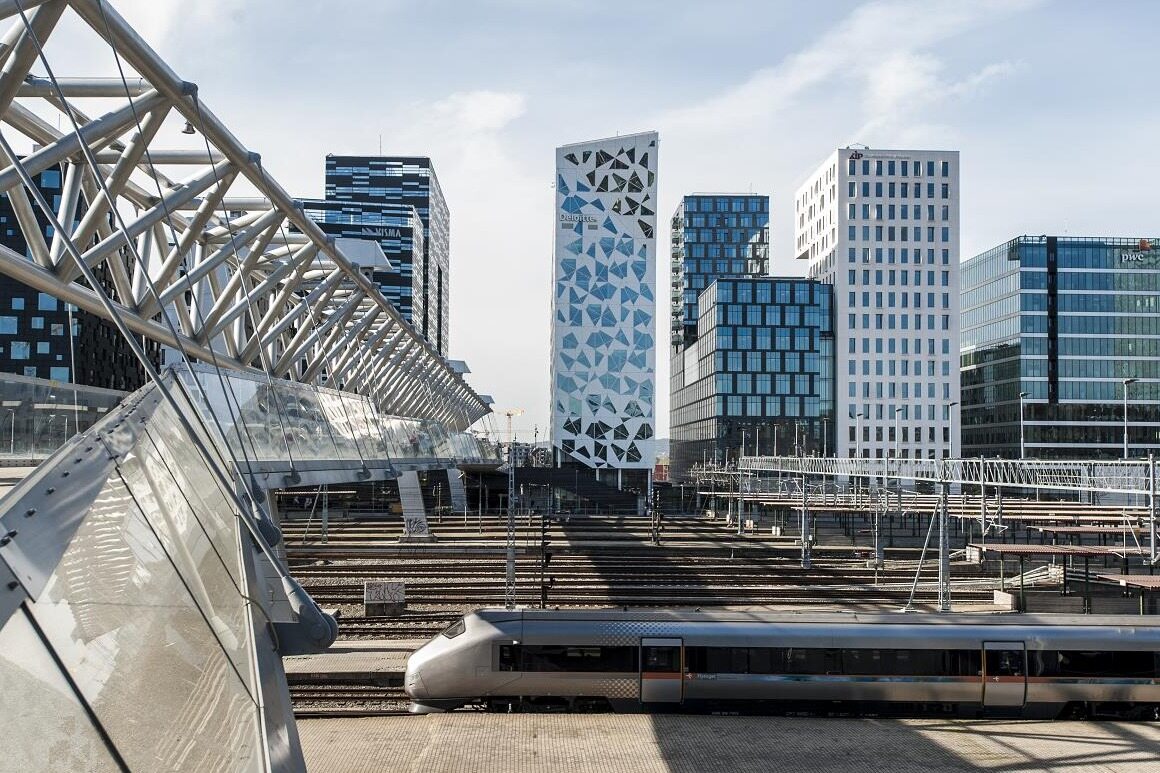
Norwegian infrastructure manager Bane Nor outlined plans to invest around $1.7 billion in rail infrastructure in the central region of Trondheim, including NOK 2.5 billion for the new Trondheim Central Station.
Trondheim was selected by the European Union along with Oslo and Stavanger as part of a plan to develop 100 climate-neutral and smart cities by 2030. The reconstruction of Trondheim Central Station is a central element of these plans. The project includes construction of a new terminal, offices, retail areas, residences, underground parking, roads and several plazas and outdoor spaces.
The investment plan also includes the electrification of the Trondheim-Stjørdal, Hell-Riksgrensen and Stavne-Leangen lines at a cost of NOK 2.1 billion by the end of 2024, while ERTMS will be installed in Trondheim-Melhus-Berkåk, Trondheim-Hell-Steinkjer and The Hell-Storlien production line, costing NOK 1.3 billion. Around NOK 2.8 billion will be used for measures to increase capacity, including 12 sub-projects in the region to enable a half-hour passenger service between Støren and Steinkjer. NKr 220m will be used to upgrade the Hell-Storlien line, including building new bridges and replacing old equipment.
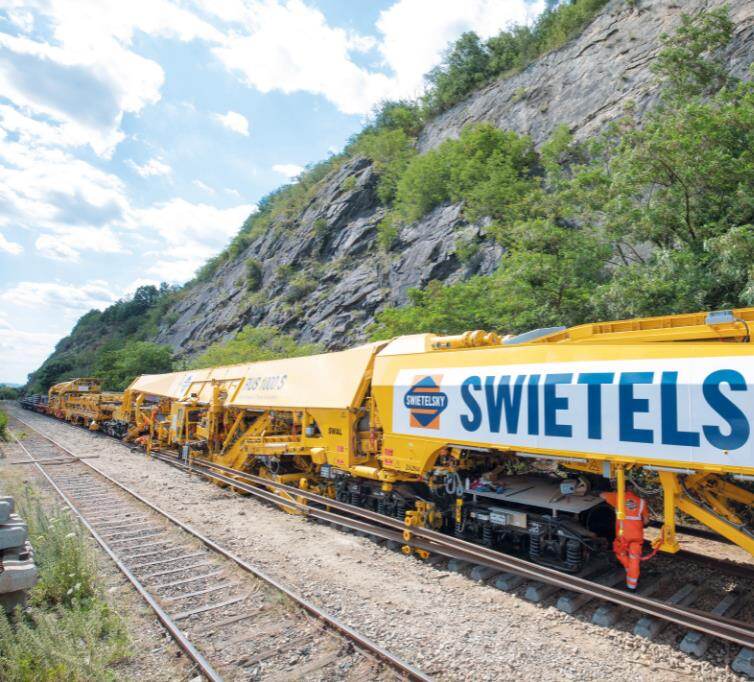
A new workshop of 520m NKr will be built in Støren, with another 140m NKr allocated to the line serving the warehouse. NOK 450 million will be invested in stable facilities in Steinkjer and Støren.
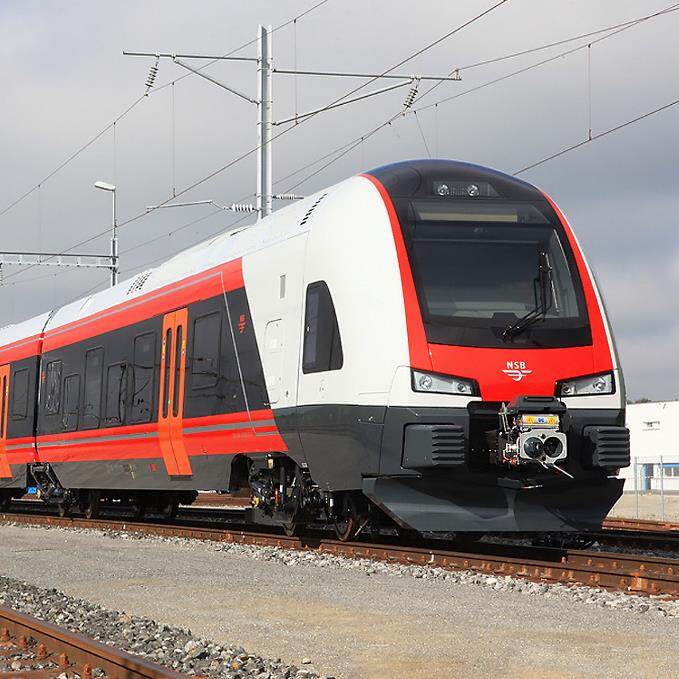
NOK 1.9 billion was invested in SJ Norway's project to introduce 14 hybrid trains on the Lerkendal-Steinkjer Trøndelag commuter line, some of which are already in service. In preparation for the new fleet, Bane Nor rebuilt the Steinkjer station and retrofitted 22 other stations. Keywords: engineering construction, engineering news
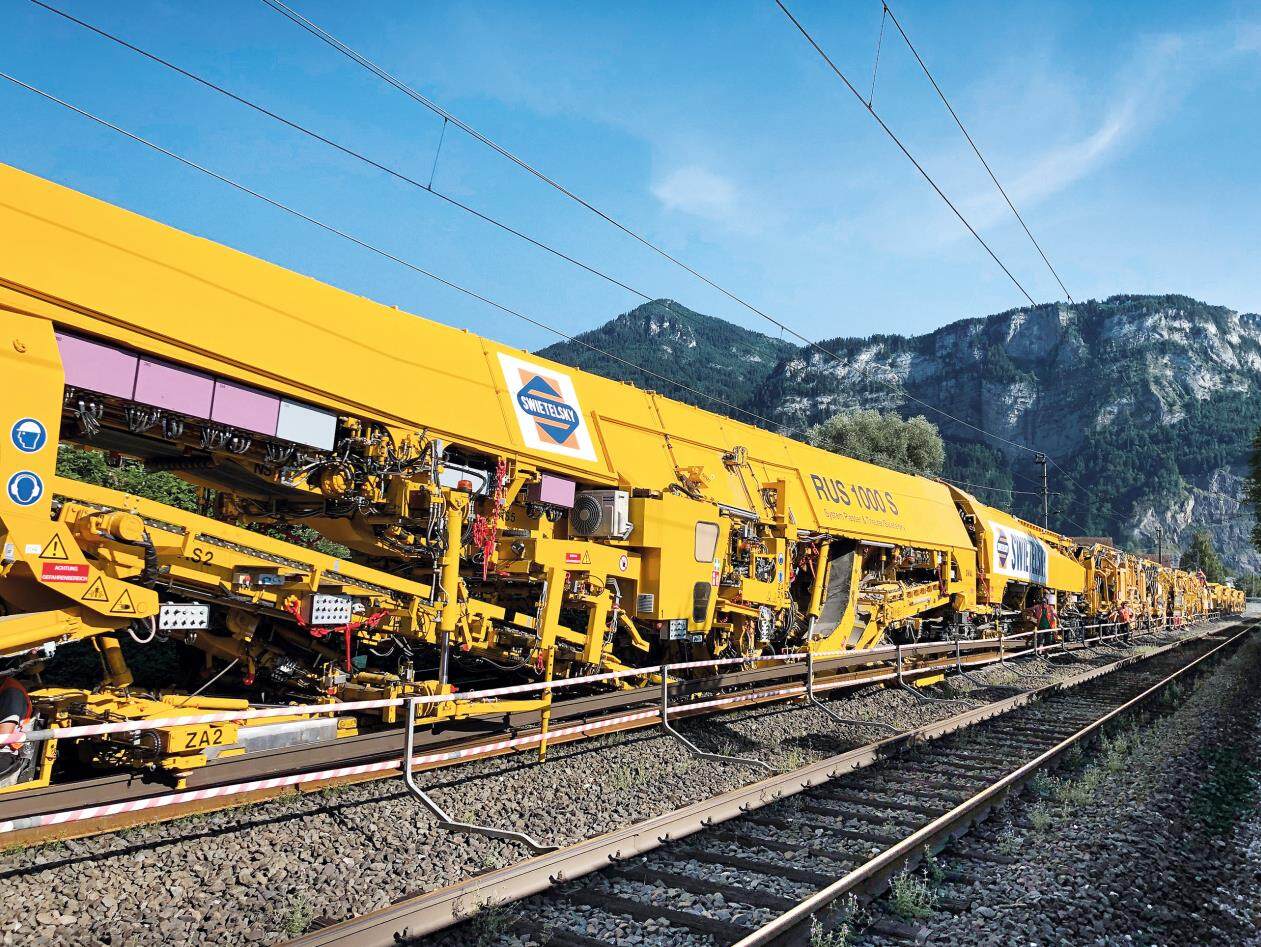
Mr Gorm Frimannslund, CEO of Bane Nor, said: "We want more people to travel by train in a climate-friendly way and to have the majority of freight run on rail. Emissions have to be reduced and we have to do a better job of protecting the environment. So , most of the traffic has to be shifted from road to rail.” Rail currently accounts for 0.1% of Norway’s transport emissions, and the Norwegian government aims to reduce transport emissions by 45% by 2030. The great thing about train investment is that it is sustainable and it also helps to strengthen regional investment in central Norway through the development of cities and towns.Editor/XingWentao
Comment


 Praise
 Collect
 Comment

 Share
Share


Write something~