 Search


- Kela photovoltaic Power Station is the third largest hydropower base in the Yalong River basin clean energy base
- After the plant is put into operation, the annual average power generation is 2 billion KWH, and more than 600,000 tons of standard coal can be saved annually
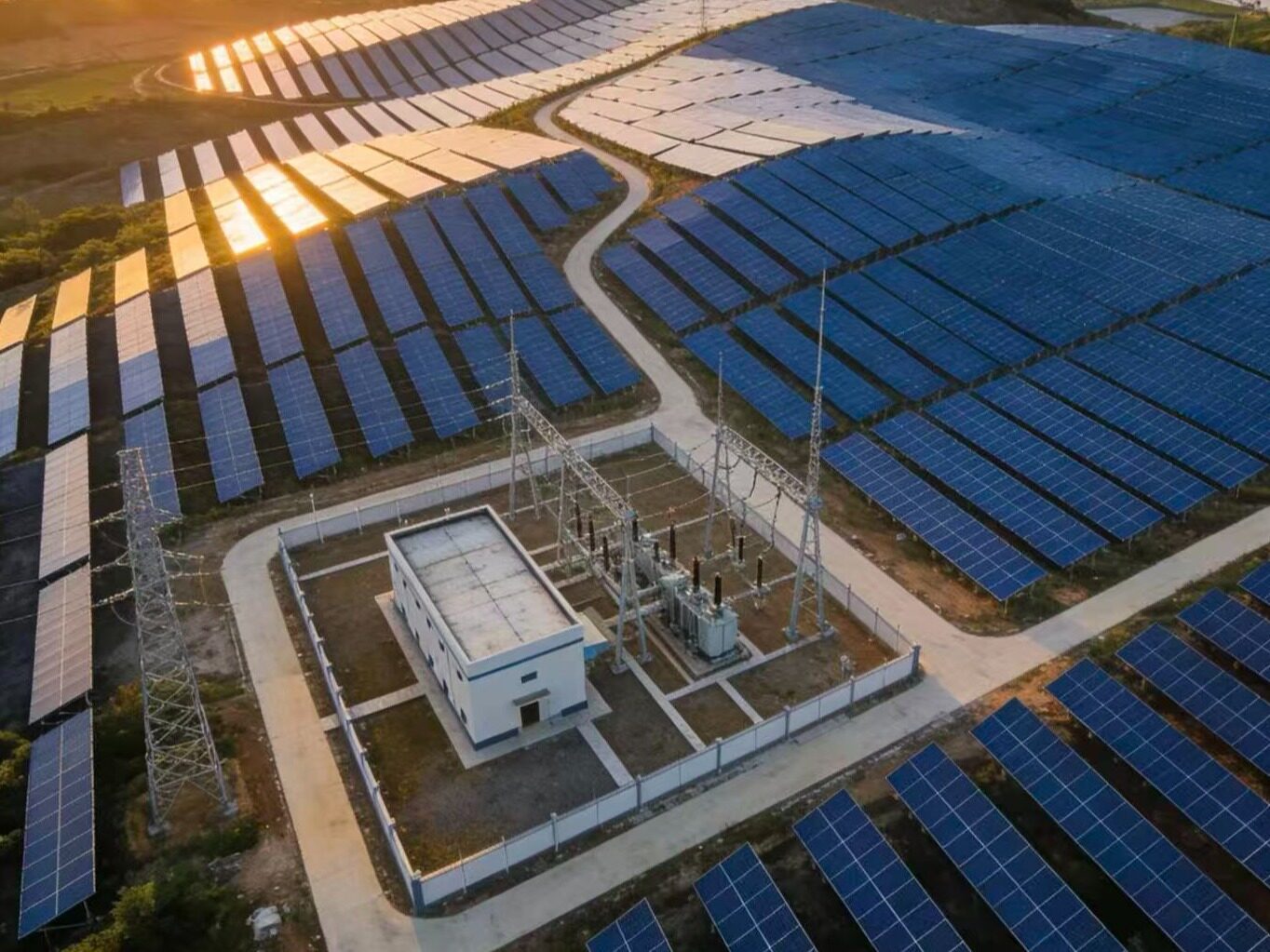
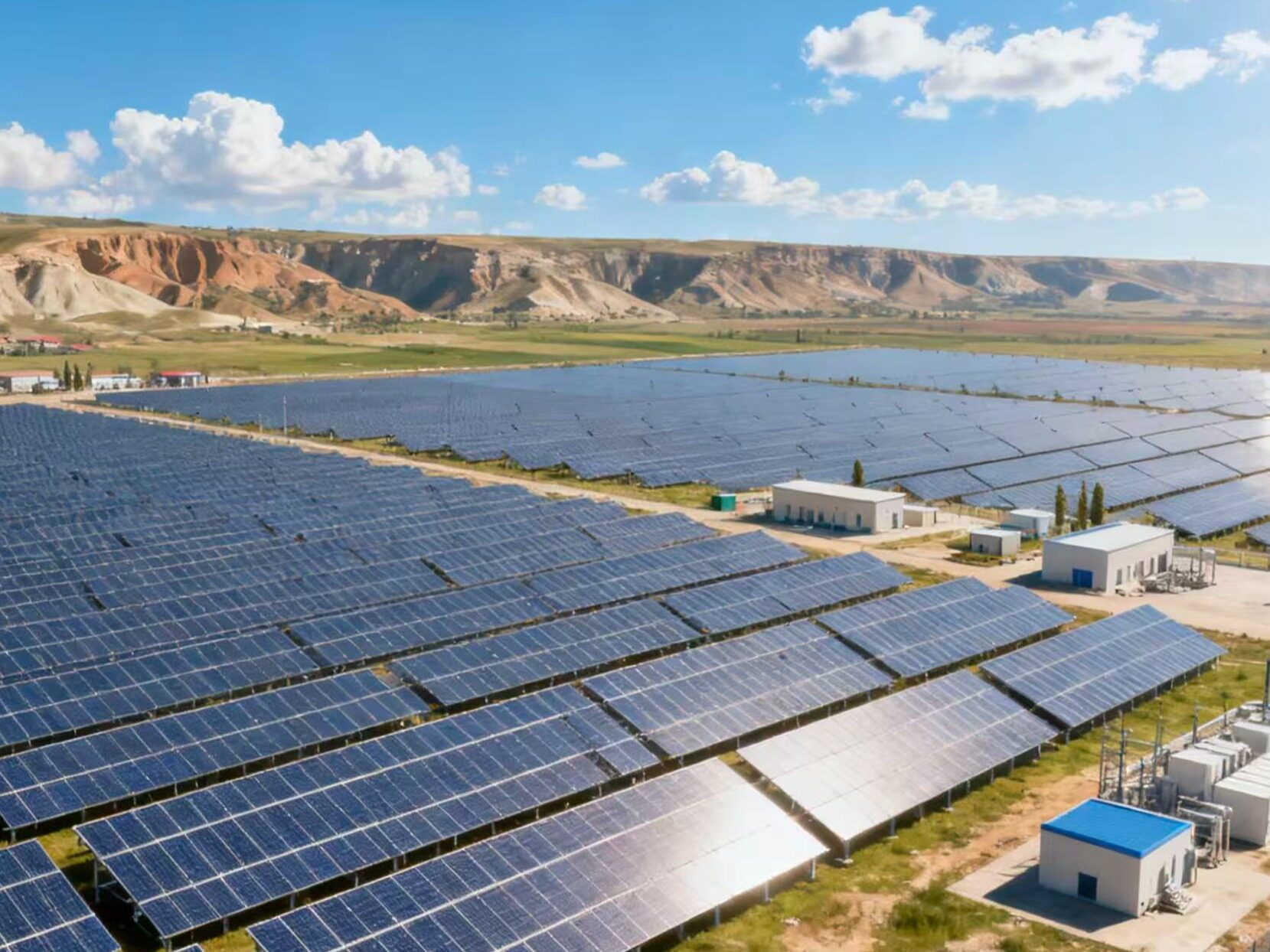
Driven by China, the global renewable energy industry has made amazing progress. On June 25, 2023, the first phase of the Lianghekou Hydropower Station on the Yalong River was connected to the grid to generate electricity at Kela photovoltaic power Station, located in Kela Township, Yajiang County, Garze Tibetan Autonomous Prefecture, Sichuan Province, marking the formal operation of the world's largest and highest water-light complementary power station.
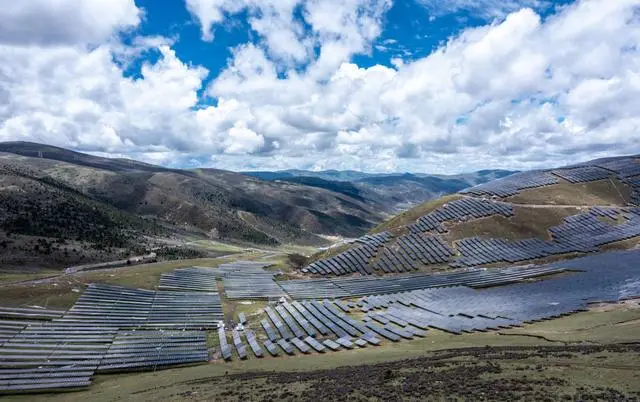
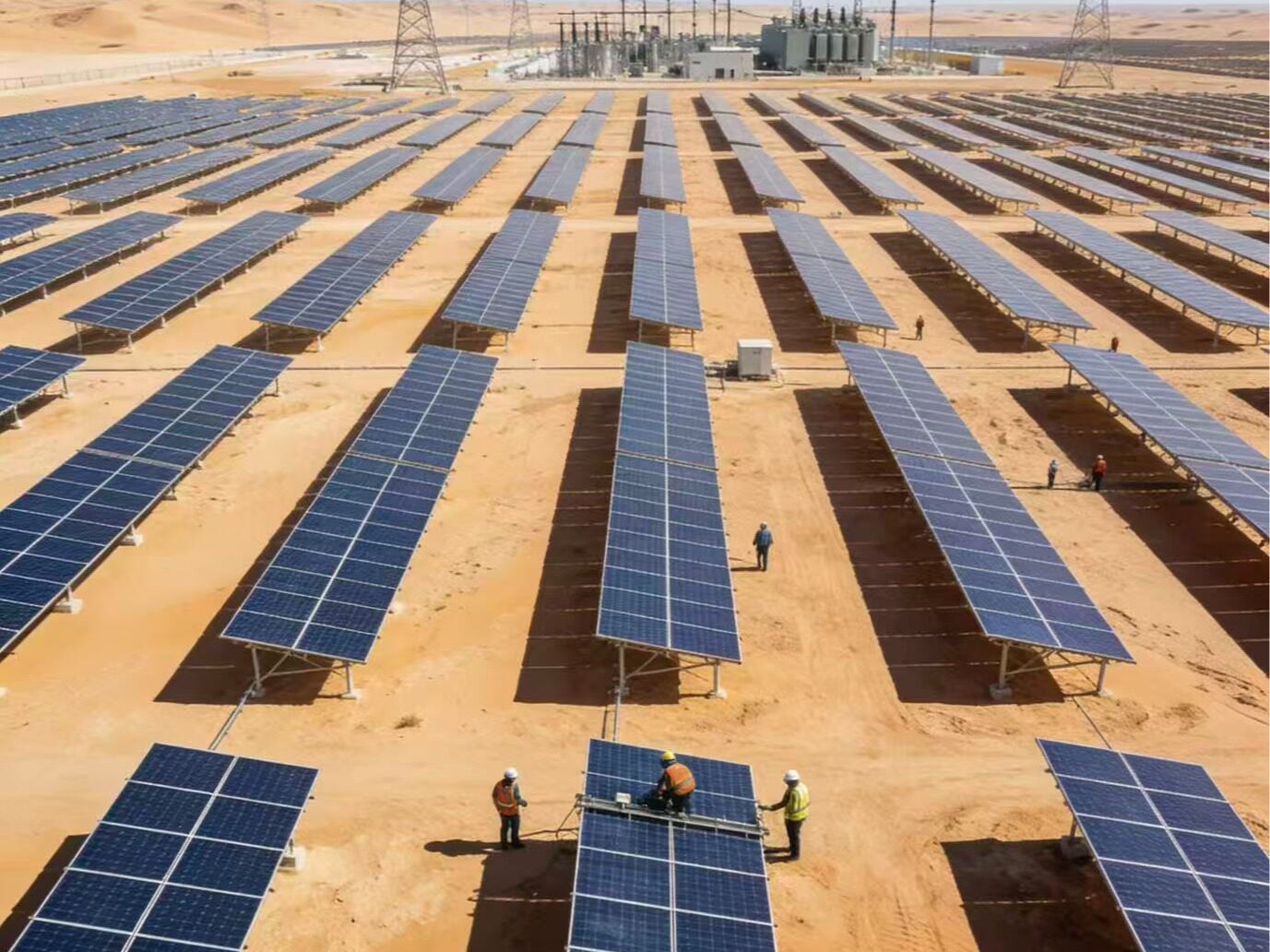
The characteristics of the first phase of Kola photovoltaic power station are mainly three words: large, high and difficult. Big, it means a lot of work. The site area of the power station is about 16 square kilometers, equivalent to 2,500 standard football fields. More than 2 million pieces of photovoltaic modules, the amount of steel used for its bracket is nearly 50,000 tons, which is equivalent to recreating a "Bird's Nest" stadium at a high altitude of more than 4,000 meters. The mechanical and electrical equipment of Kola phase I photovoltaic power station is in great demand, the total transportation of equipment and materials exceeds 10,000 vehicles, and the steel long queue composed of heavy trucks delivers materials on the treacherous 318 Sichuan-Tibet Line, with a cumulative journey of about 10 million kilometers, equivalent to 13 times between the Earth and the moon.
The second feature is height. The power station is the highest water-light complementary power station in the world, with an average altitude of more than 4000 meters and the highest altitude of 4600 meters.
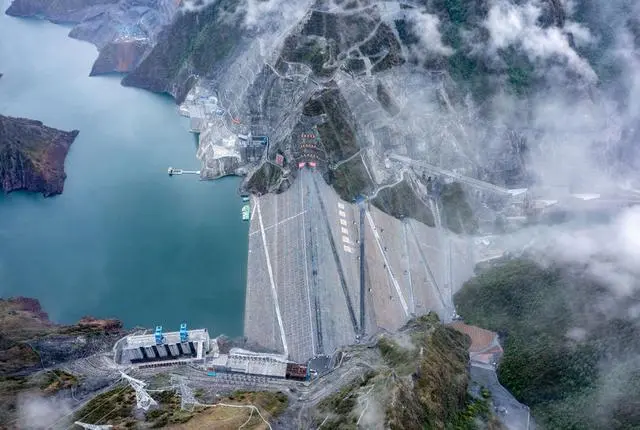
Another feature is difficult, engineering construction is particularly difficult. High cold and high altitude bring great challenges to engineering construction. The oxygen content of Kola phase I photovoltaic power station is only half that of the plain area, the ultraviolet light is nearly twice that of the plain area, the temperature difference between day and night is up to 30 ° C, the wind is up to 10, and the personnel and mechanical efficiency is serious. Faced with multiple problems such as tight construction period, heavy tasks and difficult conditions, more than 20,000 builders have created a precedent for continuous large-scale construction of large-scale photovoltaic projects in winter in high-cold and high-altitude areas. Follow the camera to experience the beauty of the world's largest water-light complementary power plant. Editor/Xu Shengpeng
Comment

 Praise
 Collect
 Comment

 Share
Share


Write something~