 Search


- The strong recovery of tourism in Southeast Asian countries will bring more job opportunities to regional countries
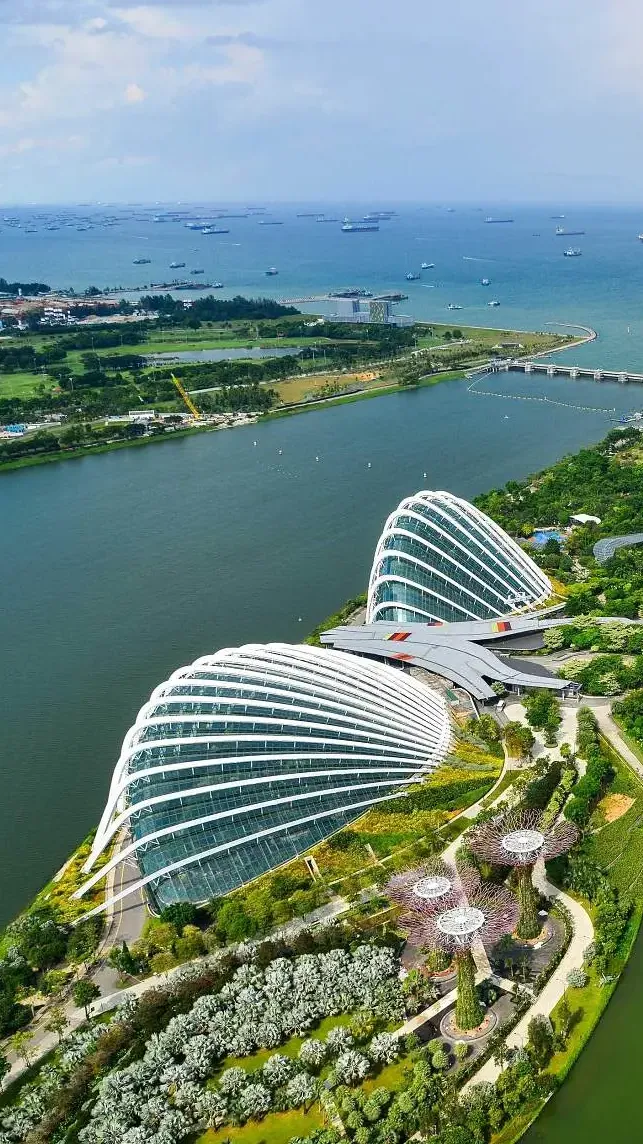
Since 2024, the tourism industry in Southeast Asian countries has accelerated its recovery. According to the latest report of the ASEAN Tourism Association, in the first quarter of 2024, the number of international tourists to the region has increased significantly. Hotel occupancy rates and flight passenger traffic have increased significantly in popular tourist destinations such as Thailand, Malaysia and Singapore. The tourism industry is expected to become the An important driving force for regional economic growth throughout the year. Currently, Southeast Asian countries are accelerating the improvement of tourism infrastructure, improving the quality of tourism services, improving the competitiveness of regional tourism, and creating diversified tourism destinations.
Tourism recovery drives growth in many industries
Beautiful natural scenery, ancient temple ruins, colorful ethnic culture... Southeast Asia's unique tourism resources attract travelers from all over the world.
Chai Wachalong, spokesman for the Prime Minister's Office of Thailand, recently introduced that in the first five months of this year, Thailand received a total of 14.76 million foreign tourists, an increase of 38% over the same period last year, bringing in more than 700 billion baht (1 yuan is equivalent to 5.11 baht). income.

As of mid-May this year, Thailand had received more than 13 million foreign tourists, a year-on-year increase of 40%, and tourism revenue exceeded 630 billion baht. During the Songkran Festival in April alone, Thailand attracted nearly 300,000 tourists and earned more than 290 million baht. Ta Peni, director of the National Tourism Administration of Thailand, told reporters that Thailand’s tourism industry has strong growth momentum, driving the growth of accommodation, catering, transportation, shopping and other industries, and becoming an important driving force for Thailand’s economic development. Thailand is expected to attract about 8.27 million foreign tourists in the second quarter of this year, bringing in revenue of about 370 billion baht.
In the first quarter of 2024, the tourism industry in many Southeast Asian countries experienced rapid growth. Among them, Vietnam received more than 4.6 million foreign tourists, a year-on-year increase of 72%. Malaysia attracted 5.8 million foreign tourists, a year-on-year increase of 32.5%; Indonesia received more than 3 million foreign tourists, the highest level in the past four years; Cambodia received nearly 1.6 million foreign tourists, a year-on-year increase of more than 20%; Laos received more than 1.1 million foreign tourists. million, a year-on-year increase of 36%.
The "Asian Development Outlook 2024 (April Edition)" released by the Asian Development Bank pointed out that driven by factors such as the recovery of tourism and strong domestic demand, developing economies in the Asia-Pacific region continue to maintain resilient growth. The International Monetary Fund predicts that Cambodia’s economic growth will exceed 6% in 2024, thanks to the good development of tourism. Vietnam is expected to receive 17 million to 18 million foreign tourists and 110 million domestic tourists throughout the year, with total tourism revenue of approximately VND840 trillion.
Malaysian Minister of Tourism, Arts and Culture Teo Keng Sin said that the strong recovery of tourism in Southeast Asian countries will bring more job opportunities to regional countries. ASEAN Secretary-General Gao Jinhong said that ASEAN is committed to promoting the development of tourism in the region, and tourism plays an important role in promoting regional economic growth.
Create new highlights for the sustainable development of the industry
Since the beginning of this year, Southeast Asian countries have introduced a number of measures to promote the continued growth of tourism and improve the overall competitiveness of the tourism industry. The Singapore Tourism Board is formulating the "Tourism 2040" long-term strategy, and the development of health and wellness tourism is one of the key projects. Singapore's Minister of Sustainable Development and Environment Fu Haiyan said that Singapore plans to build a new health and wellness-themed attraction near the coastal embankment in the south of the country, using the surrounding rich tourism resources to provide tourists with a new experience. The project is expected to be completed before the end of 2030.
Cai Xiuling, chairman of the Cambodia Travel Agents Association, said that Cambodia is taking a number of measures to improve the overall quality and attractiveness of the tourism industry, and developing original ecological tourism is one of the key directions. She said that the four coastal provinces of Kep, Kampot, Koh Kong and Sihanoukville have diverse natural beauty and eco-tourism resources and are the core highlights of Cambodia’s tourism industry. On the basis of traditional beach vacations, the local government will launch a series of tourism projects such as forest exploration, mountain hiking and canal tours, allowing tourists to immerse themselves in Cambodia's colorful natural landscape and cultural heritage.
The National Tourism Administration of Thailand recently launched a pilot project called "365 Days to Visit Second-tier Cities", aiming to deeply explore the tourism resources of cities outside Bangkok, such as further developing the resources of Kanchanaburi, Ayutthaya and other places to create more Popular tourist destinations. The Thai government hopes that through this project, it can help the country's tourism industry achieve diversified development, relieve the pressure of excessive tourism concentration in Bangkok, and radiate the economic benefits of tourism to more regions.
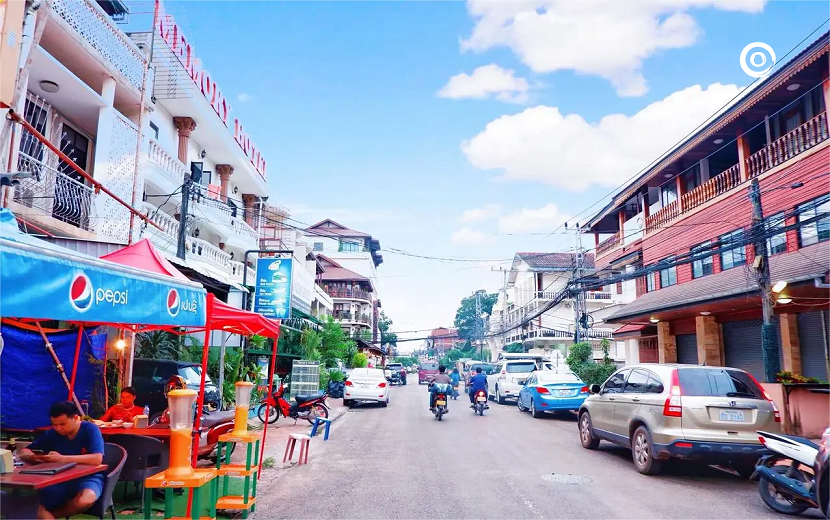
2024 is the Lao National Tourism Year. The Lao government has formulated a series of short-term, medium- and long-term development strategies to improve the development level of the tourism industry. The Lao tourism department is vigorously promoting multi-lingual publicity programs in Lao, English and Chinese, producing tourist information brochures to distribute to tourists, and widely promoting tourist attractions on social media platforms. In addition, the Lao government will organize nearly 80 important people-to-people and cultural exchange promotion activities throughout the year, such as ethnic food production, "one region, one product" product display and market expos in Huaphan and other provinces, and in Luang Namtha and other provinces. It hosts many events including rowing races, marathons and cycling races. The Lao Ministry of Information, Culture and Tourism stated that it will continue to develop more tourism products and improve supporting tourism services to attract more international tourists.
The Vietnam General Administration of Tourism has increased its global promotion efforts and connected with other departments such as agriculture, industry, and trade to develop more tourism products and stimulate tourist consumption.
Chinese tourists help develop regional tourism
The Chinese tourist market is one of the focuses of Southeast Asian countries in attracting foreign tourists. China has implemented a unilateral visa-free entry policy for Malaysia since December 1, 2023, and Malaysia has also announced the implementation of visa-free facilitation measures for Chinese citizens from the same day. Since this year, China has signed mutual visa exemption agreements with Singapore and Thailand.
Since the China-Thailand Mutual Visa Exemption Agreement came into effect on March 1, the popularity of Chinese tourists visiting Thailand has continued to increase. Thai data shows that in the first quarter of this year, Thailand received more than 1.75 million Chinese tourists, ranking first among tourists from various countries. The Tourism Authority of Thailand recently signed a letter of intent for international tourism strategic cooperation with UnionPay International, agreeing to deepen cooperation in areas such as brand promotion, marketing promotion, and data sharing. Ta Peni said that the Chinese market has huge potential and is an important source of international tourists for Thailand. "The Thai government attaches great importance to the travel experience of Chinese tourists in Thailand. Our cooperation with UnionPay International will provide more convenience for Chinese tourists, enhance their confidence in traveling to Thailand, and promote the continuous development of people-to-people and cultural exchanges between Thailand and China." Ta Peni explain.
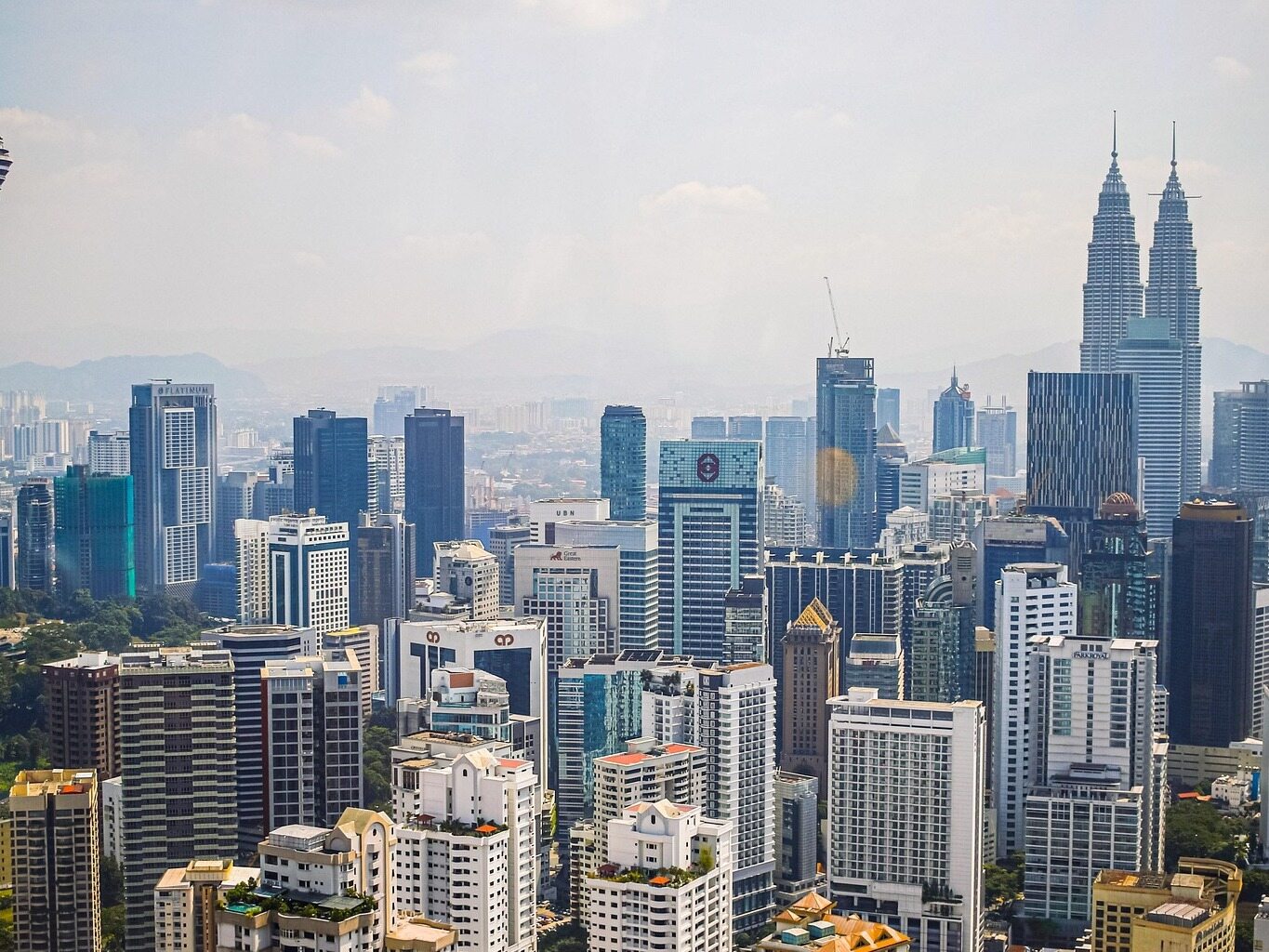
Manoharan, director of the Malaysian Tourism Promotion Board, said that the visa-free policy between Malaysia and China has seen obvious results in the first month of implementation. In that month, the number of tourists from China reached 168,000, an increase of 35.1% compared with November 2023. The Malaysian Immigration Bureau recently announced that it will further optimize the entry procedures for Chinese tourists, including eliminating the need to produce documents such as proof of financial ability and proof of accommodation during their stay in Malaysia. Gan Tianlu, vice president of the Malaysia-China Public Relations Association, said that attracting more Chinese tourists to visit will promote the continued growth of Malaysia's tourism industry and drive the development of related industries such as hotels, catering, transportation and retail.
2024 is the year of cultural exchanges between China and Cambodia. Cai Xiuling said that Chinese tourists have always been the main force in the Cambodian tourism market. Cambodia is launching a number of new measures, including increasing direct flights, simplifying visa procedures, and jointly carrying out marketing activities, to enhance the travel experience of Chinese tourists in Cambodia. "The 'Cambodia-China Year of People-to-People Exchange' can not only enhance tourism cooperation, but also help further enhance the friendship between the two peoples." Cai Xiuling said. Editor/Zhao E
Comment





 Praise
 Collect
 Comment

 Share
Share


Write something~