 Search


- This "power artery" connecting Laos' wind power base is a landmark project for deepening China ASEAN connectivity.
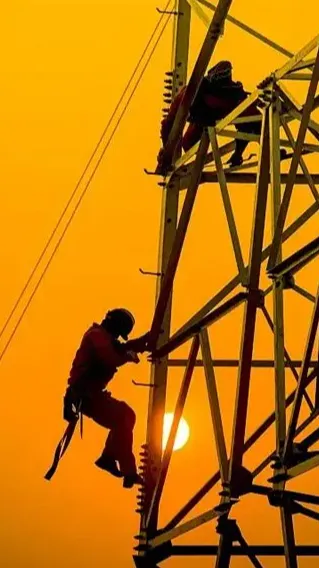
A 'invisible energy corridor' is about to emerge between Chongshan on the Laos border and the coastline of Ha Tinh Province in Vietnam. In the fourth quarter of 2025, cranes will erect the first iron tower on this cross-border land - a 45 kilometer long 500 kV transmission line that not only carries an investment of $88 million and the expectations of both countries for clean energy, but also connects the footprints of Chinese companies deeply rooted in the energy infrastructure field in Southeast Asia.
Project Core
The People's Committee of Ha Tinh Province recently approved the 500 kV transmission project from Cha Lo Wind Power Base in Laos to Ha Tinh in Vietnam. The total investment of the project is about 2.3 trillion Vietnamese dong (approximately 88 million US dollars), which will construct 45 kilometers of double circuit transmission lines and expand two intervals of the Hejing 500 kV substation. The construction of the project requires the requisition of 20 hectares of permanent land and 15 hectares of temporary land. The safety passage covers 162 hectares and is planned to be implemented in two stages: the first phase of construction will be completed from the fourth quarter of 2025 to the third quarter of 2026, and the entire line will be put into operation in the third quarter of 2027.

regional value
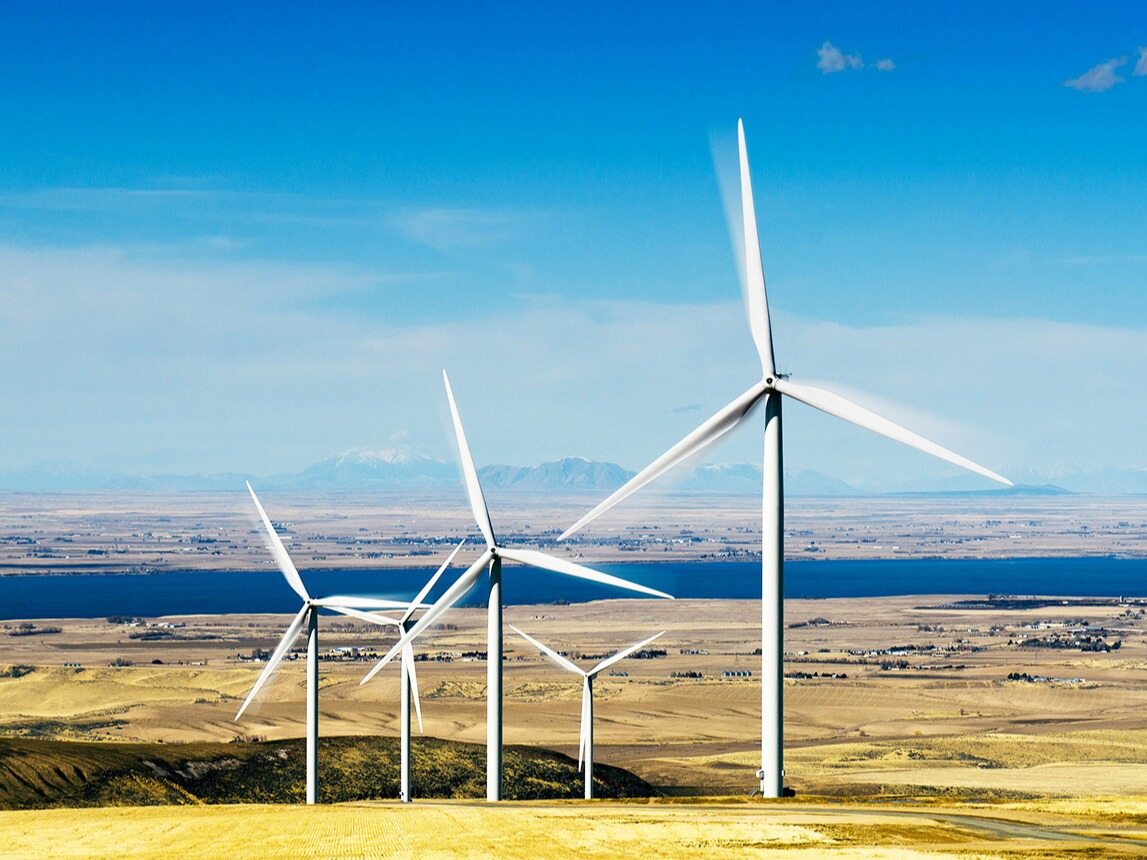
This line directly connects the Cha Lo wind power base in Laos with the Vietnamese power grid, which will greatly enhance the power transmission capacity in the northern region of Vietnam and alleviate the long-standing power shortage problem in the area. The project has been designed and operated for 50 years, marking the transition of energy cooperation between Vietnam and Laos from one-way trade to deep infrastructure connectivity. As an important node of the the Belt and Road energy cooperation network, the project also provides a new demonstration for the coordinated development of green energy between China and ASEAN.
Long term significance
The project goes far beyond simple technical engineering - it is not only a key layout for Vietnam to optimize its energy structure and ensure power supply security, but also an important export for Laos' clean power transmission, and reflects the professional role of Chinese enterprises in regional energy construction. Under the trend of regional energy transformation and grid interconnection, such cross-border projects will promote the formation of a more flexible and sustainable electricity sharing ecosystem in Southeast Asia, injecting green momentum into regional economic development. Key words: Southeast Asia News Network, the Belt and Road Project Information
By integrating funds, technology, and cross-border collaboration, this upcoming 'Power Silk Road' is quietly illuminating the future vision of regional prosperity. Editor/Yang Meiling
Comment

 Praise
 Collect
 Comment

 Share
Share


Write something~