 Search


- The construction of Indonesia's new capital, rail transit, and electricity market have brought broad development opportunities.

Country Profile
The Republic of Indonesia, known as the "Land of Thousand Islands", is the undisputed leader in the ASEAN region, with a population, land area, and total economy accounting for approximately 40% of ASEAN. Indonesia has a vast territory with 1.9136 million square kilometers of land and 3.17 million square kilometers of ocean. The abundant mineral resources, especially the mining and export of coal, nickel, and copper, provide solid support for its economic development. At the political level, Indonesia has a relatively stable political situation and implements a presidential system. The president is the head of state, the head of government, and the highest commander of the military, with full control over national administration and security.
Macroeconomic Environment
The economic strength of Indonesia should not be underestimated. Despite a brief decline in GDP due to the impact of the pandemic in 2020, the economy has shown a strong recovery momentum since the outbreak. From 2016 to 2019, Indonesia's GDP continued to grow, with a stable real GDP growth rate of around 5%; From 2021 to 2023, the economy will rebound strongly and return to the pre pandemic growth track. In 2023, Indonesia's GDP will reach 1.37 trillion US dollars, with an actual GDP growth rate of 5%. It not only ranks first in ASEAN, but also 16th in the world, with a per capita GDP of about 4920 US dollars. The International Monetary Fund and the Organization for Economic Cooperation and Development are both optimistic about Indonesia's economic prospects, with real GDP growth rates expected to reach 5.1% and 5.2% respectively by 2025.
Analysis of Market Opportunities in the Engineering Industry
1. The construction of the new capital brings market opportunities to the construction industry
Indonesia's push for the construction of a new capital has injected strong demand into the construction industry. In order to promote balanced social development and alleviate traffic congestion and land subsidence in Jakarta, the Indonesian parliament officially passed the capital relocation bill in February 2022. The new capital is named Nusanda and is located in the central area of East Kalimantan Province. Currently, the population density is low and there is a lack of basic buildings and public facilities. According to the plan, the construction of the new capital will be carried out in five stages and is expected to be completed by 2045.
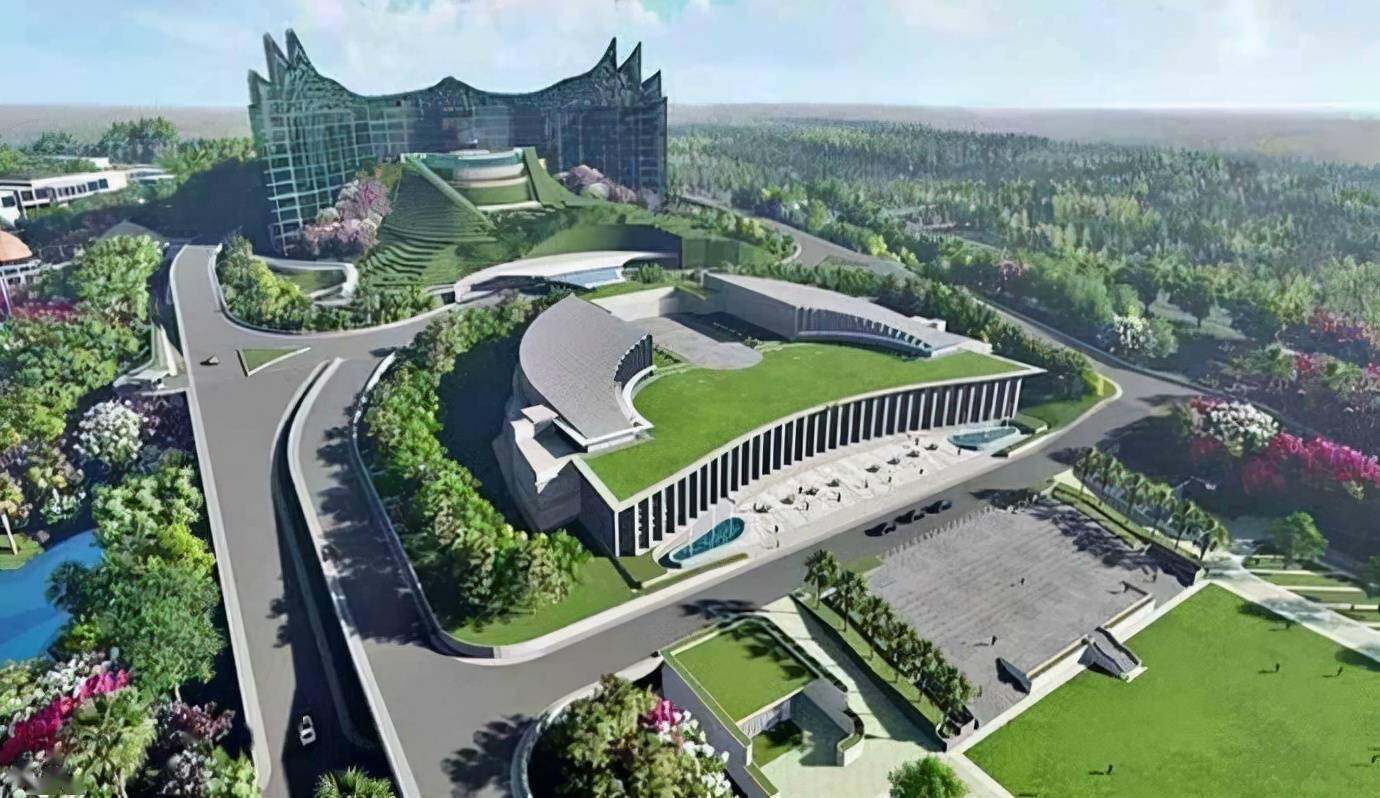
This grand project will have a profound impact on the medium and long-term development of the Indonesian construction industry. A large number of buildings and public infrastructure urgently need to be built, which is expected to significantly drive the growth of regional construction output value. The relocation of the capital is expected to cost up to 466 trillion Indonesian rupiah, making it one of the largest infrastructure projects in Indonesian history. Fitch Ratings predicts that the average annual real growth rate of Indonesia's housing construction sector will reach 5.7% from 2023 to 2032, with an expected 4.9% from 2023 to 2025.
2. The rail transit market welcomes a market worth billions of dollars
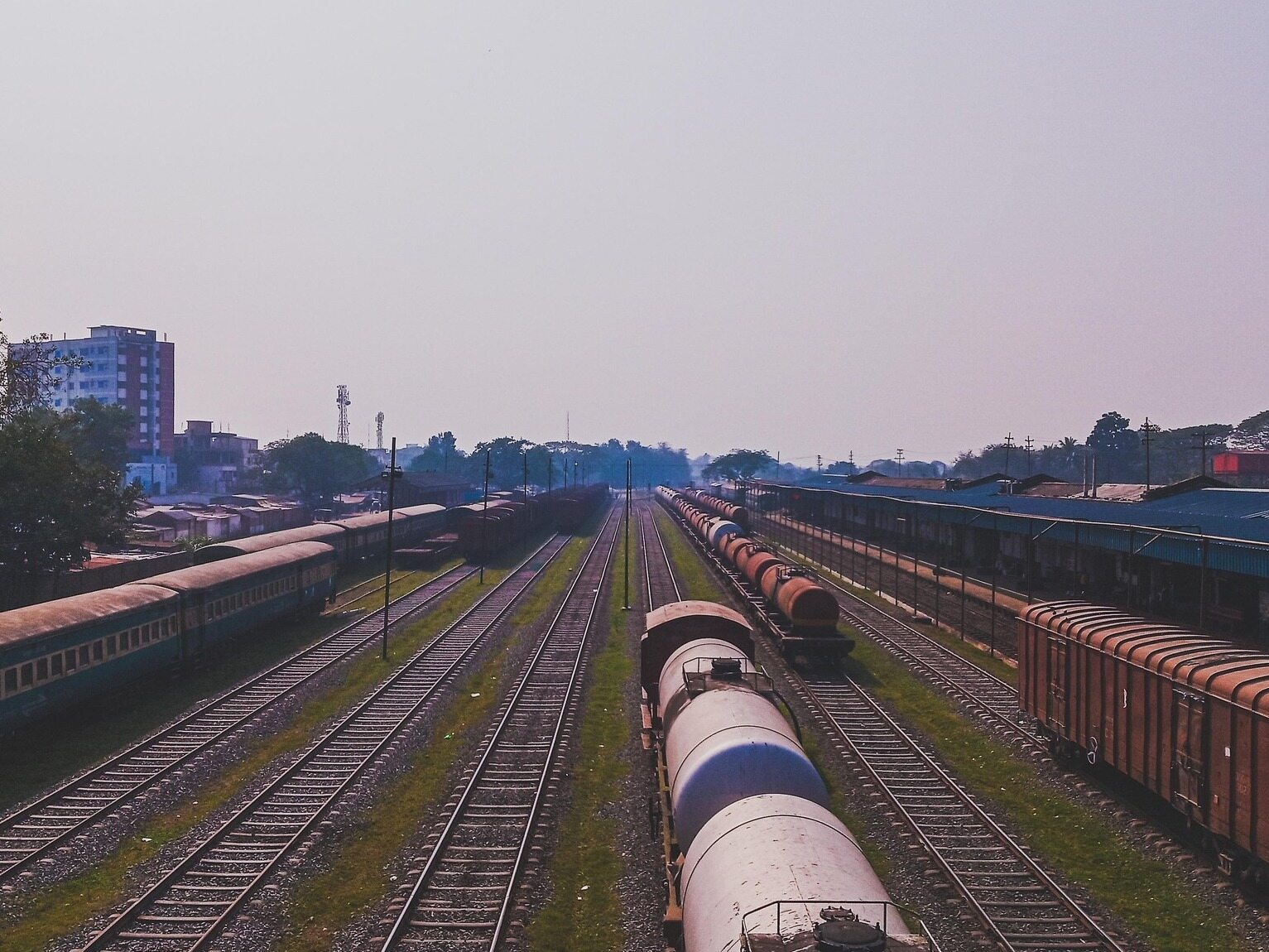
The Indonesian government is increasing investment in transportation infrastructure and the demand for construction continues to be released. The government emphasizes the close integration of urban transportation systems with spatial planning, vigorously developing multimodal and continuous transportation, including rapid transit, light rail, electric railways, and rapid transit systems, to effectively alleviate traffic congestion in major cities such as Jakarta, Surabaya, Medan, and Bandung.
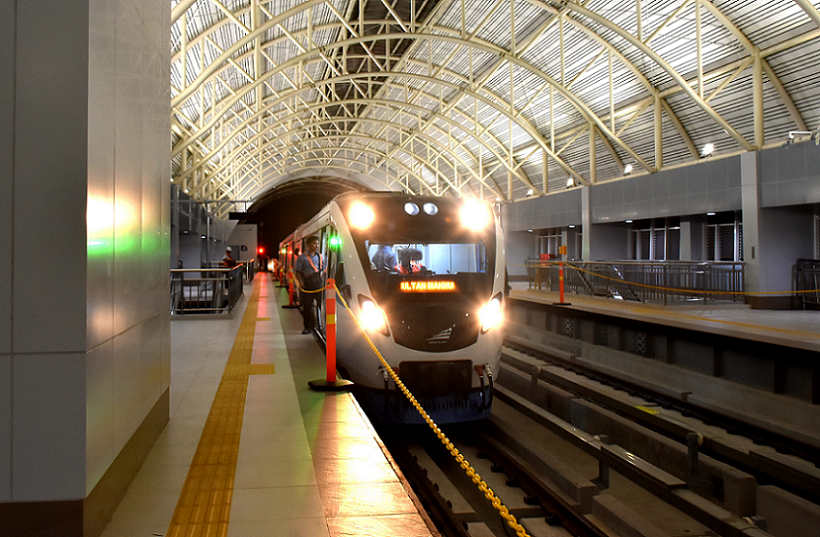
In terms of urban rail transit, according to the 2030 National Railway Construction Master Plan, the Greater Jakarta region is expected to invest up to $40 billion in infrastructure projects by 2030. At that time, the Jakarta MRT line will expand from the current 16 kilometers to 223 kilometers, the light rail line will increase from 5.8 kilometers to 116 kilometers, and the coverage of the rapid transit network will expand from 431 kilometers to 2149 kilometers. The Light Rail Transit (LRT) in Greater Jakarta has been put into operation since July 2023.
In terms of railway construction, Indonesia plans to implement a total investment of over 88.16 billion US dollars in railway projects by 2030, covering the construction of light rail, rapid transit, and high-speed railways. The goal is to achieve a total length of 10524 kilometers of railway tracks in Indonesia by 2030, and to build 3258 kilometers of railway lines in strategic areas, while increasing the number of trains and constructing new stations.
3. There is great potential for the development of the electricity market
With the continuous promotion of the national reconstruction plan and power development plan, the Indonesian power construction market has a vast space. Indonesia launched a "National Reconstruction Plan" with a total investment of 412 billion US dollars in 2019, of which 70 billion US dollars will be invested in the construction of power infrastructure, with plans to build new power stations between 2020 and 2024.
In the same year, the Indonesian government released a ten-year power development plan, proposing a target of 56.4GW of newly installed power capacity in the next decade, with enormous development potential. In the field of thermal power, Indonesia plans to build multiple coal-fired power plants, such as Jawa 9 and 10, Sumatra 2, etc., with a total installed capacity of over 20000 megawatts, and is committed to improving the efficiency and environmental protection level of existing coal-fired power plants.
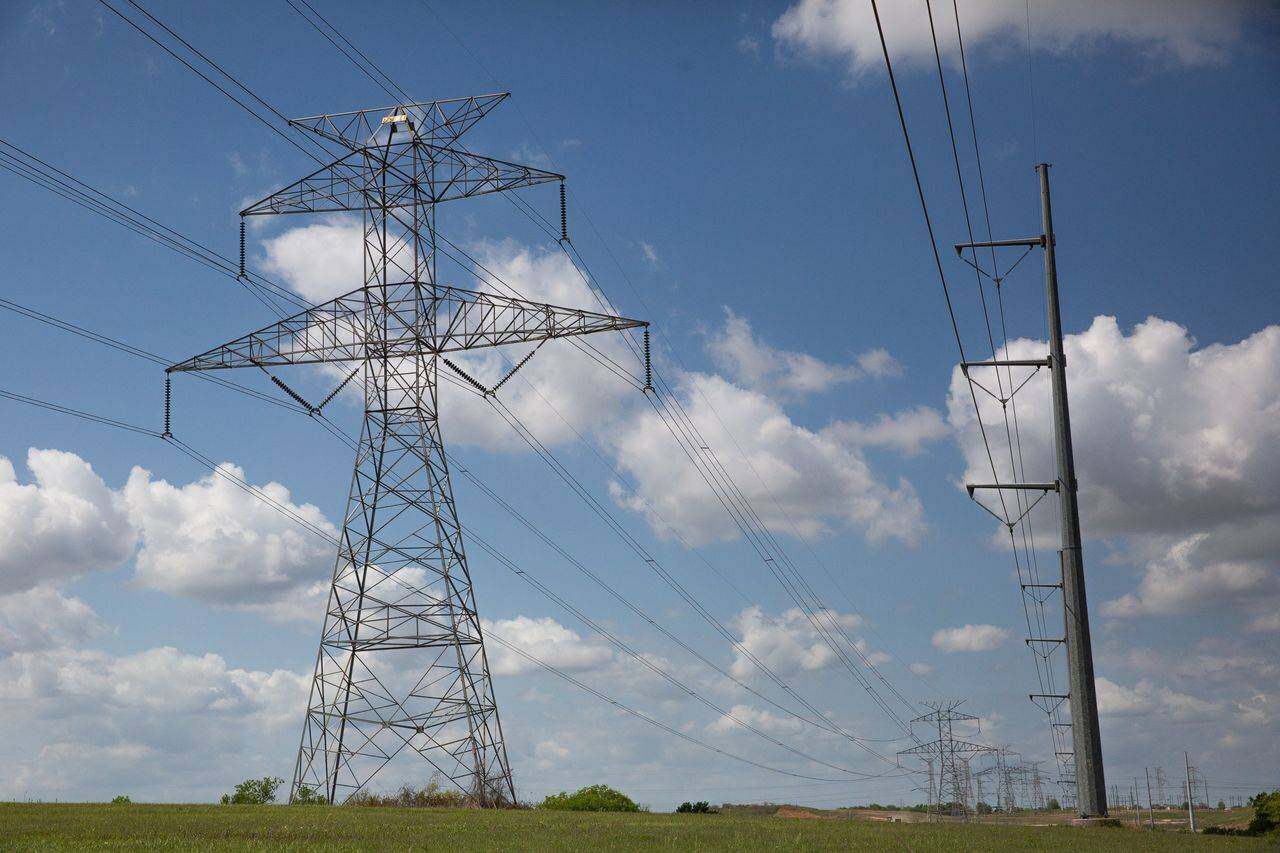
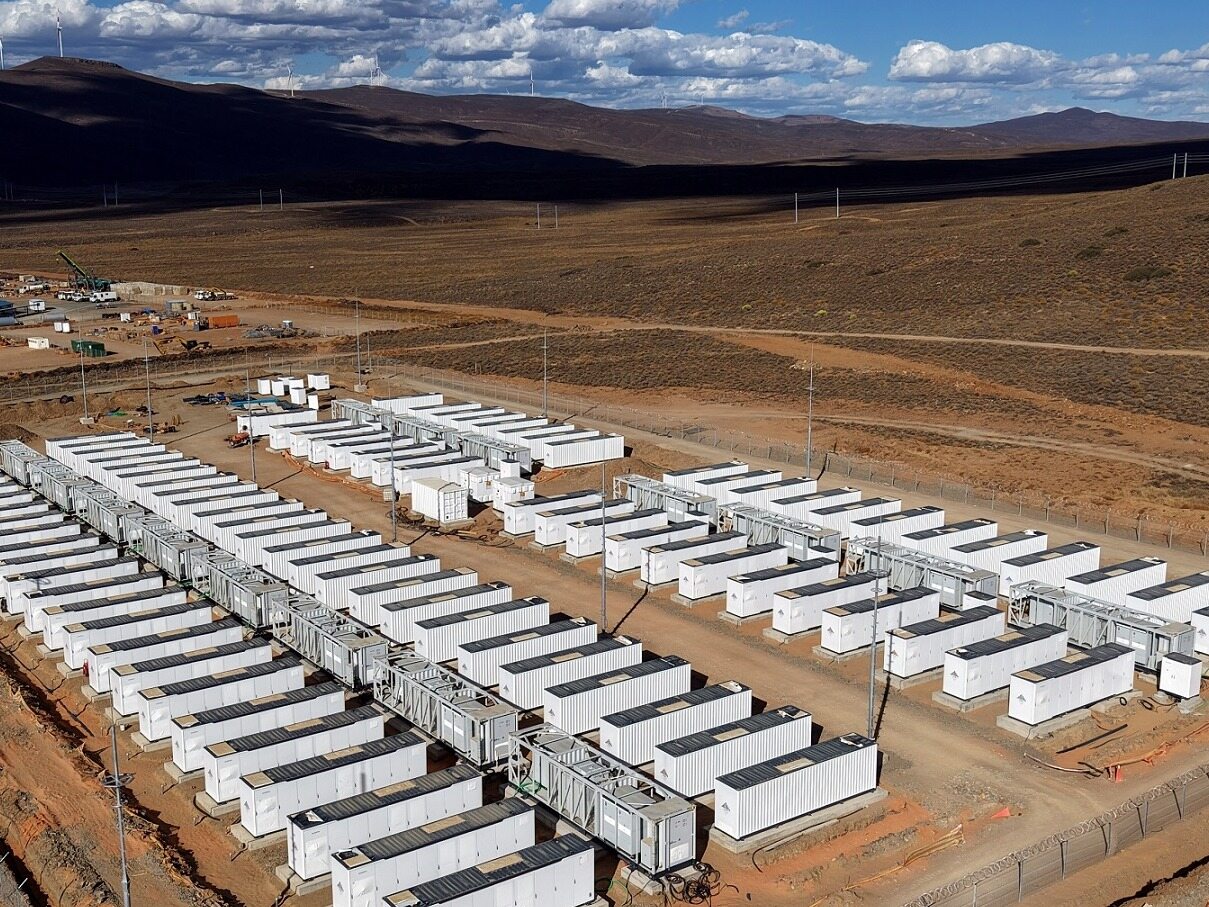
Smart grid and power storage are key directions for the development of electricity in Indonesia. Optimizing power allocation through the application of smart grid technology and constructing energy storage systems to address the intermittent challenges of renewable energy.
In addition, the potential for hydropower development in Indonesia is also enormous. The country has over 800 rivers with hydroelectric power generation conditions, with a total theoretical reserve of approximately 75 gigawatts. In recent years, significant progress has been made in the construction of hydropower projects in Indonesia, with increased investment and a continuous expansion of the scale of ongoing projects. In March 2023, Indonesia launched the construction of the Mentarang Induk hydropower station, with a total investment of 2.6 billion US dollars and a total installed capacity of 1.375 gigawatts. It will be connected to the electric vehicle and battery industry park in North Kalimantan and is expected to be completed within seven years.(This article is from the official website of Jian Dao www.seetao.com. Reproduction without permission is prohibited, otherwise it will be prosecuted. Please indicate Jian Dao website+original link when reprinting.) Jian Dao website Southeast Asia column editor/Yin Jiahui
Comment



 Praise
 Collect
 Comment

 Share
Share


Write something~