 Search


- After completion, the project will become the largest solar power station in Central Asia, helping to transform the energy structure
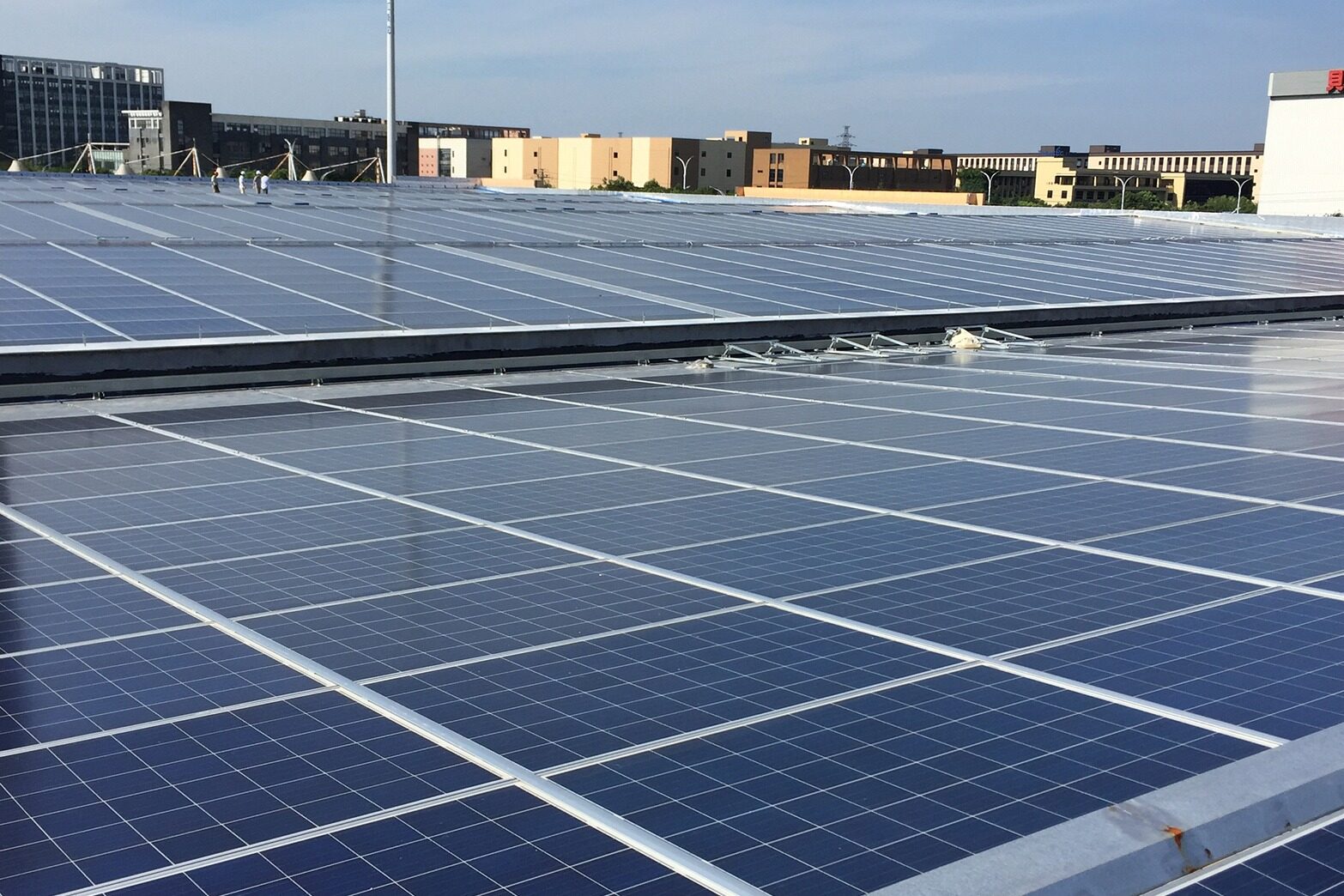
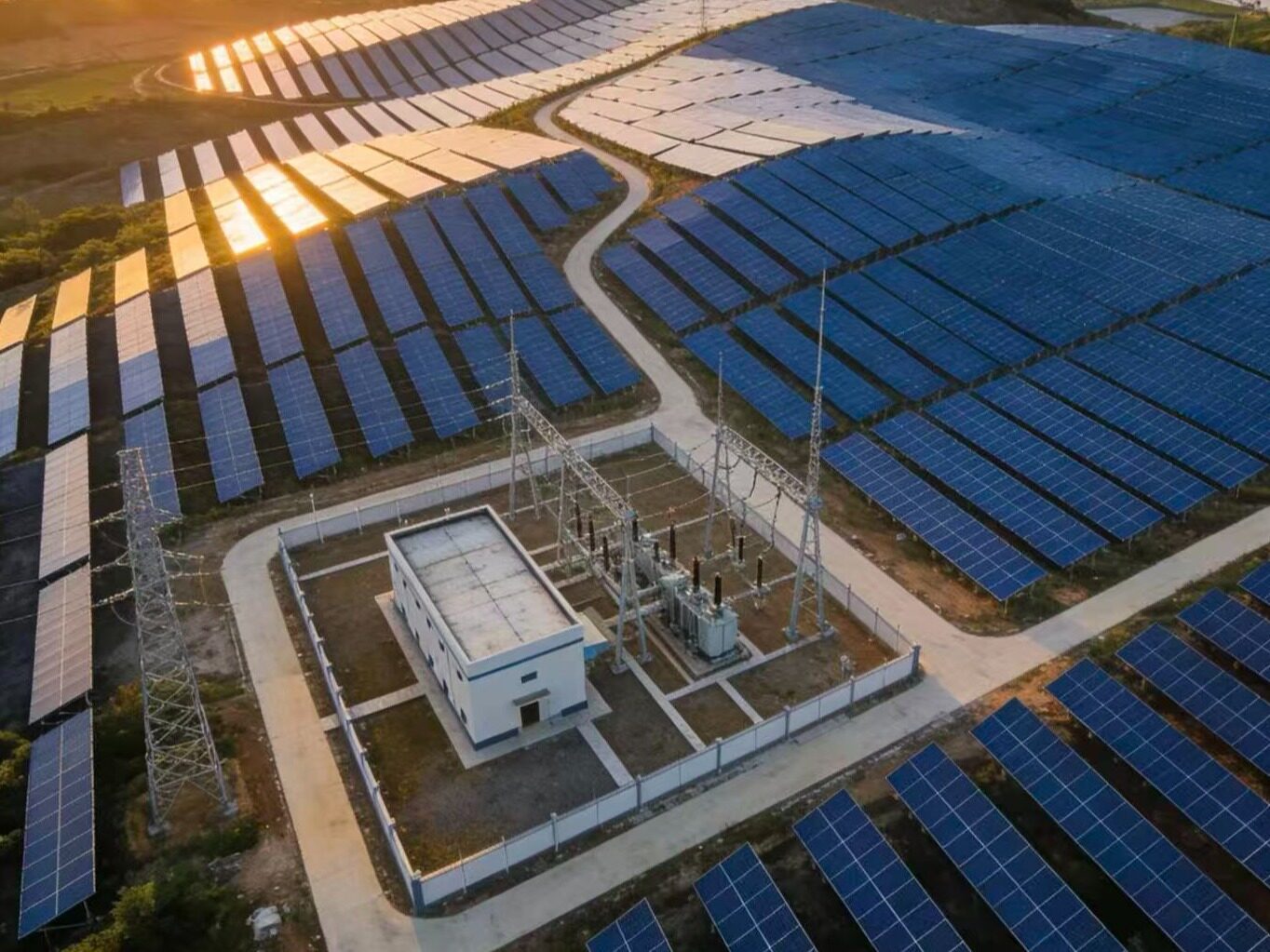
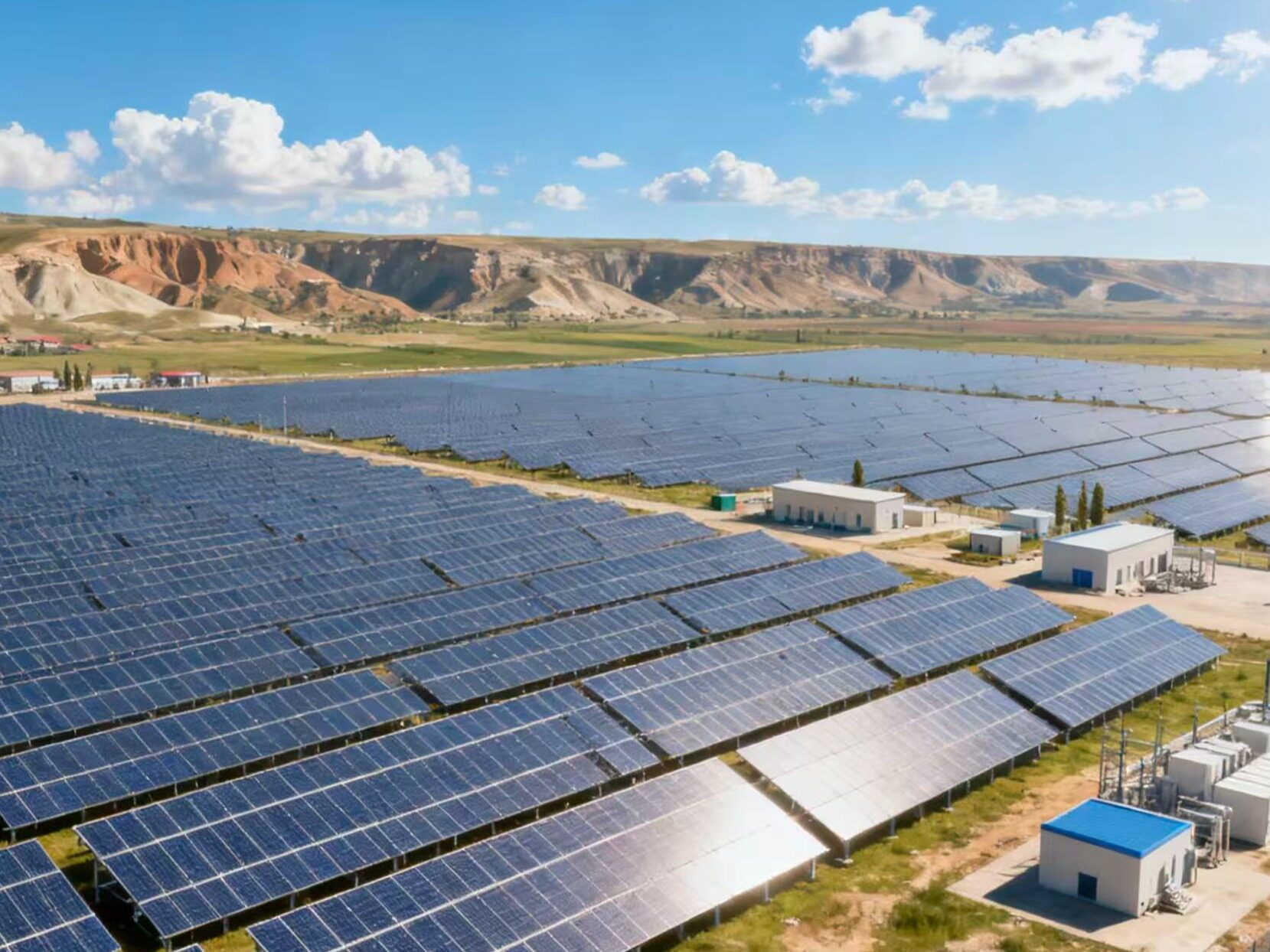
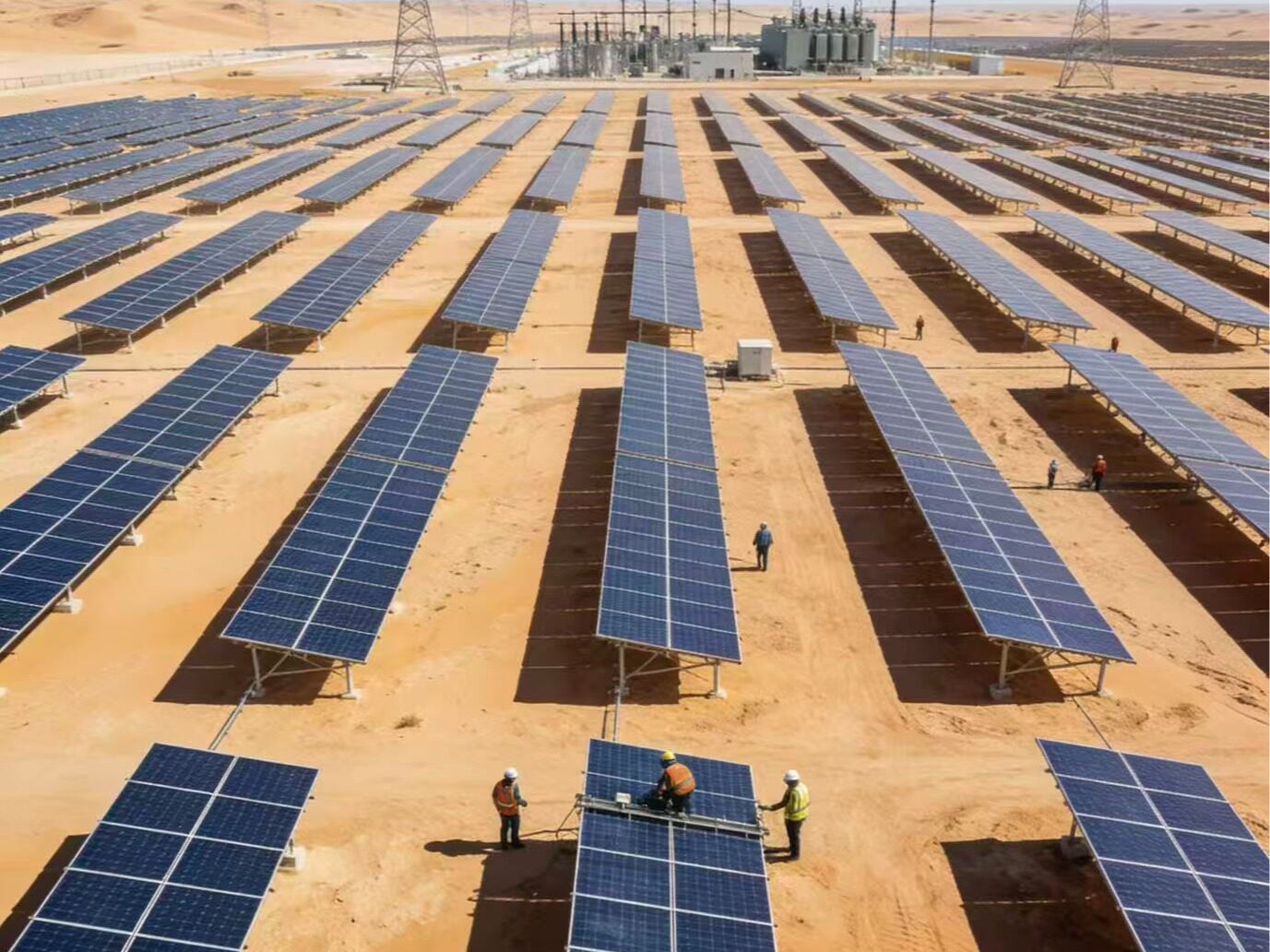
On July 28, 2025, the Cabinet of the Kyrgyz Republic officially signed a cooperation agreement with Rox Energy Global Energy Group and RECA Limited Liability Company of Vietnam to construct a solar power plant with a total installed capacity of 1.9 gigawatts in Kizil Orok Village, Issyk Kul, northeastern Kyrgyzstan. After completion, this project will become the largest photovoltaic power station in Central Asia, expected to be fully operational by 2027. It can provide 20% of Kyrgyzstan's national electricity demand annually and reduce approximately 18 million tons of carbon dioxide emissions.
Kyrgyzstan has long relied mainly on hydroelectric power generation, with hydroelectric power accounting for over 80%. However, due to the decrease in winter snowmelt, the country's electricity supply gap has reached as high as 30%. With an average annual sunshine of 3000 hours, Issyk Kul has become one of the regions with the richest solar energy resources in Central Asia, providing unique natural conditions for the development of photovoltaic power generation.
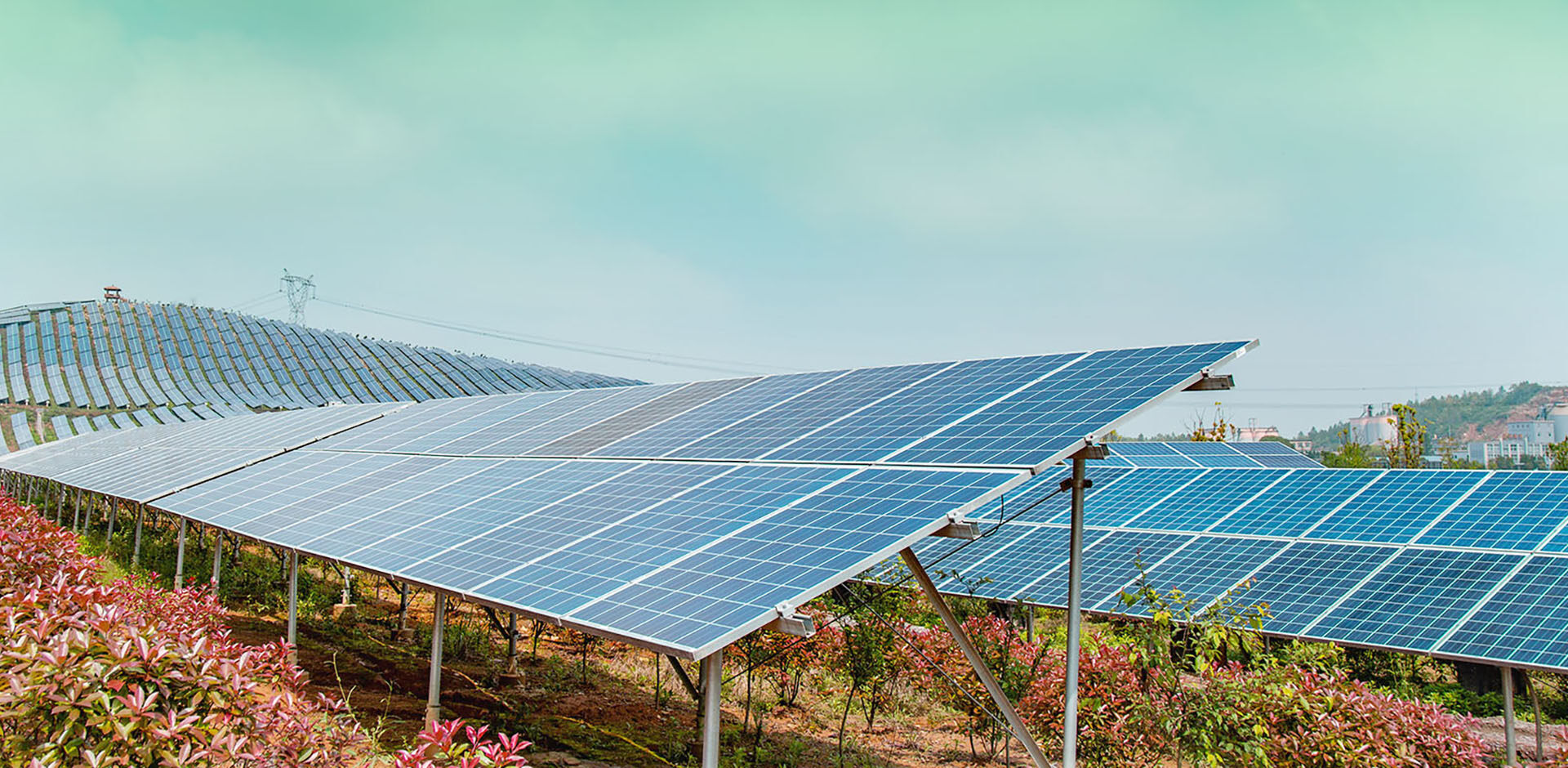
According to the latest statistics from the International Renewable Energy Agency (IRENA), as of the end of 2024, Kyrgyzstan's installed photovoltaic capacity remains zero. In order to change this situation, the government of the country has continuously introduced multiple supportive policies in recent years: the Energy Emergency Order will be issued in 2023, and a Green Energy Development Fund will be established; In 2024, the "Hundred Key Projects" investment promotion plan will be launched, and the photovoltaic industry will be listed as a priority development area; In 2025, the strategic goal of achieving net electricity exports by 2026 was proposed. The 1.9 gigawatt project complements the 300 megawatt photovoltaic project supported by the European Bank for Reconstruction and Development, marking Kyrgyzstan's official entry into a new stage of "gigawatt level photovoltaic power generation".
The implementation of this project will not only effectively alleviate the power shortage problem in Kyrgyzstan, but also promote the country's energy structure to transform towards diversification and cleanliness. After the completion of the project, Kyrgyzstan is expected to become a model for the development of renewable energy in Central Asia, providing a new development model for regional energy cooperation. (This article is from the official website of Jian Dao www.seetao.com. Reproduction without permission is prohibited, otherwise it will be prosecuted. Please indicate Jian Dao website+original link when reprinting.) Jian Dao website new energy column editor/Yang Beihua
Comment

 Praise
 Collect
 Comment

 Share
Share


Write something~