 Search


- Developed by Saudi International Power, a 2.8 gigawatt solar project aims to promote the development of renewable energy
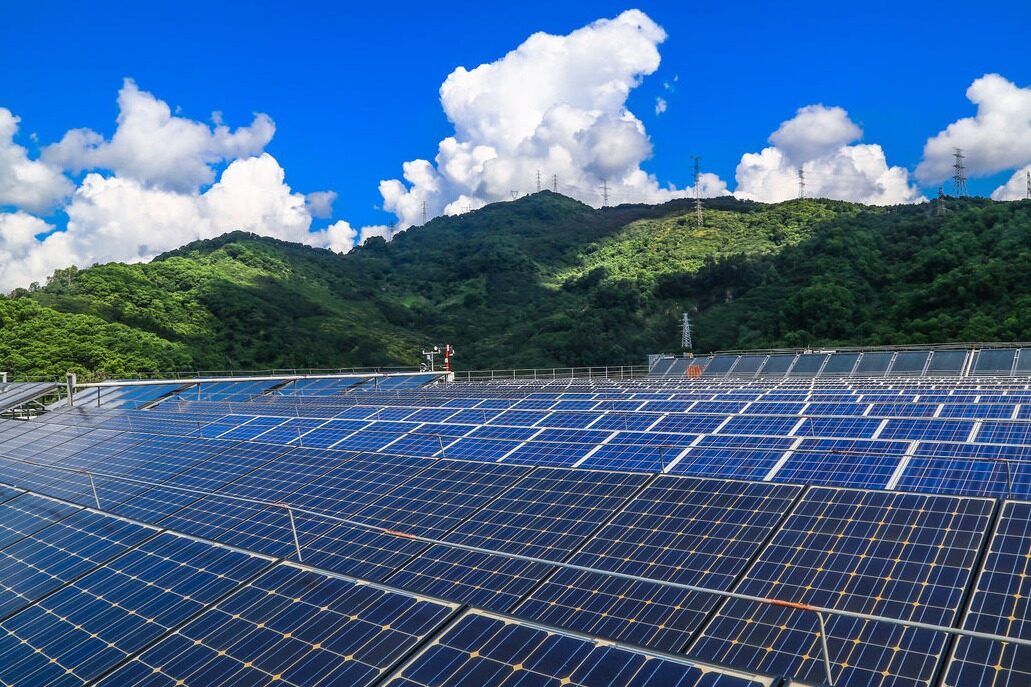
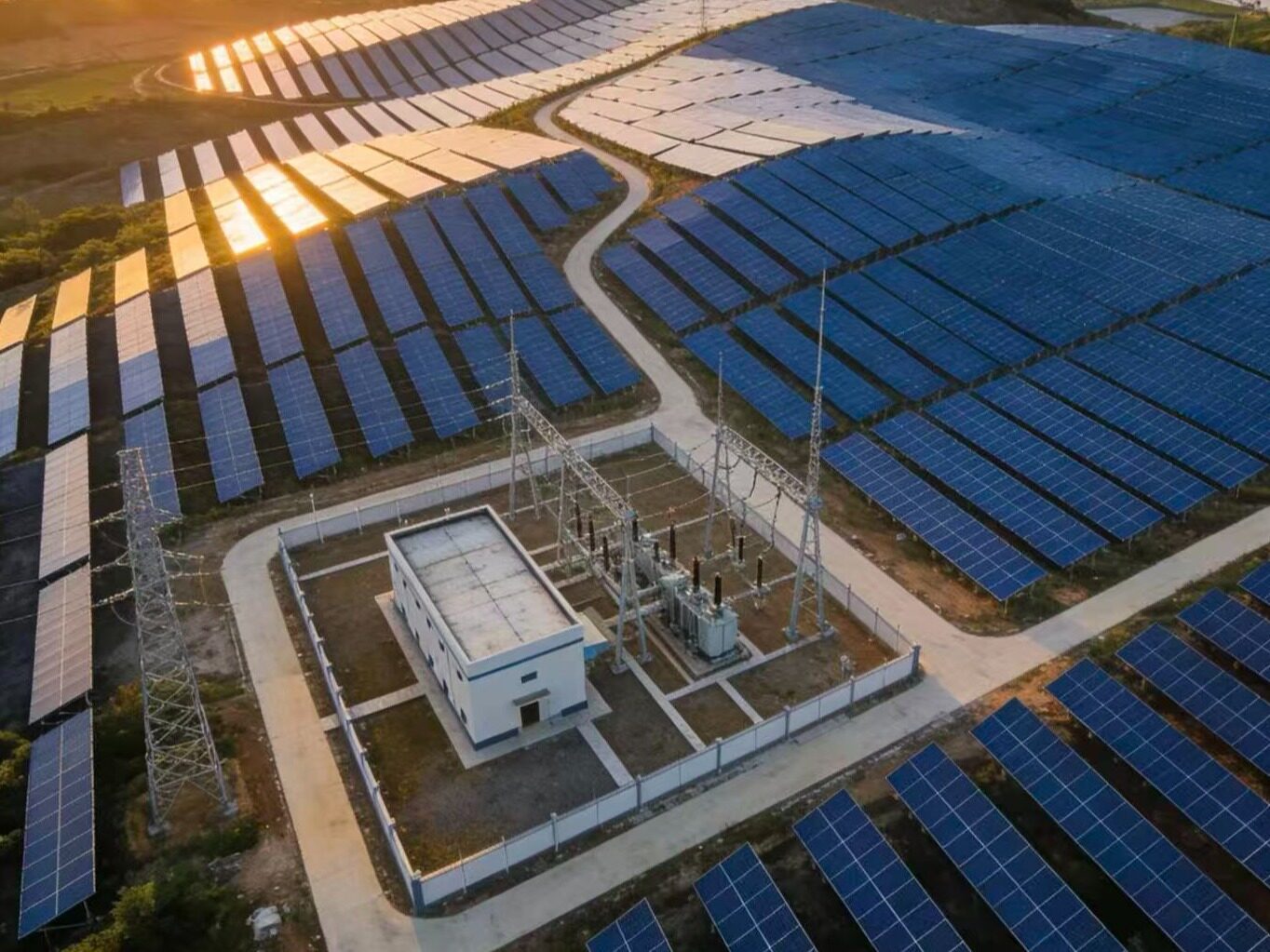
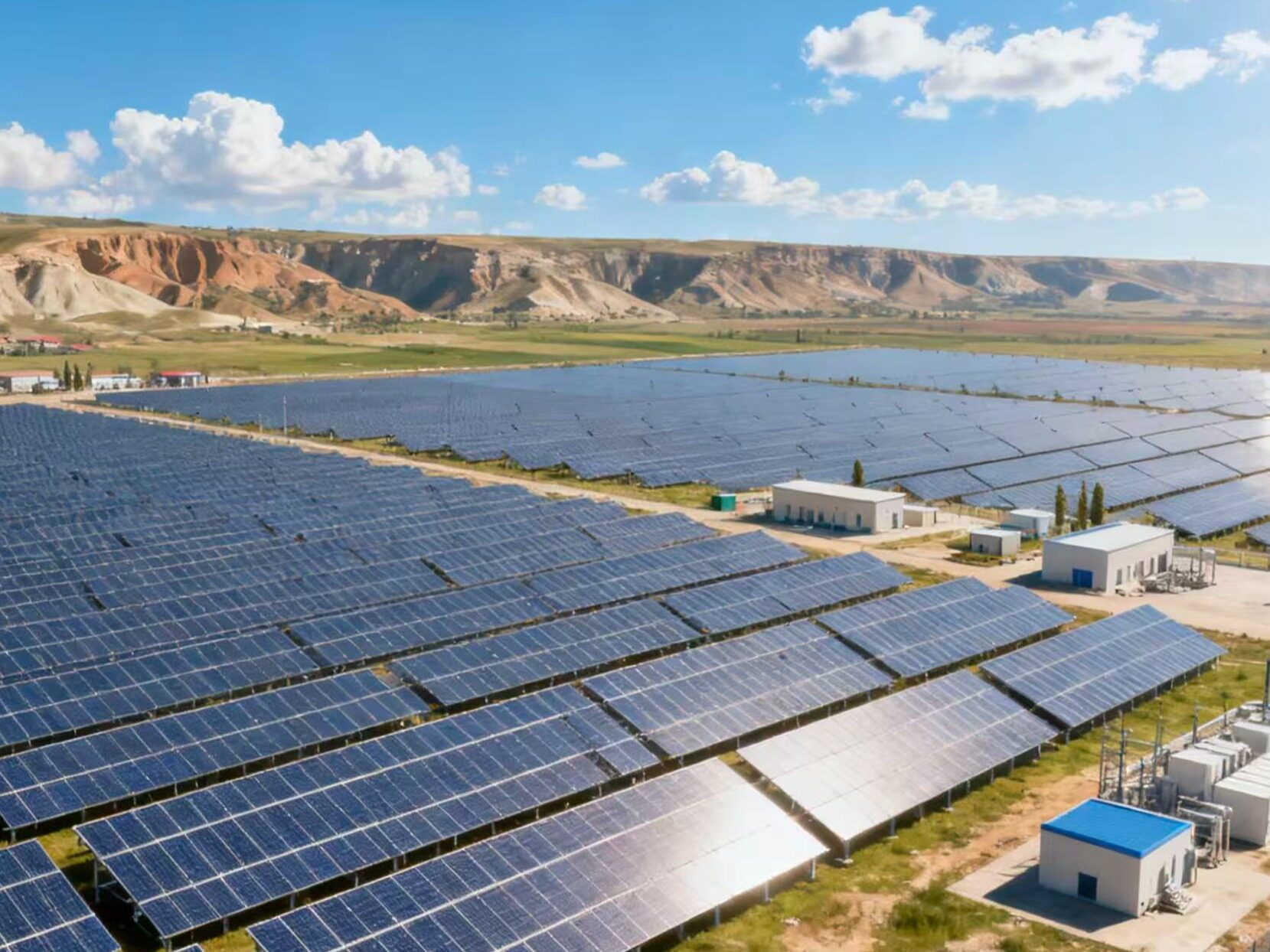
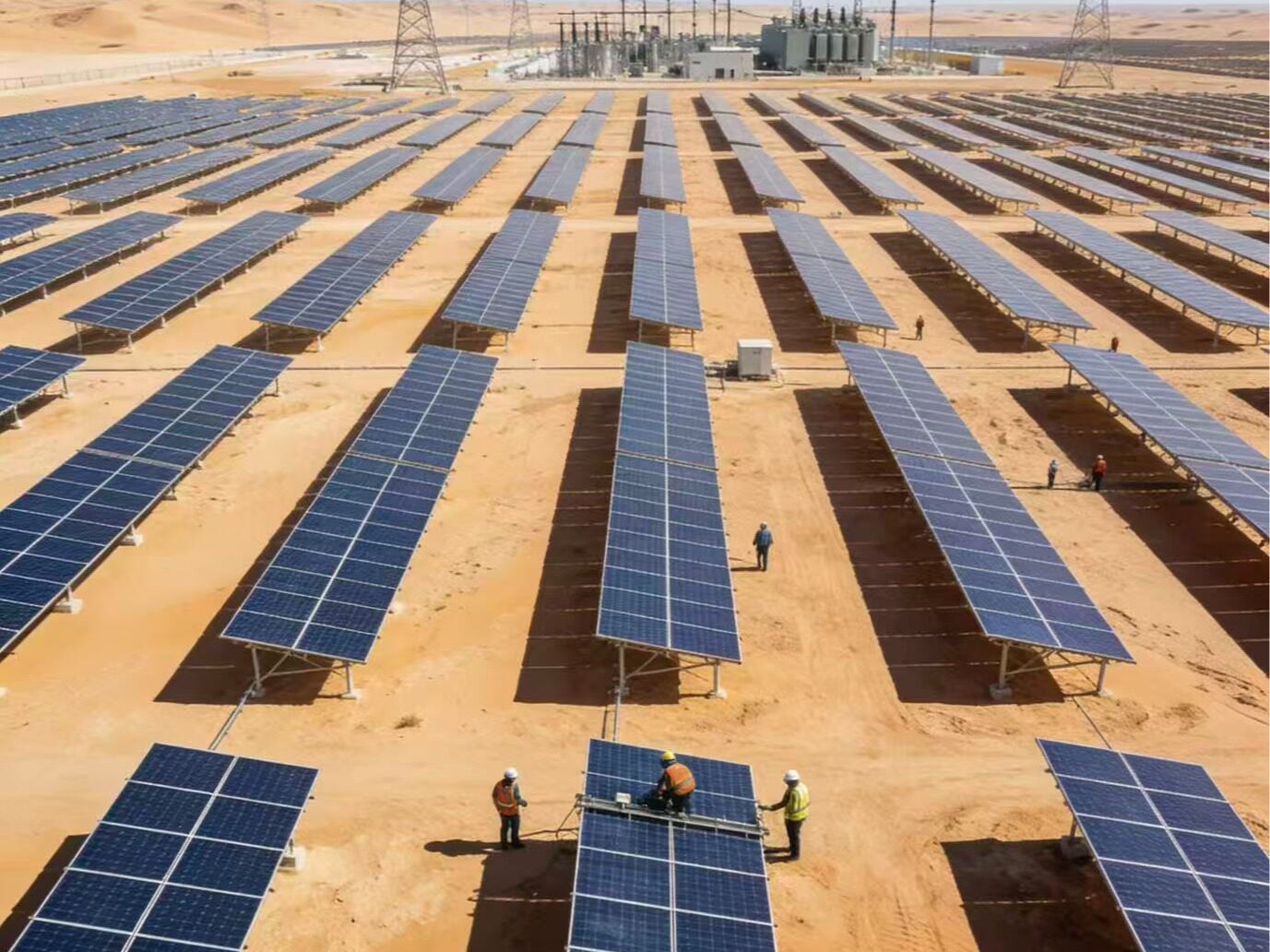
The federal government of Pakistan recently officially included two large-scale solar projects with a total installed capacity of 2800 megawatts in the "Indicative Expansion Plan for Power Generation Capacity 2025-2035". It is reported that these two projects are planned to be developed and constructed by Saudi Arabia International Electricity and Water Company through intergovernmental cooperation.
According to the plan, the project will be located in the Leia, Jhelum, and Muzaffargar regions of Punjab Province, Pakistan, with installed capacities of 1000 MW and 1800 MW respectively. The State Grid Corporation of Pakistan has informed the Private Electricity and Infrastructure Commission of the relevant plans, but the final implementation of the project still requires approval from the State Electricity Regulatory Authority of Pakistan.
The development process of this project has experienced twists and turns. In November 2023, Saudi Arabia International Power and Water Company temporarily suspended signing agreements with the Palestinian side due to safety concerns. Recently, after the Saudi investment delegation visited Pakistan and held talks with the Special Investment Promotion Committee, the two sides have reached a renewed intention to cooperate. The Embassy of Pakistan in Riyadh, Saudi Arabia also maintains close communication with the company.
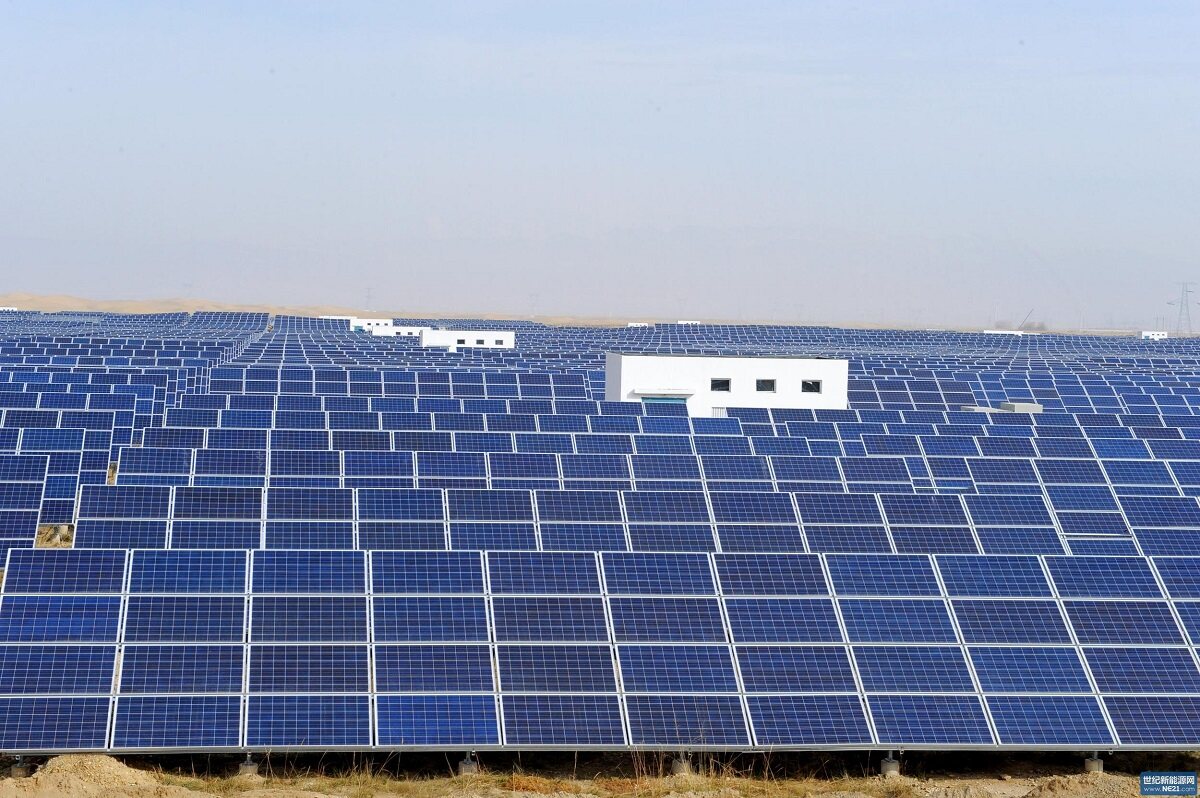
However, the project still faces some challenges in its progress. Saudi Arabia is concerned about the problems encountered by Saudi Arabia's Al Jumeirah Holding Group during its investment in Karachi Power Company, which has led Saudi investors to adopt a cautious attitude towards developing new businesses in Pakistan. At present, the issue is being coordinated and resolved by Pakistan's Deputy Prime Minister Ishak Dahl.
Analysts point out that although there is some uncertainty, including these two photovoltaic projects in the national power development plan fully reflects the firm determination of the Pakistani government to promote energy structure diversification and attract foreign investment to participate in renewable energy construction. The implementation of this project will significantly increase the proportion of renewable energy in Pakistan and help the country achieve its energy transition goals. (This article is from the official website of Jian Dao www.seetao.com. Reproduction without permission is prohibited, otherwise it will be prosecuted. Please indicate Jian Dao website+original link when reprinting.) Jian Dao website new energy column editor/Yang Beihua
Comment

 Praise
 Collect
 Comment

 Share
Share


Write something~