 Search


- Indonesia launches 100GW solar energy storage plan, covering 80000 villages, to build Southeast Asia's largest rural clean energy grid
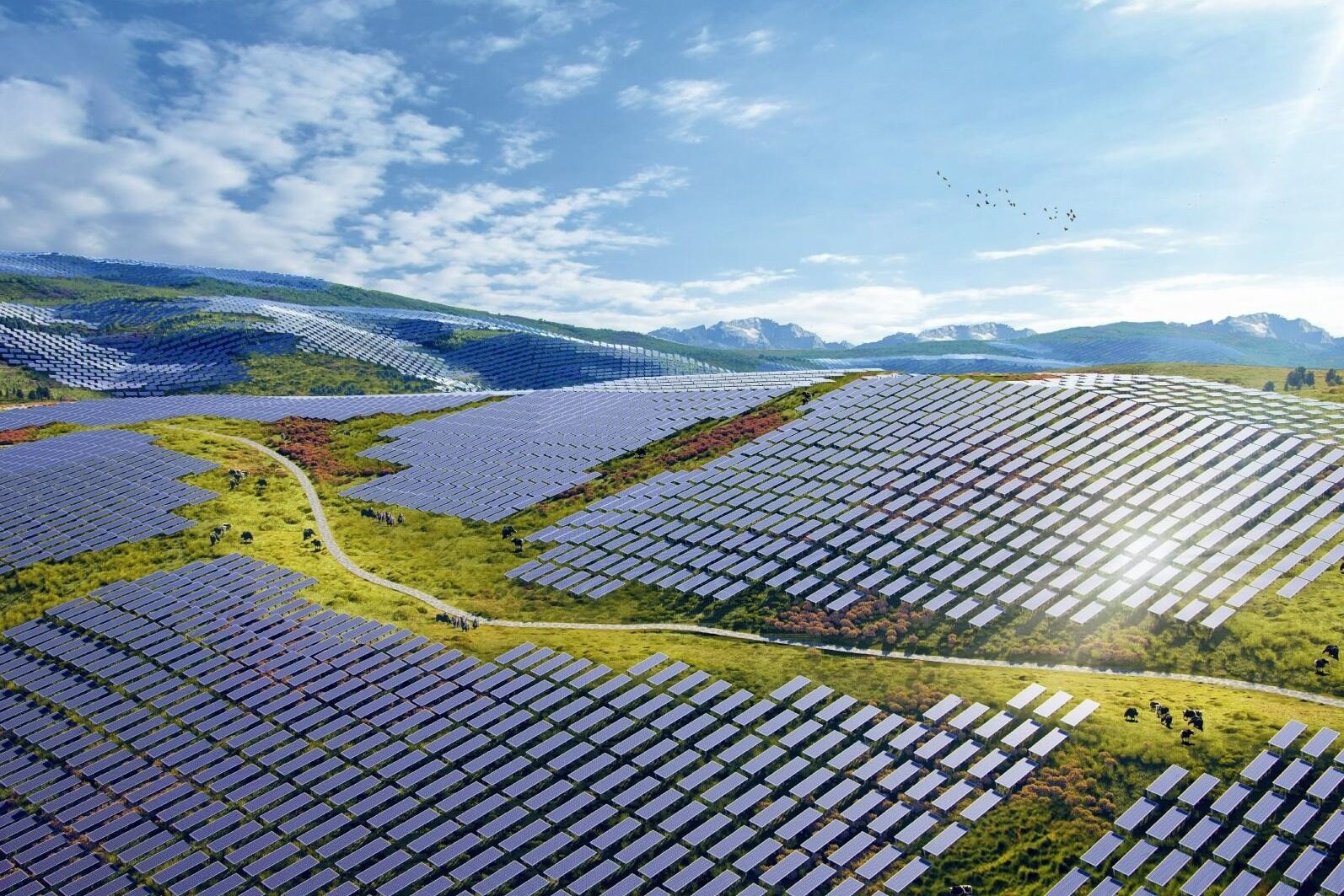
The Indonesian government recently announced an unprecedented plan for the development of renewable energy, aiming to build solar power facilities with a total capacity of 100 GW nationwide. This project includes a distributed photovoltaic microgrid with 80 GW of supporting energy storage systems, as well as a 20 GW centralized photovoltaic power station, which is expected to benefit 80000 villages and is expected to become the largest rural electrification project in Southeast Asia.
According to the implementation plan, the distributed photovoltaic system will be built in rural areas with a microgrid system based on the standard unit of "1 megawatt photovoltaic+4 megawatt hour energy storage". These facilities will be operated and maintained by the local cooperative Merah Putih, with the aim of achieving self-sufficiency in electricity in rural areas, promoting energy equity, and promoting sustainable rural economic development.
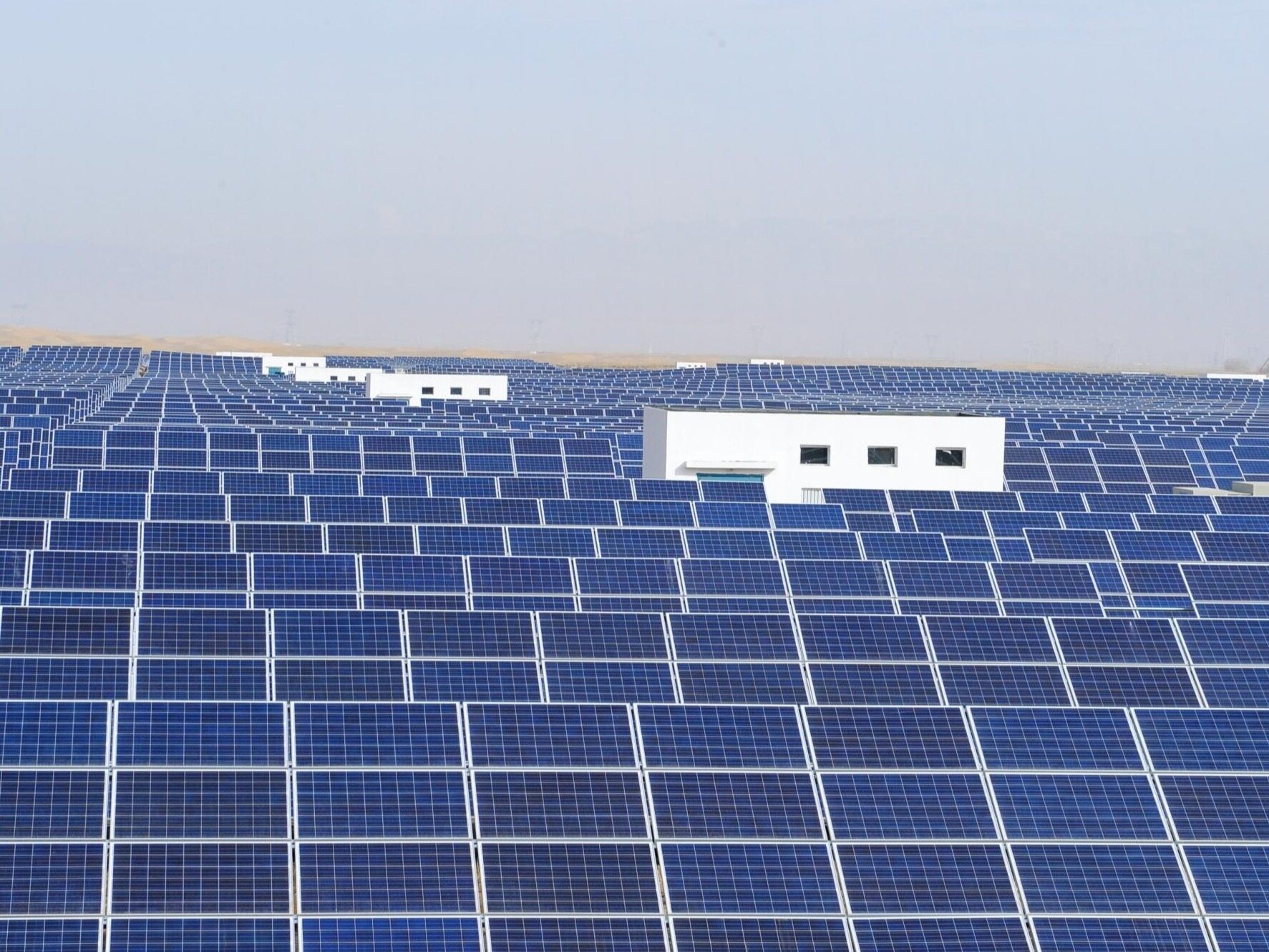
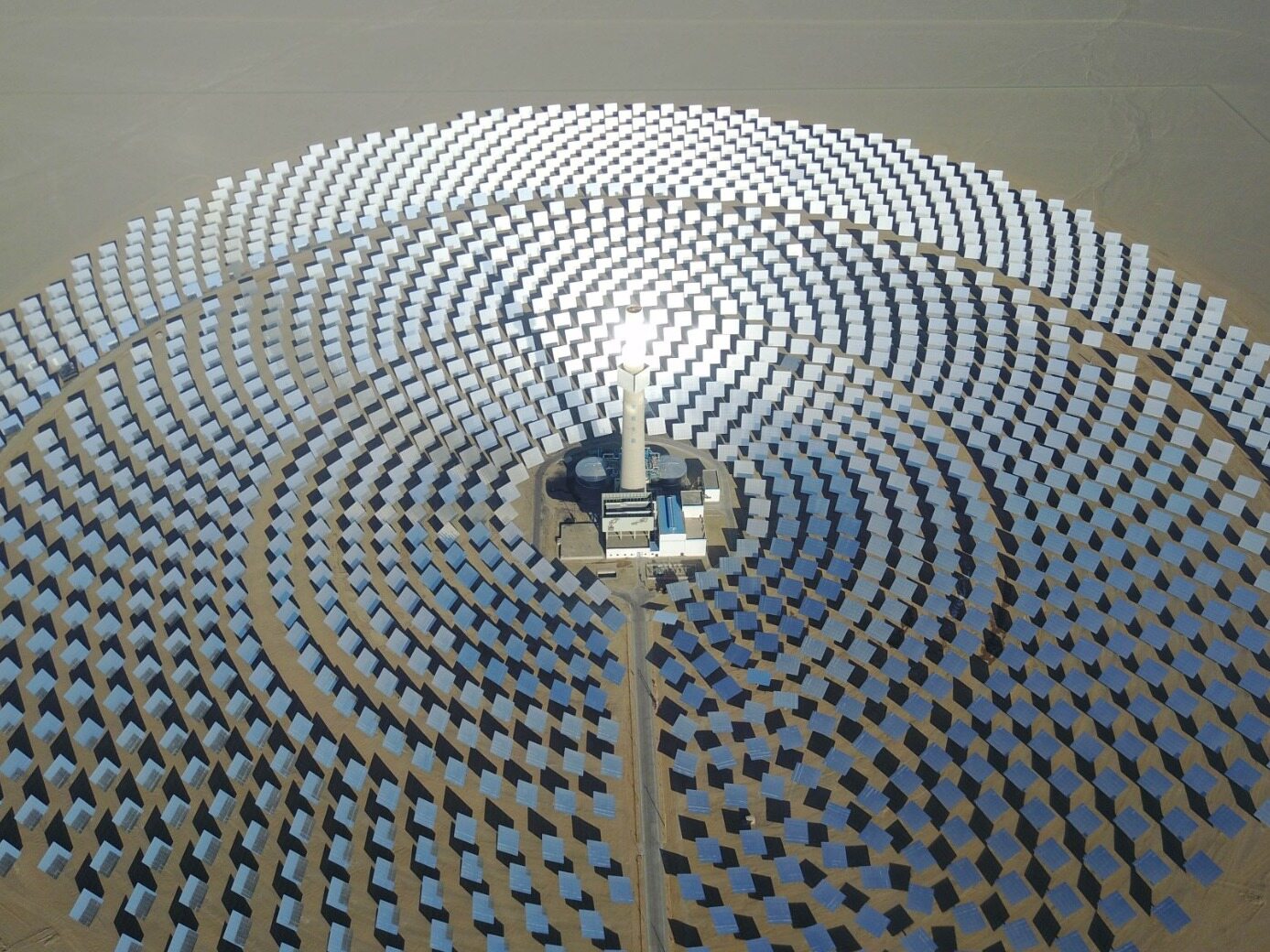
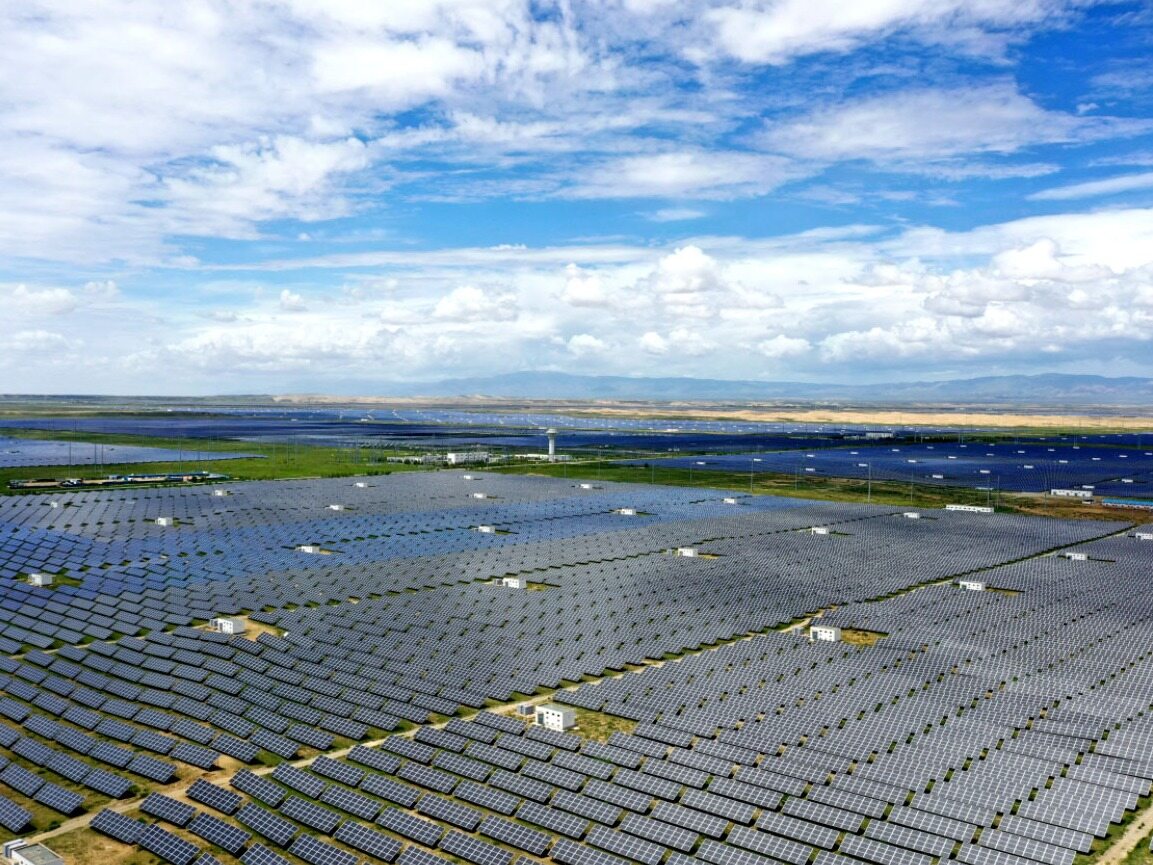
The project also includes a 20 GW centralized photovoltaic power station, which takes into account both grid connected and off grid applications, to comprehensively increase the proportion of clean energy in the Indonesian power grid.
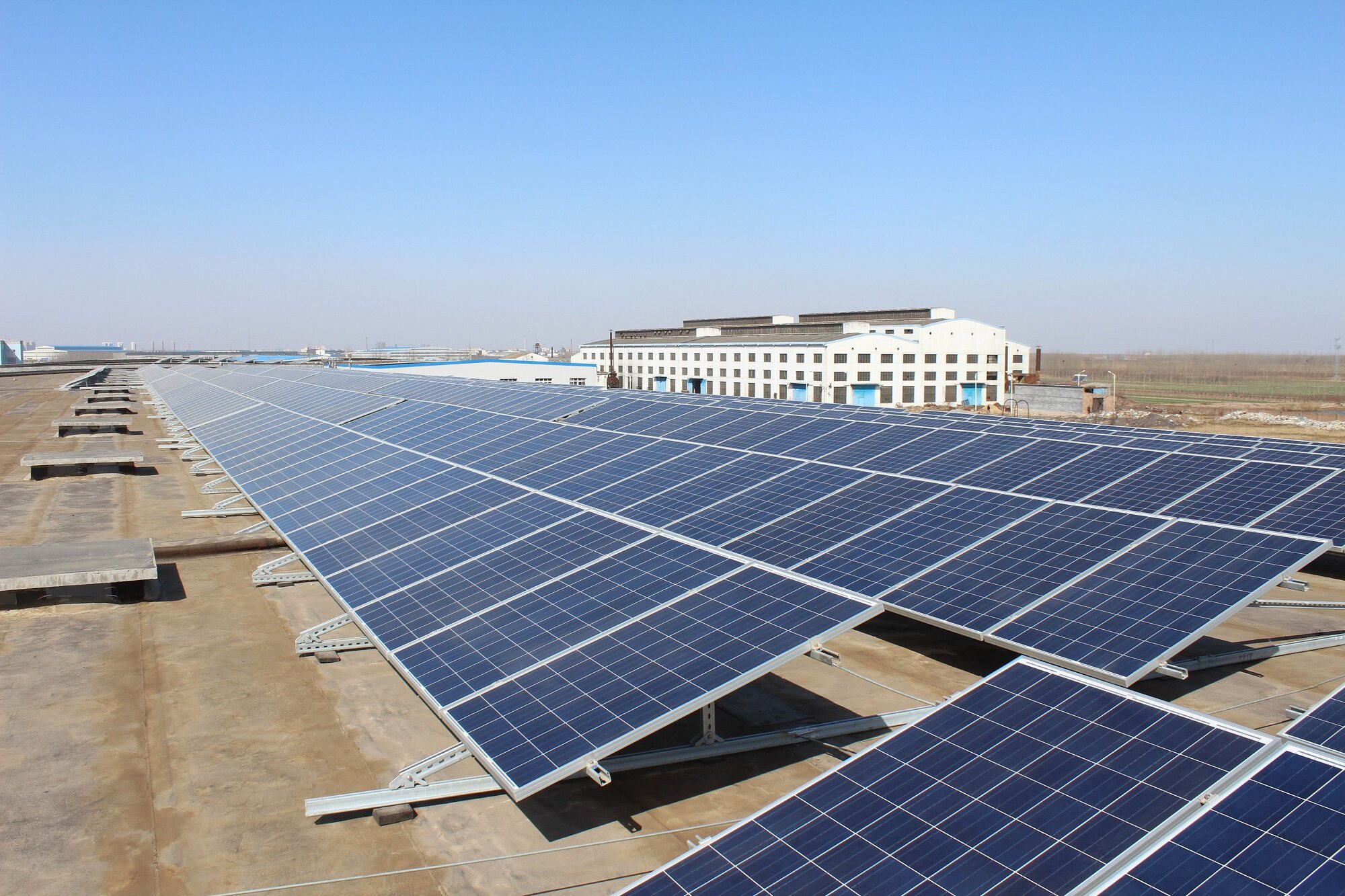
Fabi Tumiva, CEO of the Key Services Reform Research Institute (IESR), an important think tank in Jakarta, pointed out that the cost of electricity per kilowatt hour for solar storage systems is expected to remain at $0.12-0.15 over the next 25 years, significantly lower than the current diesel power generation of $0.20-0.40 per kilowatt hour commonly used in rural and remote islands. He stated that if the project can be successfully implemented, it will effectively address the issues of accessibility, fairness, and affordability of electricity for all citizens in Indonesia.
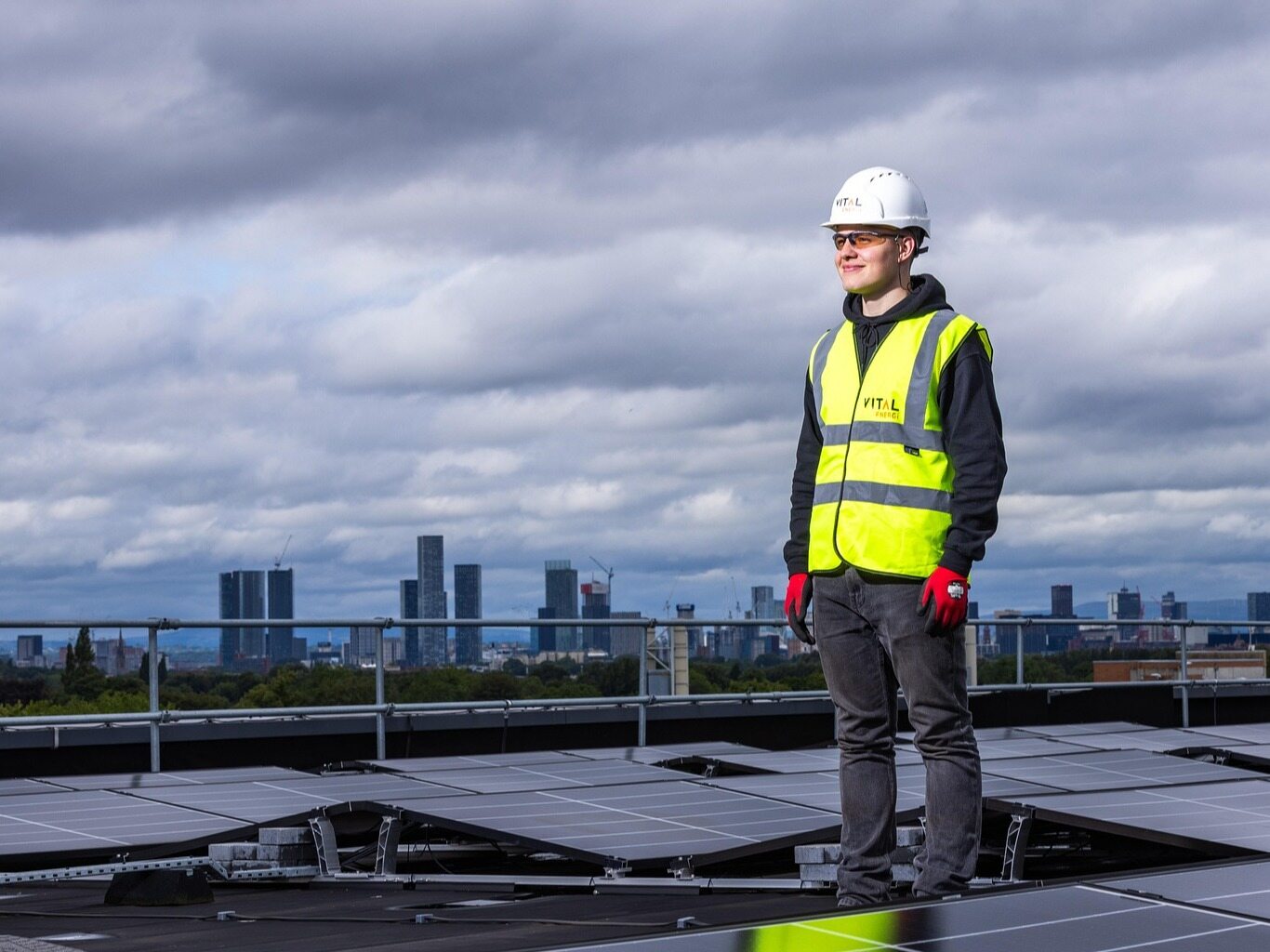
But he also admitted that building 100 GW of photovoltaic installed capacity within five years is a highly challenging goal. IESR suggests that the government should promote the provincial-level photovoltaic technician training program and collaborate with universities and vocational schools to cultivate construction and operation personnel; Reduce equipment costs through centralized procurement and design a hybrid financing mechanism to meet the huge funding needs.
At present, the plan is still in the stage of joint preparation by multiple departments, and the Indonesian Ministry of Energy and Mineral Resources, Ministry of Economic Coordination, and Ministry of Food Coordination are jointly leading the promotion. According to IESR assessment, the potential for solar energy resource development in Indonesia ranges from 3300 GW to 20000 GW. By 2060, the installed capacity of solar photovoltaics is expected to reach 108.7 GW.(This article is from the official website of Jian Dao www.seetao.com. Reproduction without permission is prohibited, otherwise it will be prosecuted. Please indicate Jian Dao website+original link when reprinting.) Jian Dao website new energy column editor/Yang Beihua
Comment

 Praise
 Collect
 Comment

 Share
Share


Write something~