 Search


- Thailand launches bidding for large-scale floating photovoltaic power plants to assist in the green transformation of energy structure
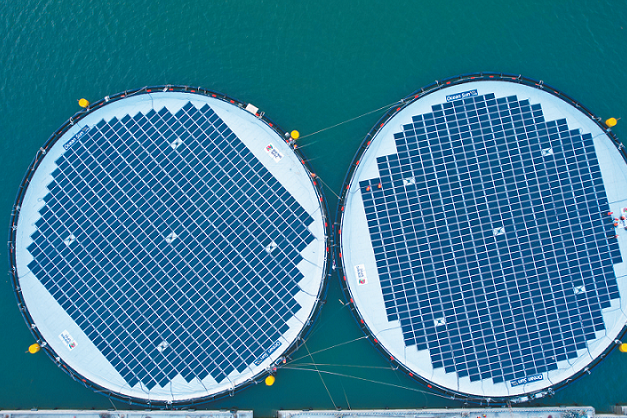
Recently, the Electricity Generating Authority of Thailand (EGAT) issued a tender announcement for the "Srinagarin Dam Floating Photovoltaic Project Phase 3", marking an important step for Thailand in the field of clean energy. The project is located at the Srinagarin Dam, an important water conservancy facility in western Thailand, and is one of the key projects in the nationwide reservoir photovoltaic plan coordinated and promoted by EGAT.
According to the bidding documents, the planned construction capacity of this project is 363.95-364MW, and all will use double glazed silicon photovoltaic modules. The winning bidder shall undertake the entire construction process of the power station, including design, equipment procurement, manufacturing, supply, project management, construction and installation, system testing, commissioning and operation, as well as on-site personnel training. The project scope covers floating systems, anchoring and mooring devices, 33 kV power transmission systems and supporting transmission lines, as well as a complete intelligent control and monitoring system. The project funds have been fully guaranteed by EGAT.
The deadline for the sale of this bidding document is September 26, 2025. Each set is priced at 30000 Thai baht (approximately 930 US dollars) and can be purchased through bank transfer or wire transfer. The bid opening is tentatively scheduled for December 16, 2025. The project is scheduled to officially enter commercial operation in 2028 and will become one of the largest floating photovoltaic power stations in Thailand and even Southeast Asia after completion.

It is worth noting that this project is an important component of EGAT's national plan for the development of floating photovoltaics in 16 reservoir dams. The total installed capacity of the entire plan exceeds 2.7GW, demonstrating the Thai government's determination to actively optimize the energy structure and reduce carbon emissions. The application of floating photovoltaic technology not only effectively saves land resources, but also reduces water evaporation, improves water resource utilization efficiency, and provides important support for Thailand to achieve sustainable energy development goals.
Industry experts say that the promotion of such large-scale clean energy projects will effectively drive the development of Thailand's green industry chain and create new opportunities for regional energy cooperation. (This article is from the official website of Jian Dao www.seetao.com. Reproduction without permission is prohibited, otherwise it will be prosecuted. Please indicate Jian Dao website+original link when reprinting.) Jian Dao website new energy column editor/Yang Beihua
Comment

 Praise
 Collect
 Comment

 Share
Share


Write something~