 Search


- Chinese investment is driving the expansion of local clean energy and promoting the upgrading of industrial systems.
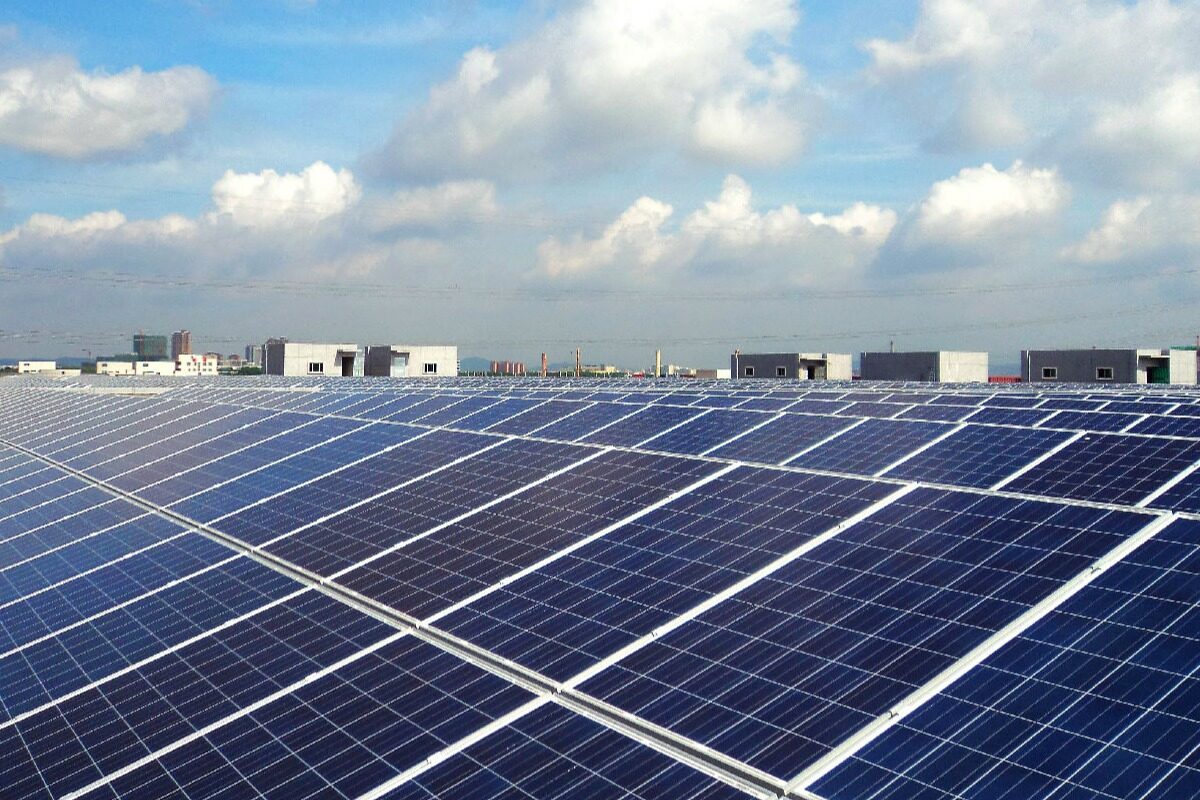
In recent years, against the backdrop of accelerating global energy transition, Asia has gradually become a new hotbed for the development of the photovoltaic industry. In particular, Southeast Asian countries, with their superior solar energy resources, gradually improving policy support, and continuously growing electricity demand, have attracted a large number of Chinese photovoltaic companies to invest in building factories.Southeast Asia, previously a "transit point" for exports to Europe and the United States, is now transforming into an important base for Chinese companies to deeply participate in the local energy market and promote regional energy transition.
The Asia Society Australia has analyzed that the "Belt and Road" Initiative provides Chinese clean energy companies with an important opportunity to participate in the decarbonization process of countries in the Global South. China's investment in renewable energy not only promotes the expansion of local clean energy scale but also facilitates the upgrading of industrial systems. At the same time, the continuous reduction in the cost of photovoltaic products has created favorable conditions for Asian countries to vigorously develop photovoltaic power stations.Currently, Southeast Asia, like many regions globally, is at a critical stage in its energy transition. While coal and natural gas still dominate, the region boasts abundant solar resources and significant potential for clean energy development. Faced with increasing trade barriers and global supply chain restructuring, Chinese companies are actively adjusting their strategies, shifting from simple export manufacturing to deep involvement in local project construction and operation. The role of the Southeast Asian market is also gradually upgrading from a manufacturing base to a strategically significant local market.Market potential is accelerating its release.
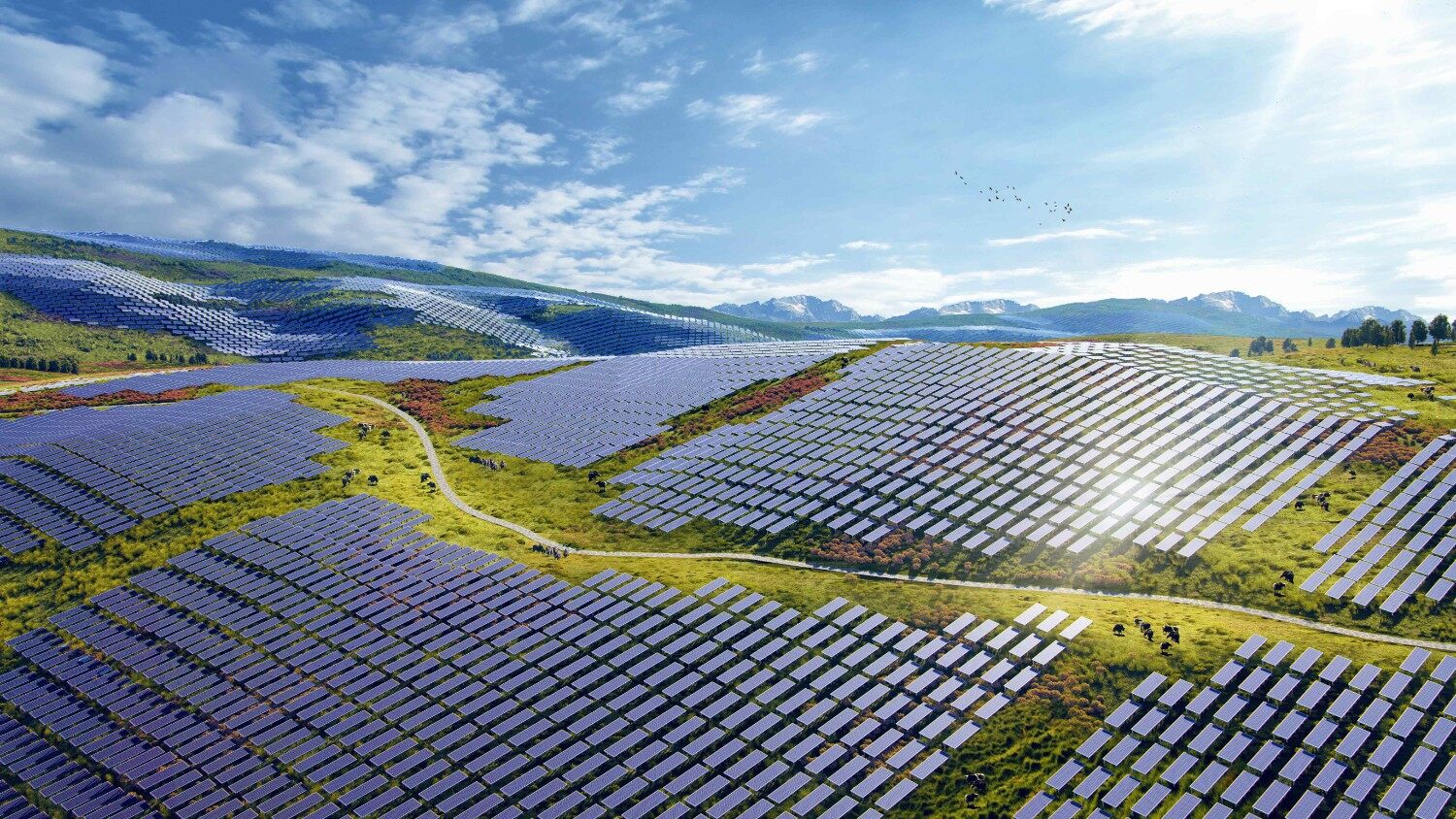
With the rapid development of Asian economies, especially in South Asia, East Asia, and Southeast Asia, electricity demand is growing rapidly. Industrialization and population expansion are jointly driving the energy consumption structure into a period of rapid adjustment.
The Habibie Center in Indonesia points out that the global energy landscape is undergoing profound changes, with solar power generation increasing significantly and gradually replacing traditional fossil fuels. Taking ASEAN as an example, in 2022, renewable energy accounted for only 15.6% of its energy supply structure, while coal and natural gas accounted for 30.5% and 19.7% respectively, indicating a vast space for clean energy substitution.Despite challenges in grid capacity, financing mechanisms, and technical capabilities in Asian countries like Bangladesh, Pakistan, and Sri Lanka, these countries are actively promoting the achievement of photovoltaic installation targets through policy and regulatory reforms. Southeast Asia as a whole has entered an accelerated period of energy strategic transformation.
Many countries have clearly set photovoltaic development goals: Vietnam plans to achieve 18 GW of wind and solar power installed capacity by 2030; Thailand strives to achieve a 30% renewable energy share by 2030.The Philippines has released over 10 GW of solar PV project capacity through green energy auctions, marking the official implementation of a national-level clean energy bidding mechanism. Malaysia, Indonesia, and other countries have also successively introduced renewable energy installation targets, and the policy framework is becoming increasingly clear.
Furthermore, South Asia, Central Asia, and Southeast Asia have excellent solar conditions, and the cost of solar power generation is now lower than that of coal power, making it one of the most economical power generation methods. Uzbekistan, for example, has solar resources that account for approximately 97% of its total renewable energy resources, and the World Bank estimates that its solar development potential is equivalent to more than 51 billion tons of oil equivalent.Currently, Uzbekistan is actively promoting its energy transition strategy.
Predictions indicate that the Asian solar market will exceed $1 trillion by 2034, with a compound annual growth rate of over 25%. Driven by both policy support and market development, Southeast Asia is becoming a key application market for Chinese photovoltaic enterprises to develop.
Chinese Enterprises Shift to Localized Operations
Over the past decade, Southeast Asia has been the core region for Chinese photovoltaic enterprises' overseas manufacturing layout.According to incomplete statistics, approximately 20 Chinese photovoltaic listed companies have already established production bases in Malaysia, Vietnam, Thailand, Cambodia, and other places. The components produced are largely exported to European and American markets, effectively boosting local employment and trade growth, and bringing significant trade surpluses to the relevant countries.
However, with the United States launching "anti-dumping and countervailing duty" investigations against four Southeast Asian countries, the reliance on OEM export models faces challenges. Chinese companies are rapidly adjusting their strategies, viewing South Asia, Central Asia, and Southeast Asia as new end markets, and actively developing local photovoltaic projects.Longi Green Energy has become a key player in Uzbekistan's energy transition, winning bids for government-led projects multiple times since 2022. In late 2024, China Energy Engineering Corporation (CEEC) successively signed photovoltaic projects in Kazakhstan, Georgia, and Azerbaijan. TCL Zhonghuan, Jinko Solar, and other companies are also discussing joint ventures with local energy companies to build factories. Haitai Solar has announced plans to invest in a 2 GW solar cell and 1 GW module production facility in Indonesia.
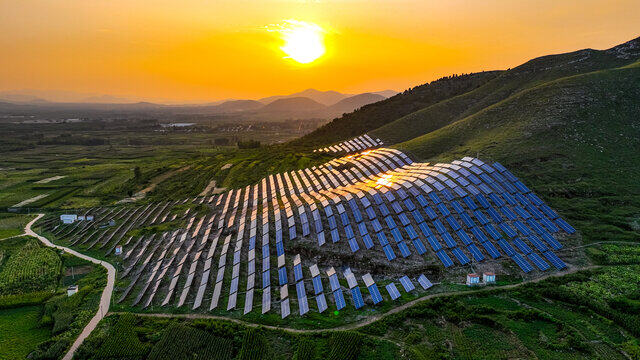
According to data from the China Photovoltaic Industry Association, in the first half of 2025, China's photovoltaic module exports to Asia increased by 12%.2%, contrasting with the slowdown in traditional export market growth.
The Asia Society Australia believes that Chinese companies, through project investment, technological cooperation, and localized production, are not only exporting products but also deeply involved in grid upgrades, energy storage support, and power plant operations, helping Southeast Asian countries build complete photovoltaic industry chains.
Deepening Cooperation Still Faces Challenges and Opportunities
Despite the broad market prospects, the development of photovoltaics in Southeast Asia still faces multiple challenges, including inconsistent policy implementation, weak grid infrastructure, and restrictions on foreign investment access.The "Southeast Asia PV and Energy Storage Overseas Research" released by Xiazhi Think Tank points out that the electricity market structures of various countries in the region differ significantly. With the exception of the Philippines, which has established a highly competitive market structure, most countries still implement a single-buyer model. Although the generation side is attempting to open up to private capital through power purchase agreements (PPAs), direct power purchase agreements (DPPAs) are still in their initial stages.
Insufficient grid capacity is another major bottleneck. Taking Vietnam as an example, although its installed PV capacity ranks among the top ten globally, lagging grid construction has resulted in a high curtailment rate.To compensate for the power shortage, Vietnam has instead launched new gas-fired power plants, which has slowed down the energy transition process to some extent. Thailand and Malaysia have relatively good power grid infrastructure, while Indonesia, Cambodia, and other countries are still weak.
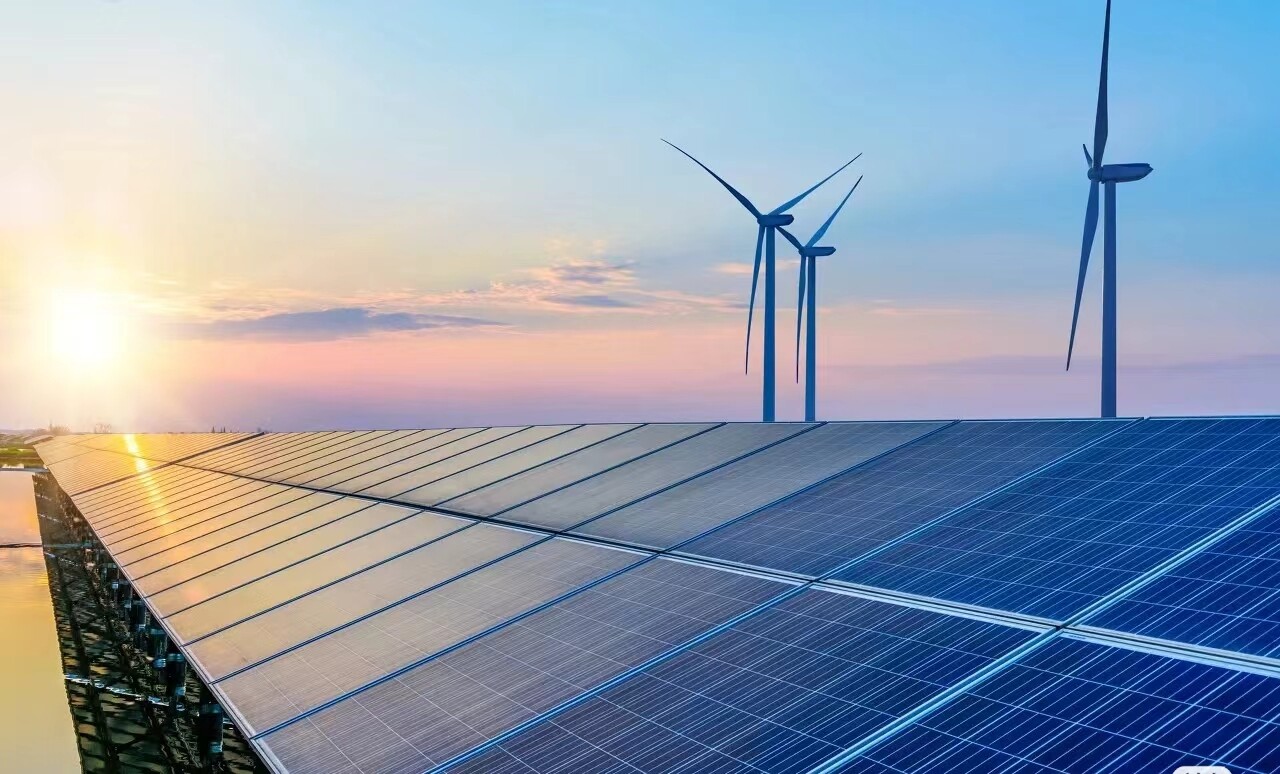
The inconsistency of policies and the lack of uniform implementation standards also restrict the development of the industry. Although countries are relatively active in setting goals, there is still considerable uncertainty in practical aspects such as land approval, foreign investment ratios, subsidy distribution, and green certificate trading.
Faced with these challenges, Chinese companies are gradually breaking through by exporting technology, innovating financing, and engaging in local cooperation.China's mature experience in photovoltaic manufacturing, energy storage integration, and grid upgrades can be effectively combined with Southeast Asia's resource endowments and market demands. The continued decline in photovoltaic product prices also provides realistic conditions for project development. China's advantages in clean energy technology and infrastructure help developing countries attract investment and achieve a "win-win" situation in low-carbon transition.Looking ahead, as Southeast Asian countries further clarify their energy policies, expand the opening of their electricity markets, and accelerate grid upgrades, Chinese enterprises are expected to achieve deeper participation in areas such as photovoltaic power plant investment, energy storage integration, and green electricity trading, driving the continued acceleration of the region's green energy transition. Editor/Xu Shengpeng
Comment





 Praise
 Collect
 Comment

 Share
Share


Write something~