 Search


- The flourishing of multimodal transportation in China has injected new impetus into economic development.
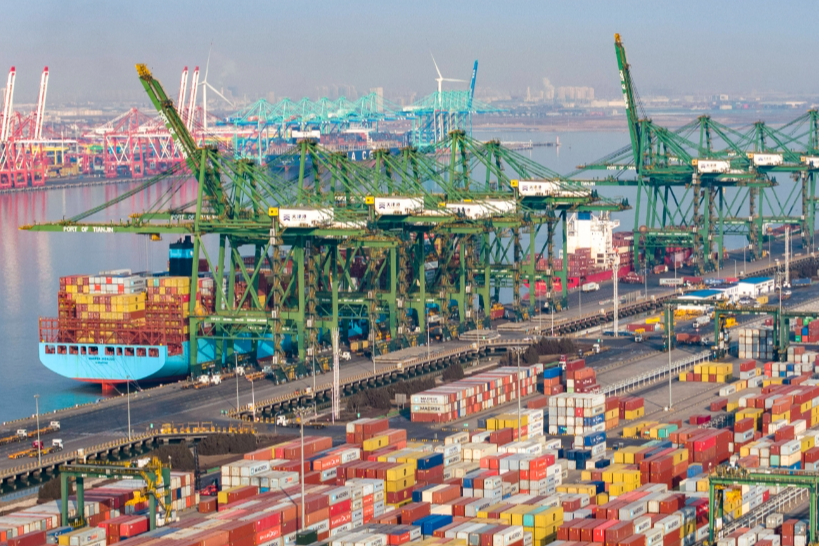
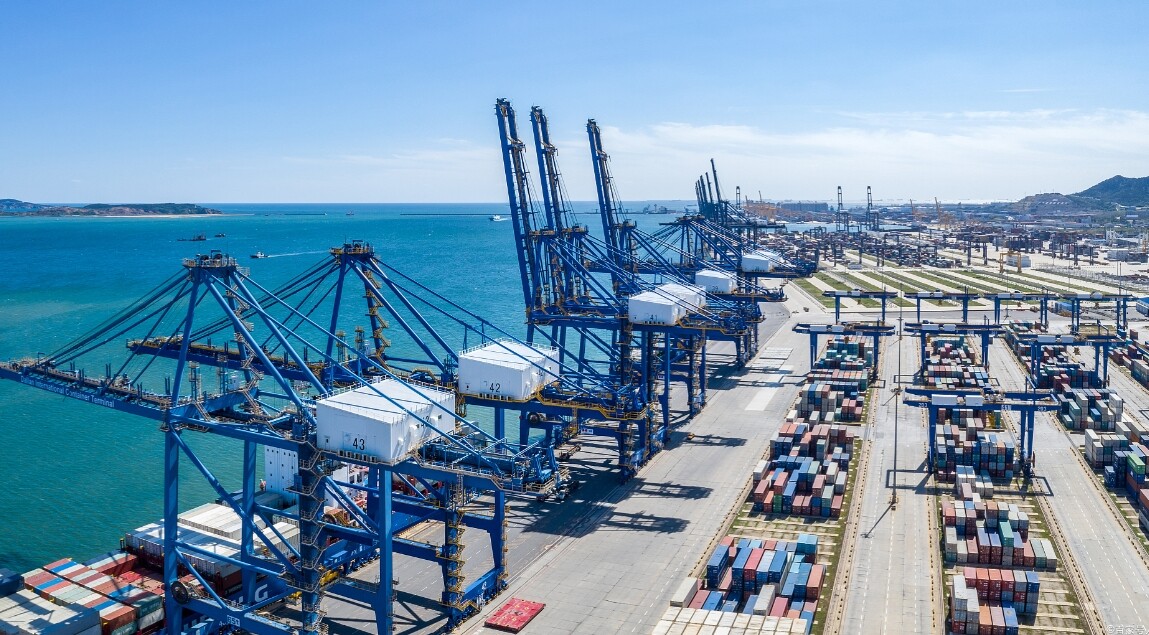
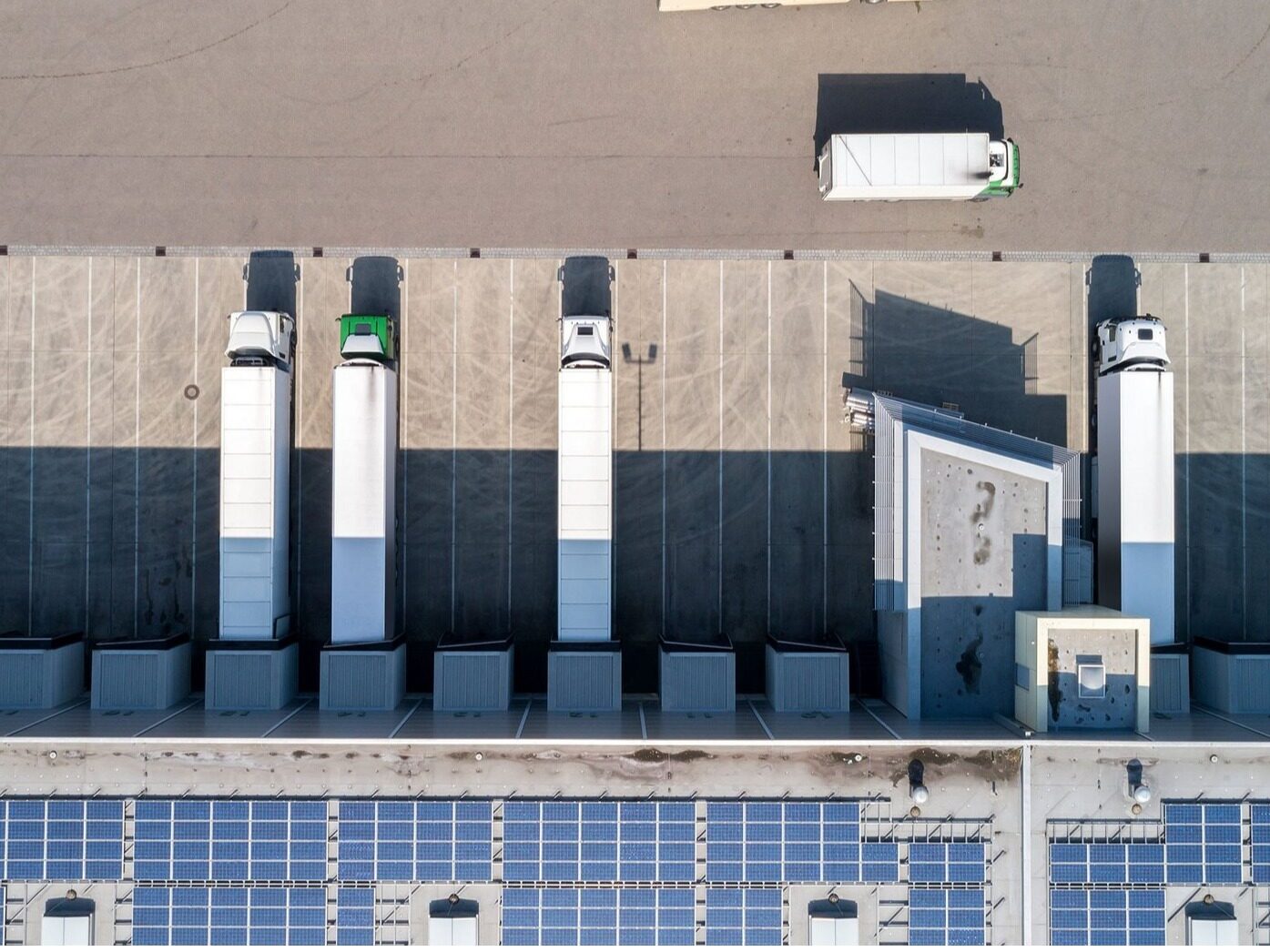
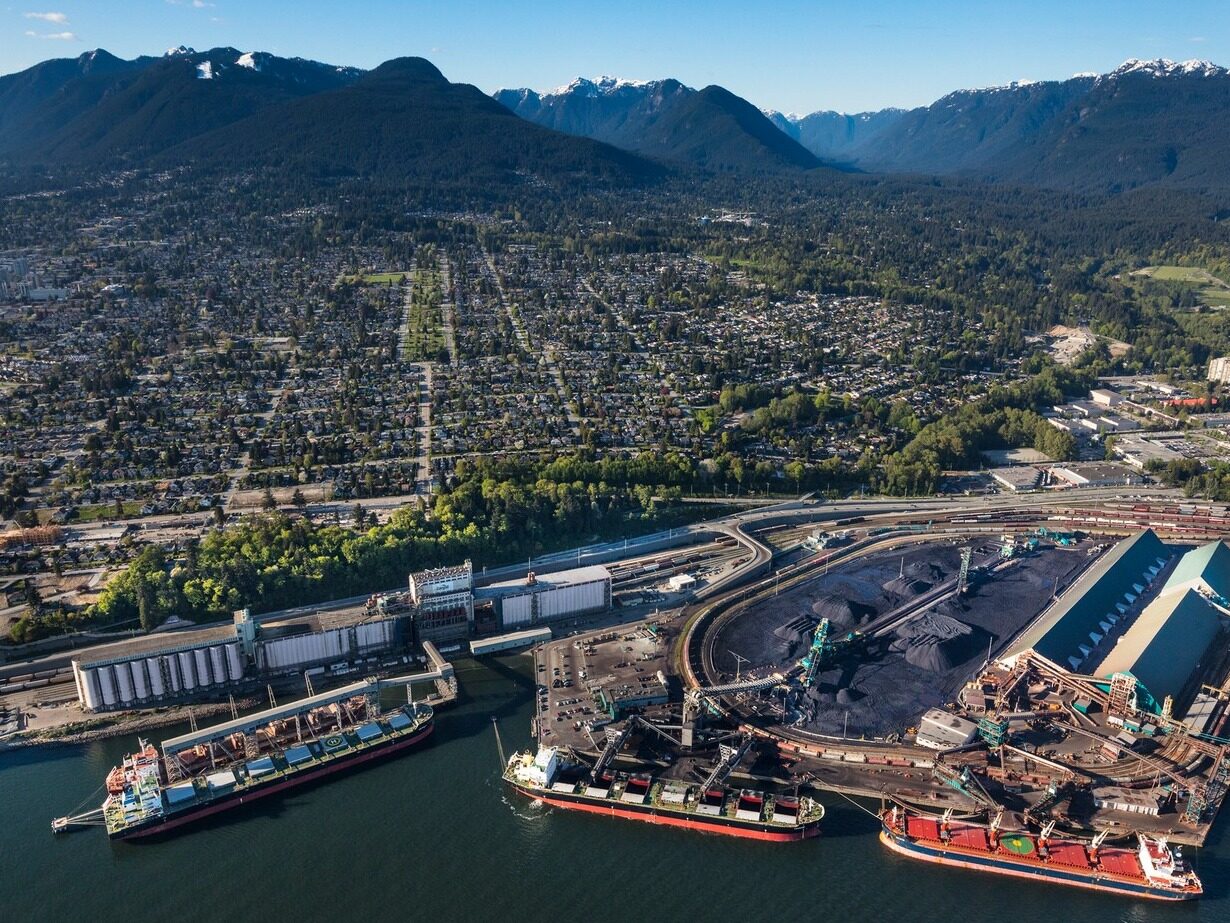
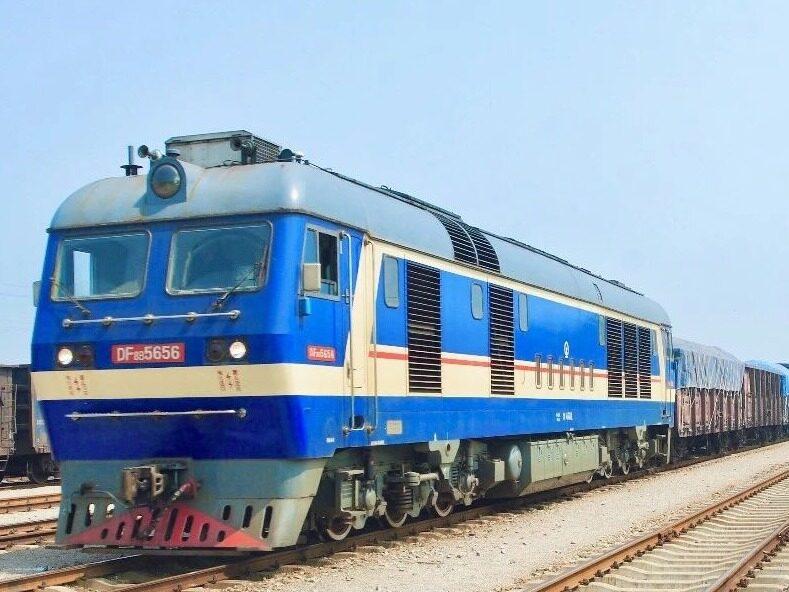
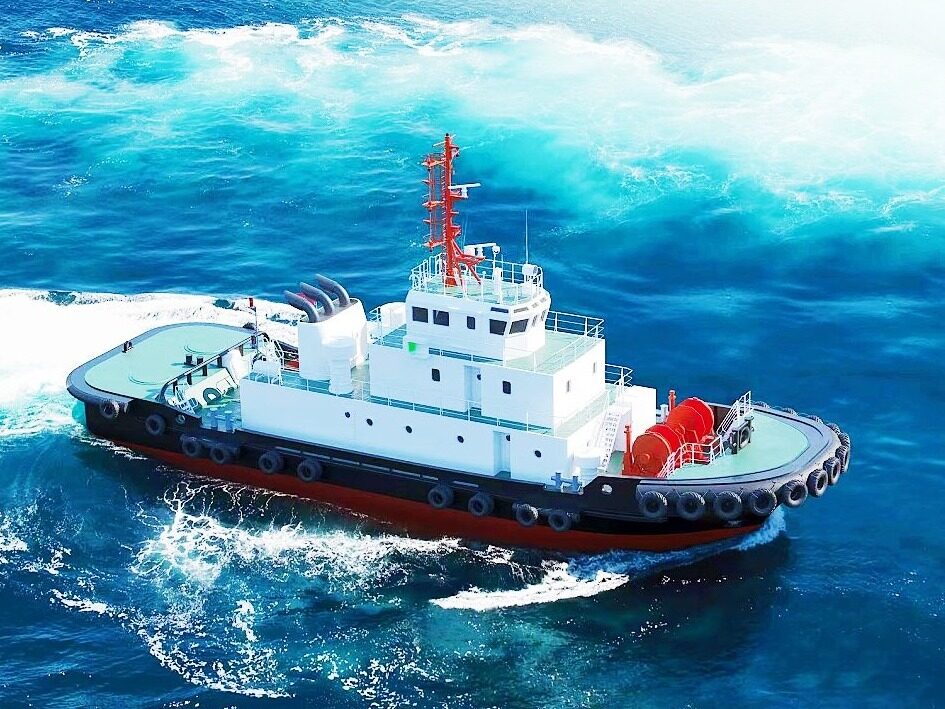
Recently, data shows that on average, over 940000 standard containers flow through ports in China every day, and transportation channels such as railways, highways, water, air, and mail are both active and closely connected. Hangzhou Xiasha Port, which opened two years ago, will achieve a throughput of nearly 120000 TEUs by 2024, which is equivalent to reducing road congestion for more than 60000 trucks and saving a lot of transportation costs for enterprises. Haihe River intermodal transportation has become increasingly convenient. At the same time, Yiwu, the small commodity capital located deep inland, has also ushered in new changes in logistics. At the end of June, China's first Yiwu Suxi International Hub Port, specially designed for sea rail intermodal transportation, was officially put into operation. Some companies have reported that each container can save 200-300 yuan in costs and enjoy the convenience of having the sea outlet right at home. In 2024, China's container multimodal transport volume increased by 15.6% year-on-year, with road rail, land air, and river sea intermodal transport becoming new growth poles, effectively reducing logistics expenses.Editor/Cheng Liting
Comment

 Praise
 Collect
 Comment

 Share
Share


Write something~