 Search


- The current hydrogen energy industry is showing a development trend of technological breakthroughs and diversified application scenarios
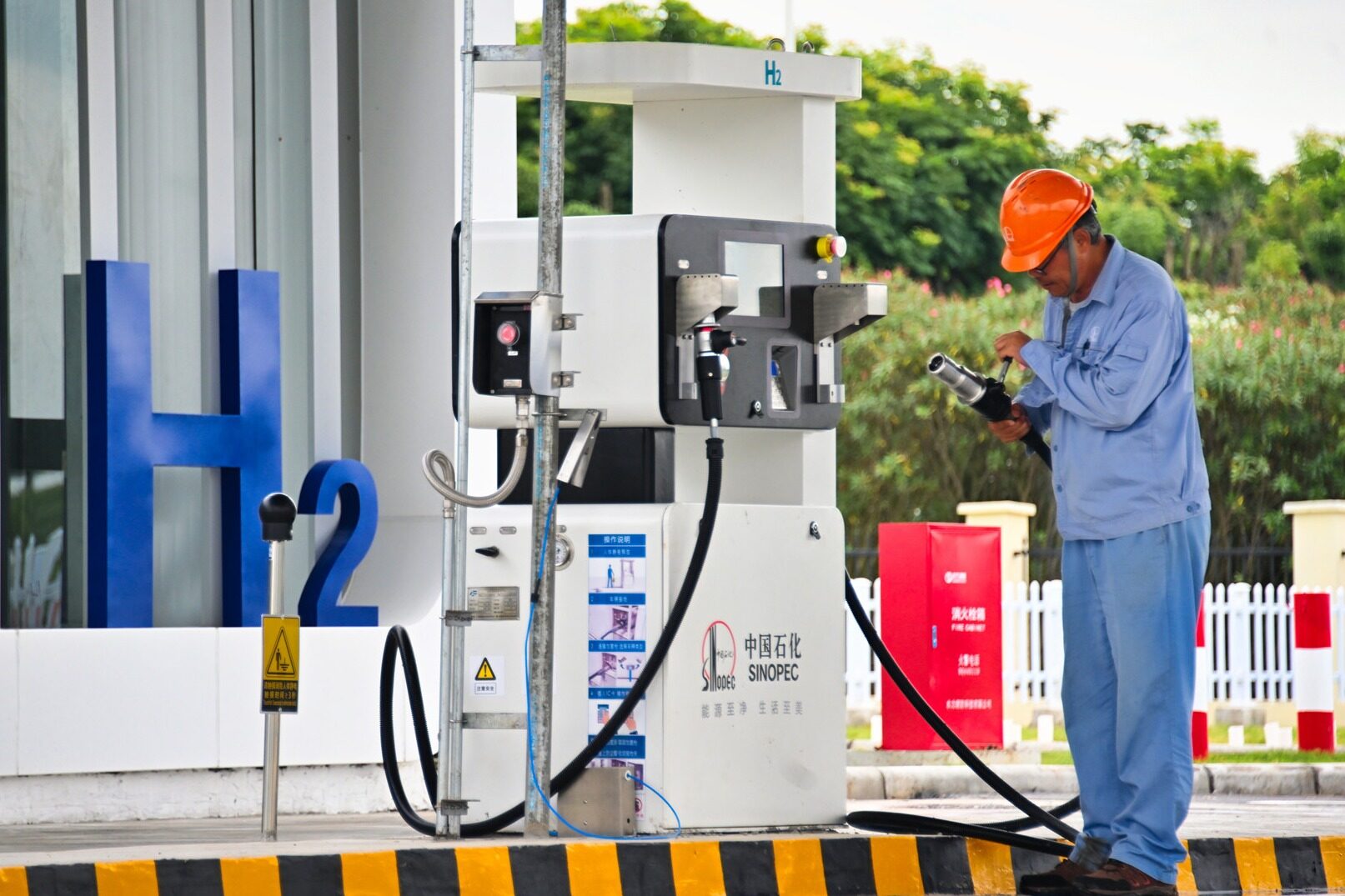
On the vast grasslands of Inner Mongolia, a green energy project leading the future has officially broken ground. Recently, China's first "inherently storage-free" off-grid hydrogen production system – the Shenzhen Energy E'tuokeqi 5 MW off-grid photovoltaic power generation hydrogen production project and R&D project – officially commenced construction in E'tuokeqi Banner, Ordos City, Inner Mongolia.This project marks the departure of China's independent intellectual property off-grid hydrogen production technology from the laboratory and its entry into the large-scale engineering verification stage, providing a new technical route for green hydrogen production.
As a clean energy carrier, hydrogen energy plays a crucial role in promoting energy transition and achieving carbon neutrality goals. Currently, hydrogen energy development exhibits several new characteristics: continuous technological breakthroughs and rapid cost reductions, increasingly diverse application scenarios, and an increasingly sound policy support system.Especially in energy storage and renewable energy consumption, hydrogen energy, with its advantages of large capacity and flexible temporal and spatial regulation, is gradually becoming an important option for solving the problem of renewable energy consumption, and the integrated wind and solar hydrogen production model is widely favored.
Currently, the hydrogen energy industry is gradually shifting from policy-driven to large-scale application. With continuous technological progress and ongoing project implementation, hydrogen energy will play a more important role in the energy system, providing support for building a clean, low-carbon, safe, and efficient energy structure.However, the hydrogen energy industry still faces challenges in aligning with international standards, including inconsistent carbon emission accounting methods, differences in hydrogen quality standards, fragmented safety management systems, and a lack of mutual recognition mechanisms for certifications. In the future, it is necessary to strengthen international cooperation to promote standard harmonization and the globalization of the industry.
Technological breakthroughs and diverse applications are jointly promoting industry maturity.
Electrolyzer technology is rapidly evolving towards high efficiency, large scale, and low cost. In 2024, domestic electrolyzer shipments reached 1.1 gigawatts, with alkaline electrolyzers accounting for 92% of the market share, developing towards large standard volume, high current density, and low energy consumption.PEM electrolyzer shipments increased by 150% year-on-year, with market share rising to 8%, becoming a growth highlight. Technological iterations have driven a significant decrease in green hydrogen costs, with the unit price of alkaline electrolyzers expected to decrease by 38% year-on-year by 2025, and PEM electrolyzers also seeing a decrease of 29%.
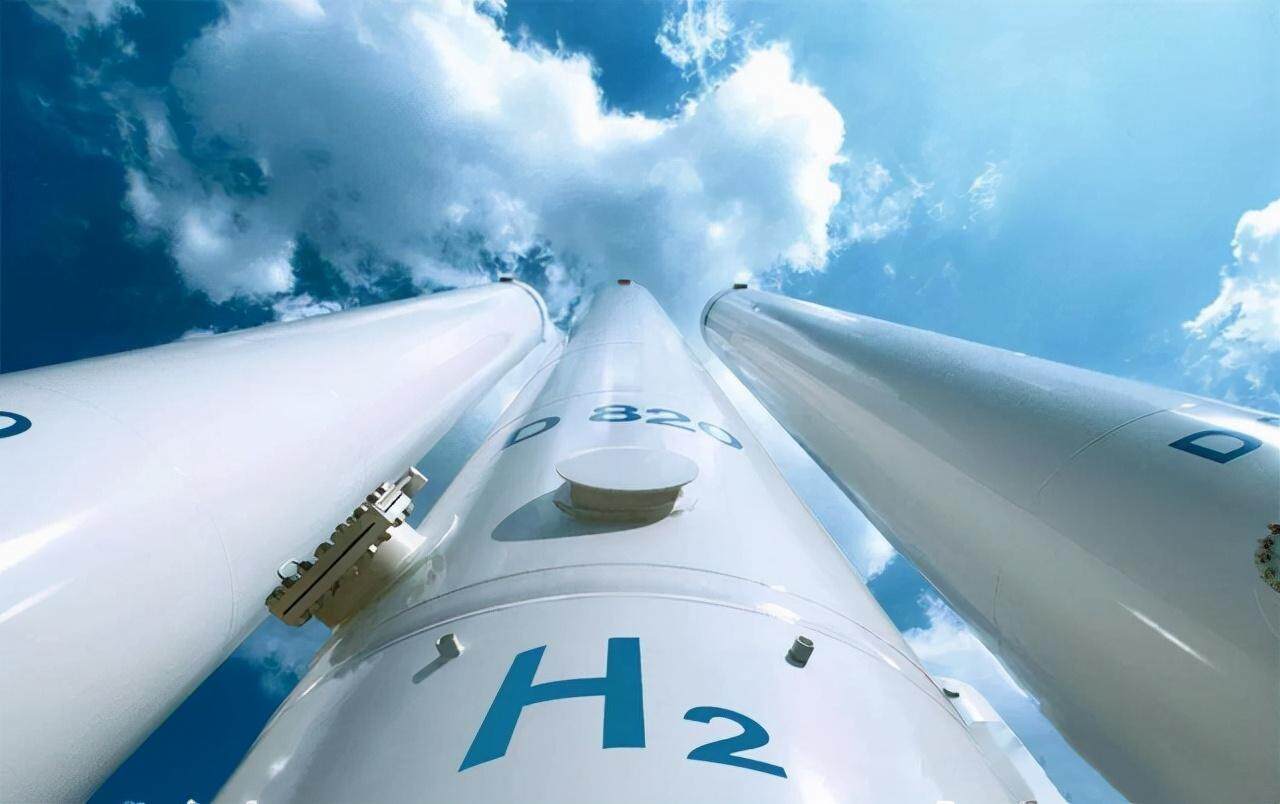
In terms of application scenarios, the transportation sector is achieving a breakthrough from demonstration to commercialization, with significant increases in fuel cell vehicle sales, and heavy-duty trucks becoming the main model. The industrial sector has become the main battlefield for hydrogen energy applications and a key pathway for decarbonization, especially in the chemical industry, where the green hydrogen substitution process is accelerating.In 2025, the domestic green ammonia production capacity under construction and planned exceeds 17 million tons, and the green methanol production capacity exceeds 23 million tons.
The policy support system is also constantly improving. Since the release of the "Medium and Long-Term Plan for the Development of the Hydrogen Energy Industry (2021-2035)" in 2022, hydrogen energy has been officially incorporated into the national energy system, and in 2024 it was written into the "Energy Law of the People's Republic of China," proposing to "actively and orderly promote the development and utilization of hydrogen energy." As of August 2025, 21 provinces across the country have issued special hydrogen energy plans.Integrated wind and solar hydrogen production enhances the grid's ability to absorb renewable energy.
Hydrogen energy possesses unique advantages in energy storage, especially suitable for large-scale, long-duration scenarios. Compared to pumped hydro storage, compressed air energy storage, and electrochemical energy storage, hydrogen storage excels in capacity, duration, geographical constraints, and system coupling.
Hydrogen storage capacity can reach the terawatt-hour (TWh) level, effectively addressing the seasonal imbalance of renewable energy, such as storing surplus solar power from summer for use in winter, and it is not limited by specific geographical conditions, allowing for more flexible deployment.On a timescale, hydrogen energy enables flexible regulation from hours to quarters, filling the gap in existing energy storage technologies and becoming an effective means to cope with renewable energy fluctuations. Furthermore, hydrogen energy can realize cross-regional energy transmission through pipelines, tankers, and other methods, as demonstrated by China's "West-to-East Hydrogen Transmission" project, which transports hydrogen energy converted from wind and solar resources in the northwest to load centers in the east.
Integrated wind/solar-to-hydrogen production, as a key path to solving renewable energy consumption and deep decarbonization, demonstrates significant advantages: by eliminating grid connection links to reduce transmission losses and taxes, it can reduce hydrogen production costs by more than 40%.Significantly improve the utilization rate of renewable energy, such as the Zhangbei project, which increased the utilization rate from 70% to 95% through "electricity-hydrogen intelligent interaction"; replace long-distance hydrogen transmission with distributed hydrogen production, controlling high-risk links within a limited scope and increasing safety redundancy by a factor of three.
Globally, integrated wind and solar hydrogen production projects are rapidly expanding. By the end of 2024, there were over 100 "wind/solar-hydrogen-ammonia/methanol" projects nationwide, with a cumulative investment exceeding 500 billion yuan. Central enterprises such as China Energy Engineering Group, China General Nuclear Power Group, China Power Investment Corporation, and China Energy Investment Corporation are actively deploying resources to promote the large-scale development of the industry.The lack of standardized international alignment has become a key challenge for industrial development.
With the rapid global development of the hydrogen energy industry, the lack of unified standards has become a major bottleneck affecting the construction of international supply chains and market expansion. Currently, global hydrogen energy standards are fragmented and regionalized, creating obstacles for international trade, technological cooperation, and large-scale development.
Differences in carbon emission accounting methods are the primary obstacle. Countries have different carbon emission threshold settings for low-carbon hydrogen: the United States is 4.0 kgCO₂e/kgH₂, the European Union is 3.38, the United Kingdom is 2.4, and Japan is 3.4.These differences reflect the diverse choices countries make regarding resource endowments, energy structures, and technological pathways, and also complicate international market certification.
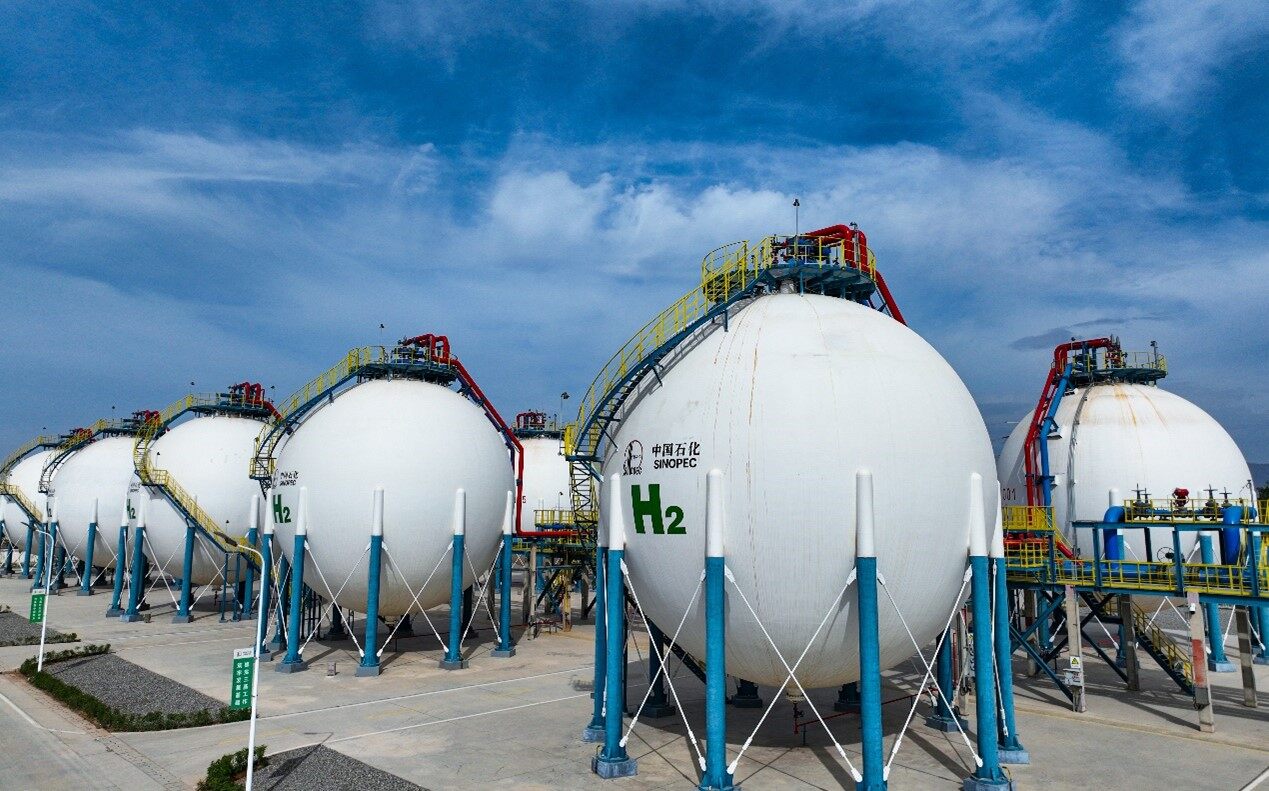
More fundamentally, there is a lack of consensus on setting system boundaries. The EU adopts a "cradle-to-grave" life cycle assessment approach, while most countries only assess the "cradle-to-gate" stage. This inconsistency makes it difficult to directly compare carbon emission accounting results, hindering international mutual recognition.
Disagreements on hydrogen quality standards also constitute technical barriers to trade.Differences exist between international standards like ISO and ASTM and Chinese national standards in areas such as impurity control, purity requirements, and testing methods. This not only increases trade costs but can also affect the lifespan and performance of end-use equipment like fuel cells.
Fragmented safety management systems are another challenge. The hydrogen energy industry chain is long and involves many segments, involving multiple management departments and standardization organizations, leading to overlapping standard-setting functions and insufficient coordination. In China, hydrogen energy standard development is dispersed among multiple organizations such as the National Hydrogen Energy Standardization Technical Committee, the Fuel Cell Standardization Technical Committee, and the Automotive Standardization Technical Committee, lacking top-level coordination, which can easily lead to standard duplication or gaps.The lack of mutual recognition mechanisms for certification systems significantly increases trade costs. Currently, countries are establishing their own hydrogen energy certification systems, but the absence of multilateral mutual recognition mechanisms forces producers to undergo multiple certifications for different markets, leading to redundant testing and evaluation, and increasing both time and financial burdens.
Globally, China's hydrogen energy industry has demonstrated vigorous vitality and enormous potential in terms of technological breakthroughs, engineering demonstrations, and market applications. From the off-grid hydrogen production project in E'tuoke Banner to the nationwide integrated "wind-solar-hydrogen-ammonia-alcohol" layout, the "hardware" foundation for industrial development is constantly being strengthened.However, to realize the globalization of hydrogen energy trade and high-quality development, breaking the "software" bottleneck of mutual recognition of standards is imperative. In the future, only by continuously promoting technological cost reduction and scenario innovation, while actively participating in and leading international standards dialogue and cooperation, can we take the initiative in the new landscape of global hydrogen energy development and truly make hydrogen energy a cornerstone force for clean energy transition. Editor/Xu Shengpeng
Comment





 Praise
 Collect
 Comment

 Share
Share


Write something~