 Search


- The new breakwater project at Genoa Port will strengthen the connectivity of the EU's pan European transportation network
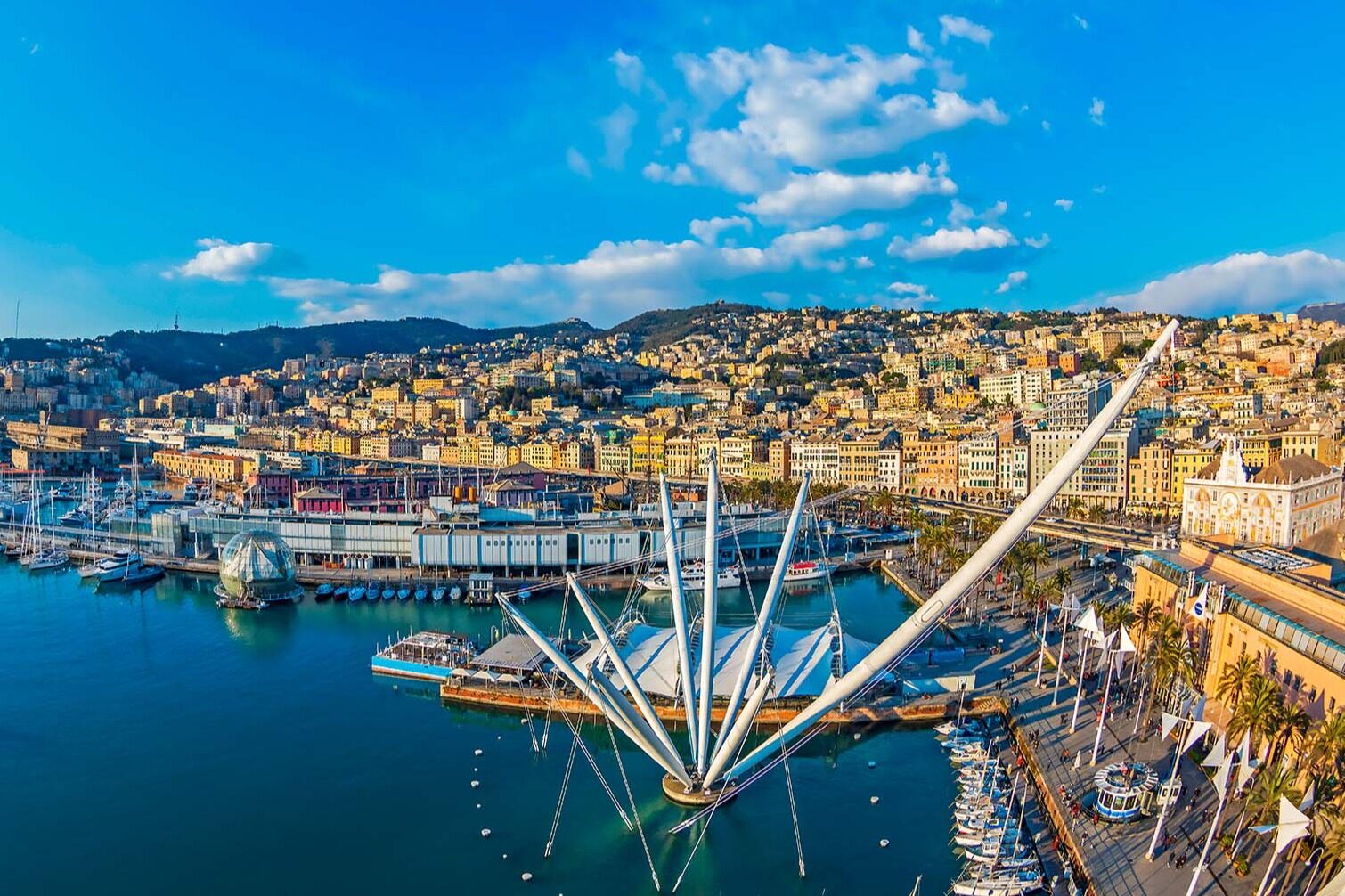
Recently, the PerGenova consortium led by Webuild (holding 40% of the shares, in collaboration with Fincantieri Infrastructure Operare Maritime, Fincosine, and Sidra) has reached two key milestones in the construction of a 6-kilometer new breakwater project at the port of Genoa: the successful sinking of the 10th giant caisson and the completion of 34000 gravel columns, marking the accelerated construction period of this super project with a total investment of 928 million euros.
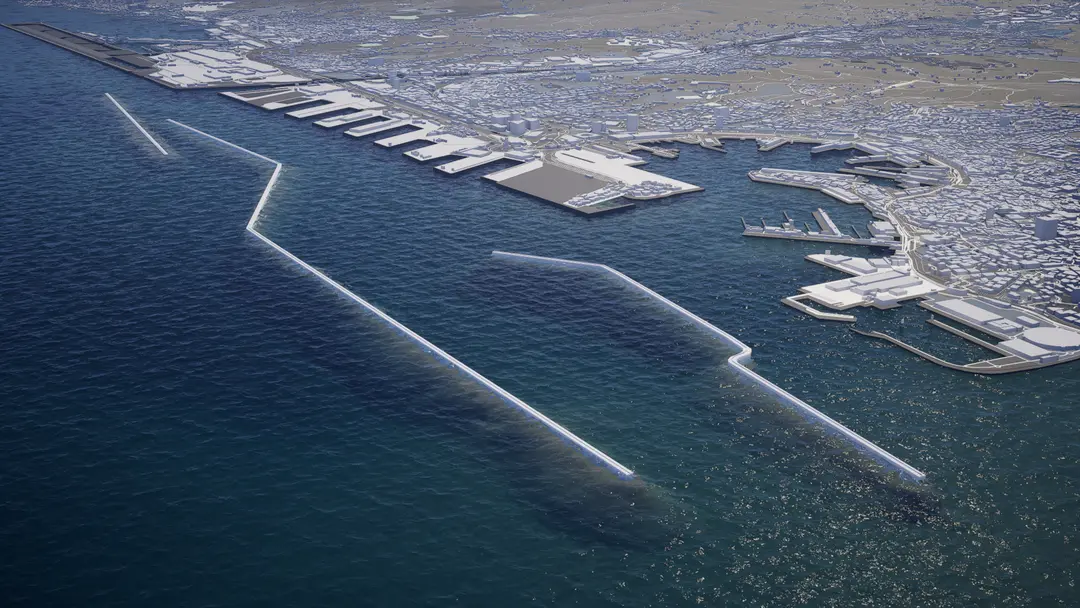
The core goal of the project is to extend the external barrier of the port outward by 450 meters, forming a berth with a depth of 50 meters, so that ultra large container ships (up to 400 meters long) can complete docking and turning in calm waters. It is expected to complete the first 4-kilometer project in 2027 and the entire line will be connected by 2030. After expansion, the traffic volume of the port area will increase by 30%, directly driving an increase of 4.2 billion euros in container transportation, port rights, and tax revenue, significantly enhancing the support of Genoa Port for the EU's pan European transportation network, the Rhine Alpine Corridor.
On a technical level, the project adopts a composite structure of giant caissons and gravel columns: the caissons are prefabricated at Tronds Barge 33 pier in Vado Ligure, 54 kilometers west of Genoa, with individual dimensions of 67 meters x 35 meters x 34 meters. They are transported to the site by barge and sunk to a 50 meter deep seabed; More than half of the gravel column array (total planned quantity) has been completed, consisting of 34000 stone columns with a diameter of over 1 meter and a depth of 13.5 meters. These columns are compacted layer by layer at a depth of 25-50 meters using over 2 million tons of imported gravel from Spain using 8 vibration devices, forming a stable seabed foundation. During the construction period, more than 450 workers were stationed on three floating bridges (with the largest bridge being 150 meters long and equipped with a 40 meter high crane), simultaneously advancing the installation of sunken boxes and seabed stabilization operations.
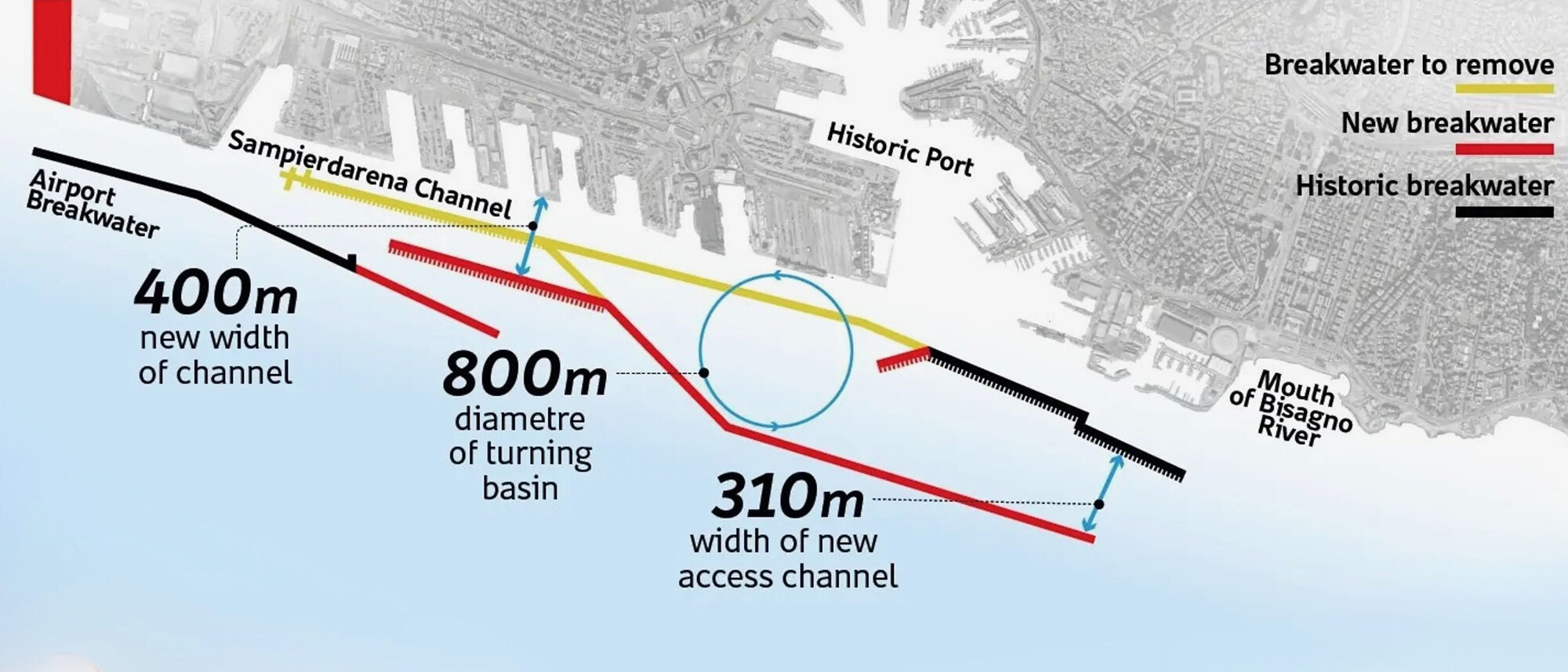
This breakwater, which integrates technological innovation and economic value, will not only reshape the Mediterranean shipping pattern, but also become a benchmark case for global port expansion through green construction concepts such as gravel recycling and integration with industry and city, injecting strong momentum into the regional economy.Editor/Cheng Liting
Comment



 Praise
 Collect
 Comment

 Share
Share


Write something~