 Search


- This project will usher in a new paradigm of underground evacuation and above ground efficiency improvement in Northern Europe
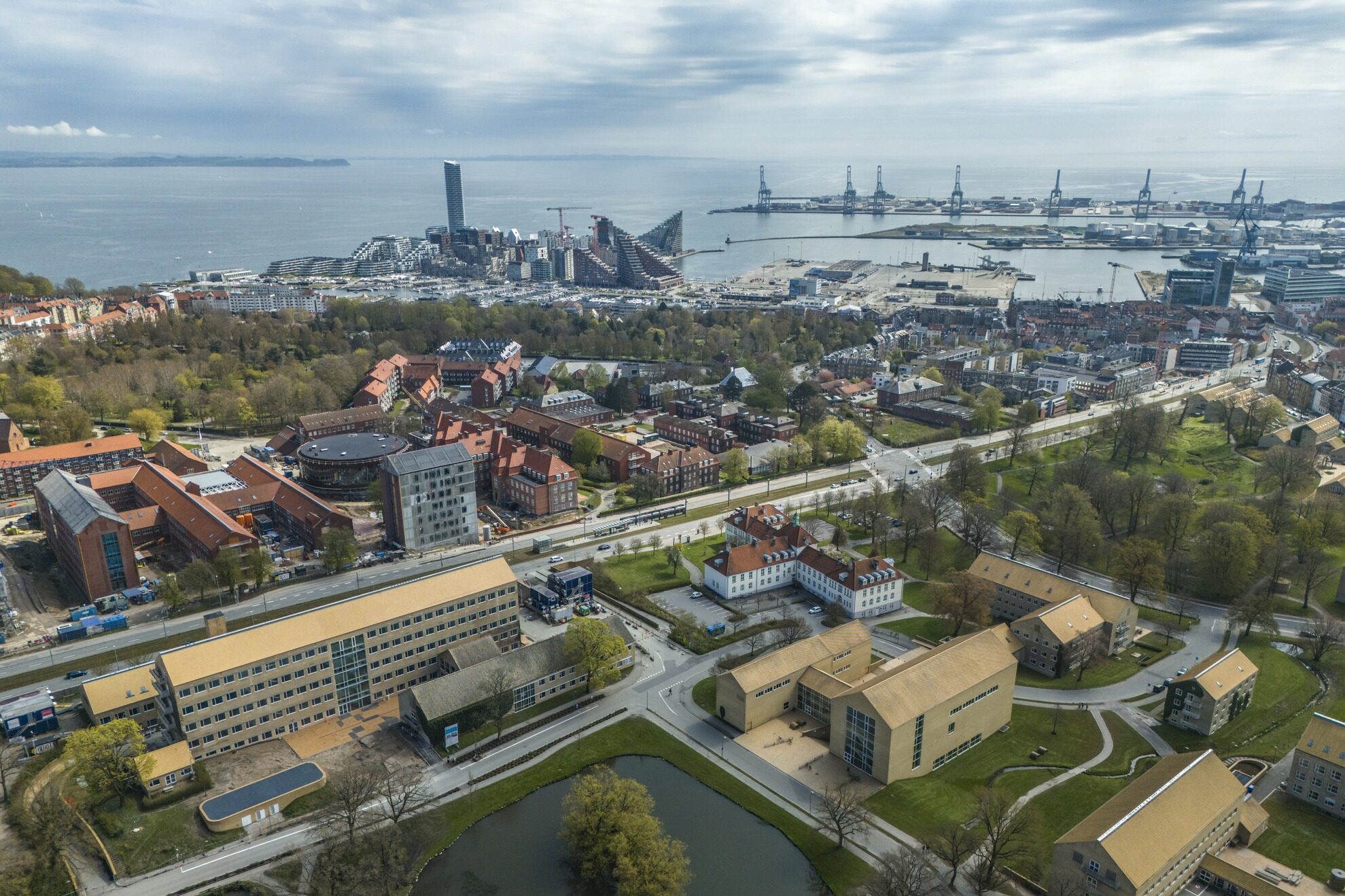
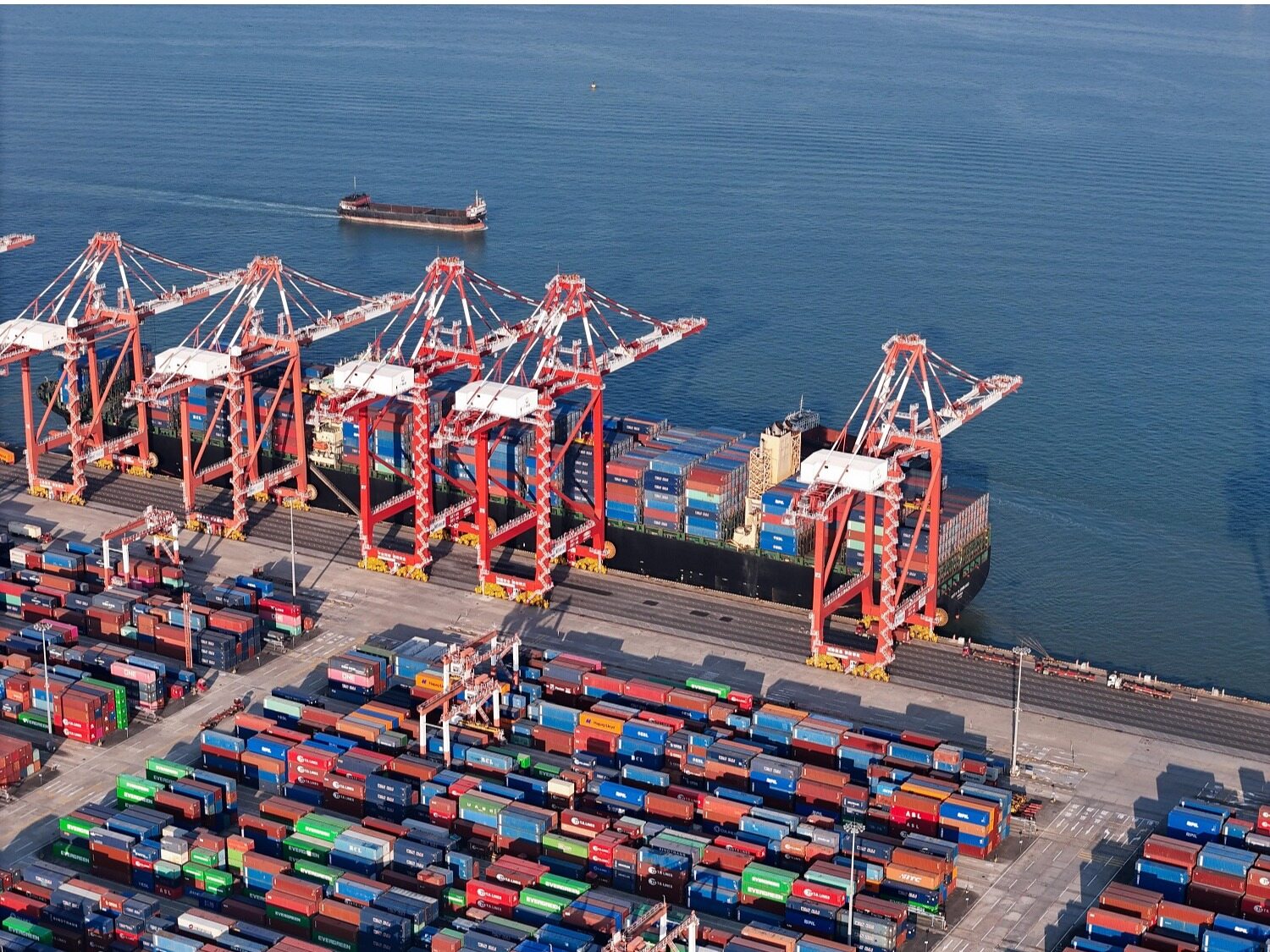
In response to the record breaking freight surge driven by 70% of Denmark's cargo throughput at Aarhus Port and geopolitical factors (container throughput surged 45% year-on-year to 86835 TEU in July, setting a new historical high), the Danish Road Authority has officially launched the Marseis Tunnel project connecting Aarhus Port with the E45 Ø stjyske motorway. The tunnel is provided with construction management and mechanical and electrical design services by an international team consisting of Jacobs from the United States and Ramb ø ll from Denmark. After approval by the Danish parliament in June, it entered the substantive promotion stage.

The core of the project is a 2-kilometer-long cut covered tunnel that will directly connect Aarhus Port with the E45 highway below Marselis Avenue, allowing freight trucks to avoid the busy Marselis Avenue on the ground and achieve efficient underground traffic. This move will not only alleviate the pressure of ground traffic, but also improve the efficiency of port logistics, supporting the continuous expansion of Aarhus Port as a Danish freight hub.
The project construction is scheduled to commence in 2028 and is currently in the planning and design phase. Michael Schmidt Vosgeau, Senior Project Manager at the Danish Road Authority, emphasized that "building a tunnel in one of Denmark's busiest corridors is a complex project that requires drawing on international experience - there is no precedent for similar projects in China before." The project innovatively adopts cutting and covering technology to achieve tunnel structural stability through layered excavation and covering, while optimizing the electromechanical system to ensure operational safety.

As Denmark's first large-scale underground freight channel project, the Marselis Tunnel will not only reshape the regional transportation pattern, but also become a benchmark case for port logistics upgrading in the Nordic region, providing a demonstration sample for underground evacuation and above ground efficiency improvement for similar port cities around the world, and promoting a new paradigm of coordinated development between urban transportation and port economy.Editor/Cheng Liting
Comment

 Praise
 Collect
 Comment

 Share
Share


Write something~