 Search


- On the edge of the Kalahari Desert, huge mirrors are converting sunlight into electricity, illuminating thousands of homes
At a pivotal moment when the African continent is embarking on energy transformation and climate response, a revolution in the name of sunlight is silently reshaping the destiny of this ancient land. From the desert solar towers in South Africa to the off-grid villages in East Africa, renewable energy is no longer a distant concept, but an increasingly tangible reality.
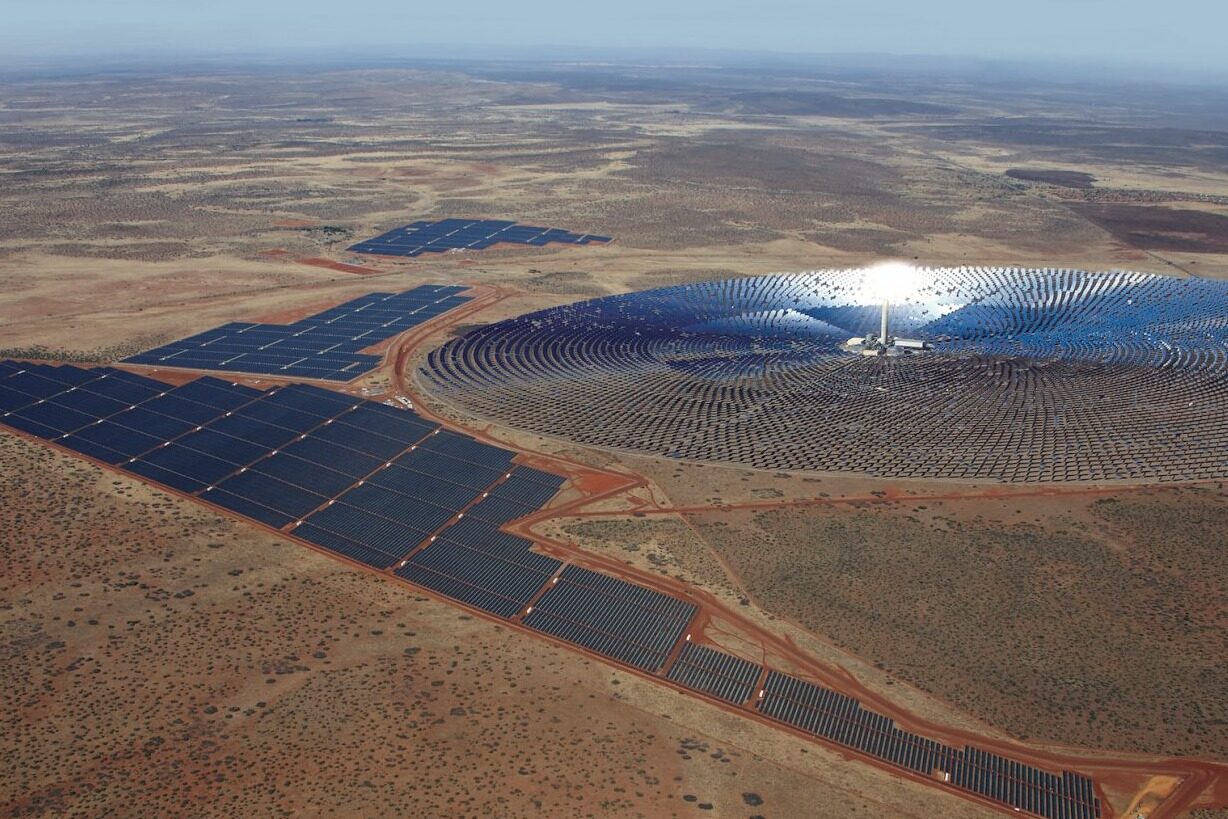
APINGTON, South Africa — South of the Northern Cape desert, on the edge of the Kalahari, a field of dozens of solar reflectors greets the sunrise. The mirrors pivot with the sun, focusing the light on a tower. Inside the tower, heat receivers absorb the intense heat, transforming water into high-pressure steam that generates 50 megawatts of electricity — enough to power more than 40,000 homes for a full day.
The project, named "KHI Solar One", is one of the representative examples of South Africa's promotion of renewable energy applications. Currently, the South African power grid still relies mainly on coal-fired power generation, and such projects are attempting to inject more clean electricity into the country.

This week, the African Climate Summit will be held in Addis Ababa, the capital of Ethiopia. Behind the summit lies a reality that cannot be ignored: Africa urgently needs to expand the scale of renewable energy to address power shortages and tackle climate change.
According to statistics from the International Energy Agency (IEA), approximately 600 million people in Africa still live without access to electricity, accounting for a significant proportion of the global population without electricity. Without light at night to read, and without electricity for daily use of appliances, power shortages not only affect basic living conditions but also severely restrict medical care, education, and economic development.
Compared to other regions in the world, Africa still lags behind in the field of renewable energy. China, Europe, and the United States account for 80% of the global installed capacity of renewable energy, while Africa accounts for only 1.5%. However, this continent is not lacking resources: a United Nations report points out that Africa possesses 60% of the world's best solar energy resources, and its deserts and climatic conditions are extremely suitable for the development of photovoltaics.
Despite its immense potential, Africa secured only 2% of global clean energy investment in 2024. At the beginning of 2025, African leaders jointly pledged to achieve 300 GW of installed renewable energy capacity by 2030, equivalent to the scale of 114 large power stations, sufficient to support the operation of a major city or a small country. The International Renewable Energy Agency (IRENA) further predicts that by 2050, 90% of Africa's electricity could come from renewable sources such as solar energy.
South Africa is attempting to embark on a diversified energy path, including the development of hydropower and wind energy. And the whole of Africa is also entering a critical window for photovoltaic construction.
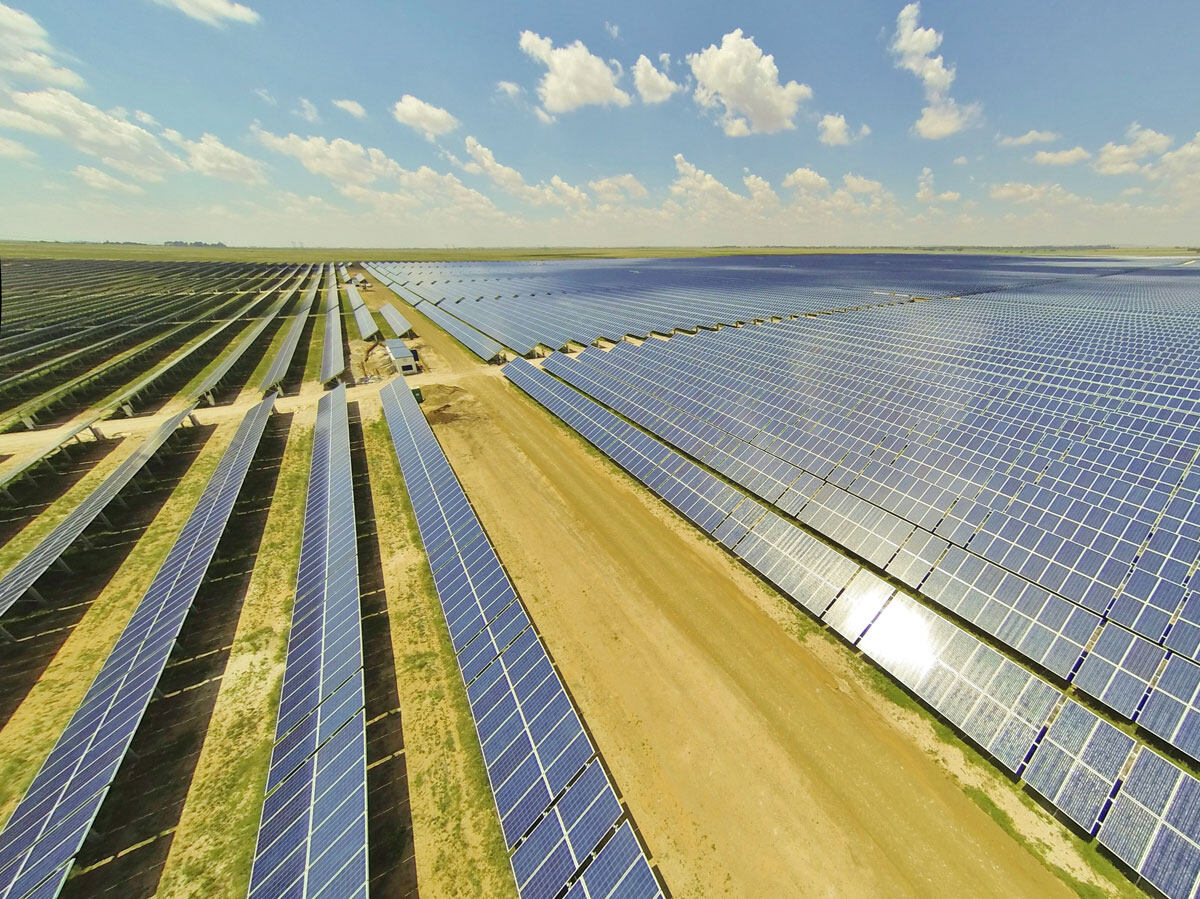
The latest trade data reveals that China's exports of solar panels to Africa have seen a significant surge over the past 12 months, totaling 15,032 megawatts, marking a year-on-year increase of 60%. Notably, 20 African countries have achieved record imports of photovoltaic modules.
Previously, South Africa had been the main driving force behind Africa's photovoltaic imports. Due to the ongoing power crisis, the country imported a large number of solar panels to alleviate electricity pressure. Nowadays, photovoltaic imports from China by other African countries have also tripled in 12 months.
More and more energy companies are turning their attention to Africa, viewing it as an emerging market for solar energy products. What they bring is not just equipment, but also the light that will illuminate the future of the continent.
Nowadays, with the deepening of cooperation between China and Africa in the field of clean energy, sunlight has truly become a new driving force for Africa's development. From traditional coal-fired power to photovoltaic and wind energy, from urban power supply to rural microgrids, this continent is moving towards the light at an unprecedented pace. Perhaps in the near future, when night falls over the African continent, more lights will be lit up - that is not only the flow of electricity, but also the continuation of hope. Editor/Xu Shengpeng
Comment




 Praise
 Collect
 Comment

 Share
Share


Write something~