 Search


- This project can significantly enhance the urban transportation carrying capacity and meet the increasing travel needs of pilgrims
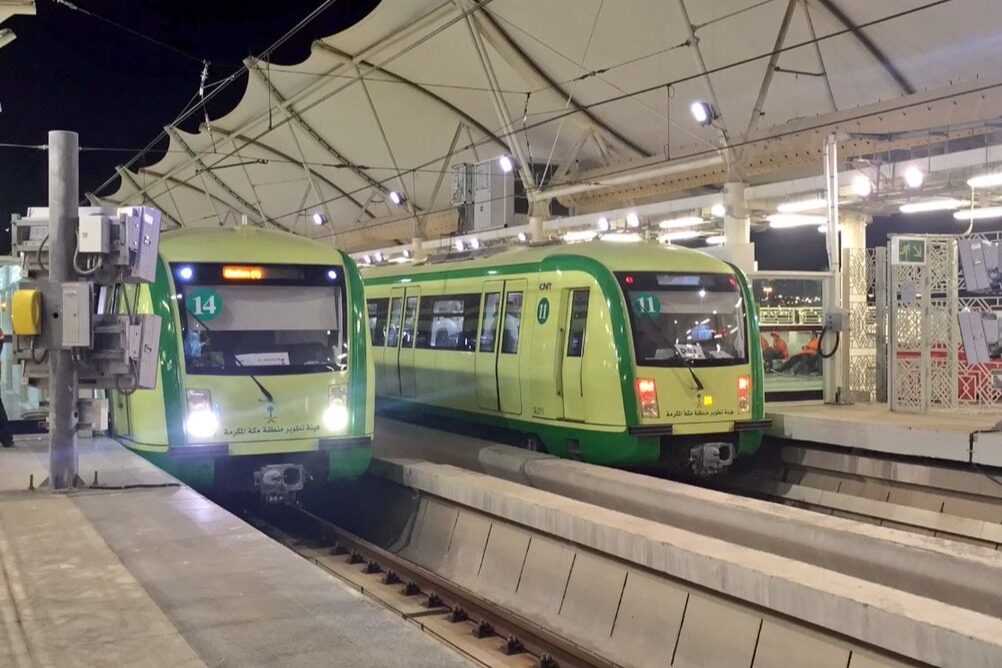
Recently, the Royal Commission of Mecca City and Holy Land issued an invitation to contractors to participate in the early market participation conference for the Holy City Metro network. This move aims to gauge the market's interest in this multi billion dollar project and solicit feedback on the phased procurement plan, laying a solid foundation for the smooth progress of the project.
According to the plan, the Mecca subway network will be gradually implemented in three phases from 2032 to 2045. After completion, a four line subway network (A-D lines) covering 89 stations and a total length of 181.7 kilometers will be formed, along with the construction of three parking lots and traffic guidance development facilities. By then, it is expected that the daily passenger volume will reach 1.2 million, with an annual transportation capacity of over 640 million passengers, greatly enhancing Mecca's transportation capacity and meeting the growing demand for travel.
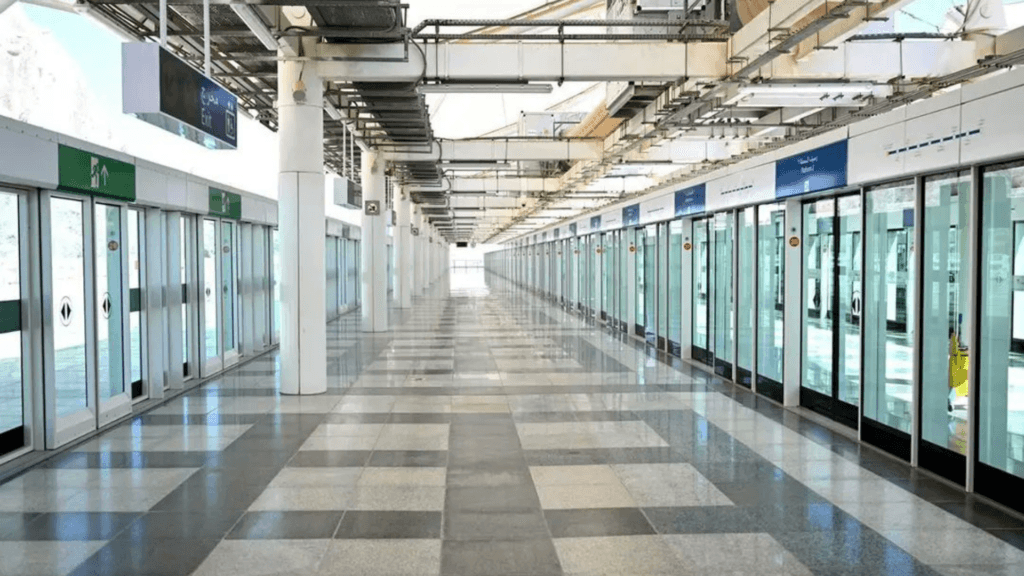
The first phase of the project focuses on the construction of lines B and C, including a 2.4-kilometer tunnel project and integration with the existing Mashar line. The total length of the line is 62 kilometers, with a total of 31 stations, including 21 underground stations. Adopting a mixed layout of tunnels, elevated structures, and ground surfaces, taking into account the terrain characteristics and construction needs of different regions. At the same time, 66 train sets need to be purchased to provide sufficient transportation capacity for initial operation.
The second phase of the project is planned to be put into operation in 2038, extending the line to the outskirts of Mecca and constructing the core sections of A and D lines. The total length is 84.7 kilometers, with the addition of 45 stations and 2 parking lots. With the expansion of routes and the improvement of facilities, the annual passenger volume will increase to 500 million, further strengthening the supporting role of the subway network in urban development.
The third phase of the project is expected to be completed by 2045, with a 36 kilometer elevated extension of lines A and D and the addition of 72 new train sets. At this point, the Mecca subway network will ultimately form a powerful transportation capacity of 1.2 million passengers per day, injecting strong impetus into the sustainable development of the city.
In addition to the construction of transportation infrastructure, the project also ingeniously plans to develop commercial, residential, and retail complexes at key nodes along the route. Through this transportation oriented development model, efficient land use can be achieved, industrial agglomeration and population mobility can be promoted, investment benefits can be maximized, and urban economic diversification can be promoted.
In the procurement plan, it is proposed to adopt a three section subcontracting model of "civil engineering+system", "TOD development", and "operation and maintenance", and actively explore public-private partnership mechanisms in the initial stage. The private sector can participate in financing, construction, and operation through special purpose vehicles, fully leveraging the advantages of market mechanisms to improve project construction and operational efficiency.
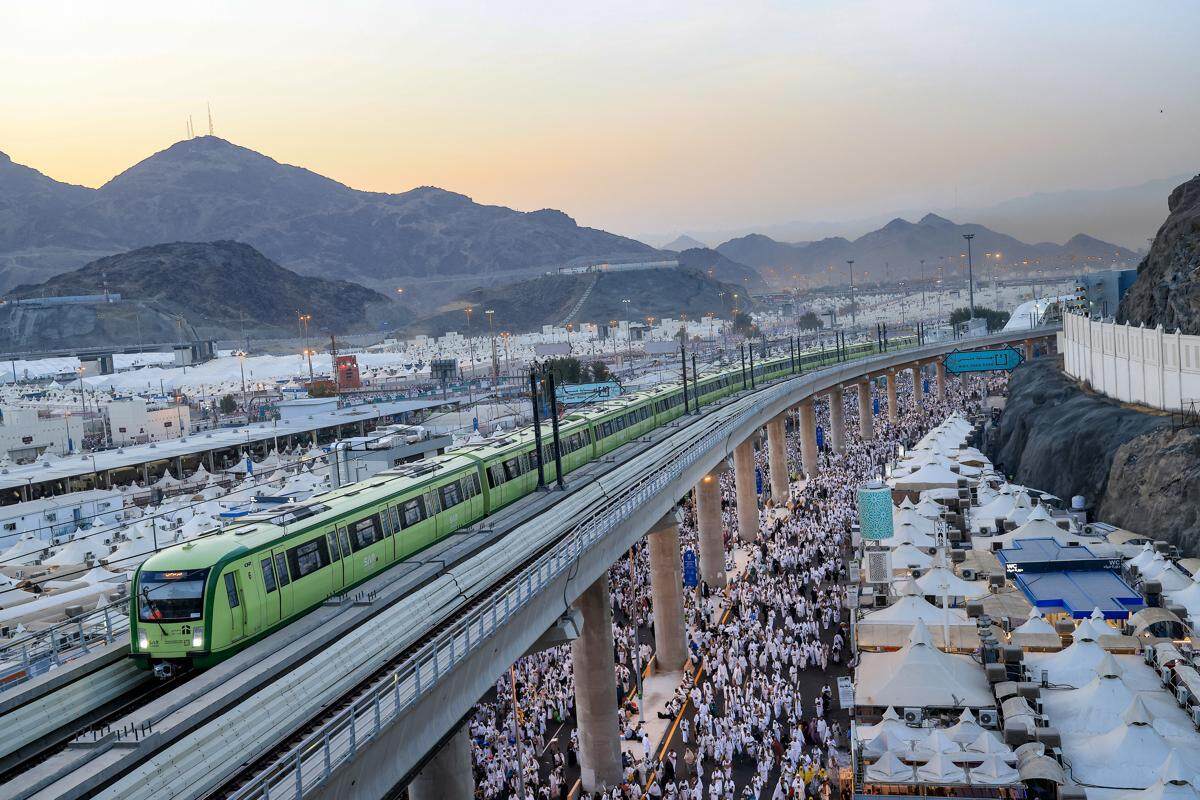
It is worth mentioning that the project restart has been over ten years since its first launch in 2013, and was previously stalled due to issues such as funding, land acquisition, and scope adjustments. Nowadays, as the location of Saudi Arabia's first metro (the 9-stop 18 kilometer Mashar Line, which was put into operation in 2010), Mecca receives approximately 30 million pilgrims annually, and demand continues to grow. This vast quantitative market foundation provides strong support for the implementation of the PPP model. Although formal construction still requires at least 18 months of preparation, the future of the Mecca metro network is worth looking forward to.Editor/Cheng Liting
Comment

 Praise
 Collect
 Comment

 Share
Share


Write something~