 Search


- Saudi Railways signs contract with Targau, Spain to purchase 20 additional high-speed trains
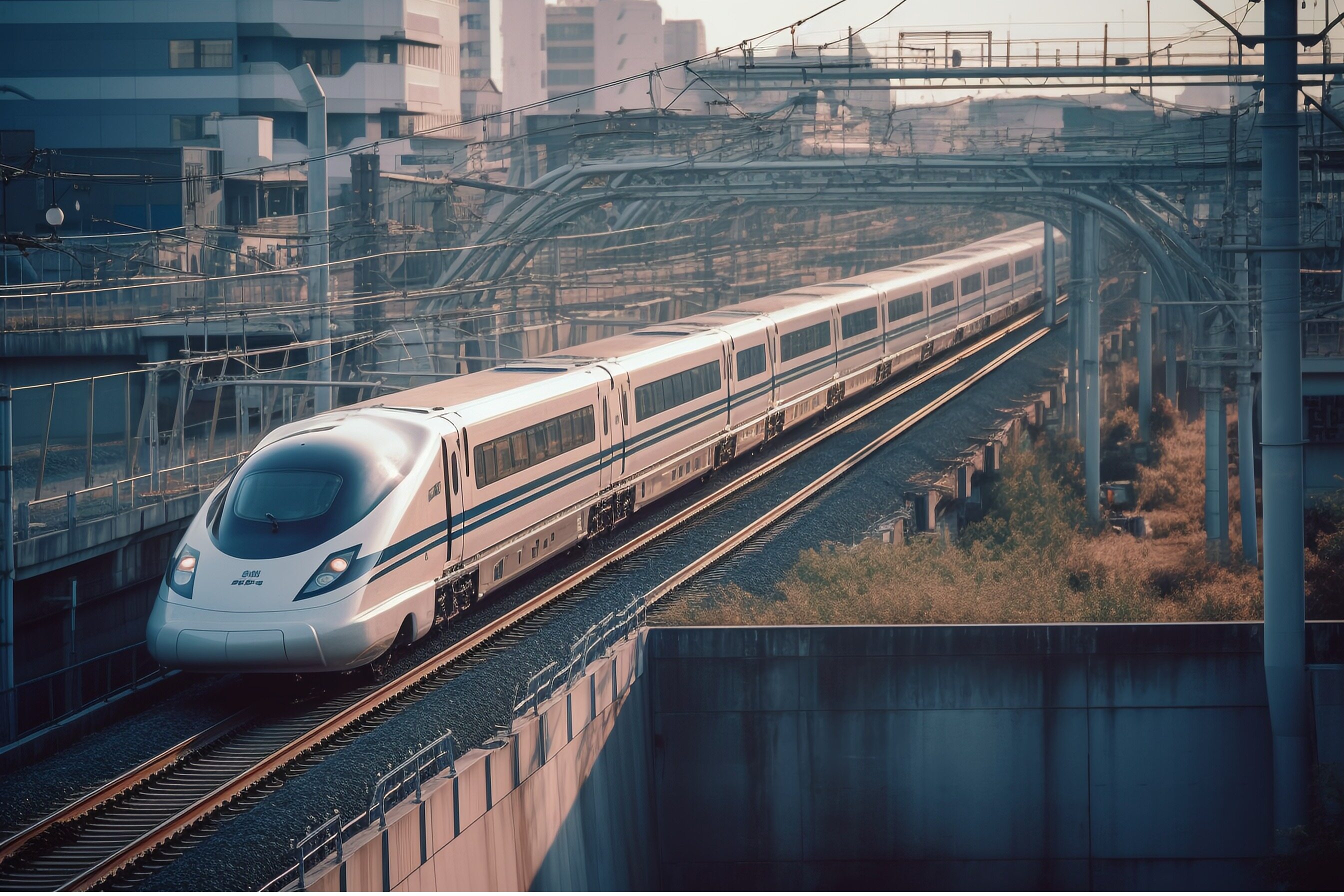
Saudi Railways Company and Spanish Targau Company signed a procurement agreement in Riyadh. Twenty brand new high-speed trains will begin to enter the Arabian Desert by the end of 2028, connecting the two holy cities of Mecca and Medina in the Islamic world.
Since the opening of the Haramain high-speed railway in 2018, this 300 kilometer per hour railway has transported over 150 million passengers. Pilgrims heading straight from Jeddah Airport to Mecca for pilgrimage, business travelers traveling to and from King Abdullah Economic City, and local residents traveling between the holy cities - the train never runs empty. The transportation capacity is approaching its limit.
After adding 20 new trains, the fleet size will increase from 35 to 55, with an annual capacity exceeding 30 million passengers for the first time. For Saudi Arabia, this is not just a train procurement, but also an extension of the country's transformation vision on the railway tracks.
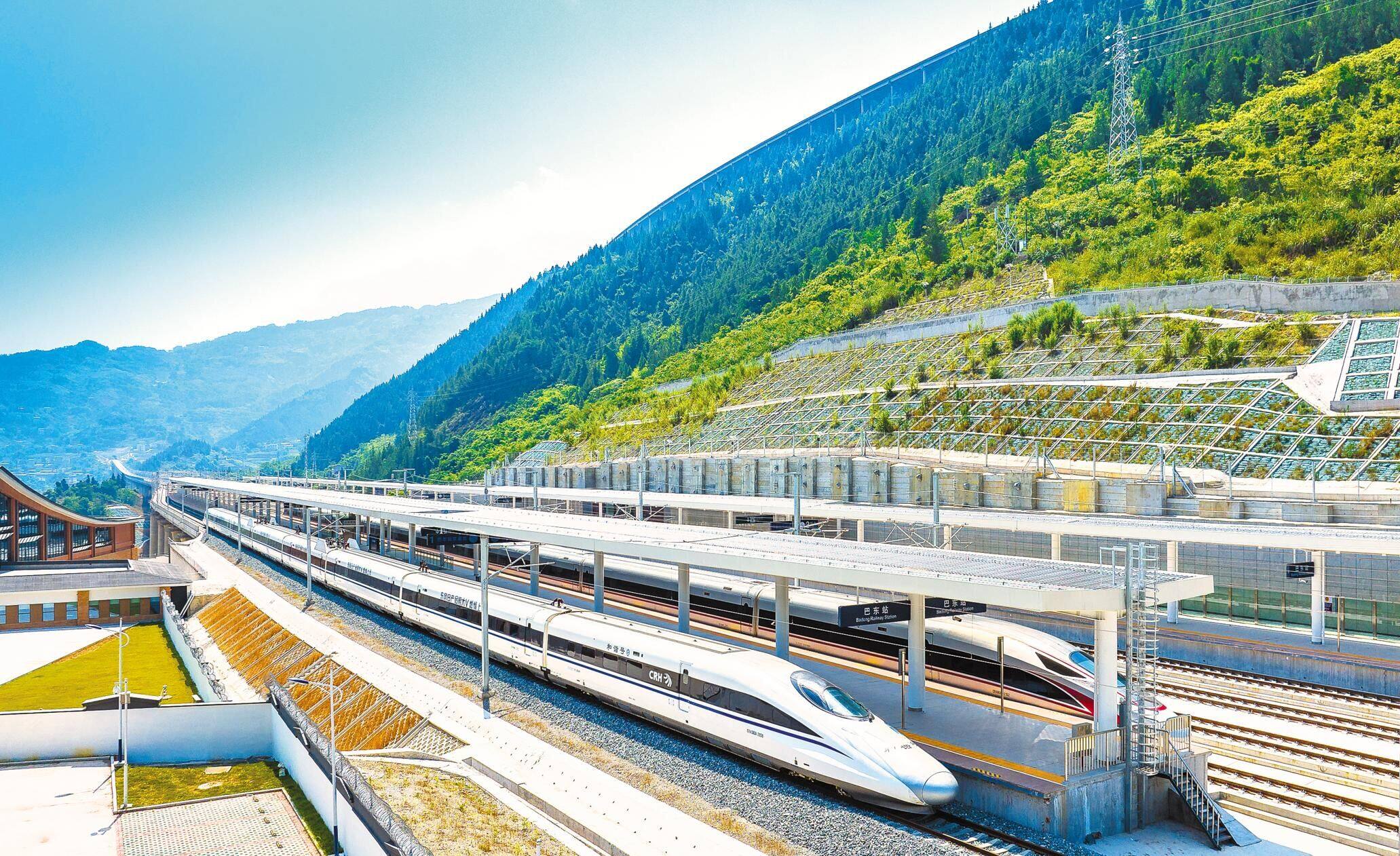
A holy city line, expanded in five years
The Haramain High Speed Railway is the first desert high-speed railway in the Middle East and also the fastest electrified railway in the region.
The total length of the line is 453 kilometers, with five stations including Mecca, Medina, Jeddah, King Abdulaziz International Airport, and King Abdullah Economic City. The two-hour drive between the two holy cities and the difficulty in obtaining tickets during the pilgrimage season are common occurrences.
When it opened in 2018, Saudi Arabia equipped 35 Talgo 350 trains. Each train consists of 13 carriages and 417 seats, which is already a high-density configuration. But the annual flow of pilgrimage passengers is growing by millions, coupled with Saudi Arabia's opening of tourist visas to the world and Jeddah's increasing status as a logistics hub in the Red Sea, the passenger flow structure of this railway is shifting from a single religious travel to a diversified combination of business, tourism, and commuting.
Saudi Railways President Badri Daud said at the signing ceremony that the twenty new trains are not the end, but the beginning of the expansion plan for the Haramain Line.
Spanish technology, desertification transformation
The new generation of trains customized by Talgo for Saudi Arabia continues the 13 car formation and 417 seat layout, but has undergone targeted restructuring of the internal structure.
Business class has increased from 4 to 5 seats, while economy class has correspondingly reduced to 8 seats. This adjustment is based on feedback from five-year operational data: the passenger flow in the Jeddah Riyadh business corridor continues to grow, while the proportion of business travelers in Medina has significantly increased.
The entire vehicle is equipped with a disabled compartment, widened doors, dedicated restrooms, wheelchair fixed areas, and low height control panels. The Saudi Arabia Vision 2025 Strategy sets clear targets for public transportation accessibility, with high-speed rail taking the lead.
More importantly, desertification adaptation improvement. Talgo engineers upgraded the redundant design of the air conditioning system, resulting in a 40% increase in dust filtration efficiency; Thickening the anti-corrosion coating of the bogie to cope with the high humidity and high salt environment in the Red Sea; The pantograph monitoring system has added an intelligent warning module - these details will not appear in the brochure, but determine whether the train can operate year-round in high temperatures of 50 degrees Celsius.
Behind the goal of 30 million
Saudi Arabia has set a target of 30 million people for pilgrimage reception and 60 million people for deputy pilgrimage reception by 2030. The existing Mecca hotels, airports, and road networks are expanding synchronously, and high-speed rail is the main line of this game.
The new car will be delivered from the end of 2028 and will be fully in place by 2031. At that time, the departure interval of the Haramain Line during peak hours will be reduced from the current 15 minutes to less than 10 minutes, and the section from Mecca to Jeddah Airport can be operated as a public transportation system.
For Saudi Arabia, this is still an economic line. After being dormant for many years, King Abdullah Economic City has attracted a group of manufacturing and logistics enterprises to settle in recent years with the advantages of ports along the Red Sea coast and bonded policies. Stable, high-frequency, and on-time high-speed rail services are the prerequisite for the Economic City to tell a good story to investors.
For millions of pilgrims who land from Jeddah airport and head straight to Mecca every year, the addition of 20 trains means shorter waiting times, less crowded carriages, and less fatigue during the pilgrimage.Keywords: traffic news and information, traffic news website
In Saudi Arabia, religious obligations and national transformation are being accelerated by the same high-speed rail.Editor/Gao Xue
Comment

 Praise
 Collect
 Comment

 Share
Share


Write something~