 Search


- Kazakhstan plans to build 475 kilometers of new railway and renovate 2900 kilometers of railway
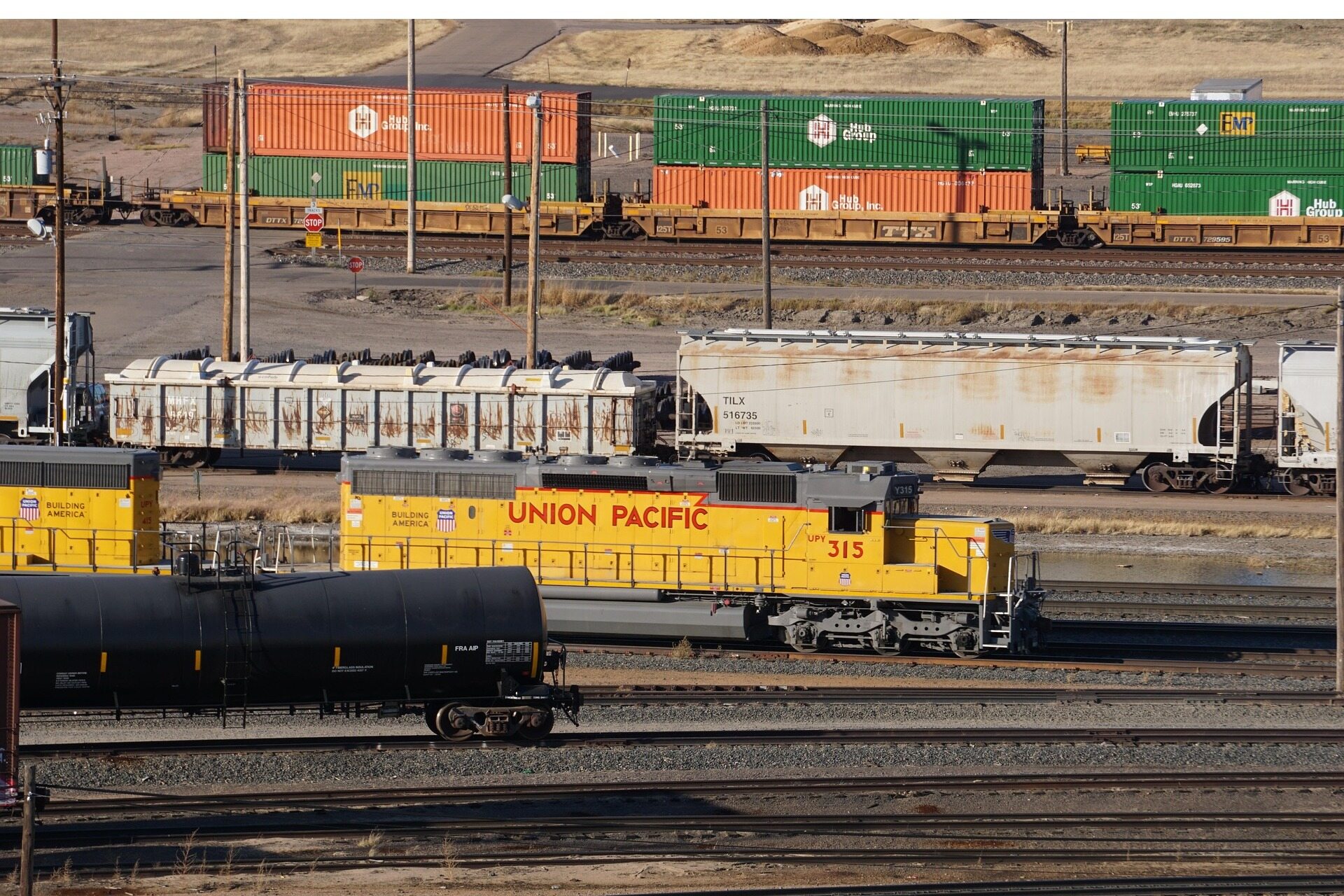
On the vast grasslands of Kazakhstan, the pulsation of steel arteries is becoming increasingly strong. On February 10, 2026, at the Astana Government Work Expansion Conference, President Tokayev's speech on railway infrastructure set the tone for the country's logistics strategy for the new year.
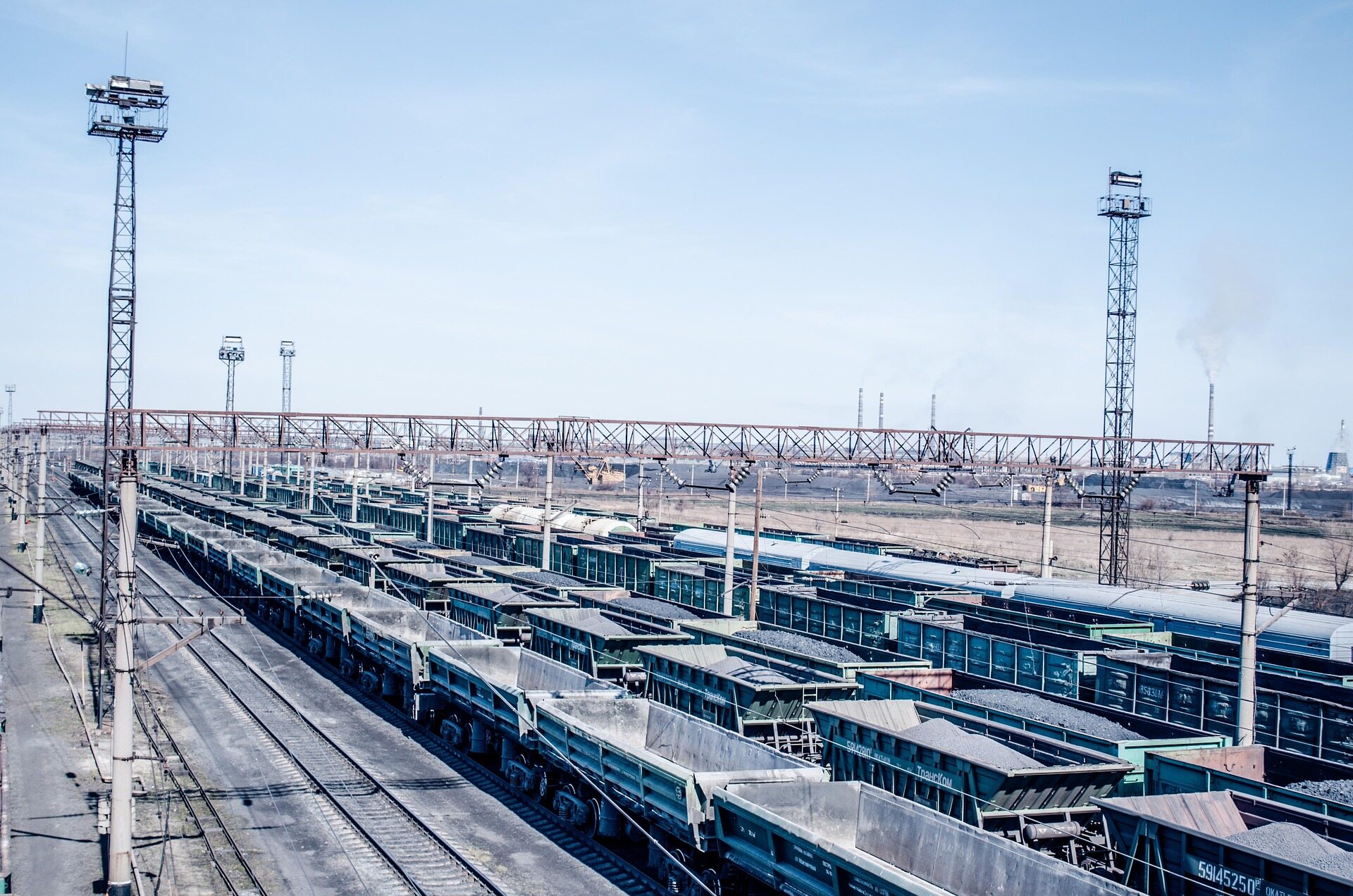
The annual transit target of 55 million tons has been solemnly proposed, and a modernization campaign involving thousands of kilometers of railway network has quietly begun.
For Kazakhstan, railways are not just a means of transportation, but the throat of the country's destiny. Tokayev's statement at the meeting was exceptionally firm: strengthening railway infrastructure construction is the current 'absolute priority'. Behind this judgment is Kazakhstan's deep exploration of its own geopolitical value - as a bridge connecting Asia and Europe, Kazakhstan not only needs to promote the modernization of ports, but also needs to use the digital transformation of railway transportation to bring out the efficiency of the ancient Silk Road in the digital age. What he expects is not only an increase in transportation volume, but also a qualitative leap in the entire transit logistics system.
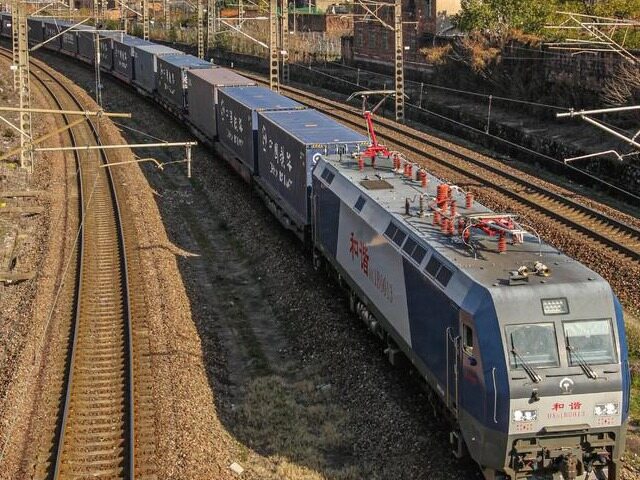
The guidance of strategy requires specific engineering to be implemented. Prime Minister Bektenov presented detailed construction drawings at the meeting: In 2026, Kazakhstan will usher in an intensive infrastructure wave, with the construction of two new railways totaling 475 kilometers and the deep modernization of the existing 2900 kilometer railway network. This round of large-scale investment directly points to a significant increase in transportation capacity - Bektonov promised that the speed of transit container trains on related routes will be increased to 50 kilometers per hour, and the overall transit transportation capacity will be increased by 60%. Keywords: international news, railway transportation
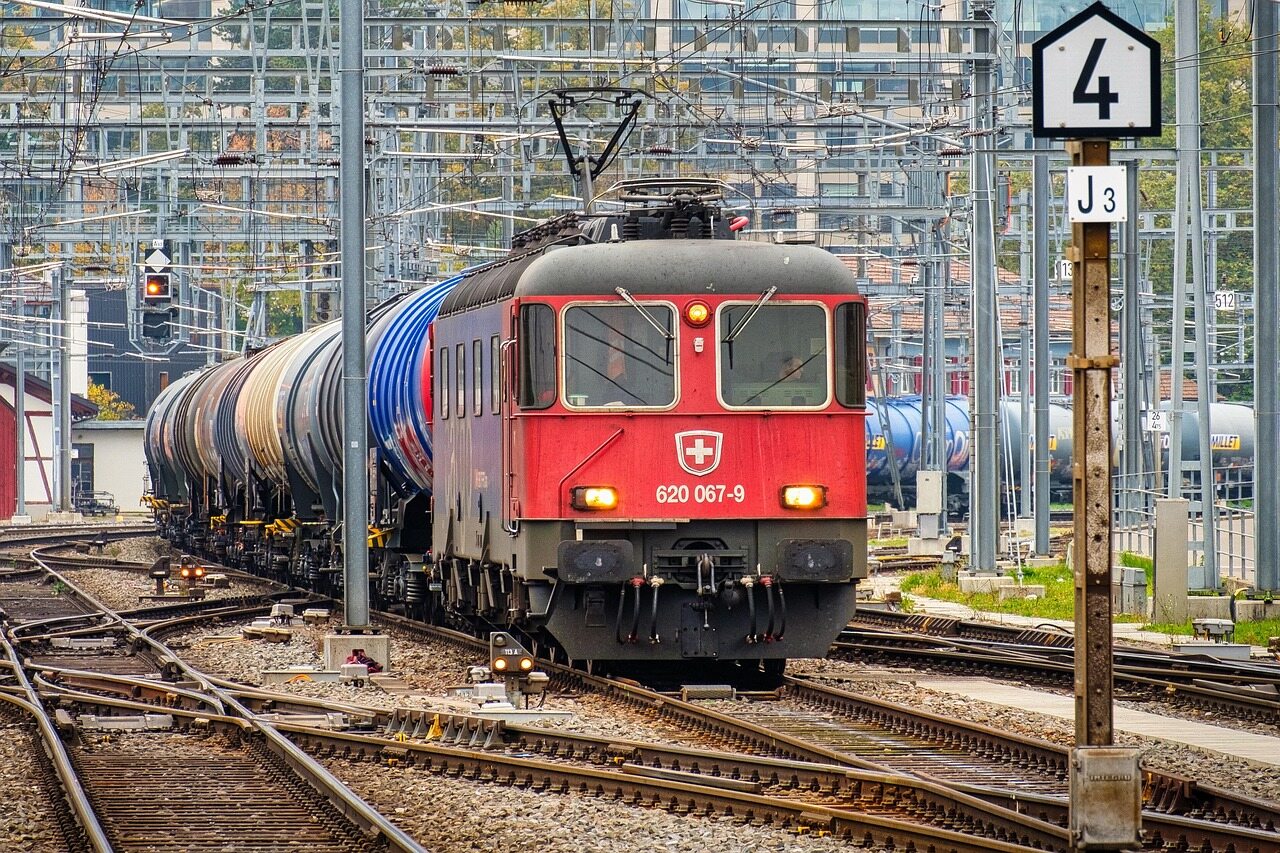
The improvement of transportation capacity ultimately needs to be reflected in a breakthrough in speed. Bektenov revealed a key timeline: by the end of 2026, the logistics transportation time from the Kazakhstan China border area to the Caspian Sea coast is expected to be significantly reduced from the current 84 hours to 55 hours. This means that a fully loaded container train will be able to cross the entire territory of Kazakhstan in just over two days. For Chinese goods in urgent need of opening up sea ports and European goods eager to enter the Asian market, this nearly 30 hour "time difference" is the most direct economic dividend. Kazakhstan is proving through practical actions that it is not only a transit channel, but also an efficient logistics hub.Editor/Cheng Liting
Comment

 Praise
 Collect
 Comment

 Share
Share


Write something~