 Search


- The country will systematically phase out lignite, natural gas, and oil-fired power generating units in the next ten years
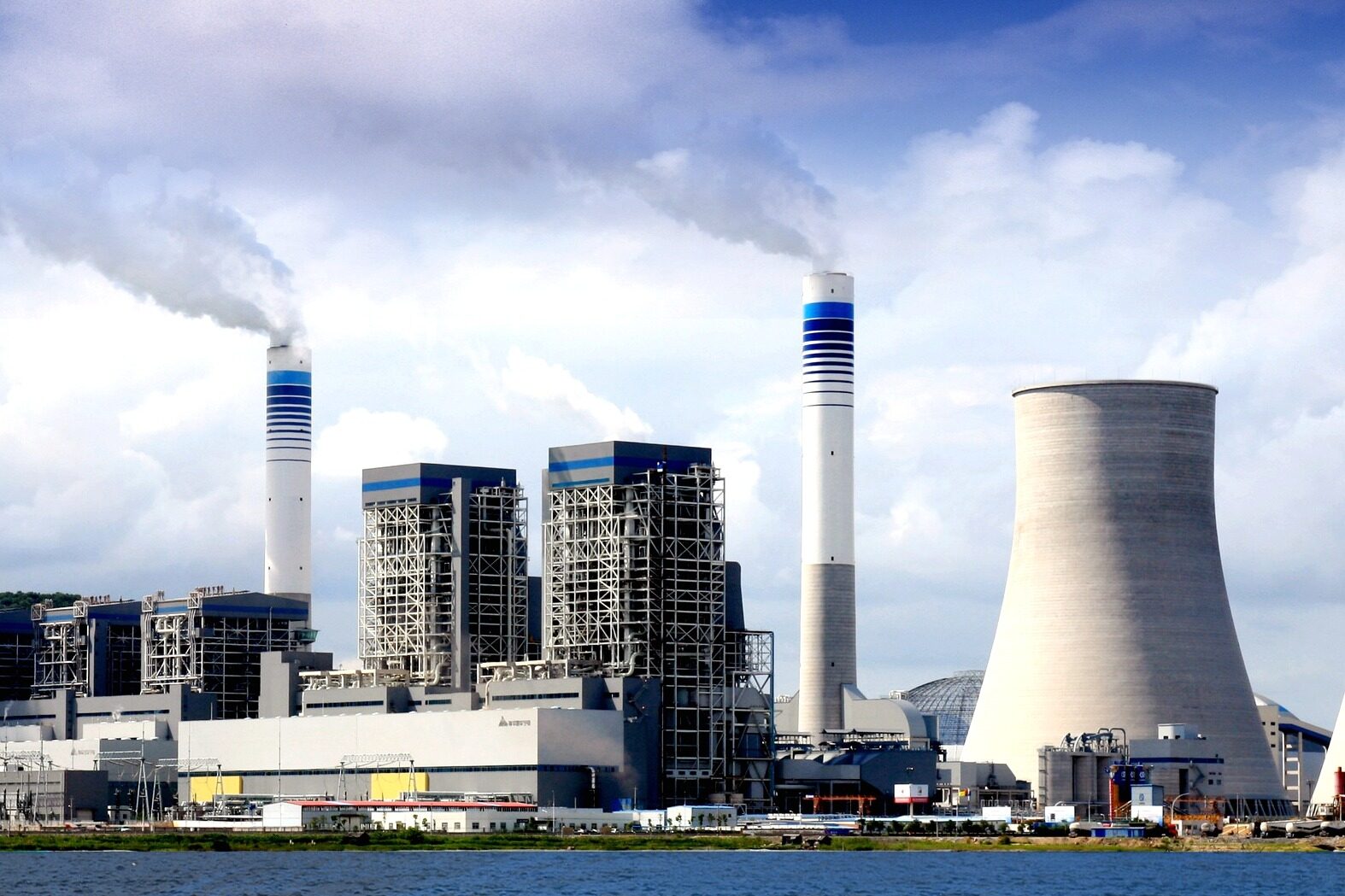
Greece is fully committed to advancing the green transformation of its energy system. According to the latest assessment report released by the European Union Agency for Cooperation in Energy Regulation (ACER) on August 25, Greece is expected to phase out a total of gigawatts of traditional fossil fuel power generation capacity by 2035, gradually shifting towards a cleaner and interconnected renewable energy system.
According to the phase-out path planned in the report: by 2026, Greece will shut down 660 MW of lignite-fired power generation units and 110 MW of natural gas-fired power generation units, while eliminating 410 MW of island fuel oil-fired power generation units. During this phase, the interconnection between island and mainland power grids will also be promoted, gradually changing the previous off-grid power supply mode that relied on fuel oil for power generation.
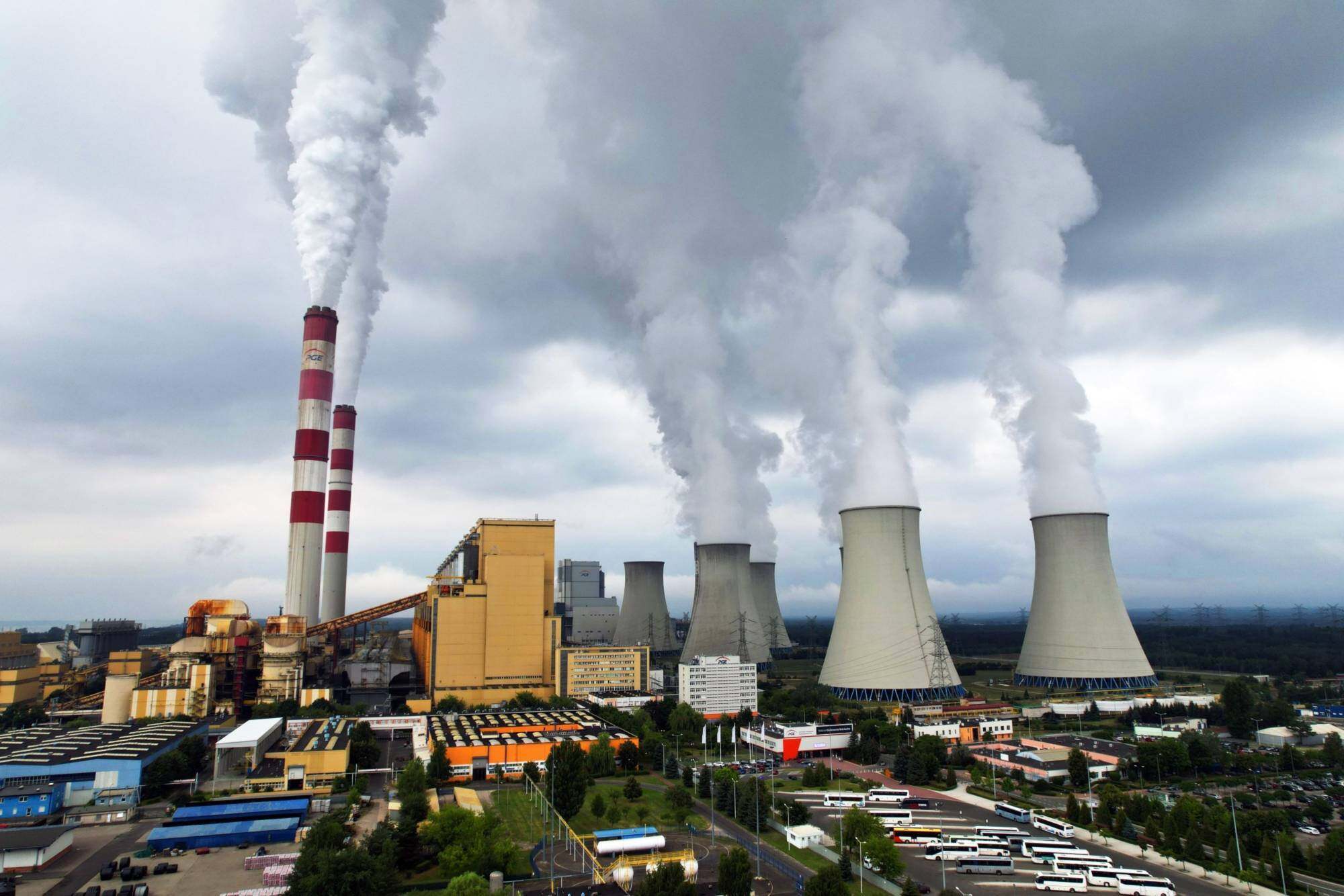
By 2028, Greece will further phase out 660 MW of lignite-fired units and 470 MW of natural gas-fired units, thereby achieving a complete withdrawal from lignite power generation. It is estimated that by 2030, the scale of eliminated natural gas-fired units will climb to 1,410 MW, and by 2035, the total eliminated natural gas power generation capacity will reach 2,870 MW.
This series of measures not only responds to the EU's 2050 carbon neutrality goal, but also constitutes an important part of Greece's National Energy and Climate Plan (NECP). While phasing out highly polluting power generation units, Greece is vigorously investing in renewable energy sources such as wind power and photovoltaics, and actively promoting energy storage systems and inter-regional power grid interconnection projects to ensure the stability and security of the future power system.
Some analysts believe that Greece's energy transition will not only help reduce its dependence on imported fossil fuels, but also create new green job opportunities, attract investment in sustainable fields, and enhance its competitiveness in the energy market of southern Europe and even the entire Europe. Edited by Xu Shengpeng
Comment


 Praise
 Collect
 Comment

 Share
Share


Write something~