 Search


- Jersey and Guernsey have abundant wind energy resources around them, which can provide power for millions of households
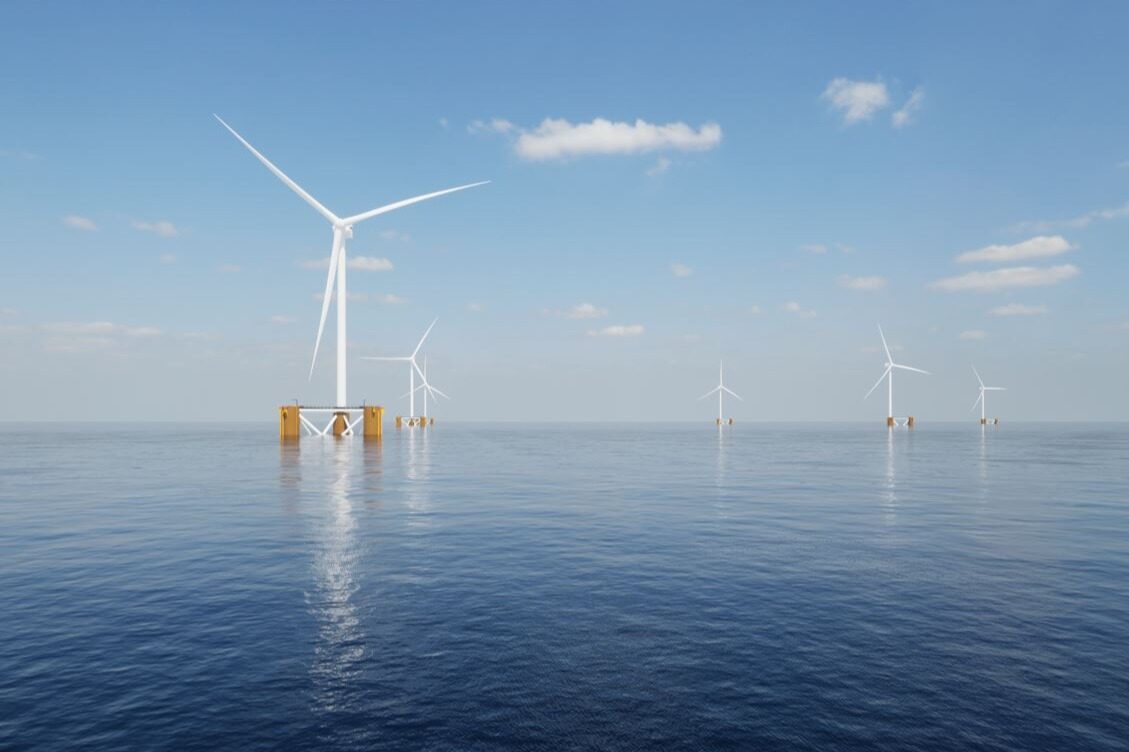
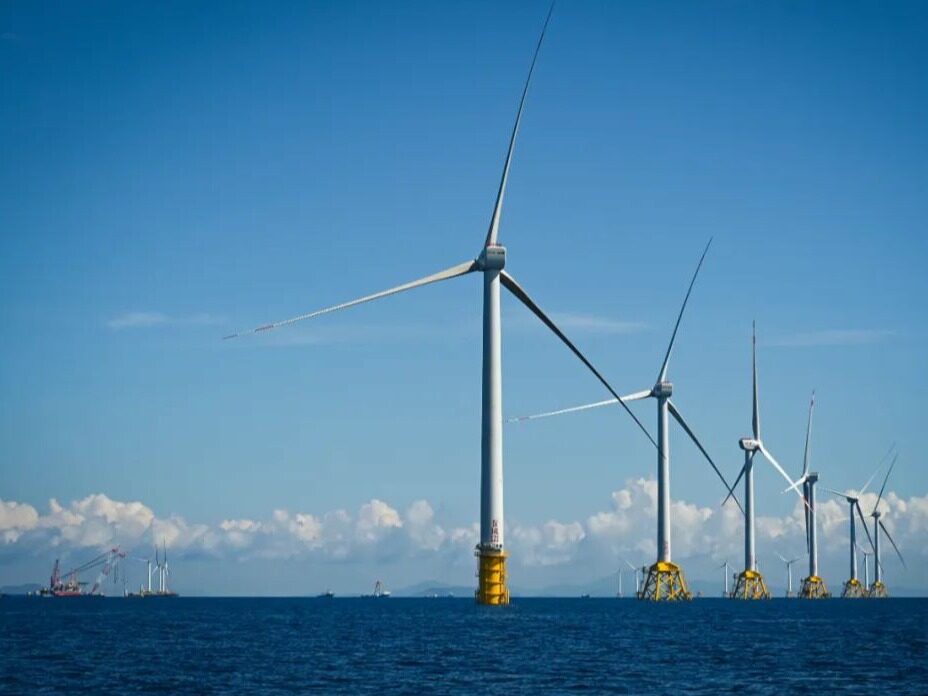
Recently, Mark Rayburn, co-founder of Dyna, an energy company in the Channel Islands, stated that Jersey and Guernsey have significant potential for offshore wind power development, and the wind farms built in the future can provide clean electricity to millions of households in the UK, France, and the Channel Islands region.
According to BBC reports, Dyna plans to build a wind power project in Guernsey, but the entire development cycle may take 8 to 10 years. Rayburn pointed out that in addition to meeting local demand, these electricity can also be sold to the UK and France. It is estimated that the waters near Jersey alone have a power generation potential of 1 to 1.5 gigawatts, which can install about 50 to 60 turbines, enough to power over 1 million households; And the potential of Guernsey can even reach twice this number.
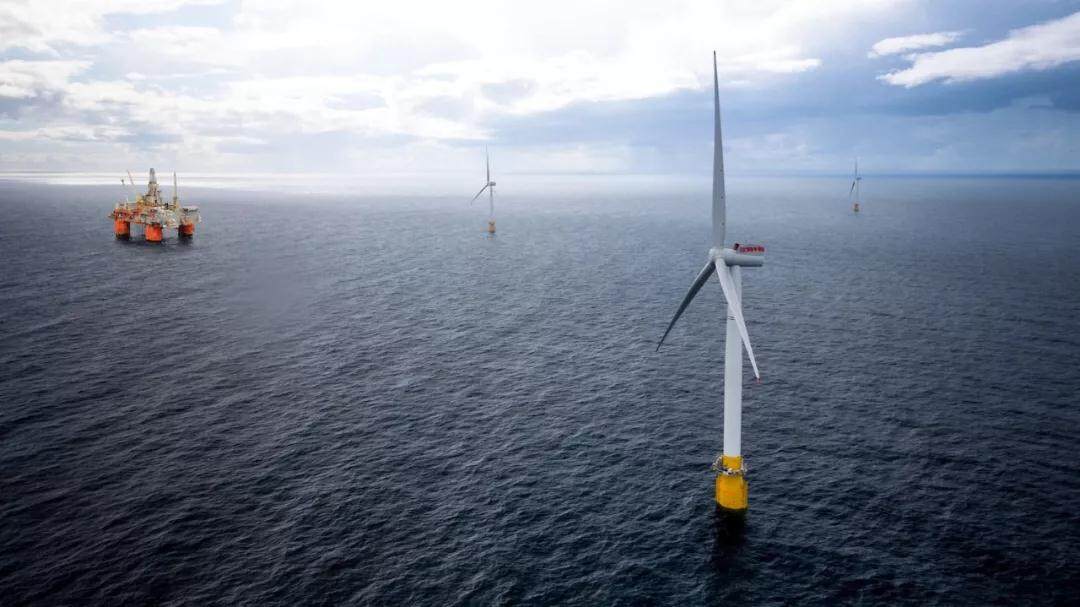
Former Guernsey councilor Carl Millveld believes that offshore wind power could bring disruptive revenue growth to the island. But he also expressed concerns about the efficiency of the government's efforts: "Due to recent elections and restructuring of the new committee, project progress has slowed down. If it were driven by the private sector, contracts may have been signed and payments received by now." Currently, the Guernsey government plans to lease seabeds, build wind farms in the western waters, and export surplus electricity to the English and French markets. Millveld emphasized that the project is expected to help Guernsey regain the financial prosperity of the 1980s and 1990s, and therefore must be actively promoted as a priority.
Jersey Environment Minister Steve Luce, on the other hand, holds a more cautious attitude. He stated that despite the urgency of developing offshore wind power, the government still needs to conduct a comprehensive assessment and ensure that decisions are based on sufficient information. In April of this year, the Jersey Legislature voted in principle to support the feasibility study of wind power. Luce pointed out that lawmakers have different expectations for wind power: some focus on the fiscal revenue brought by seabed leasing, some pay attention to sustainable energy efficiency to reduce dependence on nuclear energy, and some emphasize energy self-sufficiency to enhance power supply security on the island.
Rayburn added that in addition to purchasing some electricity for self use, the main benefits of the archipelago will be reflected in increased fiscal revenue and job creation. He also reminded that the project should be accelerated to avoid the "wind shielding" effect caused by the construction of offshore wind farms in France, which would affect power generation efficiency. If it is downwind from other wind farms, wind energy resources will be significantly reduced - we have seen this in the cases of the Belgian and French waters
Comment

 Praise
 Collect
 Comment

 Share
Share


Write something~