 Search


- Saudi Aramco's three-year strategic plan injects core momentum into Saudi Arabia's diversified economic transformation
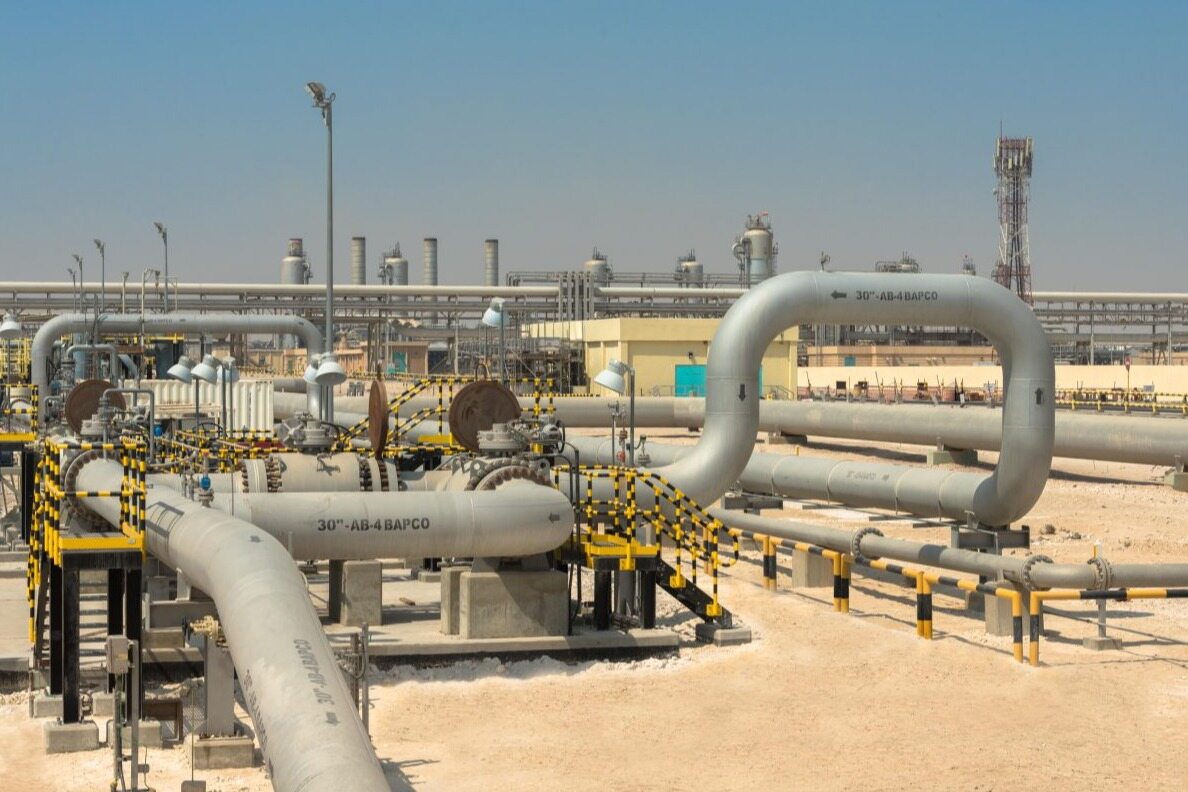
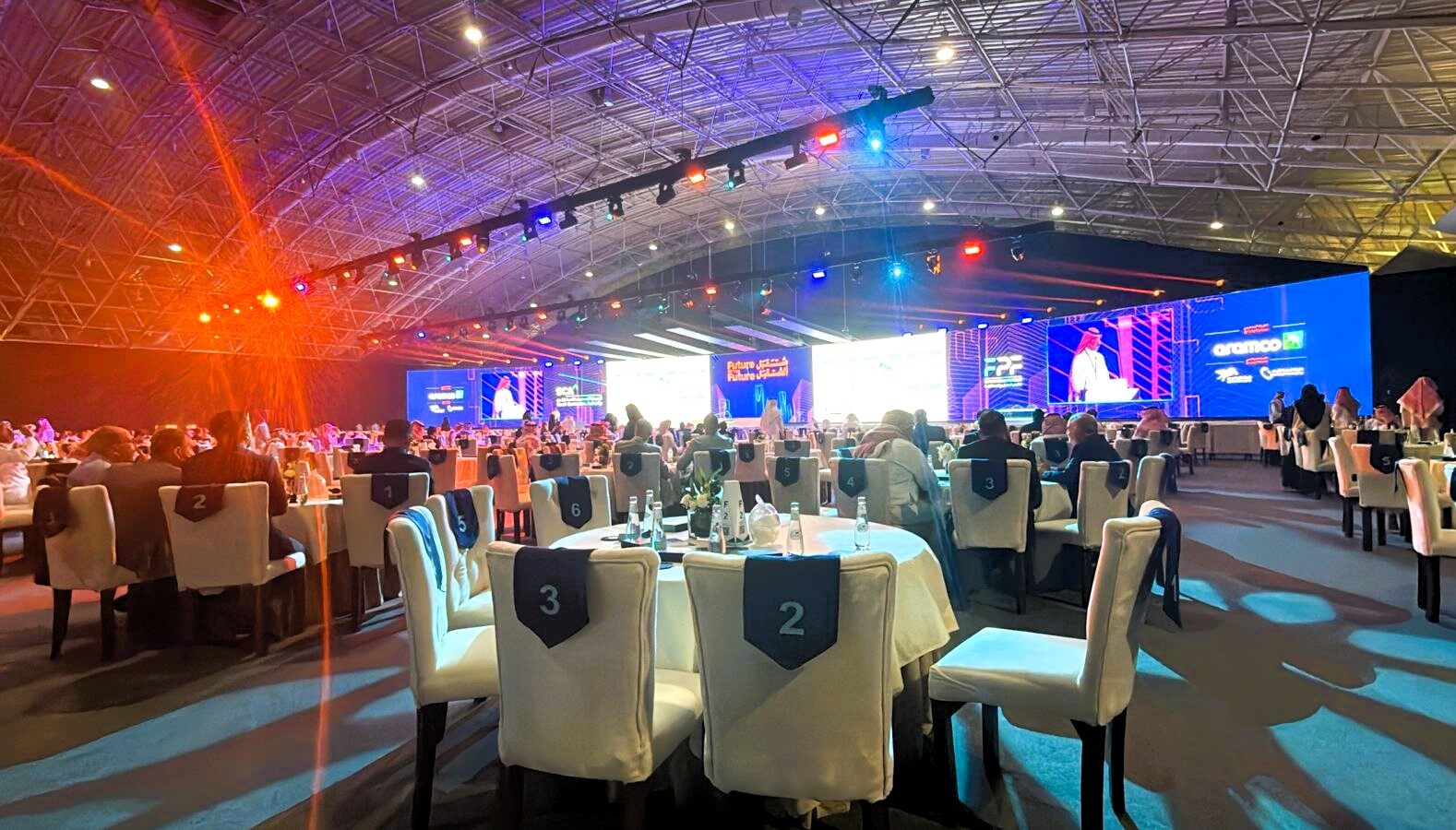
Saudi Aramco announced that it will launch 85 strategic projects with a total investment scale of tens of billions of dollars over the next three years, covering key areas such as the entire oil and gas industry chain, pipeline transportation network, and civil infrastructure. This layout was officially disclosed at the Riyadh Future Project Forum, marking that Saudi energy giants are promoting the country's economic transformation and industrial upgrading through systematic investment.
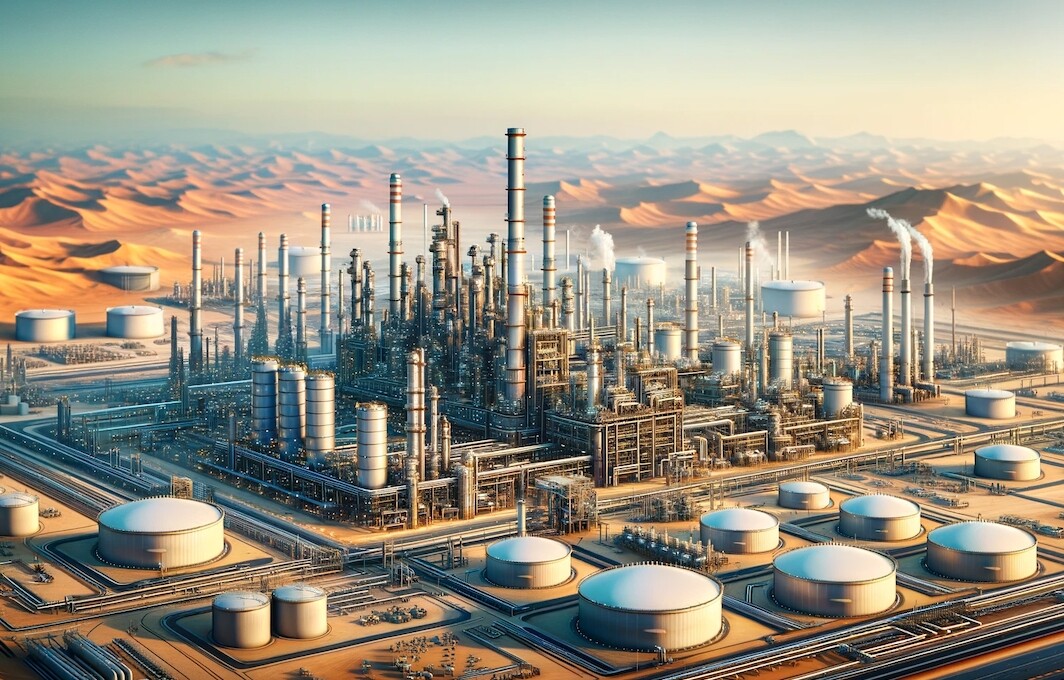
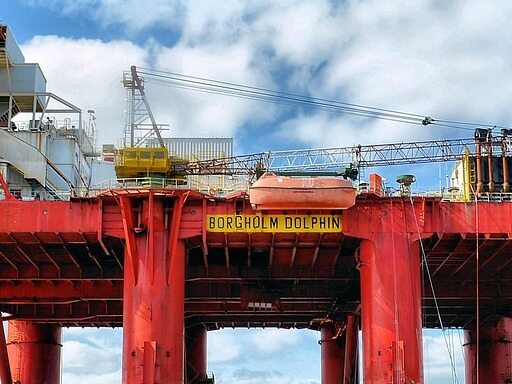
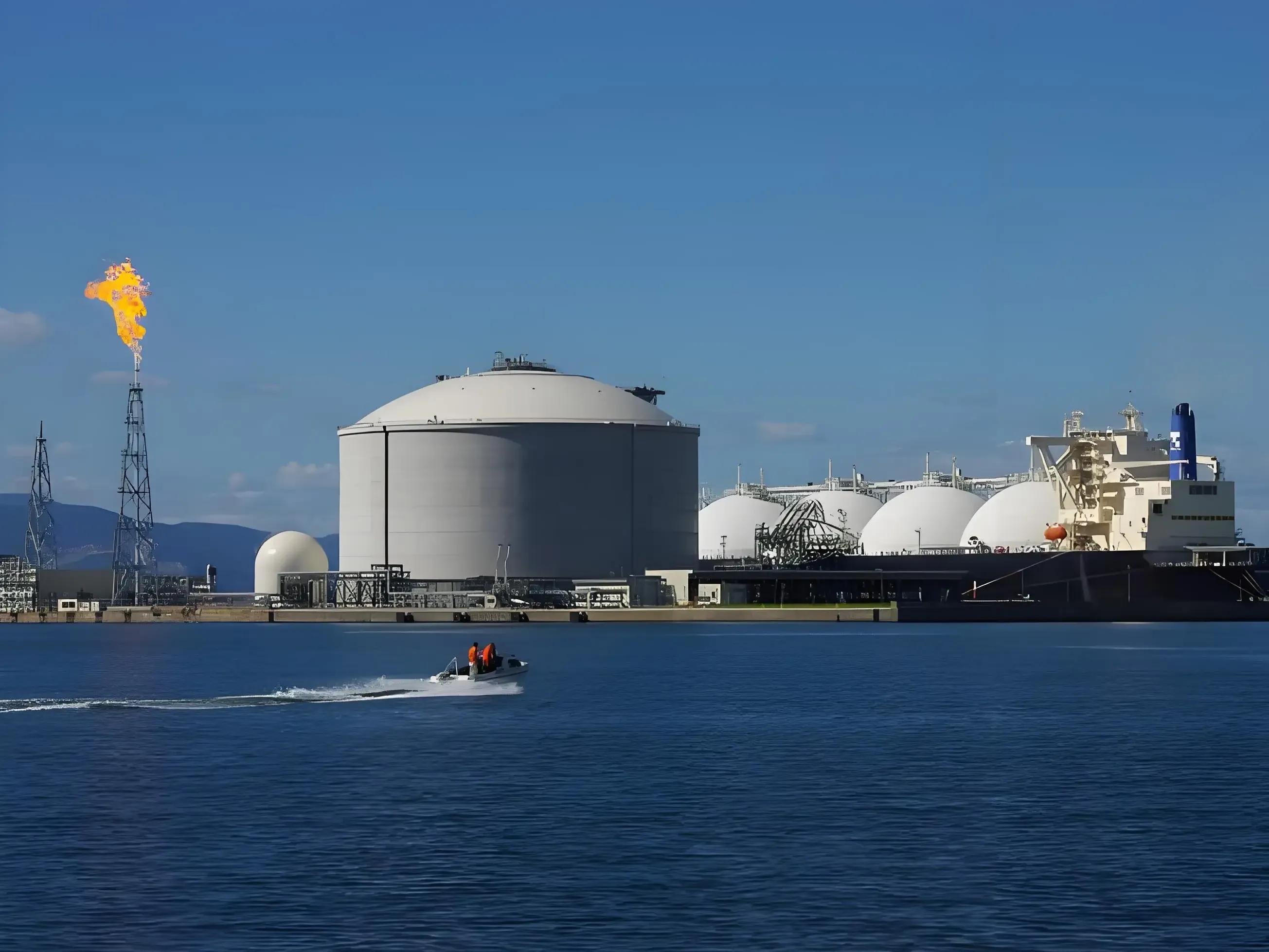
In the project cluster, 20 oil, gas, and petrochemical projects constitute the core driving force. Among them, 17 facility upgrade projects focus on improving the efficiency of sulfur recovery units, modernizing natural gas field compression systems, and optimizing refining equipment technology, aiming to enhance the low-carbon competitiveness of traditional energy businesses. Two flagship petrochemical projects are particularly noteworthy: the Sasref+liquid chemical project will integrate advanced conversion technology, while another undisclosed refining complex is positioned as an industry benchmark. The offshore sector is simultaneously advancing six platform expansion projects, and the pipeline department is building a land sea intermodal artery through 12 mainline upgrades and pipeline replacement projects, forming an energy transportation network covering the whole country.
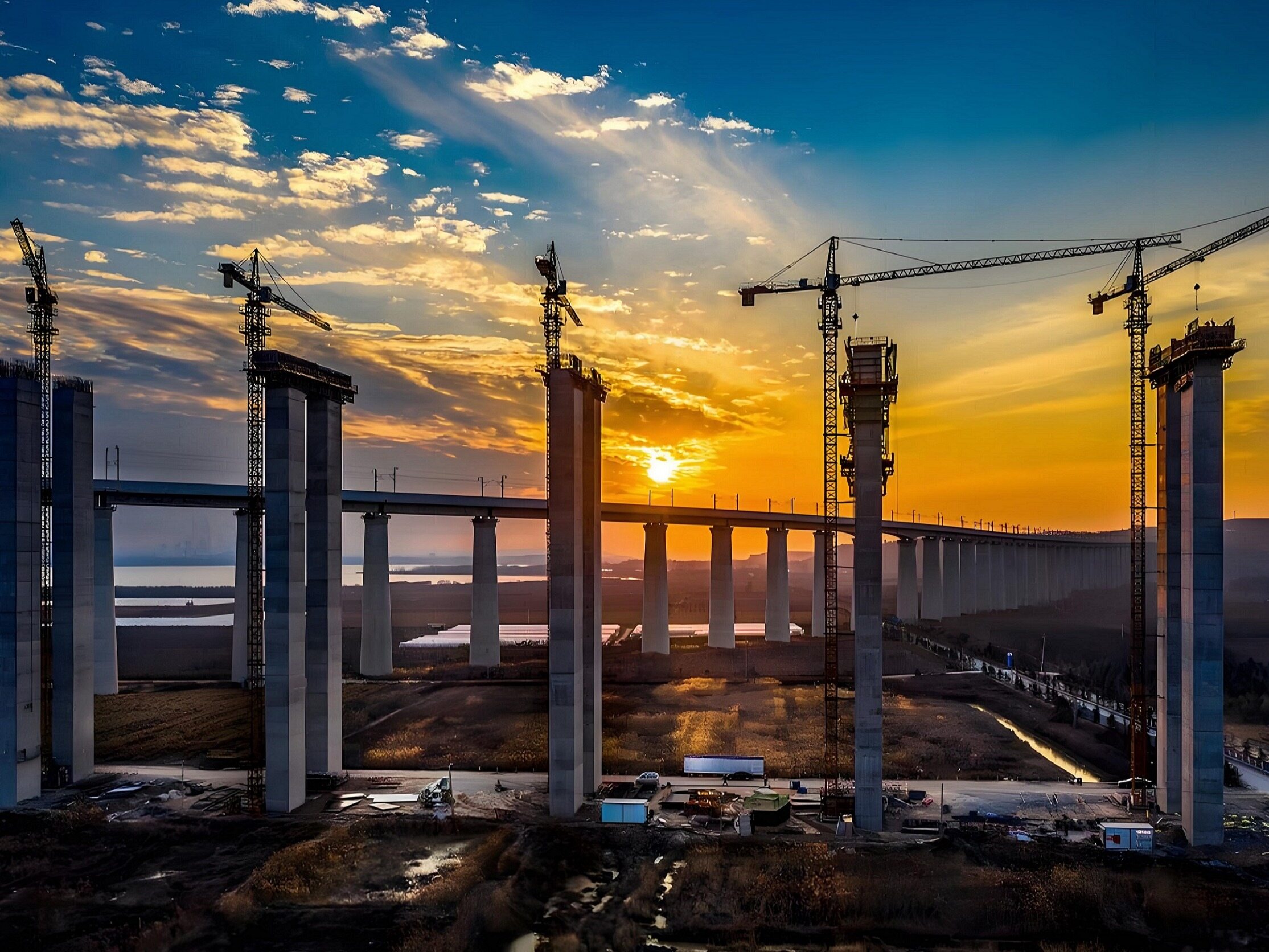
In the non energy sector, 53 livelihood projects demonstrate strategic depth. Infrastructure development, residential community expansion, and upgrading of public utility systems constitute the three main lines, of which 15 projects directly serve regional balanced development. Company contract consultant Sara Alhunez revealed that project execution will be broken down into hundreds of geographically dispersed contract packages, activating the national supply chain through localized procurement strategies. This layout not only creates employment opportunities, but also promotes the coordinated evolution of related industries such as construction, manufacturing, and logistics.
The massive project cluster has generated epic procurement demands: 21000 kilometers of carbon steel pipes, 2.2 million tons of structural steel, and 41000 kilometers of cables constitute the main material list, with concrete usage alone exceeding 3.3 million cubic meters and filling material demand exceeding 113 million cubic meters. The procurement of power equipment is also considerable. The deployment of 1700 kilometers of transmission lines, 6000 transformers, and 24000 switchgear will significantly enhance the carrying capacity of the national power grid. Behind these numbers are significant opportunities and challenges facing the Saudi industrial system.
Capital expenditure data confirms strategic determination. The company's capital expenditure guidance for 2025 remains in the range of $52 billion to $58 billion (excluding $4 billion in project financing), with $24.85 billion in investment completed in the first half of the year, a year-on-year increase of 9.5%. In the second quarter, the proportion of transformation areas such as new energy development and artificial intelligence applications has significantly increased among the $12.3 billion expenditure. President Amin Nasser emphasized that technology empowerment will become the main investment focus, optimizing operational efficiency through digital tools, utilizing scale advantages to reduce low-carbon technology costs, and ultimately achieving a dynamic balance between energy security and climate goals.
As the industry anchor of Saudi Arabia's 2030 vision, Aramco's investment in this round goes far beyond the commercial scope. From the Red Sea coast to the Persian Gulf coast, from oil and gas platforms to smart communities, this upgrading wave covering 2000 kilometers of land is reshaping the industrial genes of the largest economy in the Middle East.Editor/Cheng Liting
Comment




 Praise
 Collect
 Comment

 Share
Share


Write something~