 Search


- This project will significantly enhance the capacity of Middle Eastern aviation hubs and stimulate the growth of the tourism industry
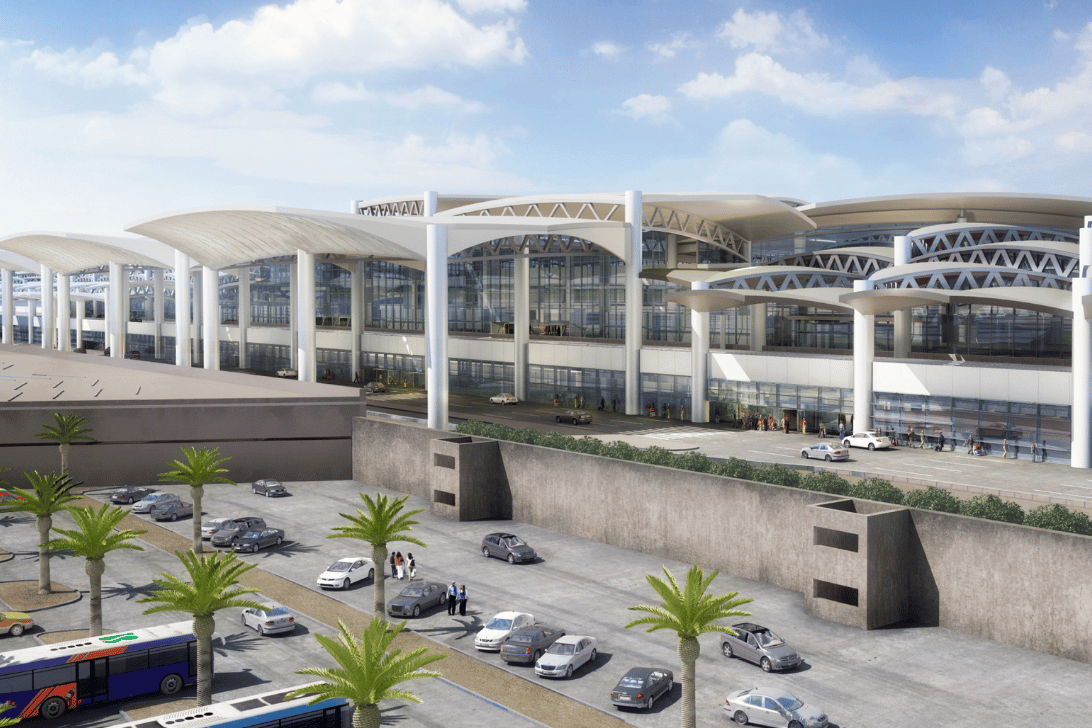
Riyadh, the capital of Saudi Arabia, is experiencing a new wave of aviation infrastructure boom. Recently, Safari Construction Company launched the expansion project of the A floor lobby of Terminal 1 of King Khalid International Airport. The contract value of the project is about 400 million riyals, and it is expected to increase the annual passenger throughput of the terminal by more than 2.7 million people after completion by the end of 2027. Canadian engineering giant WSP serves as a project consultant, providing technical support for the intelligent upgrade of this Middle Eastern aviation hub.
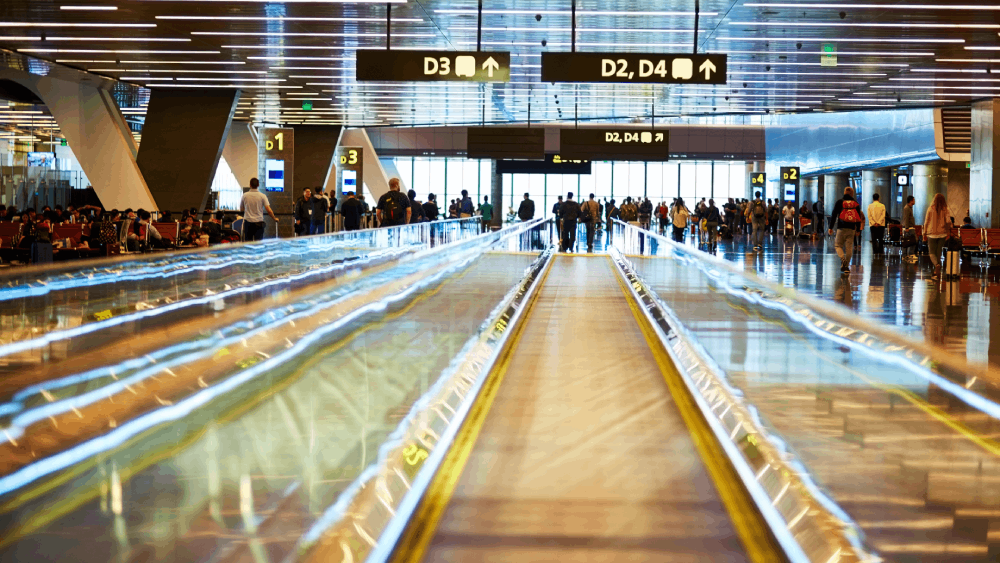
This expansion is a crucial part of the systematic upgrade of Riyadh Airport. In January of this year, KKIA's new international passenger terminal was put into operation, and through expansion, the annual passenger processing capacity has been increased from 3 million to 7 million, perfectly in line with the air transportation goals set by the National Transportation and Logistics Strategy and the 2030 Vision. At the same time, the consortium formed by Türkiye ICIctas and Saudi Al Rashid is promoting the expansion of No. 1 and No. 3 international terminals and the renovation of No. 3 and No. 4 terminals simultaneously. The project started in the middle of 2023 is expected to be completed by the end of 2025.
Behind Saudi Arabia's infrastructure boom is an ambitious economic transformation strategy. According to GlobalData data, the construction industry in Saudi Arabia is expected to expand at an average annual growth rate of 5.2% from 2025 to 2028, with particularly impressive performance in the infrastructure sector: it is expected to achieve a 5.2% real growth rate in 2024, and the growth rate will climb to 6% from 2025 to 2028. This is thanks to the government's significant investment in transportation networks such as highways and railways. In the field of airport expansion alone, a three-dimensional driving model of new terminal buildings, upgrading existing facilities, and intelligent transformation has been formed.
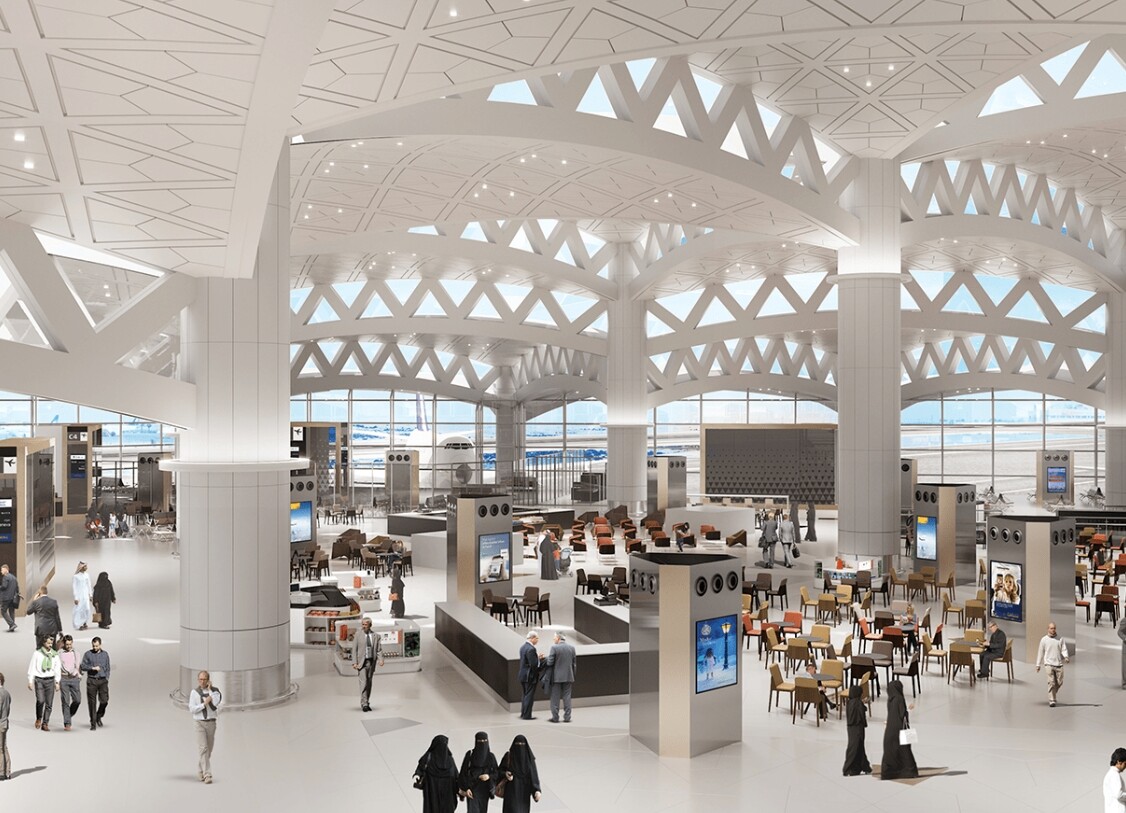
As the fastest-growing aviation market in the Middle East, the expansion of Riyadh Airport has strategic demonstration significance. When the traditional energy economy is transforming into diversified fields such as tourism and logistics, the iterative upgrading of infrastructure is becoming a key lever to attract international investment and enhance urban competitiveness.Editor/Cheng Liting
Comment

 Praise
 Collect
 Comment

 Share
Share


Write something~